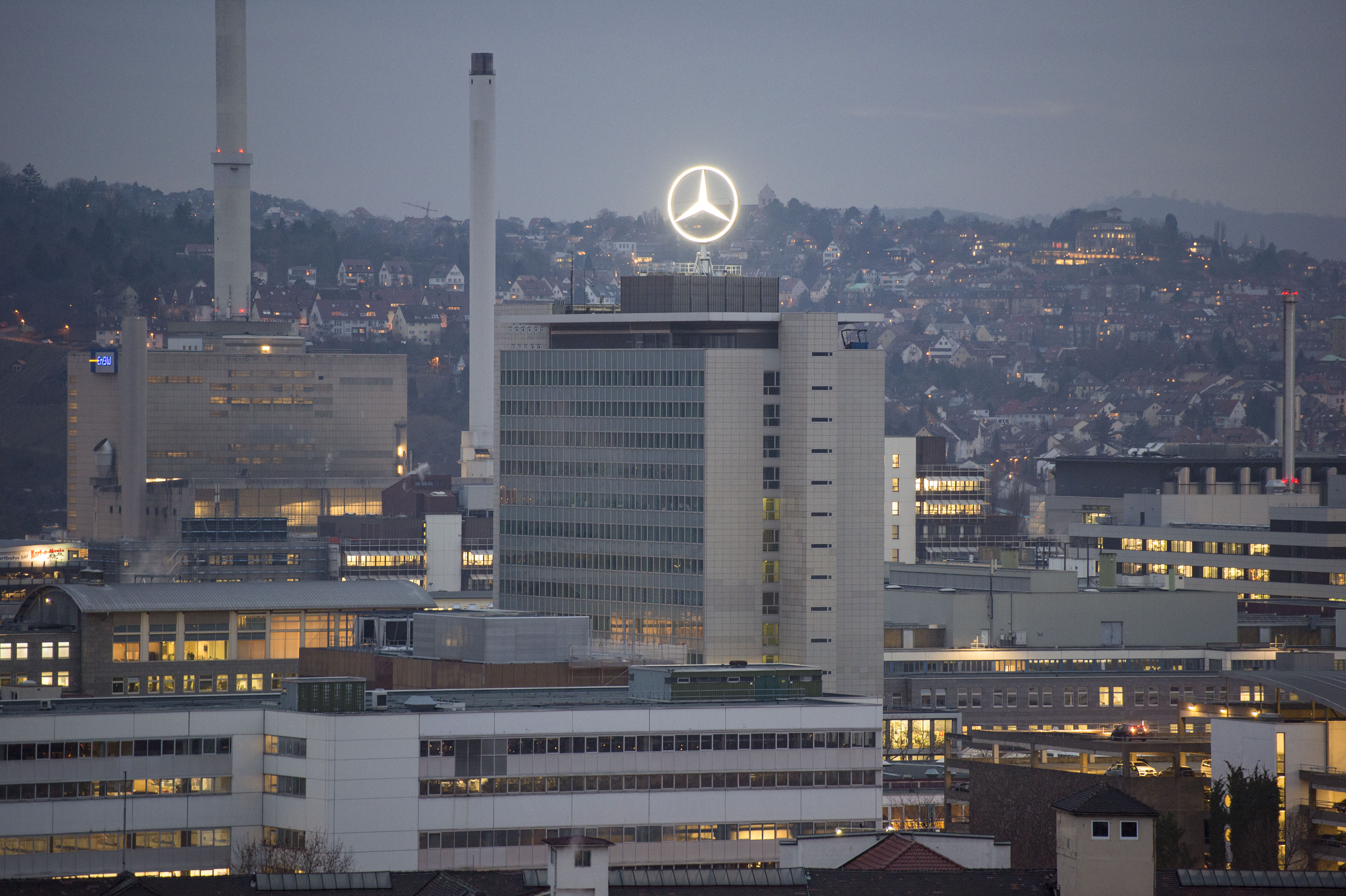

Mercedes-Benz has agreed to pay nearly $150 million to settle a lawsuit filed by a majority of U.S. states nearly a decade ago over allegations of installing devices on their vehicles to cheat emissions standards.
New York Attorney General Letitia James led a bipartisan coalition of 48 states, the District of Columbia, and Puerto Rico in suing the German luxury automaker for allegedly violating environmental and consumer protection laws.
The attorneys general alleged Mercedes-Benz misled consumers by advertising the diesel vehicles as producing “ultra-low emissions.”
“Mercedes promised New Yorkers clean, green cars, but instead sold vehicles that polluted our air and put public health at risk,” James said in a statement.
The multistate coalition investigated allegations that Mercedes-Benz equipped thousands of diesel vehicles with software designed to cheat on emissions tests and mislead consumers, possibly polluting communities nationwide.
James said her office reviewed more than 350,000 documents and interviewed several witnesses during the investigation. According to James, the devices installed “artificially lowered emissions during government testing, but in normal driving conditions, the vehicles emitted far higher levels of harmful pollutants, sometimes up to 30 or 40 times the legal limit.”
Mercedes-Benz agreed to pay the working group an initial settlement of $149.7 million to be disbursed among the states that sued.
According to the agreement, the company did not admit any wrongdoing.
Mercedes-Benz did not return a request for comment about the settlement announcement.
A portion of the settlement—$13.5 million—will be paid to New York within 60 days of the court’s finalizing the agreement, which the state claims will be used to prevent, abate, restore, mitigate, or control ongoing air pollution—or “for other uses permitted by state law,” according to the court settlement.
The use of New York’s allocation will be determined by James, the settlement states.
About $30 million of the settlement funds will be put into an account to pay affected Mercedes-Benz owners $2,000 each to fix the software.
Between 2008 and 2017, the automaker sold more than 200,000 diesel vehicles equipped with the software, James said.
As part of the settlement, Mercedes-Benz must regularly report to state regulators which vehicles have been repaired or removed from the road and may face more penalties, depending on its compliance.
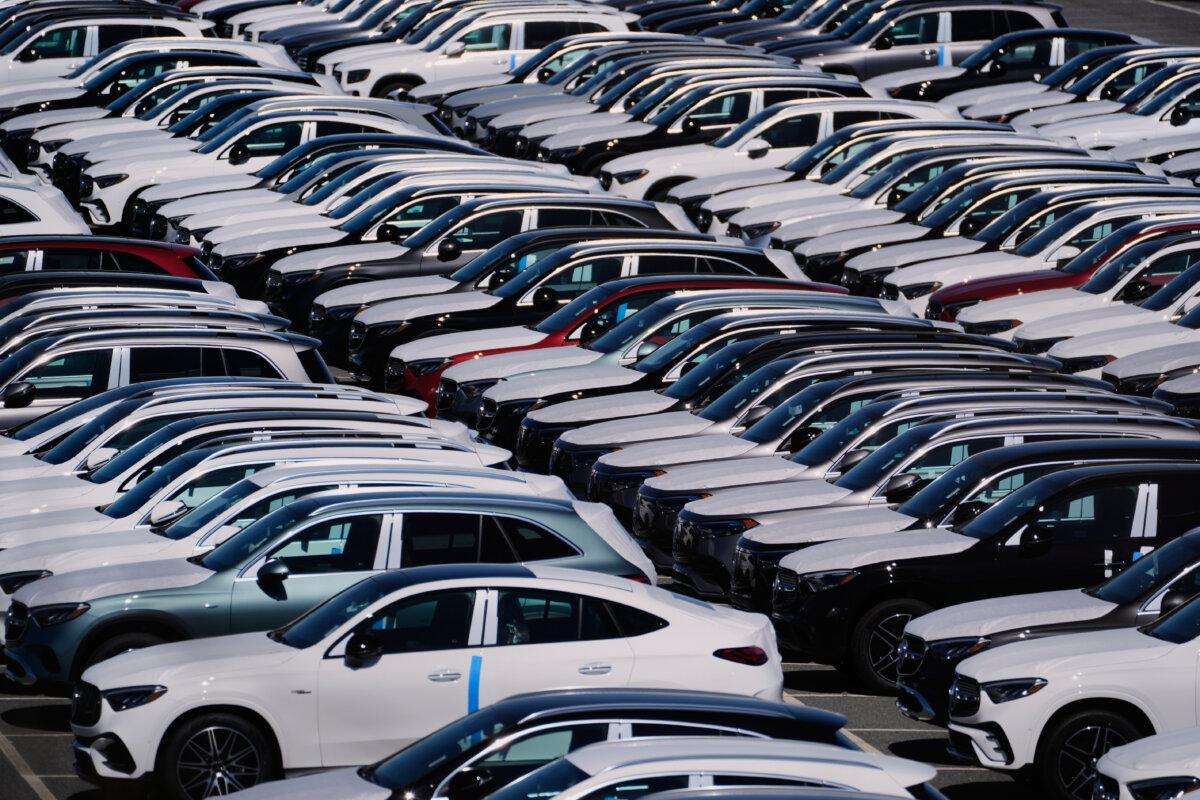
New Mercedes-Benz imports are processed at the Mercedes-Benz Vehicle Preparation Center at the Port of Baltimore before distribution to dealerships on March 27, 2025. (Stephanie Scarbrough /AP)
“This bipartisan investigation and settlement holds Mercedes-Benz USA and Daimler AG accountable for years of fraud and sends a strong message that this type of deceptive illegal behavior is unacceptable anywhere and at any time,” District of Columbia Attorney General Brian Schwalb said in a statement.
In 2020, the carmaker’s parent company, Daimler AG, reached a $1.5 billion settlement to resolve alleged violations of the Clean Air Act and a California law related to emissions.
The agreement settled a separate lawsuit with the U.S. Department of Justice, the Environmental Protection Agency, and the California Air Resources Board.
In the settlement, Daimler agreed to recall and repair the emissions systems in Mercedes-Benz diesel vehicles sold in the U.S. between 2009 and 2016 and pay $875 million in civil penalties and more than $70 million in other penalties.
The company also agreed to extend the warranty period for certain parts in the repaired vehicles, perform mitigation projects, and implement new internal auditing procedures to prevent future “emissions cheating,” according to the Department of Justice.