
WASHINGTON—For years, the Chinese regime has been working to isolate Taiwan on the world stage, poaching its allies while leveraging coercive tactics to undermine the island’s international standing.
The campaign has worked to some extent, as Taiwan has lost 10 allies to China since 2016. But in Japan, it met a roadblock.
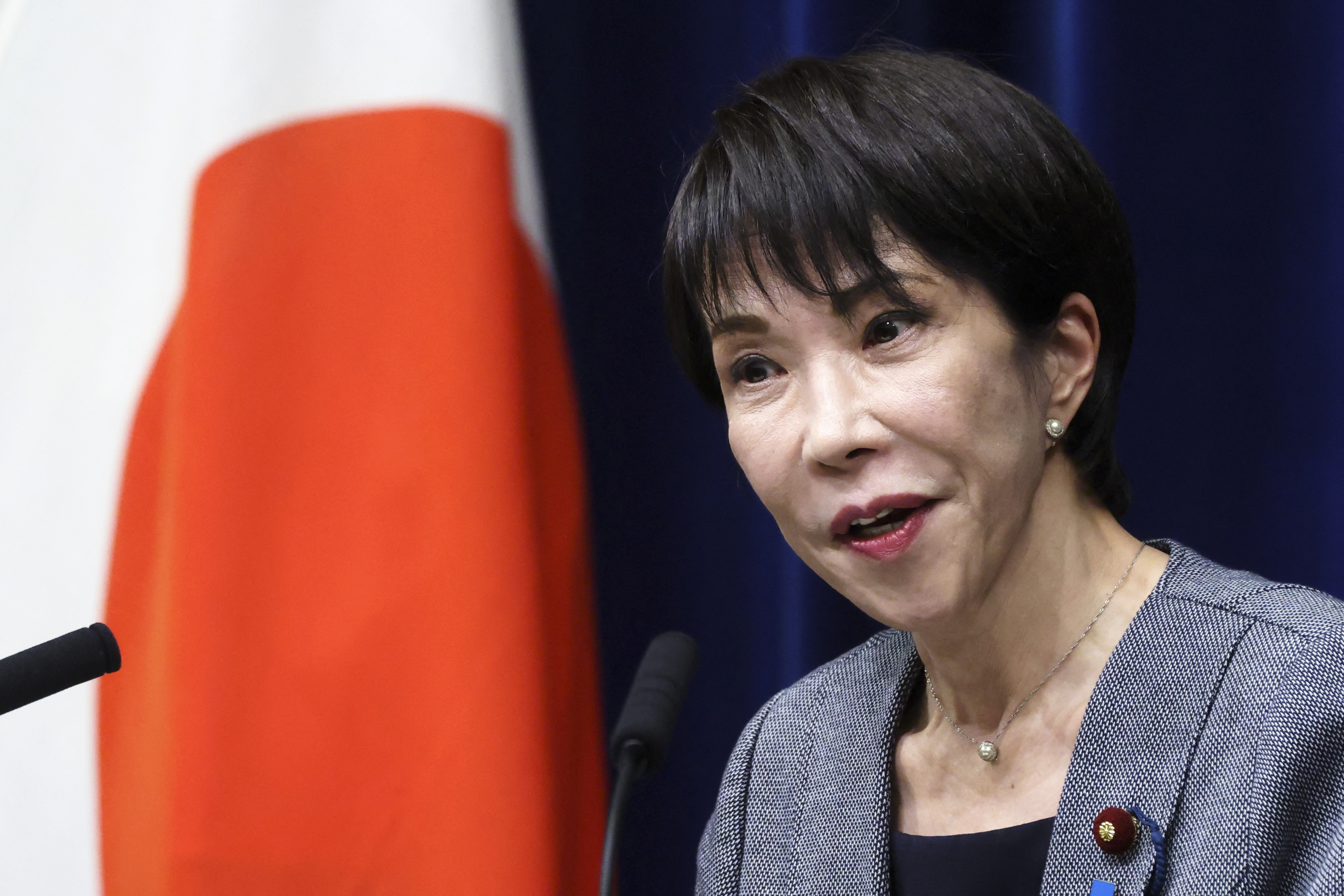
Japanese Prime Minister Sanae Takaichi, who secured a parliamentary majority after a landslide election win, has described a potential Chinese attack on Taiwan as a “survival-threatening situation” for her country. She has vowed to aid the United States in the event of a Taiwan crisis, and despite consistent pressure from Beijing, she has stood by her words.
Indo-Pacific security affairs analyst Shirley Kan described Japan as “the most recent and most successful” case in which “China’s coercion does not work.”
“China is always going to push,” she told The Epoch Times. “The question is, what do other countries do about it?”
Japan has demonstrated a way to respond, she said.
In a coalition with support from allies such as the United States, China’s bullying tactics “don’t have to succeed,” she said.
Rep. Seth Moulton (D-Mass.) echoed her sentiment.
“I think Japan’s winning it,” he told The Epoch Times. “Japan’s leadership is standing strong for Japan’s rights and against Chinese intimidation.”
A Major Target
Taiwan is a major target for Chinese economic coercion, and its vulnerability is attributable in part to its size.
At a House China Committee hearing on Taiwan on Feb. 11, Rep. Nathaniel Moran (R-Texas) contrasted the democratic island with the United States, where he said economic diversity is a great strength.
Even if certain industries encounter difficulties, he said, the United States can recover economically.
“Taiwan doesn’t have that size,” he said.
Mainland China is the top market for the island, taking close to $800 million worth of Taiwan’s agricultural goods in 2024—about 15 percent of its total agricultural export.
The regime has used this dependence to its advantage, citing alleged food safety or pest issues to restrict key Taiwanese products from fruits to fish.
The 2021 ban on pineapples affected 90 percent of the tropical fruit’s exports, one of several moves that heavily hit farmers in southern Taiwan who have traditionally supported the ruling Democratic Progressive Party.
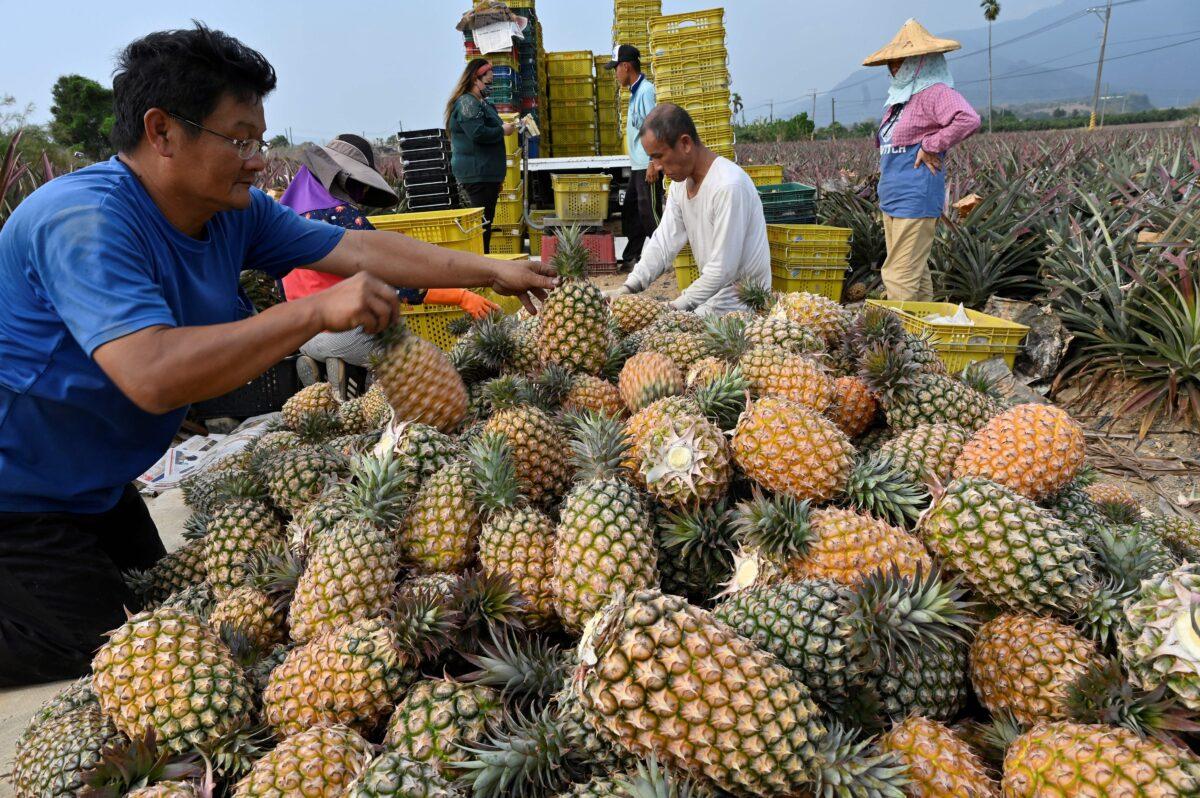
Farmers harvesting pineapples in Pingtung County, Taiwan, on March 16, 2021. (Sam Yeh/AFP via Getty Images)
Mira Rapp-Hooper, visiting fellow at the Brookings Institution and a partner at the strategic advisory firm Asia Group, said the measures reveal Beijing’s ability to use economic punishment on a targeted basis.
“That’s not only economic coercion. It’s election interference,” she said at the hearing.
The Chinese regime, she said, “has the ability to take Taiwan right now without firing a shot.”
Both Kan and Rapp-Hooper said they consider Beijing the single biggest threat to Taiwan.
Although it’s hard to develop countering strategies in advance, the United States can help Taiwan identify key sectors that Beijing may target, then find alternative markets that can absorb the products when the pressure does come, Rapp-Hooper said.
“Preparation now is key,” she said.
Taiwan has been diversifying from the Chinese market. In 2025, the United States overtook China as its largest export partner.
“Taiwan needs to stay on this course,” Kan said.
But there are lessons for other countries too, according to Rapp-Hooper.
After Honduras severed ties with Taiwan in favor of China in 2023, its shrimp exports suffered heavy losses as the Chinese demand failed to keep up.
“[China] often makes great promises about the amount of investment or other forms of economic support that will come from a closer diplomatic relationship, and then that investment is not always forthcoming or doesn’t benefit local economies in the way that they hope it will,” Rapp-Hooper told The Epoch Times.
The takeaway, she said, is that every country should “make decisions with eyes wide open.”
The United States is currently finalizing the $500 billion trade deal with Taiwan, and Rep. John Moolenaar (R-Mich.), chairman of the House China Committee, said in an interview that he’s “excited to see the opportunities for mutual prosperity in the years to come.”
Rep. Zach Nunn (R-Iowa) said he’s looking forward to a bipartisan congressional delegation to Taiwan in April.
The group will explore collaborations on innovations and how to deepen free trade throughout the region.
If China continues to be “an adversary to their closest neighbors,” the United States “stands firmly with Taiwan’s future,” Nunn told The Epoch Times.
Nathan Worcester contributed to this report.