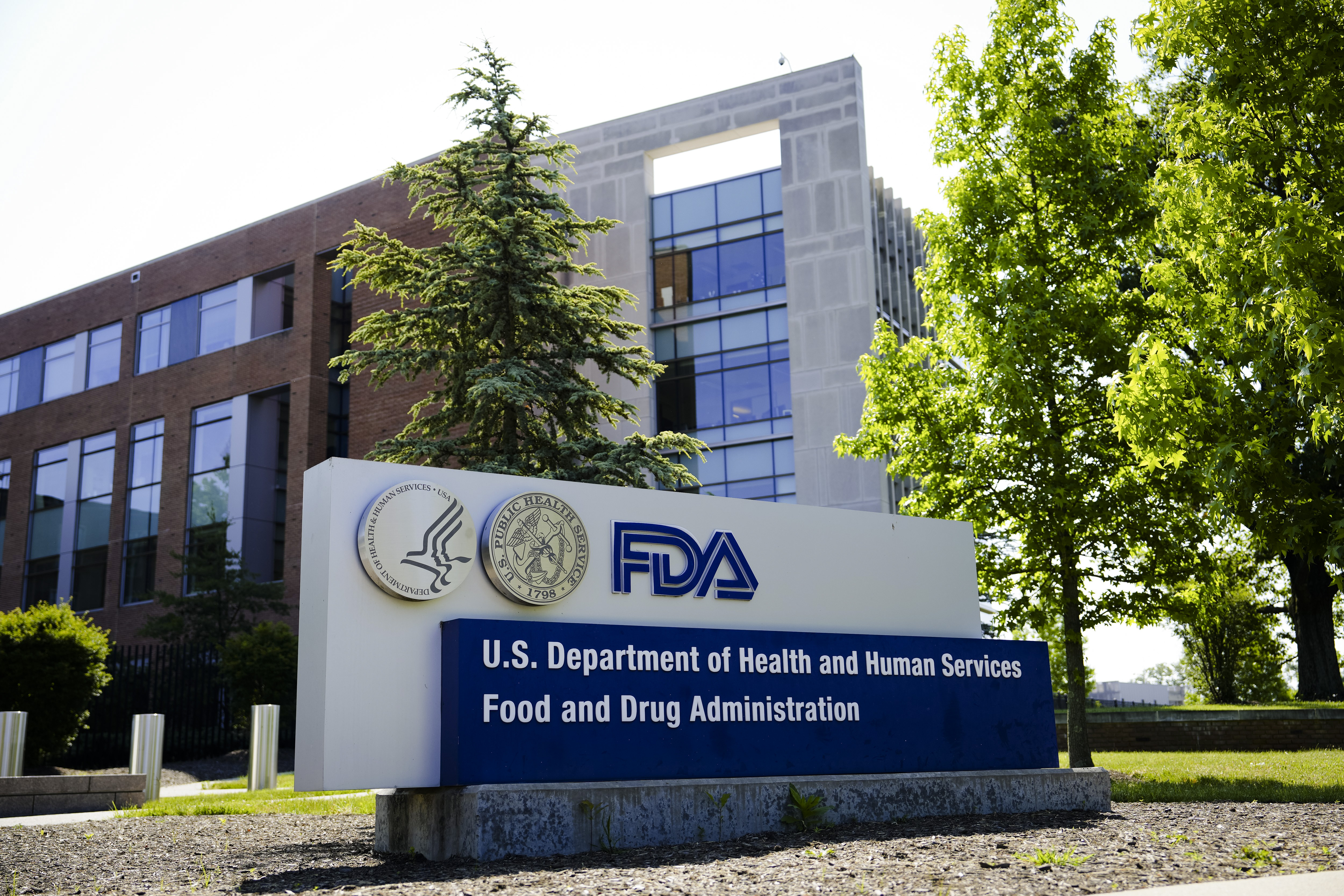

The Food and Drug Administration announced on Dec. 11 that it has formally proposed letting companies add bemotrizinol to sunscreen.
Data show the light filter protects against ultraviolet rays, is only absorbed into the body through the skin at low levels, and rarely causes skin irritation, the FDA said in its proposed order.
That includes data from clinical studies involving healthy adults, the FDA said in a scientific review of bemotrizinol’s efficacy and safety.
“Based on FDA’s review of the data on the efficacy of bemotrizinol, FDA tentatively concludes that there is adequate evidence of the efficacy of bemotrizinol for use as an active ingredient in nonprescription sunscreen drug products intended for use in adults and children 6 months of age and older,” regulators said.
The review also analyzed safety studies that enrolled 484 adults and exposed them to bemotrizonal over three weeks. There were few adverse events such as sunburn and rashes reported, and no serious adverse events among the participants.
Scant data are available for children, but the FDA said that because the absorption rate is low, it does not think it needs to require additional studies in children.
Regulators are proposing to let bemotrizinol be added to sunscreen at concentrations up to 6 percent. The FDA’s proposal came in response to a 2024 request from a company called DSM Nutritional Products.
Regulators are accepting comments from the public on the proposed order. People can comment on Regulations.gov through the end of Jan. 26, 2026.
If at the end of the comment period regulators conclude that bemotrizinol is generally safe and effective in sunscreen, they will promulgate a new, final order.
Bemotrizinol is not currently allowed to be used in sunscreen sold in the United States. A number of other countries, including Australia, Canada, and nations in Europe, allow its addition to sunscreen.
“The agency has historically moved too slowly in this area, leaving Americans with fewer options than consumers abroad. We’re continuing to modernize the regulation of sunscreen and other over-the-counter drug products,” FDA Commissioner Dr. Marty Makary said in a statement. “Americans deserve timely access to the best safe, effective, and consumer-friendly over-the-counter products available.”
The Environmental Working Group hailed the move.
“This proposal signals real hope for public health. Mineral sunscreens are a top choice for consumers, but for those who prefer non-mineral products the ingredient options have been limited,” David Andrews, who holds a doctorate in chemistry and is the group’s acting chief science officer, said in a statement.
“For years, Americans have been denied access to sunscreen ingredients that offer stronger UVA protection with fewer health concerns. Approving bemotrizinol would finally begin to close the gap between U.S. consumers and the rest of the world.”