
The Federal Communications Commission (FCC) has blocked two video devices from the U.S. market, saying that both contain computer chips manufactured by a blacklisted Chinese tech giant.
The U.S. telecom agency announced on Oct. 22 that it barred a dashboard camera and a wireless video transmitter from being marketed or sold in the United States.
The ban was issued because the gadgets contain chips produced by Huawei’s subsidiary HiSilicon—a company that advertises these components as “designed for the surveillance market” with built-in “detection algorithms for human faces,” according to the FCC.
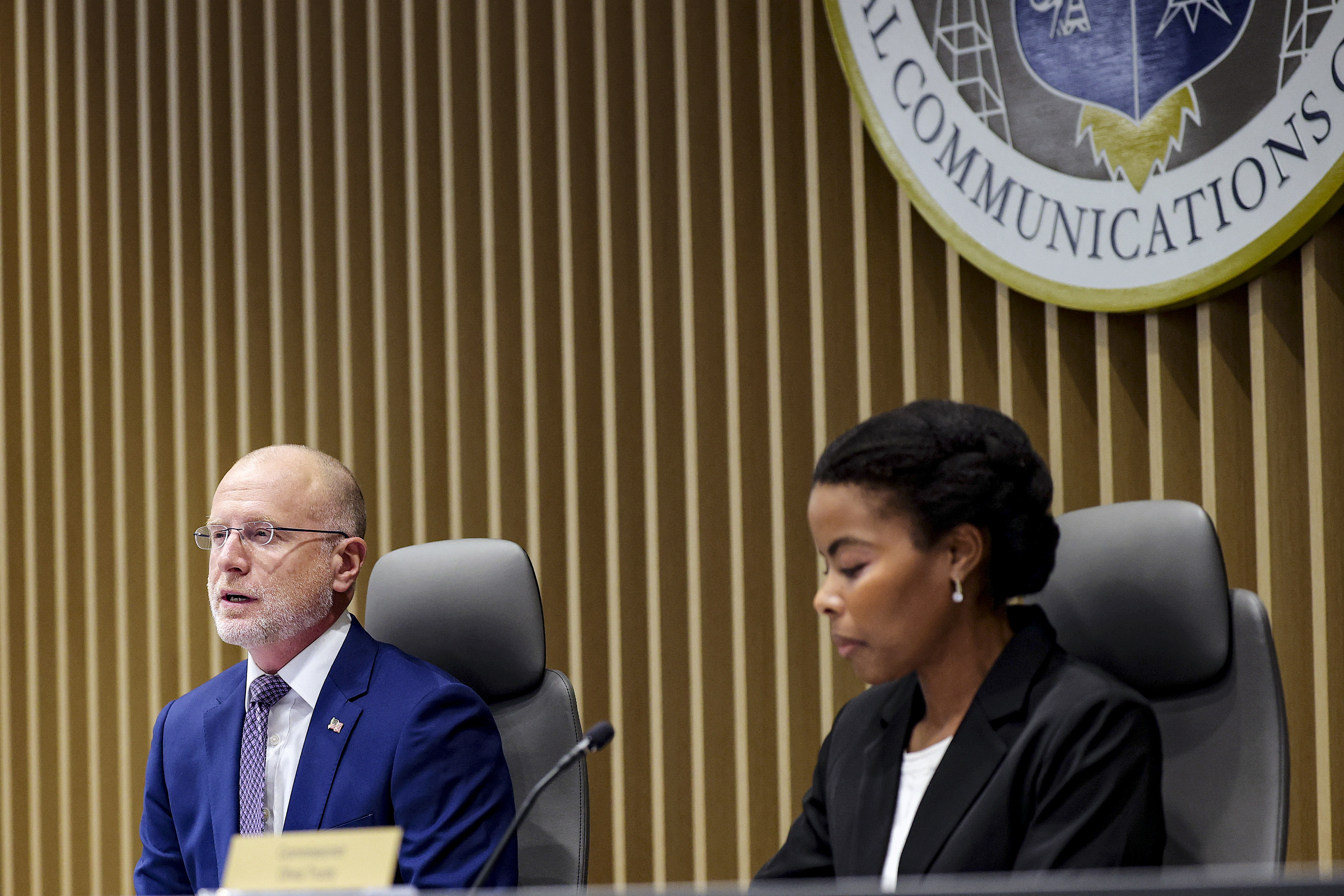
“The FCC will continue to act with vigilance in protecting and promoting America’s national security,” FCC Chairman Brendan Carr said in a statement.
“Video devices containing surveillance chips produced by Covered List entities pose an obvious and unacceptable risk to the nation and our people.”
The FCC’s Office of Engineering and Technology enforced the ban, Carr added, praising the office for preventing what he called “potential spyware” from receiving U.S. market approval.
The FCC stated that while it has long banned equipment produced by entities on its Covered List, a loophole previously allowed otherwise lawful devices to incorporate components from those same manufacturers.
That changed on Oct. 13, when new rules took effect that prohibit authorizing any device containing “logic-bearing hardware components” from blacklisted companies. The latest ban marks the agency’s first enforcement action under the updated policy.
“The FCC will continue to aggressively enforce its Covered List component rules,” the agency stated.
Huawei has been on the FCC’s Covered List since March 12, 2021. The agency’s national security blacklist also targets a roster of other Chinese technology and telecom firms, including equipment manufacturer ZTE, video surveillance giants Hikvision and Dahua, and telecommunications service providers China Mobile International USA and China Telecom Americas Corp.
The Department of Commerce added Huawei and many of its affiliates, including HiSilicon, to its Entity List in May 2019, for activities contrary to U.S. national security and foreign policy interests.
Huawei is also currently on the Pentagon’s list of “Chinese military companies” operating directly or indirectly in the United States.
Sen. Jim Banks (R-Ind.), who serves on the Armed Services Committee, applauded the FCC for imposing the ban.
“Great work by Chairman [Brendan Carr] to protect Americans from surveillance by foreign adversaries like China,” Banks wrote in an X post on Oct. 22.
Recently, the FCC has taken several measures to address China-related challenges.
In July, it added foreign-made advanced robotics and power inverters to its Covered List, effectively shutting Chinese companies out of the U.S. market.
Four months earlier, it banned new consumer internet routers made outside the United States, targeting Chinese-linked brands found to pose national security risks.
In January, it established new foreign adversary control reporting requirements for its licenses and authorizations, to promote public transparency and tackle national security threats.
The FCC has also addressed Chinese labs testing electronic devices for use in the United States.
In September 2025, it identified seven China-based testing laboratories owned or controlled by the Chinese government and initiated proceedings to revoke their recognition, citing national security concerns.
Earlier this month, the FCC scheduled an Oct. 29 vote on a proposal that would effectively bar Chinese testing laboratories and certification bodies from testing electronic devices, including smartphones, cameras, and computers, for the U.S. market, as China does not offer reciprocal recognition to U.S. testing labs.