

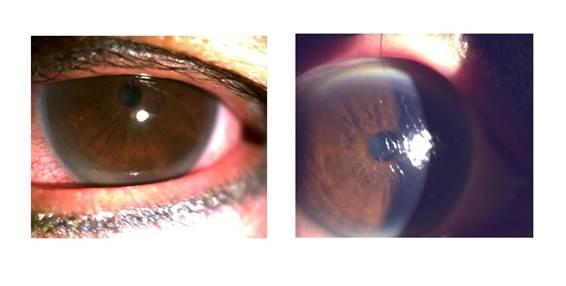
Dr. Wang Meng-Chi, a member of the American Society for Cataract and Refractive Surgery and the director of Trust Me Eye Center in Taiwan, shared this typical dry-eye case in an interview with The Epoch Times. He said that if dry eye develops to a severe stage, it can lead to corneal lesions.
Dry Eye Complications
According to Wang, common complications of dry eye should not be ignored. They include:
Causes of Dry Eye
Dr. Chien Ching-Min, a member of the American Academy of Ophthalmology and director of Kaohsiung Wufu Nobel Eye Clinic in Taiwan, told The Epoch Times that an increasing number of patients in his clinic experience dry, itchy, and painful eyes, some even with a burning sensation and persistent fatigue. Further questioning often reveals that their vision habits and lifestyles are in areas prone to dry-eye exacerbation. She introduced five common factors that trigger dry eye syndrome:
- Prolonged Screen Time: When we focus on a screen, our blinking frequency drops dramatically from the normal 15 to 20 times per minute to only five to seven times over the same period, leading to excessive tear evaporation.
- Low Humidity Environment: Air conditioning and heating significantly reduce indoor humidity, accelerating tear evaporation. Many offices, department stores, and airplane cabins have humidity levels below 30 percent, while a suitable humidity level for the eyes should be between 45 and 65 percent.
- Polluted and Allergen-Rich Environments: PM2.5, pollen, dust, and even perfumes and chemical cleaners in the air can irritate the eye surface, leading to abnormal tear secretion and tear film instability.
- Wind and Sun Exposure: Intense winds, direct sunlight, and elevated temperatures all accelerate tear evaporation, damaging the health of the ocular surface.
- Psychological Stress: In addition to external conditions, psychological stress is also a significant factor in dry eye syndrome. Stress increases cortisol secretion, which in turn affects the function of the lacrimal glands, reducing tear production. Prolonged stress can lead to autonomic nervous system dysfunction, interfering with tear production and drainage, and further triggering dry eye syndrome.
Environmental Factors to Ease Dry Eye Syndrome
In addition to improving vision habits and avoiding prolonged use of electronic devices, environmental factors such as computer placement, indoor lighting, humidity, and room furnishings are also important for improving dry eye syndrome.
Screen Position
Prolonged use of electronic devices is a common problem. Wang suggests that the screen should be placed 10 to 15 degrees below eye level, allowing the eyes to look naturally downwards, reducing the exposed area of the eyeball, and slowing tear evaporation. At the same time, the screen brightness should be adjusted to match the ambient light to avoid excessive brightness that can irritate the eyes.
Air Humidity
A dry, cold winter climate, combined with heating, can exacerbate dry eye syndrome. A large-scale study published in JAMA Ophthalmology in 2016 analyzed data from more than 16,000 Koreans and found that for every 5 percent increase in ambient humidity, the likelihood of experiencing dry eye symptoms and being diagnosed by an ophthalmologist significantly decreased.
- Indoor Humidification: It is recommended to place a humidifier in your usual daily activity area, or place a cup of hot water on your table, to increase local humidity using water vapor and reduce dryness and discomfort in the eyes.
- Outdoor Wind Protection: When engaging in outdoor activities, such as riding a motorcycle or bicycle, it is recommended to wear a full-face helmet or goggles to prevent cold wind from directly hitting the eyes, reducing tear evaporation.
- Green Plants and Home Design: The arrangement of the indoor environment also affects the degree of eye relaxation. Chien recommends placing potted plants such as golden pothos (Epipremnum aureum) and snake plant (Dracaena trifasciata) indoors.
“Looking at those green plants when you’re tired from work is like giving your eyes a spa treatment,” Wang said. You can also decorate your home with artificial plants, forest-themed green paintings, and a few dark green, lush green, or mint green cushions on the sofa, paired with light green curtains, to create a natural feel. Areas of low-saturation green can soothe tense eye muscles and provide a gentle, continuous eye-care effect.
Lifestyle and Daily Care
Daily routines and eye care efforts can also affect dry eye symptoms, Wang recommends:
- Warm Compress Care: For dry-eye patients, it is recommended to do warm compresses frequently. Warm compresses relieve eye fatigue and help keep the meibomian glands open, promote oil secretion, and improve tear film stability.
- Warm Towel Application: Five to 10 minutes of applying a warm towel to the eyes can promote blood circulation around the eyes and soothe discomfort.
- The 20-20-20 Rule: After approximately 20 minutes of screen time, look at other places at least 20 feet away for 20 seconds. Regularly shifting your visual focus helps relax your eyes and reduce dryness and discomfort.
- Adequate Sleep: Insufficient sleep affects tear production and the eye’s surface repair ability, making dry eye symptoms more likely to become worse.
- Eye Cleansing: After wearing eye makeup, clean your eyelids thoroughly to prevent inflammation that could affect meibomian gland function.
- Drink Plenty of Water: It is easy to neglect water intake in the winter. Drinking plenty of water keeps the body hydrated and helps with tear production.
Eye Exercises to Relieve Fatigue
Chien suggested three simple eye exercises to promote blood circulation around the eyes, reduce eye strain, and stimulate tear production:
- Eye Movement: Look upwards for five seconds, then downwards for five seconds. Then look left and right for five seconds each, and finally rotate your eyes clockwise and counterclockwise five times each.
- Alternating Near and Far Focus: Focus your gaze on a near object, such as your finger, for three seconds, then look at a distant object for another three seconds. Repeat 10 times to exercise the ciliary muscle and reduce eye strain.
- Blinking: Close your eyes lightly for two seconds, close them tightly for two seconds, open them for two seconds. This protective eye exercise takes only six seconds. Studies have found that dry eye patients who perform about 25 blinking exercises daily get relief from dry eye symptoms.
Stress Relief
In addition to relaxing the eyes themselves, mental health is also a key to improving dry eyes, Chien said. Try to set aside some time each day to do things you enjoy, such as deep breathing or meditation, light exercise such as yoga or walking, or listening to music and reading to relax your mind. Even crying when stressed is not a bad thing—in addition to releasing stress, it also provides temporary moisture to the eyes.
Eye-Protecting Diet
Wang also noted that proper nutrition helps maintain ocular surface health and the stability of the tear film. He recommends eating pumpkin, grapefruit, almonds, pomegranates, and cauliflower regularly, as well as other foods rich in vitamins A, C, E, and carotenoids. Vitamin A can increase ocular mucus secretion and accelerate corneal epithelial repair; vitamin E helps stabilize the tear film and promote corneal nerve regeneration.
TCM Herbal Tea
From a traditional Chinese medicine (TCM) perspective, there are diverse ways to regulate the eyes. Dr. Chou Tsung-Han, CEO of Han Ming Tang Chinese Medicine Clinic, told The Epoch Times that TCM holds that eye health is closely related to the functions of the liver, kidneys, and spleen. In that respect, maintaining sufficient energy and nutrients in the body is essential for keeping the eyes moisturized. If the body’s energy is unbalanced, with insufficient body fluids, excessive internal heat, or obstructed fluid circulation, dry eyes may result.
Goji Berry and Chrysanthemum Tea
Ingredients: 10 grams goji berries, 5 dried chrysanthemum flowers