

How Does Sucralose Disturb the Immune System?
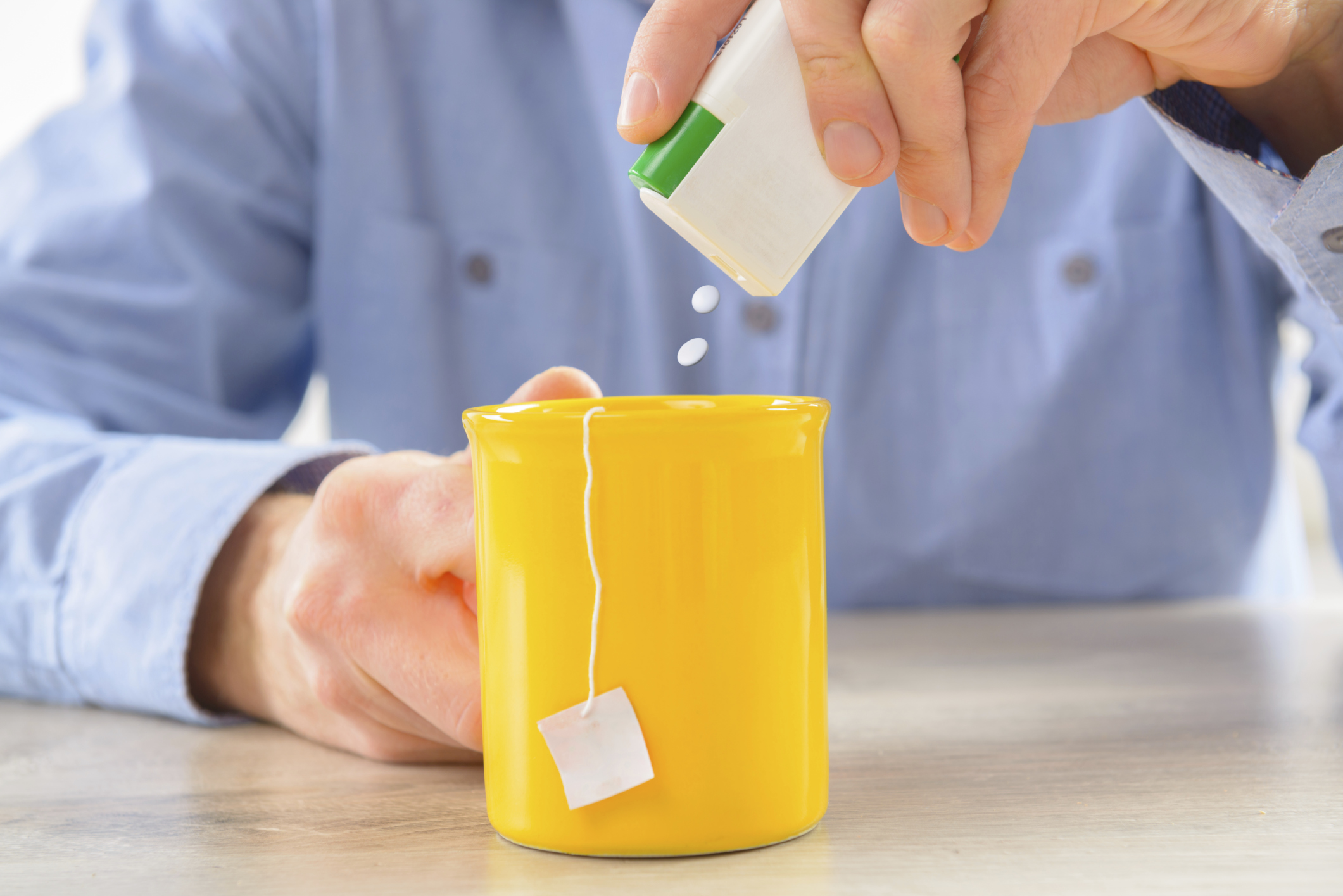
Over 140 million Americans use sugar substitutes. These biochemicals undergo rigorous tests for stability, safety, and toxicology to gain FDA approval.
5 Healthier Sugar Alternatives
Regarding sugar substitutes, there are various options available, each with its advantages and disadvantages. While no perfect sugar substitute exists, several alternatives offer similar qualities.
1. Stevia
Derived from the leaves of a South American plant, stevia is a few hundred times sweeter than sugar.
2. Xylitol
Like many other sugar alcohols, xylitol shares a similar sweetness to sugar and offers additional advantages, such as reducing tooth decay.
3. Erythritol
Tasting almost like sugar, erythritol does not cause spikes in blood sugar or insulin levels, making it suitable for diabetics. Unlike xylitol, this sweetener is less likely to cause digestive issues.
4. Honey
Raw honey with no added sugar is rich in antioxidants, benefits blood sugar control, reduces throat irritation, and offers a pleasant taste. It is essentially pure sugar derived from flower nectar and is a surprisingly close substitute to real sugar. Unheated raw honey has more benefits, as it contains live enzymes.
5. Monk Fruit Extract
Made from a fruit native to Southeast Asia, monk fruit extract is approximately 250 times sweeter than sugar without the calories or carbohydrates.
Tips to Reduce Sugar Intake
To prevent potential health issues associated with excessive sugar consumption, developing a balanced approach to sugar cravings from an early age is crucial. This is to proactively prevent the potential adverse health effects at their source rather than addressing the consequences after they have already occurred. Excessive sugar intake contributes to obesity, dental problems, and an increased risk of chronic conditions such as Type 2 diabetes.
- Offer a balanced diet: Provide a variety of nutritious foods, including fruits, vegetables, whole grains, lean proteins, and healthy fats, to develop diverse tastes.
- Limit sugary beverages: Encourage water as the primary choice and reduce consumption of sodas, fruit juices, and sports drinks as they are often high in added sugars.
- Control portion sizes: Teach moderation by serving sweets and desserts in small quantities.
- Educate about nutrition: Teach children the importance of a balanced diet and the potential adverse effects of excessive sugar consumption. Emphasize that sweets should be enjoyed in moderation as occasional treats.
- Explore healthier alternatives: Introduce naturally sweet foods like fruits, which provide essential nutrients and natural sugars. Experiment with healthier dessert options such as homemade fruit popsicles or yogurt parfaits.
- Focus on other rewards: Celebrate achievements or milestones with outings, fun activities, or small gifts instead of relying on sugary treats.
Remember, every child is different, and it’s important to balance promoting healthy eating habits and allowing occasional indulgences. It’s about fostering a lifelong relationship with food that prioritizes nutrition while leaving room for enjoyment.