
In my years of teaching Advanced Placement English Literature to seminars of homeschooling students, several times, students asked me, “Mr. Minick, why are so many of the novels we read so depressing?”
The novels in question were standard titles taken from the AP list and ones I happened to admire, like F. Scott Fitzgerald’s “The Great Gatsby” and Ernest Hemingway’s “The Sun Also Rises.”
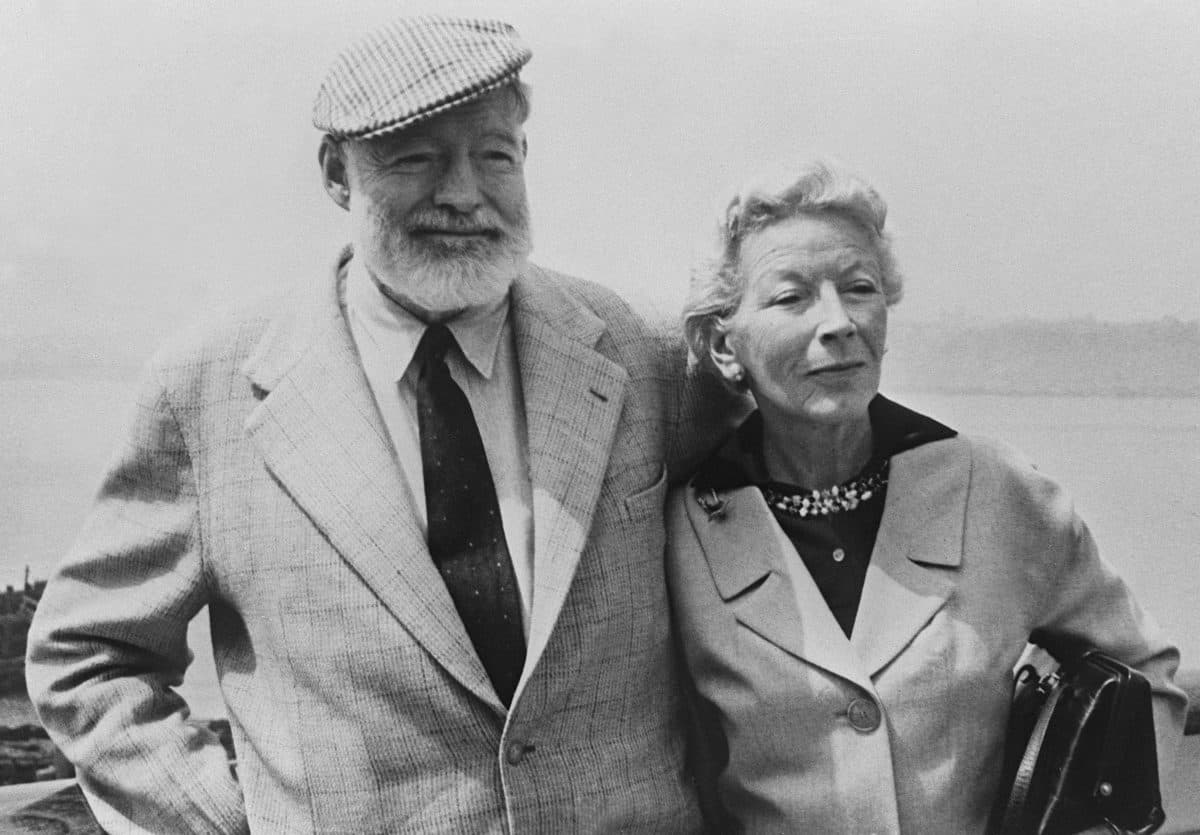
Picture dated in the 1960s showing American writer Ernest Hemingway with his wife on board the Constitution crossing the Atlantic Ocean toward Europe. (AFP/Getty Images)
Yet in the decade that has passed since my teaching days, my opinions have shifted. Fitzgerald’s style and way with words will always sparkle for me, and Hemingway’s own terse style heavily impacted 20th-century writing, but their stories and those of many other writers we visited in class rarely ended happily. To be fair, a century of world wars, genocide, the Great Depression, the atomic bomb, totalitarian governments, and a Cold War doubtless had an effect on fiction along with every other hope of mankind.
Recently, I remembered the comments of those students when I came across a list of the 100 best 20th-century novels in English created by Emery-Pratt, a Michigan-based book distributor. Many readers will recognize a substantial number of these titles and authors, but a quick rundown reveals that only a small percentage of them might qualify as uplifting or making the reader happy to be alive and a human being.
In an insurrectionary mood fueled by this list and others like it, I pulled six novels and one literary jewel from my shelves—books that I’ve read and, in some cases, taught—which don’t fit this mold of disillusionment and despair. Here are well-written classics for teens and adults that take a relatively positive view of our human personhood.
Dodie Smith’s ‘I Capture the Castle’
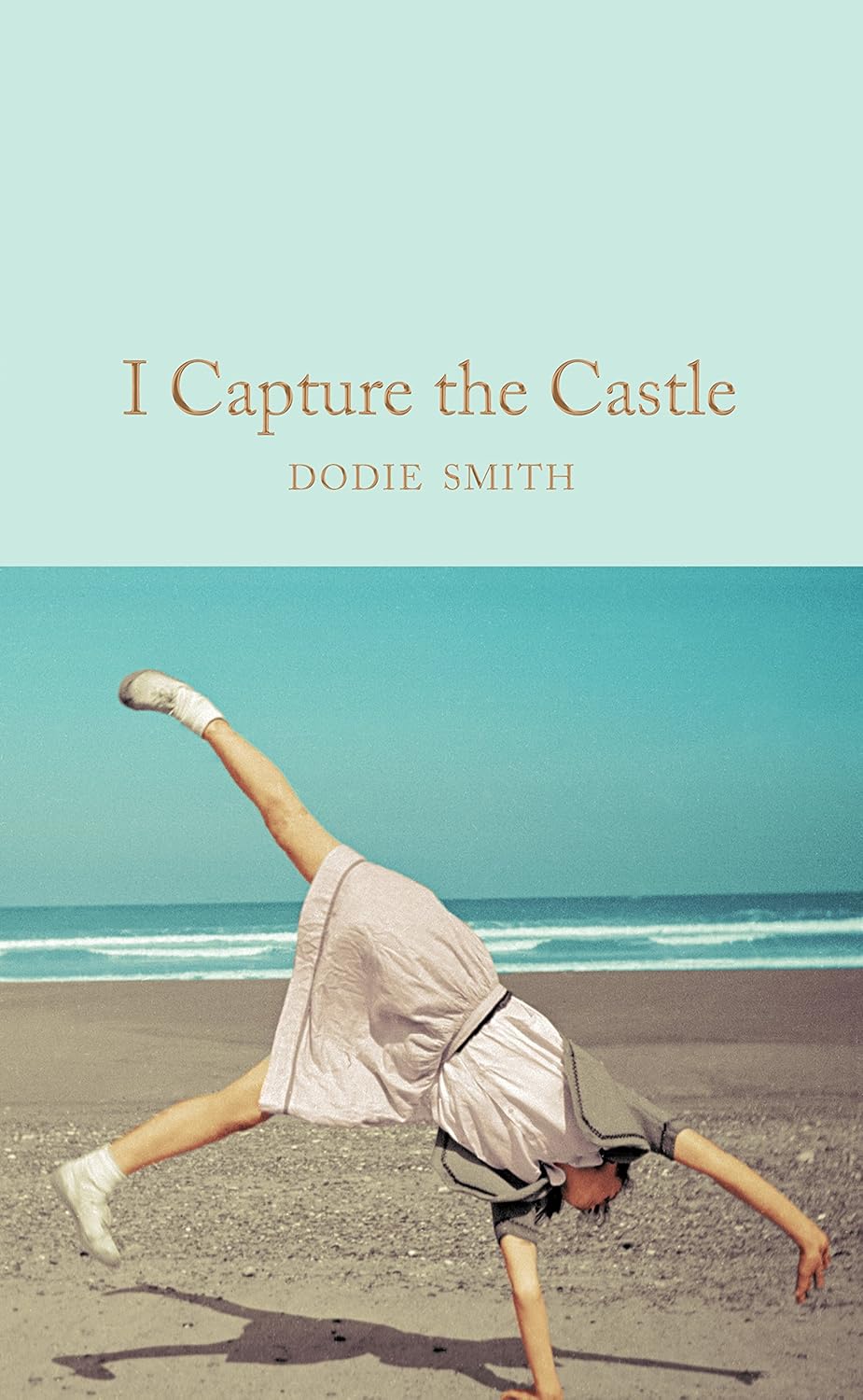
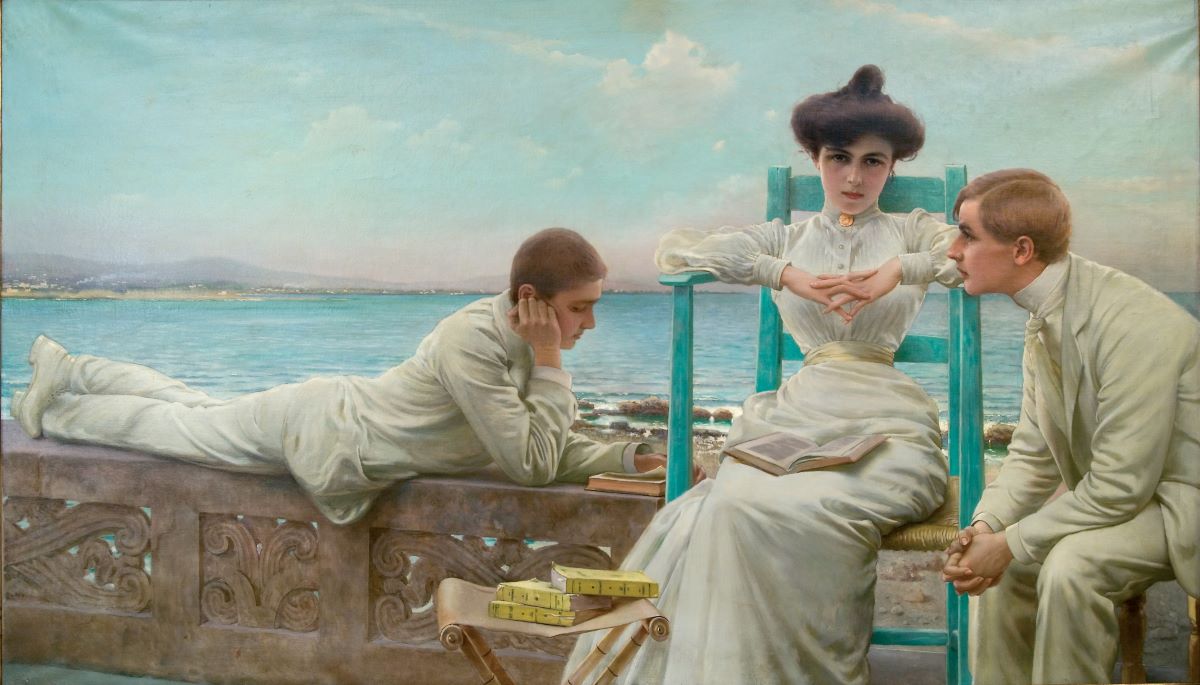
Wannabe writer Cassandra Mortmain, 17, lives with her father, who is a published author, her sister Rose, and her stepmother Topaz in near poverty in a dilapidated English castle. Dodie Smith captures Cassandra’s spirit immediately with this opening line: “I write this sitting in the kitchen sink. That is, my feet are in it; the rest of me is on the draining-board, which I have padded with our dog’s blanket and the tea-cosy.” Romance takes a hand in the sisters’ lives when two young, wealthy Americans become their new landlords.
Humor, romantic intrigue, and Cassandra’s keen observations are the hallmarks of this neglected classic.
Charles Portis’s ‘True Grit’
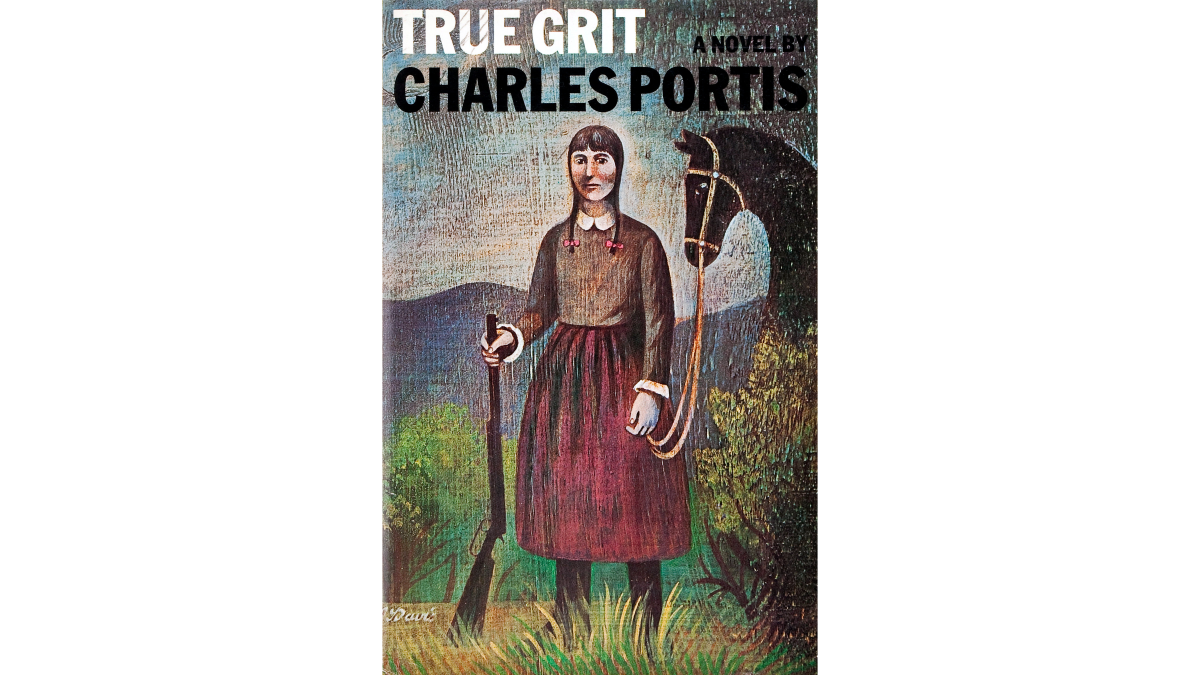
Many people have seen the movies based on this novel, one with John Wayne and the other with Jeff Bridges, but Charles Portis’s written portraits of 14-year-old Mattie Ross, the aging one-eyed Rooster Cogburn, and the Old West need to be read to be fully treasured. As the unlikely team of Mattie, Rooster, and a Texas Ranger hunt down the murderer of Mattie’s father, her no-nonsense moral pronouncements and Rooster’s bravado and storytelling make this a memorable saga of a quest for justice. Here, the good guys do win in the end.
At one point, speaking of stories, Mattie Ross says: “Nothing is too long or too short either if you have a true and interesting tale and what I call a ‘graphic’ writing style combined with educational aims.” Portis gives us that tale and the style to go with it.
Chaim Potok’s ‘The Chosen’
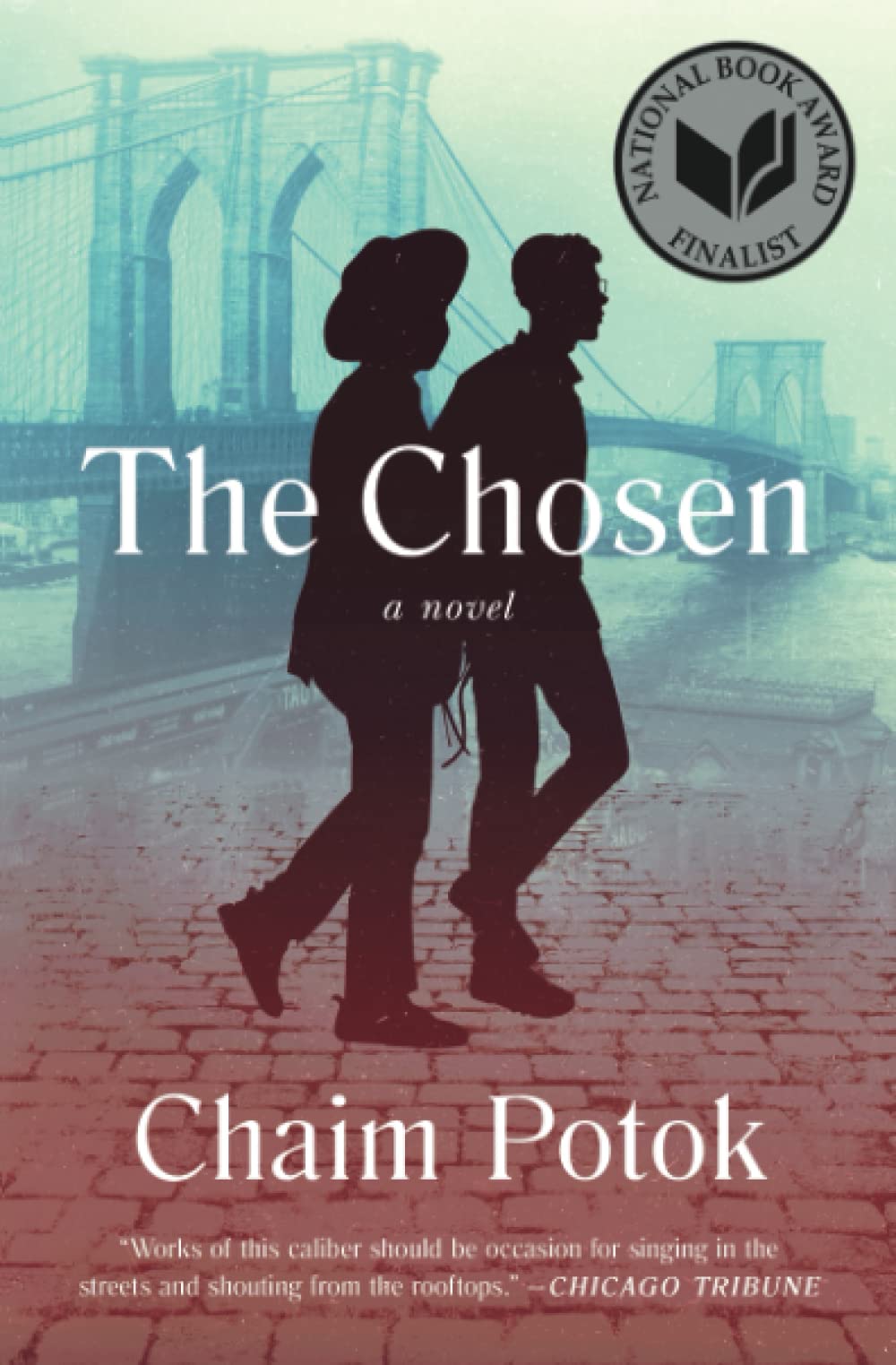
Reuven Malter is a young Orthodox Jew whose father is a scholar and a writer who advocates for a Jewish state in Israel. Reb Saunders, the leader of a small Hasidic sect, opposes a Jewish state. He is training his son, Danny, to take his place. After a rough start—during a baseball game, Danny’s line drive breaks Reuven’s glasses and a splinter of glass enters his eye—the two teens embark on a friendship. Themes of the book include overcoming divisions and prejudices, loving one’s neighbor, fatherhood, discerning the opinions and beliefs of others, and, most unusually, the part silence plays in communication.
If you enjoy this book, try Chaim Potok’s “My Name Is Asher Lev.” Here, the theme is the clash between faith and art, between tradition and individual freedom.
In the classes I once taught were devout Protestant and Catholic students who were still debating, sometimes fiercely, issues from the Reformation. “The Chosen” served as an excellent vehicle for teaching and discussing religious differences and conflict in a neutral fashion.
C.S. Lewis’s ‘Till We Have Faces’
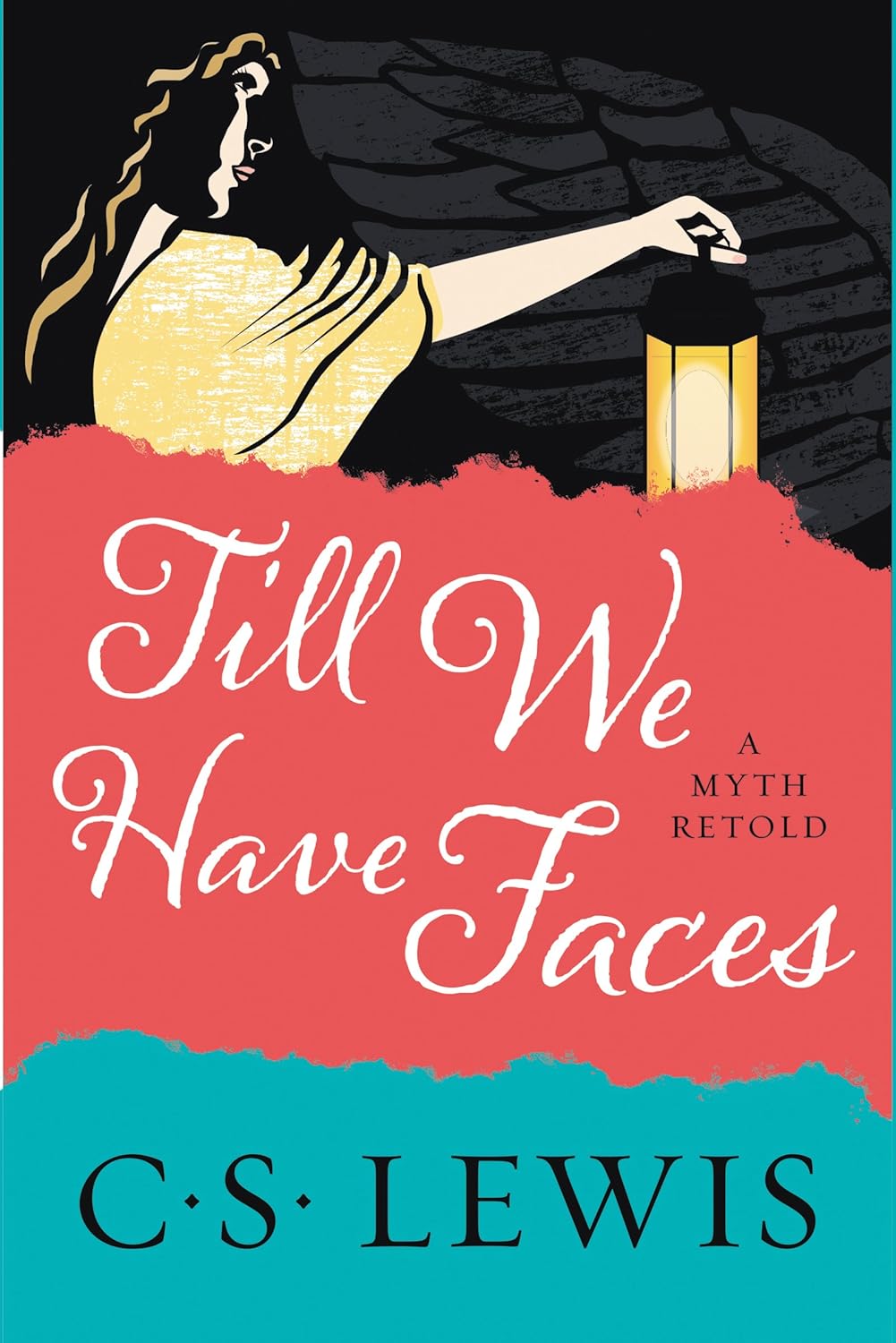
Many readers identify Lewis as primarily a Christian writer, meaning that some take a pass on his books. In this novel, however, Lewis delivers a brilliant take on the myth of Cupid and Psyche. God and the gods are still a part of the mix, but the book focuses on the royal Orual, half-sister to Istra, nicknamed Psyche. Here are a multitude of themes: envy, power, the true meaning of love, guilt, and loss. Some have called it a dark novel, which applies in some ways, but instead of rousing despair, this story leaves the readers with hope and wrestling with questions. It’s fiction that can be read and read again, always providing new insights.
Near the end of the book, for instance, Orual undergoes a trial whereby she accuses the gods of cruelty and injustice. At one point she speaks to her old mentor, nicknamed the Fox, raising a commonplace question:
“Are the gods not just?”
“Oh no, child. What would become of us if they were? But come and see.”
This was Lewis’s last novel, which many, including me, consider his masterpiece.
Lucy Montgomery’s ‘Anne of Green Gables’
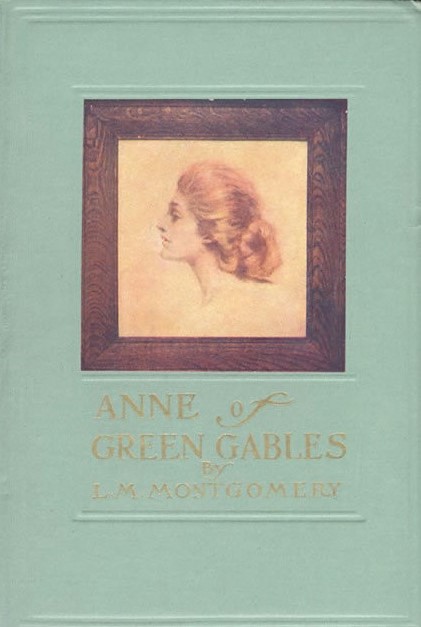
Some readers may be thinking, “What’s a kid’s book doing on this list?” Yet Montgomery didn’t write “Anne” for adolescents but for audiences of all ages, and readers of her day obliged by considering it as such. A friend recommended it to me a few months back, and after finishing it, I came away impressed both by the beautiful writing and by the story. Another friend to whom I then recommended the book was similarly impressed.
Of the works I’ve listed here, this novel is probably best-known. But if you haven’t read it, give it a try. You may be in for a pleasant surprise.
Like “Anne of Green Gables,” Eleanor Porter’s 1913 novel “Pollyanna” was originally intended for readers of all ages and became a bestseller, so much so that many people, adults and adolescents, played Pollyanna’s “Glad Game.” I came away from this one wondering whether our 21st-century culture might not benefit from a version of Pollyanna’s game.
P.G. Wodehouse’s ‘The Code of the Woosters’
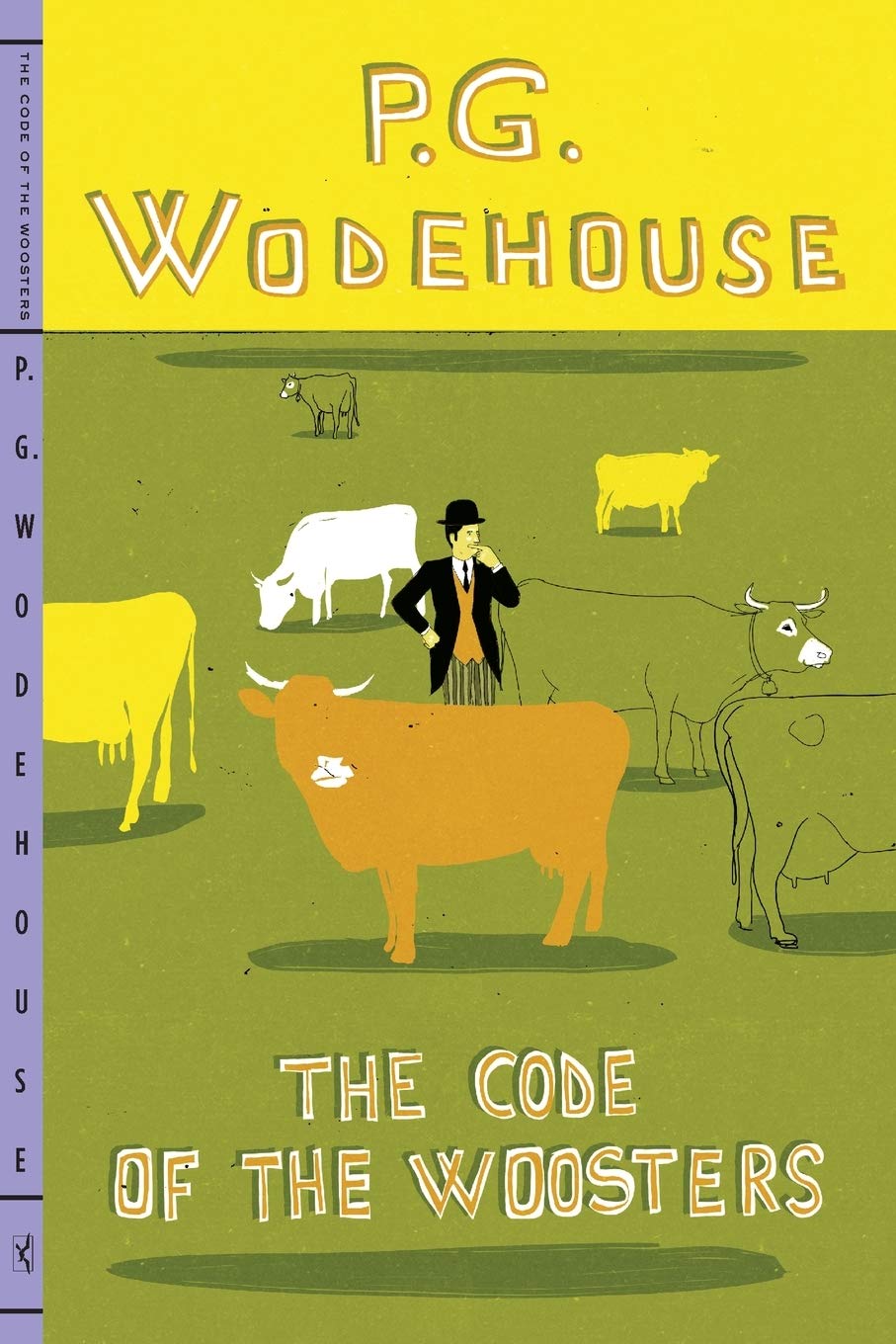
Wodehouse’s vast production can be overwhelming, but lots of people start either with this novel or with his short stories. Whatever launchpad you use, these stories of one of literature’s great duos, Bertie Wooster and his valet Jeeves, should bring you laughter, delight, and some insights into the human condition. The bumbling Bertie and his friends often land themselves in a bucket of trouble, only to be pulled out by the inimitable and imperturbable Jeeves. Regarded as a master of the short story, Wodehouse is also a writer whose narrative zips along with the timing of a great comedian.
At one point in “The Code,” Bertie says of another character, “I could see that, if not actually disgruntled, he was far from being gruntled.” Read Wodehouse, and you should, at the very least, find yourself “gruntled.”
Helene Hanff’s ‘84, Charing Cross Road’
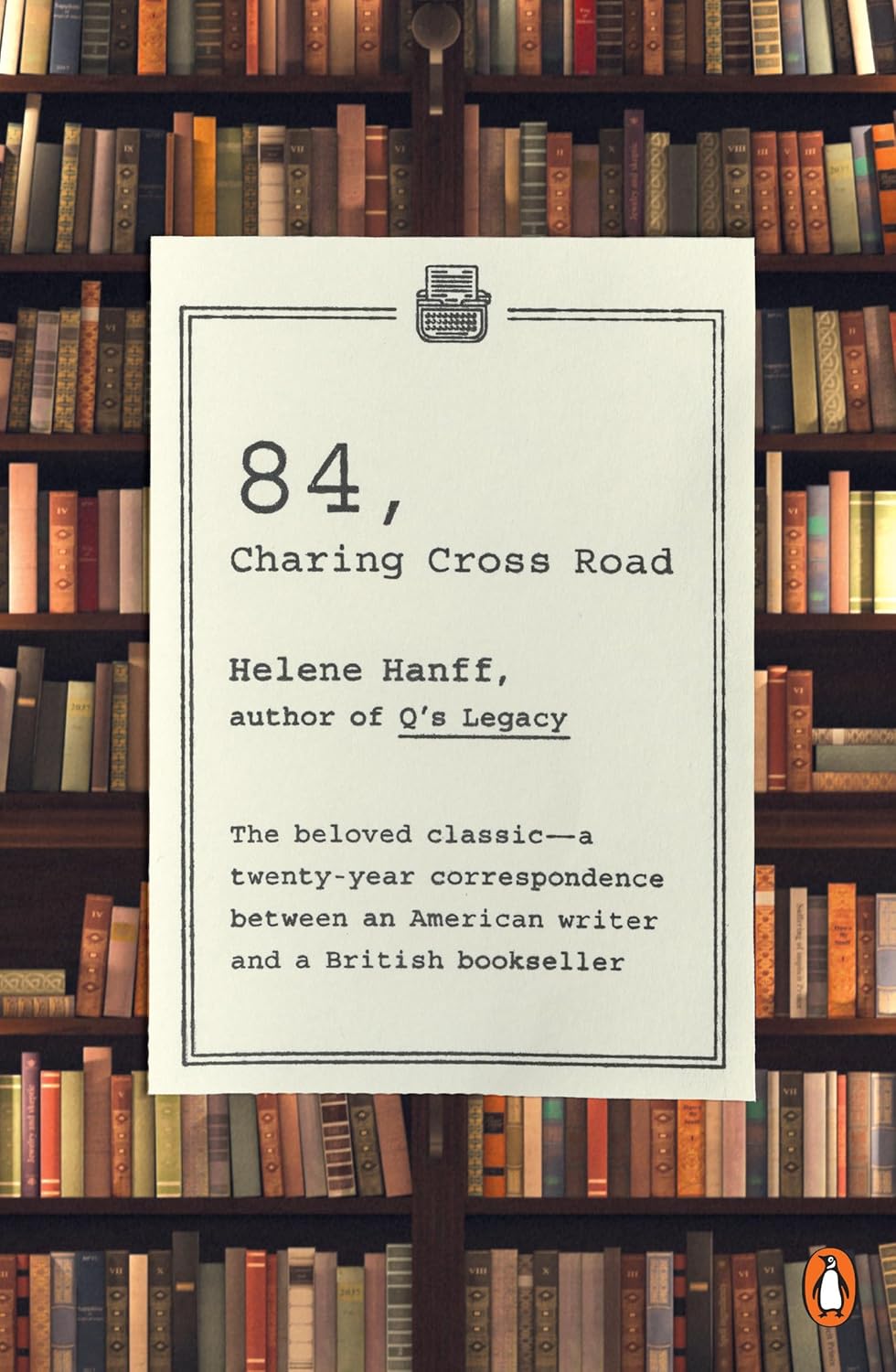
This gem is not a novel, but an epistolary memoir from the post-World War II period when New Yorker Helene Hanff begins ordering rare books from Marks & Co., an antiquarian bookshop on London’s Charing Cross Road. This yearslong exchange evolves into a tender and sweet comradery between Hanff and the staff, especially Frank Doel. This collection of letters reminds us of the adventure of reading and the value of good friends.
As Hanff writes to a friend who is on her way to London: “If you happen to pass by 84 Charing Cross Road, kiss it for me! I owe it so much.”
Many other 20th-century books can lift us up while still depicting struggles and hard times, that can give us strength and make us laugh at our foibles rather than fall into despair. Catherine Marshall’s “Christy,” Margaret Mitchell’s “Gone With the Wind,” W. Somerset Maugham’s “The Painted Veil,” Larry McMurtry’s “Lonesome Dove,” the Westerns of Zane Grey and Louis L’Amour: These are only a few of the stories featuring characters we admire and that end with hope and a celebration of the human spirit.
With those books in mind, I invite readers to go to the “Comments” section and share with others a novel or two that you’ve found equally positive and enlightening.
What arts and culture topics would you like us to cover? Please email ideas or feedback to features@epochtimes.nyc