
As Iran’s biggest trading partner and largest oil purchaser, China tops the list of countries that could face an additional 25 percent tariff after President Donald Trump’s Monday announcement.
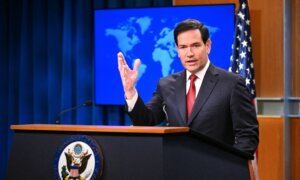
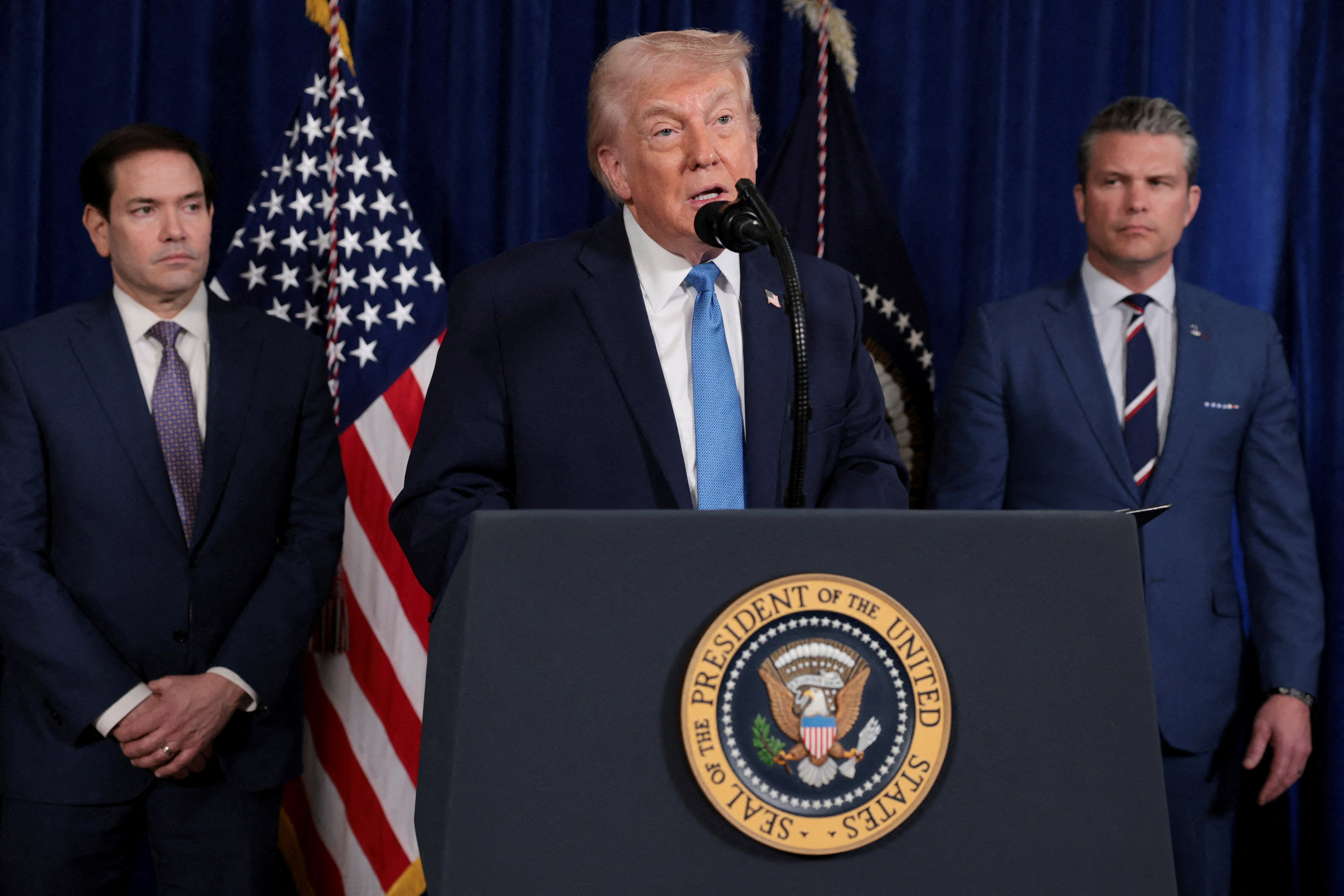
Trump posted on Truth Social that all countries doing business with Iran will pay a 25 percent tariff “on any and all business being done with the United States,” hours after signaling that airstrikes or other measures against Iran were on the table.
The White House has not yet published an executive order detailing the new tariff, and Trump has not provided additional details.
According to World Bank data, China accounts for 27.72 percent of Iran’s trade, with Iran also purchasing 26 percent of its goods from China.
China is the biggest buyer of Iranian oil, accounting for more than 80 percent of purchases. Iran has a limited market already due to U.S. sanctions aimed at curbing Iranian nuclear development, allowing China to acquire Iranian oil at a discount. The oil is often transported to China through what the U.S. Treasury calls a “shadow fleet” of vessels flying false flags and making risky transfers to dodge penalties.
According to global trade analytics company Kpler, China purchased 1.38 million barrels per day of Iranian oil in the first six months of 2025, compared with 1.48 million barrels per day in all of 2024.
The Chinese and Iranian regimes have been close allies for decades, with China providing key assistance to Iran in its nuclear development. The regimes signed secret nuclear research agreements in 1985 and 1990, the details of which became known in the years that followed, according to a 2013 U.S.–China Security Review Commission report.
Under pressure from the United States, China in 1995 agreed to stop selling nuclear reactors to Iran, but was still involved in other nuclear development activities, such as developing a uranium conversion facility, according to the congressional report. After several rounds of high-level negotiations, China in 1997 agreed not to engage in new nuclear projects with Iran.
China has also been a key supplier of arms to Iran for decades. It signed a 10-year military technology exchange deal with Iran in 1990, but is believed to have sold Iran arms through proxy nations for many years prior to the agreement, according to the report.
Chinese entities have been sanctioned several times, beginning in 2002, for providing missile-related goods to Iran, and there have been dozens of reports over the years of Chinese assistance in building missile-related facilities in Iran.
In March 2021, China and Iran signed a 25-year cooperation agreement, which drew international criticism.
A 2021 U.S.–China Economic and Security Review Commission staff research report found that Iran views China as one of the only world powers to provide it a buffer against the United States, whereas China’s view is more opportunistic, as it has at times supported Iran’s adversaries in the region.
Iran is also a member of China’s flagship Belt and Road Initiative and the Shanghai Cooperation Organization, an international bloc founded to counter Western influence.
According to the report, China benefits from the United States focusing its attention on Iran and the Middle East, buying the regime time to expand in the Indo-Pacific.
But potential conflict between Iran and the United States was a key limiting factor of this partnership, according to the report, because it could jeopardize China’s energy security—a scenario that may now be playing out.
Iran’s other trading partners include the United Arab Emirates, Turkey, India, Germany, South Korea, and Japan.
Reuters contributed to this report.