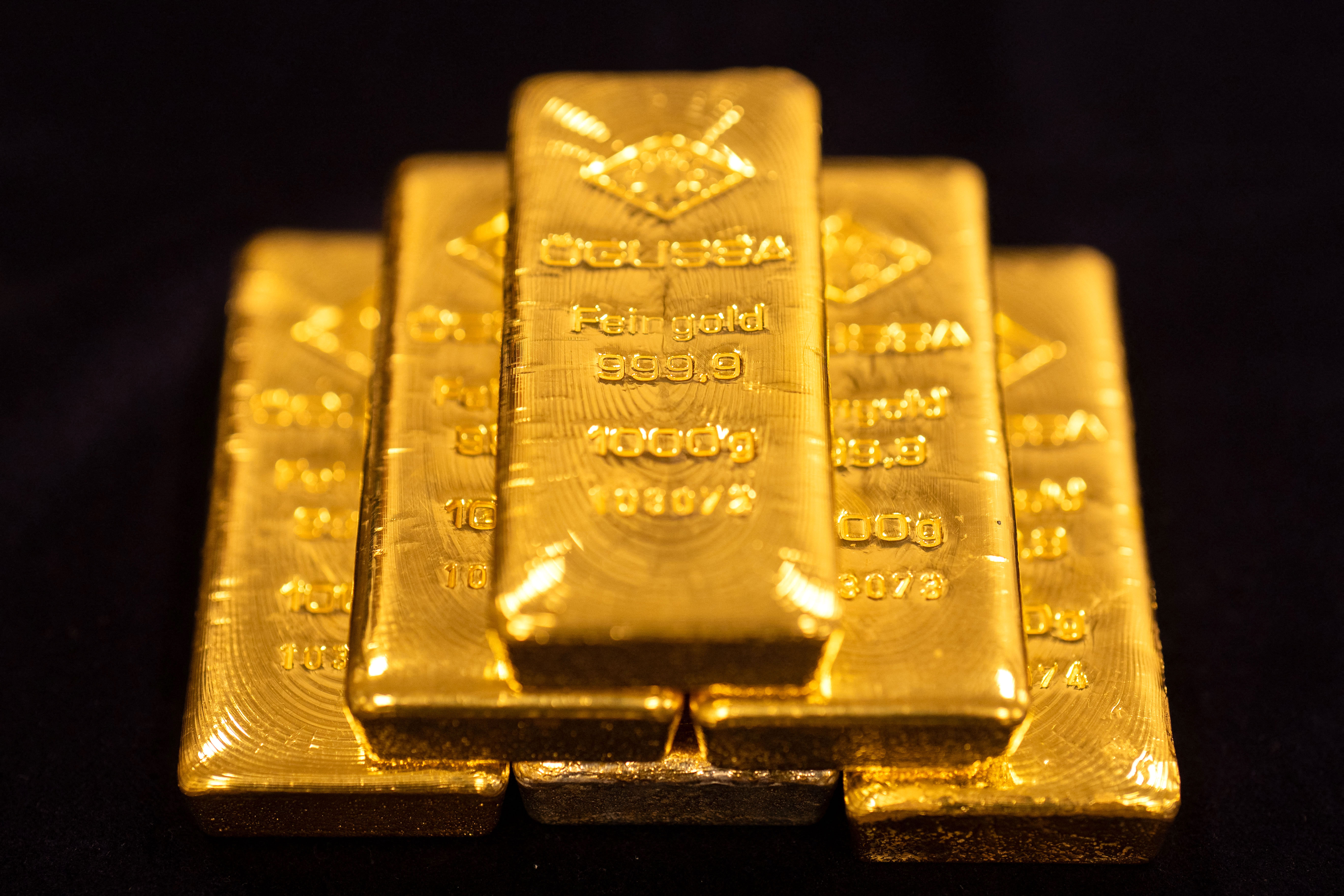

Central banks worldwide purchased a net 23 metric tons of gold in July, in line with the overall yearly trend, according to the World Gold Council (WGC).
The largest buyer last month was China, which bought 20 metric tons, according to a Sept. 3 WGC report.
“Notably, activity from the People’s Bank of China (PBoC) has picked up pace in recent months, with double-digit monthly purchases of gold since May 2026,” the report said.
Poland purchased 8 metric tons and was the second-largest buyer.
Russia was the top net seller, with 6 metric tons sold. This was followed by Turkey, Uzbekistan, and Jordan, all of which sold 1 metric ton each.
Year-to-date, global central banks reported purchasing 130 metric tons of gold, down from roughly 160 metric tons during the same period in 2025. Poland has added 90 metric tons this year, and China has bought 60 metric tons. Turkey has sold 85 metric tons, and Russia’s sales total 50 metric tons.
Central banks account for roughly 20 percent of all historically mined gold, according to the WGC. Bullion serves as a vital bank reserve asset, valued for its liquidity, safety, and potential returns. In times of uncertainty, gold demand tends to rise.
According to a June 16 WGC report, a survey of central banks found that 89 percent of respondents forecast that global central bank gold reserves would rise over the year.
As for funding, half of the respondents said they would procure the gold locally by using domestic currencies. Thirty-eight percent said they would sell other reserve assets to purchase gold.
“The majority of respondents (74 percent) see moderate or significantly lower US dollar holdings within global reserves over the next five years,” the report said.
“Respondents also believe that the share of other currencies, such as the euro and renminbi, will remain unchanged over the same period, while gold holdings will increase.”
Goldman Sachs predicts that central bank buying will support the rise in gold prices, according to an Aug. 28 report. Such purchases are being driven by a need to diversify their reserves.
In 2022, the G7 nations froze Russia’s assets held in Europe because of Moscow’s invasion of Ukraine. Since then, the central banks have been buying gold at an increased rate, according to Goldman Sachs.
Spot gold ended Sept. 4 at about $4,430 per ounce, up from about $4,329 at the beginning of the year. Gold hit a peak of roughly $5,595 in late January.
Unable to Withdraw Gold
The Sept. 3 WGC report cites a conflict between Venezuela and the Bank of England over gold reserves.
The Venezuelan government has roughly $4 billion of gold stored with the bank and has sought to withdraw it. However, because the UK has refused to recognize Venezuela’s socialist government, the country has been unable to secure its gold reserves.
According to the June 16 WGC report, central banks are continuing to diversify the locations of their gold reserves. The Bank of England remained the top choice, domestic storage was a close second, and the Bank for International Settlements was in third place.
This week, the Netherlands’ central bank announced plans to shift roughly 86 metric tons of gold from the United States and Canada to London, citing geopolitical risk.
Ewa Manthey, commodities strategist at ING Bank, highlighted the risk faced by certain nations that store gold abroad, citing Venezuela’s inability to retrieve its gold from the Bank of England, according to a Sept. 4 opinion on the company’s website.
“This case is exceptional—but it shows that the host country’s courts and political recognition decisions can affect access to reserves,” Manthey said.
“Gold held at the Bank of England remains the property of the foreign central bank, but it is physically located in the UK and is therefore subject to UK jurisdiction.”