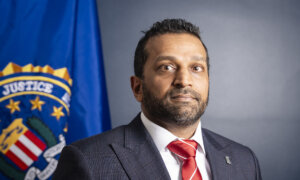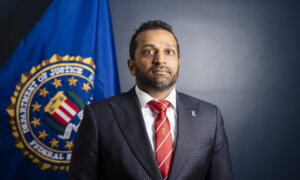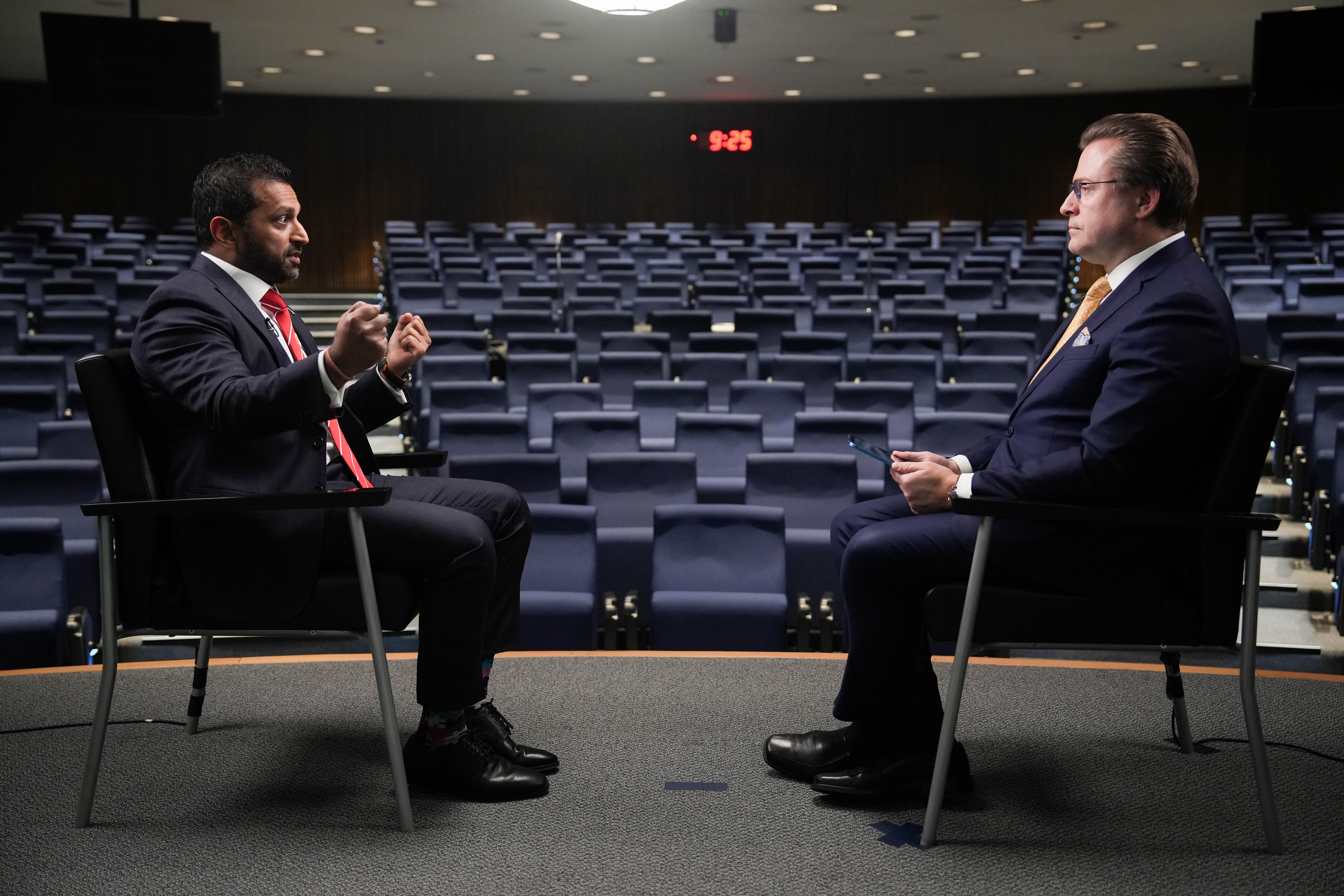


FBI Director Kash Patel has said that with Beijing shutting off exports of fentanyl precursor chemicals, cartels in Mexico, Venezuela, and Colombia are scrambling to find alternatives—and there aren’t any.
“We know where they are, we know who they are, we know how they do it. And when we surveil and monitor and investigate these folks, we see that they are complaining about not having the necessary ingredients and mechanics to make fentanyl,” Patel said in an exclusive interview airing at 5 p.m. ET on Nov. 29.
“That is an immediate impact that they haven’t complained about in years.”
In early November, Patel traveled to China for a meeting on the logistics of how Beijing would make good on its agreement to curb fentanyl precursor exports after the U.S.–China bilateral meeting in South Korea. It resulted in export bans on 13 fentanyl precursors and seven additional chemicals.
Domestically, the FBI under the Trump administration is cracking down on violent crime—in what Patel describes as a “sea change” in approach—by empowering local offices and increasing staffing nationwide. The result is 30,000 arrests this year, including 25,000 violent offenders, or twice as many year-to-date, and a sharp drop in the murder rate, according to the FBI director.
Some of these priority missions—fentanyl, human trafficking, and financial crimes—require international cooperation.
Global Fentanyl Network
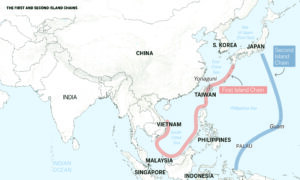
Patel said the fentanyl issue is a global one, referencing his recent Asia trip that had several stops beyond China.
“It doesn’t just rest with China. We’ve worked brilliantly with our partners in India to stop the transshipments there. We went to Japan on this trip for the same reason,” he said.
The Japan trip led to law enforcement cooperation and agreements allowing extradition to the United States “for the first time in five years,” Patel added.
Stopping the flow of precursors had immediate results, according to Patel.
“That pipeline being shut off is forcing drug traffickers to scramble, which we’re seeing, for alternatives,” Patel said. “And here’s the good news: they know, and we know, there aren’t any. That’s why we came up with this list.”
Near the end of the first Trump administration, the president secured an agreement from Beijing to restrict the export of fentanyl to the United States. Subsequently, fentanyl trafficking exploded because Chinese chemical companies began selling precursors and pill presses to traffickers in Mexico.
“This is step two in the second administration, shutting off the precursors, because we literally cut the snake off at the head,” Patel said.
China Trip
Patel said his meeting with his counterpart in the Chinese Ministry of Public Security was “a bit of a surreal experience.”
He prefaced the meeting by saying he knew the Chinese side would not 100 percent agree on issues, but their mission, as given by their respective heads of state, was “shutting down the fentanyl precursors that the drug trafficking organizations are using down in Mexico to kill Americans, and we reached that agreement immediately.”
Patel said he had engaged with Chinese law enforcement on fentanyl for six months before making the trip, through phone and video calls. This had also resulted in a few fentanyl precursors being restricted for export on Sept. 1, before Beijing issued wider restrictions on Nov. 10.
“We were successfully able to shut off all 13 precursors that make fentanyl and regulate fully seven additional chemicals that alter fentanyl to make it a lethal, addictive drug,” Patel said.
Patel noted that Beijing’s cooperation is tied to a reduced fentanyl tariff—10 percent instead of 20 percent—and ongoing communications are in place to ensure the regime keeps its word this time.
“They are going to have to come to the table and continuously show the results with us,” Patel said. “If I got to go back, I'll go back.”
He added that the administration’s approach to the fentanyl crisis has been a “whole-of-government” effort and that he is the point of contact with Beijing on adhering to this agreement.
“If you guys violate this, I’m going to go call Scott Bessent at [the Treasury Department]. I’m going to go call Pete Hegseth at [the Department of War],” Patel said. “It is a collaborative effort, with sanctions also being applied by our partners in Treasury and [Office of Foreign Assets Control] designations.
“We’ve taken a whole-of-government approach to ensure that they’re going to adhere to this, and if they don’t, we'll be the first ones to call it out.”