

A heart attack can happen in minutes. The changes that set it up may unfold quietly for decades.
Cholesterol is a familiar part of that story. Less visible is what happens inside the artery wall: how cholesterol-carrying particles become trapped, how inflammation develops, and how the lining that keeps blood flowing smoothly begins to lose its protective function.
In an interview on Vital Signs, neuroscientist and biochemical researcher Dayan Goodenowe emphasized this often-overlooked side of cardiovascular health. He argues that understanding cellular stress and the condition of blood vessels can reveal more than a cholesterol reading alone.
His perspective raises a useful question: What else should we understand about heart health beyond the numbers on a lab report?
Inside the Artery Wall
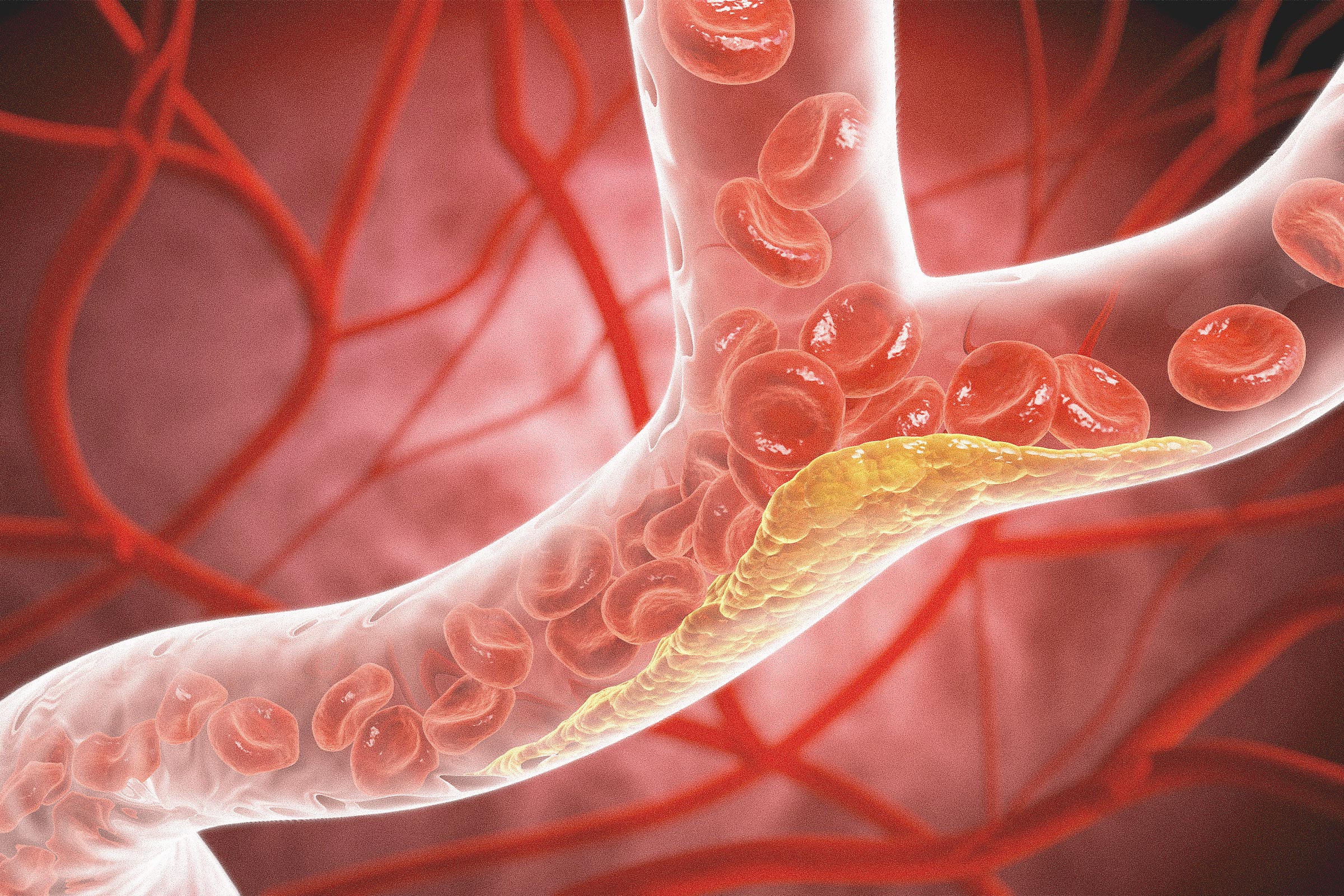
Blood vessels are lined with a thin layer of cells called the endothelium. Far from being a passive covering, this lining helps blood vessels relax and constrict, regulates the movement of substances into the vessel wall, and helps keep blood flowing.
“What happens in atherosclerosis is endothelial dysfunction,” Goodenowe said. “The tightness of those cells becomes disrupted. They become leaky, and material from the blood leaks through the endothelial layer.”
He emphasizes oxidative stress—a condition in which reactive molecules can overwhelm the body’s protective defenses—as a contributor to this dysfunction. Smoking, high blood pressure, diabetes, and other factors can also impair the artery lining.
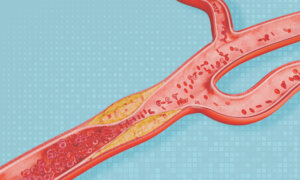
At the same time, LDL particles circulating in the blood can enter and become retained in the artery wall. There, they can undergo changes, including oxidation, and provoke an inflammatory response. Immune cells take up these particles, contributing to the fatty deposits that develop into plaque.
These processes reinforce one another: Lipid accumulation, inflammation, and changes in the artery wall help drive disease forward.
As plaque grows, it can narrow an artery and limit blood flow. A heart attack may result from a vessel gradually closing. A plaque can rupture or erode, triggering a clot that suddenly blocks the blood supplying the heart. A blockage in an artery supplying the brain can cause an ischemic stroke.
Why the Body Needs Cholesterol
Despite its reputation, cholesterol is essential to life. It helps maintain cell membranes and provides the raw material for steroid hormones, bile acids, and vitamin D.
Healthy cells can make the cholesterol they need. When cells are strong and functioning normally, they produce cholesterol internally and export excess amounts through high-density lipoprotein (HDL), often called “good cholesterol.” Higher HDL levels reflect cells that are working properly and a system in which cholesterol is efficiently shared and recycled throughout the body.
The picture changes when cells are under stress.
“When cells can’t produce enough cholesterol on their own,” Goodenowe said, “they pull cholesterol from the bloodstream through the LDL system.” As a result, blood cholesterol levels—especially LDL—can drop.
“Low cholesterol or low LDL means your cells are biochemically weakened,” he said. Low levels often signal deeper cellular problems and underlying diseases.
Cohort studies show low LDL is associated with higher risks of cancer, infections, intracerebral hemorrhage (bleeding directly into the brain tissue), and all‑cause mortality. In acute myocardial infarction (heart attack) and other severe illnesses, lower LDL or total cholesterol at presentation is frequently seen in older, frailer patients with more comorbidities and worse prognosis.
Importantly, these observations do not mean that lowering LDL is inherently harmful or that cholesterol reduction should be avoided. Statins have consistently been shown to reduce the risk of heart attacks and other cardiovascular events, even among people with relatively low LDL levels. Their benefits extend beyond lowering cholesterol, as statins also reduce inflammation, stabilize arterial plaques, and improve vascular function.
Why LDL Alone Doesn’t Tell the Whole Story
Focusing on a single cholesterol number often fails to capture the real biology of heart disease, which involves cell health, endothelial dysfunction, genetics, inflammation, and many other complex factors.
LDL becomes harmful primarily in the presence of oxidative stress and inflammation. “If LDL is elevated and oxidative stress is present,” Goodenowe said, “you’re more likely to generate oxidized LDL”—the form that actually damages arteries. Without that oxidative environment, LDL is far less dangerous.
This helps explain why people with similar LDL levels can have very different cardiovascular outcomes—one person may remain well for decades, while another develops heart disease or stroke.
It’s not the cholesterol number that matters most—it’s the health of the cells and the biochemical environment surrounding them.
Making Sense of the U-Shaped Curve
When cholesterol is evaluated against all-cause mortality—the total number of deaths from any cause within a population—a striking pattern emerges.
Numerous cohort studies report a U-shaped curve between total cholesterol and all-cause mortality, where both very low (below 160 to 200 milligrams per deciliter) and very high (above 250 milligrams per deciliter) levels correlate with elevated death rates, with the association often strongest among older people or specific groups such as people with high blood pressure (hypertension).
Lower cholesterol is often linked to higher rates of noncardiovascular deaths, such as cancer and infections, while higher cholesterol is more strongly associated with cardiovascular events.
According to Goodenowe, the lowest overall mortality tends to cluster around these ranges:
Total Cholesterol: 220 to 240 milligrams per deciliter
HDL: 50 to 90 milligrams per deciliter
LDL: Above 120 milligrams per deciliter
As LDL drops below 100 milligrams per deciliter and total cholesterol falls below 200 milligrams per deciliter, all-cause mortality rises—suggesting that low LDL often marks underlying illness or a state of increased tissue breakdown or inflammation rather than the direct cause of higher mortality.
These findings suggest cholesterol is not simply something to eliminate, but something the body requires for resilience and survival.
A More Complete Picture of Heart Health
Since the late 1970s, cholesterol has sat at the center of cardiovascular medicine. Billions of dollars in research and millions of prescriptions later, the scientific debate continues.
When we finally see cholesterol for what it is—not an enemy but a signal of what’s happening inside our cells—the whole approach changes.
The smarter path forward, Goodenowe argues, isn’t forcing cholesterol lower at all costs. It’s supporting the cellular systems that regulate it naturally by reducing oxidative stress, preserving endothelial health, and restoring metabolic resilience.
That shift, he believes, doesn’t just help the heart. It supports the brain, slows aging, and improves overall survival odds.