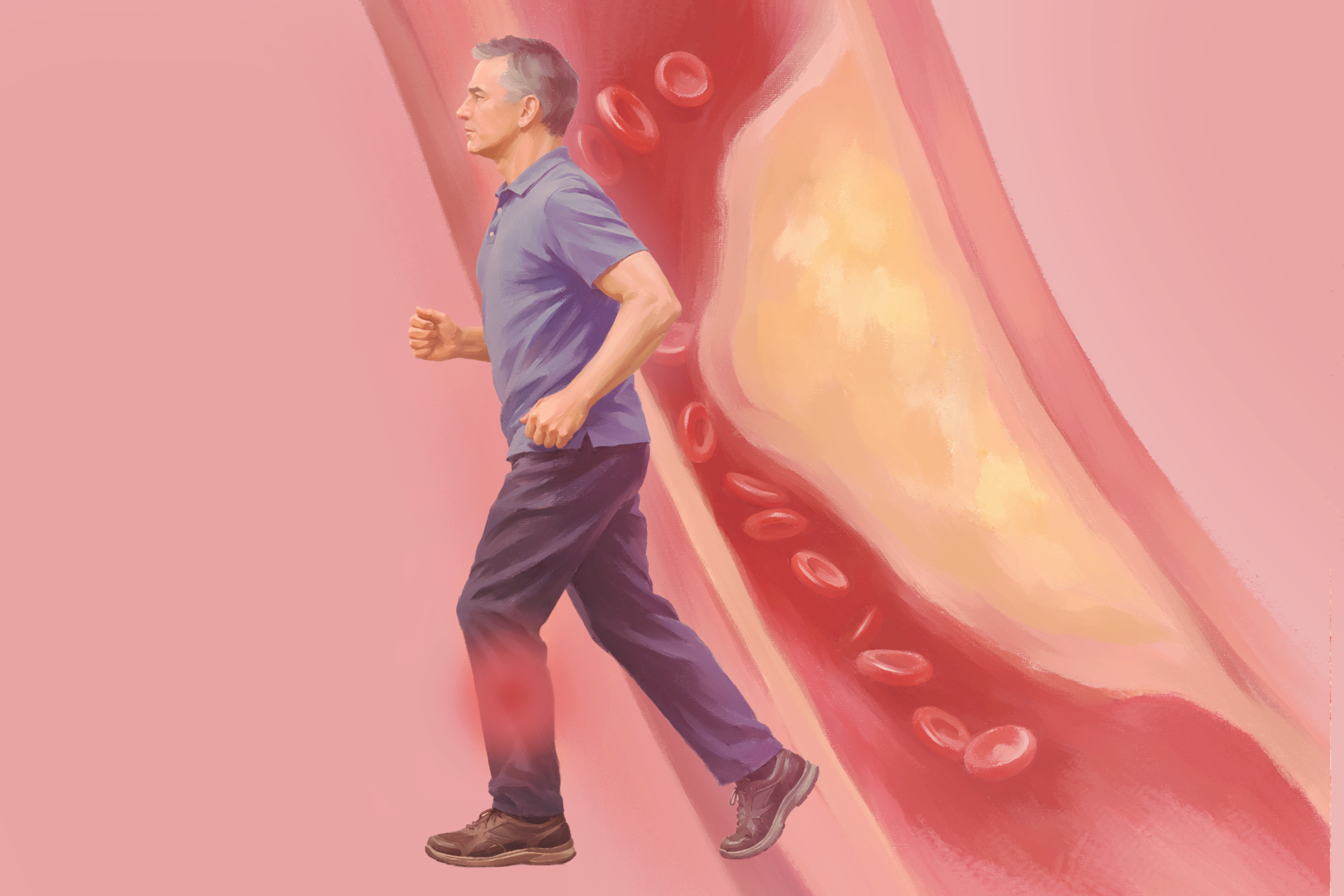

The Hallmark Symptom
Coldness or Numbness: The arms, legs, fingers, or toes may feel unusually cold or numb.
Reduced Sensation: The arms or legs may have decreased sensation, including pins-and-needles tingling in the legs or feet.
Skin and Color Changes: The feet or legs may become pale, bluish, or otherwise discolored.
Unequal Temperature: One foot may feel colder than the other.
Reduced Hair and Nail Growth: Leg hair may thin, and toenails may grow more slowly.
Leg Weakness and Muscle Wasting: Weakness can affect balance and make walking harder, and leg muscles may shrink.
Slow-Healing or Nonhealing Wounds: Sores or ulcers on the toes, feet, or legs may heal slowly or not at all and can become infected.
Erectile Dysfunction: This may occur, particularly in men with diabetes.
Vasculitis: The immune system can attack blood vessel walls, causing inflammation, thickening, and narrowing that may block the artery.
Trauma: An injury or fracture can damage an artery, leading to narrowing, tearing of the artery wall, blood clot formation, or poor circulation.
Smoking: Smoking increases the risk of developing PAD fourfold and is linked to faster progression to critical limb ischemia, higher amputation rates, and shorter life expectancy. It promotes atherosclerosis, increases blood clot formation, and reduces oxygen delivery to tissues. Nicotine in tobacco also causes blood vessels to constrict.
Overweight and Obesity: Excess body weight may increase the risk of PAD and is associated with other risk factors, such as high blood pressure and high cholesterol.
Physical Inactivity: Lack of physical activity increases the risk of PAD by contributing to high blood pressure, elevated cholesterol, and excess weight.
Saturated Fats: A diet overly high in saturated fats can raise LDL cholesterol levels, promoting plaque buildup in the arteries and increasing the risk of PAD.
Stress: Stress can cause arteries to constrict, potentially reducing blood flow.
Irregular Sleep: Both short sleep (less than five hours per night) and oversleeping (eight hours or more) have been linked to a higher risk of PAD, although more research is needed to confirm this.
Pollutants and Certain Metals: Exposure to environmental pollutants, particularly air pollution and toxic metals such as lead, cadmium, and arsenic, may increase the risk of PAD by contributing to inflammation, blood vessel damage, high blood pressure, and plaque buildup in the arteries.
Diabetes: Diabetes, particularly Type 2 diabetes, is a major risk factor for PAD. High blood sugar can damage blood vessels, causing them to narrow and restrict blood flow.
High Blood Pressure and High Low-Density Lipoprotein (LDL) Cholesterol: Both contribute to atherosclerosis and arterial narrowing.
Other Medical Conditions: Up to 25 percent of people with chronic kidney disease (CKD) also have PAD. Blood clotting disorders and vascular conditions such as fibromuscular dysplasia, which causes abnormal artery narrowing, can also increase risk.
Hyperhomocysteinemia: High levels of the amino acid homocysteine in the blood are a significant, independent risk factor for PAD. Excess homocysteine may contribute to endothelial dysfunction, or impaired function of the inner lining of blood vessels, through increased oxidative stress and reduced nitric oxide bioavailability (a molecule that helps blood vessels relax).
Ankle-Brachial Index (ABI): This noninvasive test is usually the first diagnostic test of PAD. It compares blood pressure in the ankles with that in the arms using a Doppler ultrasound probe, a handheld device that uses sound waves to measure blood flow.
Exercise ABI: This test is used when you have leg pain while walking but a normal resting ABI. Blood pressure is measured again after treadmill exercise to detect PAD that is hidden at rest.
Segmental Doppler Pressure Testing: This test uses several cuffs to measure blood pressure at different levels of the arm or leg. Pressure differences help identify where an artery is narrowed or blocked.
Arterial Duplex Ultrasound: This noninvasive imaging test uses ultrasound to assess blood flow speed and visualize arterial narrowing, atherosclerotic plaques, and calcification. It helps identify the location and severity of arterial blockages.
Computed Tomographic Angiography: This imaging technique uses X-rays and contrast dye to produce detailed images of the arteries and identify areas of narrowing or blockage.
Magnetic Resonance Angiography: This test uses magnetic fields and radio waves, rather than X-rays, to produce detailed images of the arteries. It may not be suitable for people with certain implanted devices, and the contrast dye requires caution in people with severe chronic kidney disease.
Catheter-Based Angiography: This invasive procedure can visualize the arteries of the lower extremities. A catheter is inserted into an artery, usually in the groin, and guided to the affected area. Contrast dye is injected, and X-rays reveal narrowing or blockages. It is generally used for severe leg or foot symptoms, when other diagnostic tests are inconclusive, or when further evaluation is needed before an intervention.
1. . Heart-Healthy Diet
Beets and Beetroot Juice: A 2025 systematic review of five studies involving 64 people examined the effects of beetroot juice, a natural source of dietary nitrate. Two studies reported improvements in walking distance and the onset of claudication, while three found reductions in blood pressure. Researchers suggested that dietary nitrate increases nitric oxide availability, which may improve blood vessel relaxation, circulation, and oxygen delivery to working leg muscles.
Cocoa Beverages: A 2020 study involving 44 people with PAD, 40 of whom completed the study, found that drinking a cocoa beverage daily for six months improved six-minute walking distance by 42.6 meters compared with placebo when measured 2.5 hours after the final drink. Cocoa also improved calf muscle function and increased capillary density. However, the improvement in walking distance was not statistically significant 24 hours after the final drink.
Dark Chocolate: In a 2014 study, 20 people with PAD ate either dark chocolate containing more than 85 percent cocoa or milk chocolate containing 35 percent cocoa or less, with each portion weighing 40 grams. Two hours after consumption, dark chocolate significantly improved maximum walking distance by 11 percent and walking time by 15 percent. It also increased nitric oxide availability by 57 percent and reduced oxidative stress markers.
2. Exercise Therapy and Weight Management
3. Supplements
Annurca Apple Polyphenol Extract: Annurca is an apple variety native to southern Italy. A 2019 study involving 180 people with PAD found that after 24 weeks, participants taking the supplement experienced a 69 percent increase in walking ability, a 25 percent improvement in ankle-brachial index, and a 3.6 percent improvement in arterial blood flow measurements (acceleration time).
Propionyl-L-Carnitine: This is a naturally occurring derivative of the amino-acid-like compound L-carnitine, which helps carry fatty acids into the mitochondria, the cells’ energy-producing structures, where they are converted into usable energy. A 2021 systematic review of 12 studies involving 1,423 participants found that propionyl-L-carnitine improved maximum walking distance by approximately 26 percent and pain-free walking distance by 31 percent compared with a placebo.
L-Citrulline: L-citrulline is an amino acid found in high concentrations in watermelon and produced naturally in the body. A 2025 study involving 51 people with PAD found that supplementation with L-citrulline (3 grams twice daily for 12 weeks) improved maximum walking distance by approximately 20 percent, compared with 5.7 percent in the placebo group. Researchers suggested that L-citrulline raises L-arginine levels, helping the body produce nitric oxide, a molecule that relaxes artery walls and improves blood flow.
Nicotinamide Riboside: This is a form of vitamin B3 and a precursor of nicotinamide adenine dinucleotide, an essential coenzyme involved in mitochondrial energy production and the reduction of oxidative stress. A 2024 study involving 90 people with PAD found that after six months, those taking nicotinamide riboside improved their six-minute walking distance by 17.6 meters compared with the placebo group.
Mitoquinone Mesylate (MitoQ): This is a synthetic mitochondria-targeted derivative of coenzyme Q10 with antioxidant properties. A 2020 study involving 11 people with PAD found that a single oral dose of 80 milligrams of MitoQ significantly improved blood vessel function in both arm and leg arteries, increased antioxidant enzyme activity, improved maximum walking time and distance, and delayed the onset of exercise-related leg pain. Researchers suggested that MitoQ reduces reactive oxygen species made in the mitochondria, improving antioxidant defenses and enhancing nitric oxide bioavailability, which may improve endothelial function and blood flow.
1. Medications
Antiplatelet Drugs: Aspirin and clopidogrel help prevent blood clots by reducing the clumping of platelets, blood cells involved in clotting. They also lower the risk of heart attack and stroke.
Anticoagulants (blood thinners) : Help prevent blood clots.
Statins: These medications lower LDL cholesterol and help slow the buildup of plaque in the arteries, potentially reducing the risk of heart attack, stroke, and serious limb complications.
Blood Pressure Medicines: Angiotensin-converting enzyme inhibitors and angiotensin receptor blockers help lower blood pressure by relaxing blood vessels.
Cilostazol: This medication can relieve leg pain during walking and improve walking distance by helping blood vessels relax and widen. However, it must not be used in people with heart failure.
2. Endovascular Procedures
3. Surgery
Arterial Bypass: This procedure may restore blood flow around a severely narrowed or blocked artery. Your surgeon uses a healthy blood vessel, usually a vein taken from another part of the body, or an artificial vessel to create a new pathway around the blockage. Bypass may be recommended to relieve severe pain, help wounds heal, or save a damaged foot.
Endarterectomy: In this procedure, your surgeon opens the affected artery, removes the plaque, and may use a patch made of natural or synthetic material to widen the artery and reduce the risk of it narrowing again.
Thrombectomy: This procedure removes a blood clot (thrombus) from a narrowed or blocked artery to restore blood flow. During the procedure, your surgeon guides a specialized device into the vessel to capture, break up, or remove a blood clot and restore flow.
Amputation: This is generally the last resort for severe PAD when there is an uncontrolled infection, persistent pain at rest, or gangrene. When appropriate, a below-the-knee amputation is preferred over an above-the-knee amputation because it may allow the person to use a prosthetic limb and maintain better mobility.
4. Padma 28 Herbal Formula
5. Laser Acupuncture
6. Experimental Therapies
Nuts: Nuts, including tree nuts and peanuts, are rich in heart-healthy nutrients such as monounsaturated and polyunsaturated fats, fiber, protein, vitamins, minerals, and antioxidants. Regular nut consumption may help lower cholesterol and modestly improve blood pressure, blood glucose regulation, endothelial function, and inflammation. Additionally, the PREDIMED study involving 7,447 participants at high cardiovascular risk found that eating approximately 30 grams of nuts daily as part of a Mediterranean diet reduced major cardiovascular events by about 30 percent over five years, as well as a 49 percent reduction in PAD risk.
Foods High in Dietary Fibers: A 2019 study involving 26,010 middle-aged adults, followed for a median of 21.7 years, found that higher fiber intake was associated with a 16 percent lower risk of developing PAD.
Anti-Inflammatory Diet: A 2022 study involving 82,295 adults, followed for a median of 22 years, found that greater adherence to an anti-inflammatory diet was associated with a 16 percent lower risk of developing PAD, with stronger protective associations among current and former smokers.
Acute Limb Ischemia: A sudden, severe reduction or blockage of blood flow to a limb is a medical emergency.
Heart Attack and Stroke: People with PAD have a two- to sixfold higher risk of dying from a heart attack or stroke.
Chronic Limb-Threatening Ischemia: Severe, long-term reduction in blood flow can cause persistent pain at rest, nonhealing sores, infections, and gangrene, potentially leading to amputation.
Compartment Syndrome: In severe cases of acute limb ischemia, particularly after blood flow is restored, swelling can increase pressure within the leg muscles, causing severe pain, muscle weakness, tingling, or numbness. This is a medical emergency.
Serious Infections: Foot sores caused by poor circulation can become infected and spread to surrounding tissues, muscles, bones, or the bloodstream. Severe infections may require hospitalization and antibiotics. The risk is especially high in people with both PAD and diabetes.
Blood Clots: Blood clots can form in an artery or travel from elsewhere through the bloodstream and block blood flow, potentially causing acute limb ischemia.
Erectile Dysfunction: PAD can contribute to erectile dysfunction by reducing blood flow to the penis.
Reduced Mobility and Loss of Independence: Poor circulation and leg pain can limit walking and make everyday activities harder.
Anxiety and Depression: Chronic leg pain, reduced mobility, fear of disease progression, and loss of independence can contribute to anxiety and depression, affecting a person’s mental well-being.