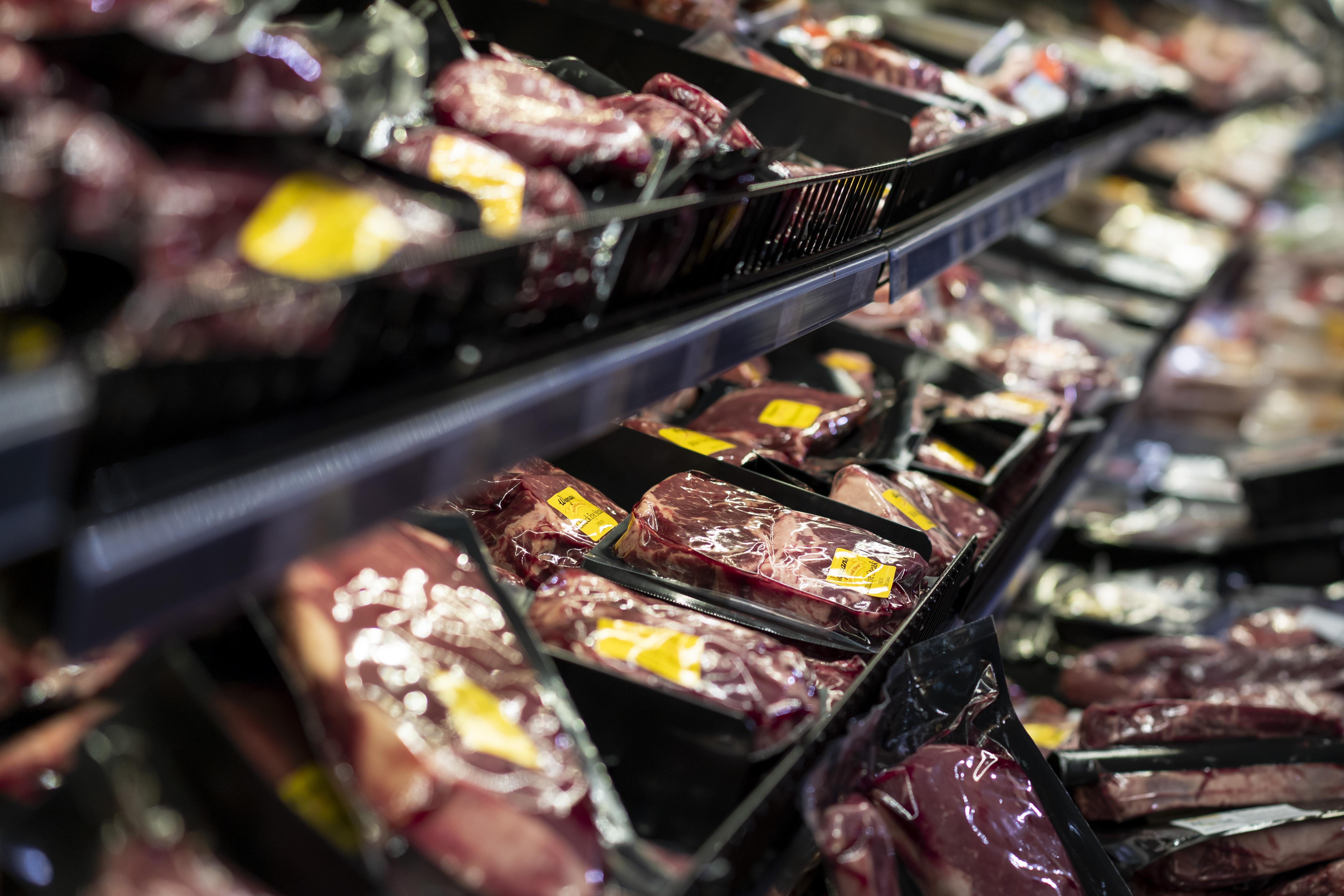

Beef prices hit record highs in the United States and worldwide in September, with both international and U.S. markets squeezed by shrinking cattle herds and strong demand, according to new data from the U.N. Food and Agriculture Organization (FAO) and recent figures from the U.S. government.
The FAO’s global meat price index rose 0.7 percent in September from the prior month, which was 6.6 percent higher than a year earlier and the highest since records began, according to an Oct. 3 report, which pointed to surging beef prices as one of the factors behind the price jump.
“Bovine meat prices climbed to an all-time high, supported by strong demand in the United States of America, where limited domestic supplies and favourable price differential continued to encourage imports, especially from Australia,” the report stated.
The United States, the world’s largest beef consumer, is at the center of the squeeze. The Bureau of Labor Statistics reported in recent weeks that in August, steak prices jumped 16.6 percent year-over-year, beef roasts rose 13.6 percent, and ground beef climbed 12.8 percent. Those gains far outpaced the 3.2 percent increase in the overall food index and the 5.4 percent rise for all meats.
The beef price rally reflects years of herd contraction. U.S. cattle inventories have fallen to their lowest level in 70 years after prolonged drought in the southern plains shrank grazing land and raised feed costs.
Imports that might have softened the shortage have faced their own obstacles. In May, the U.S. Department of Agriculture suspended shipments of live cattle from Mexico, the top foreign source of feeder cattle, after outbreaks of New World screwworm were reported near the border. The parasitic fly larva can cause fatal infestations in livestock, and the ban remains in effect. At the same time, Brazilian beef, a key import source, faces a tariff of 76 percent, while duties on other producers have further affected flows.
Limited U.S. supplies and a favorable price differential have encouraged more imports from Australia, FAO noted, but high prices there have curbed volumes. Brazilian beef prices also climbed, underpinned by strong global demand despite reduced U.S. access.
The agency noted that pork and poultry remained relatively flat. “Pig meat prices were steady, as firmer demand for Brazilian pig meat from alternative markets offset reduced purchases by China,” according to the report, which added that the impact of new tariffs imposed by China on pig meat imports from the European Union was limited.
Beyond economics, there are political implications of growing beef prices.
“This could become a huge problem for the Trump administration,” Jeffrey A. Tucker, founder of the Brownstone Institute and Epoch Times contributor, warned in a recent column. “If inflation in food prices and beef in particular keep going like this, there is a genuine risk to the presidency and the entire Republican Party.”
Tucker urged the White House to act quickly, calling for emergency deregulation to ease supply bottlenecks, passage of legislation that would allow more local processing and direct sales, and a suspension of beef import tariffs. Without such steps, he said, consumers could face lasting shortages and Republicans could face lasting political damage.
“People who are not actually very political tend to judge the party in power by how much they have to spend at the grocery,” he wrote. “If they find themselves switching from beef to rice and beans, they will blame the ruling party regardless.”