

SAN DIEGO—San Diego County Sheriff Kelly Martinez says calls to rescue illegal immigrants at the border have plummeted by 93 percent since President Donald Trump was sworn into office last year.
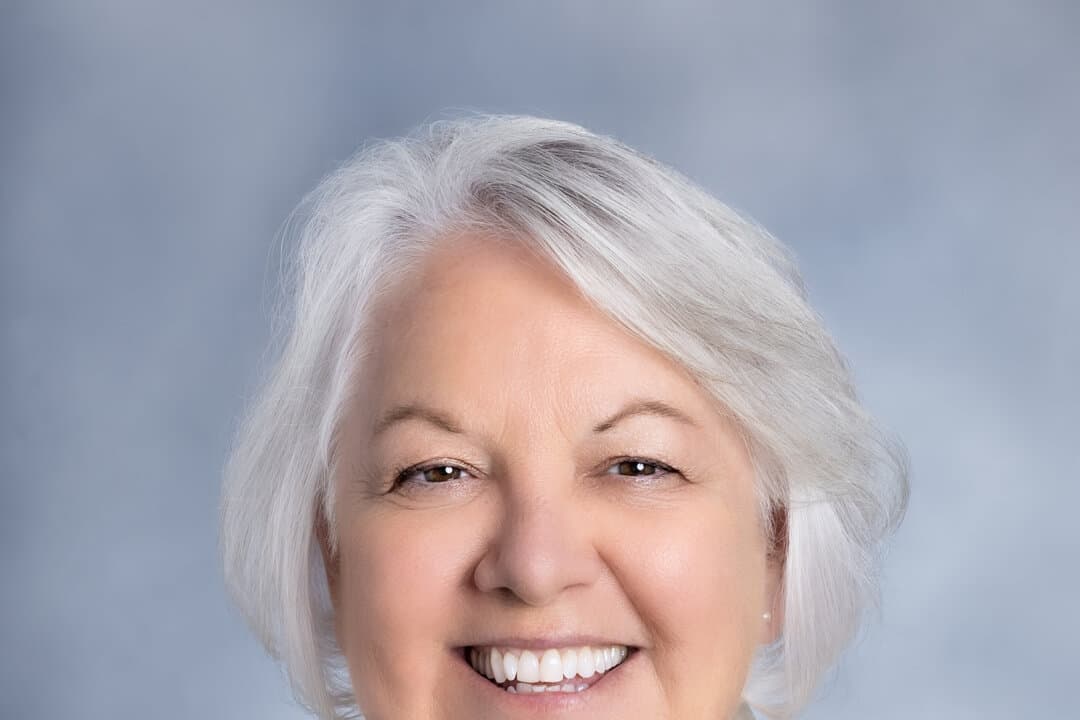
San Diego County Sheriff Kelly Martinez. (San Diego County Sheriff’s Office)
At the height of the Biden-era border crisis, deputies were often sent to assist in the rescue of illegal migrants who were trekking across treacherous terrain on California’s Otay Mountain, which is especially dangerous for children and the elderly, Martinez told The Epoch Times.
“It’s crazy. They were not prepared, and the journey is long,” she said.
“We would go out with our helicopter. ... We just had so many tragedies where people would perish, or part of their group would not make it, and they would call for help.”
The drop in rescue calls is a sign that California’s border communities in San Diego and Imperial counties are on the rebound after years of chaos, when millions of migrants from more than 100 nations crossed illegally into the United States from Mexico, according to Martinez.
Most of the rescue calls during the border crisis weren’t for criminal activity but for “humanitarian aid” to illegal aliens who had crossed the border and wanted assistance from deputies because they were either victims of a crime or wanted help getting from rural areas into the cities, Martinez said.
The shift in policies has been “effective” and “beneficial” for residents because it means that her deputies can focus on their core duties to police and protect communities and address other threats, such as drug and human trafficking.
“We continue to work really well with our federal partners, and I don’t want that to stop because of the controversy over immigration,” she said.
Martinez said she supports Trump’s policies “specific to closing the border.”
“In my opinion,” she said, “closing the border has been good.”
While illegal immigrants still cross the border, most are apprehended by Border Patrol. They are no longer released en masse into border towns, but are detained and deported, putting less strain on local resources and U.S. taxpayers.
Some residents of California’s border towns say they’re enjoying a new sense of calm since the massive waves of migrants have subsided, and that closed-border policies seem to be working, or at least are a step in the right direction.
Martinez also said a strong military and Border Patrol presence along the border wall in both counties has helped to deter would-be illegal border-crossers.
When cartel violence spread across Mexico after the U.S.-assisted assassination of cartel boss Nemesio “El Mencho” Ruben Oseguera Cervantes on Feb. 22, a few businesses were burned and vehicles set ablaze across the border in Tijuana. Martinez said her deputies are prepared and well-equipped to respond to any spillover or retaliatory violence, including assaults or homicides among cartel members in the United States.
“There’s always a possibility of cartel in-fighting, and on the United States side of the border, that’s been occurring for decades,” she said.
Sanctuary State
Trump touted in his State of the Union address that the Department of Homeland Security had “zero releases” of illegal immigrants into the country for nine consecutive months—a stark contrast to the Biden years, when millions claiming asylum were processed by Border Patrol agents and released into the country pending immigration hearings.
Crime in the county has dropped to 40-year lows, but that isn’t solely attributable to the shift in immigration policy, and crimes involving illegal immigrants are difficult to quantify, Martinez said.
“We don’t ask immigration status because of state law,” she said.
Senate Bill 54, a state sanctuary law passed in 2017, restricts state and local law enforcement officers’ cooperation with federal immigration authorities, including Immigration and Customs Enforcement (ICE), and prohibits police from asking about immigration status, holding individuals for ICE, or transferring them to ICE.
Last year, Martinez said, ICE inquired about more than 1,000 people, and her office provided information on about 120 of them. Eighty-three were picked up by ICE upon their release from county jails.
“To the extent that state law allows, I do cooperate and provide information to ICE on release dates,” Martinez said.
But in some cases, it’s “a little frustrating,” she said, that SB 54 prevents sheriffs from notifying ICE directly.
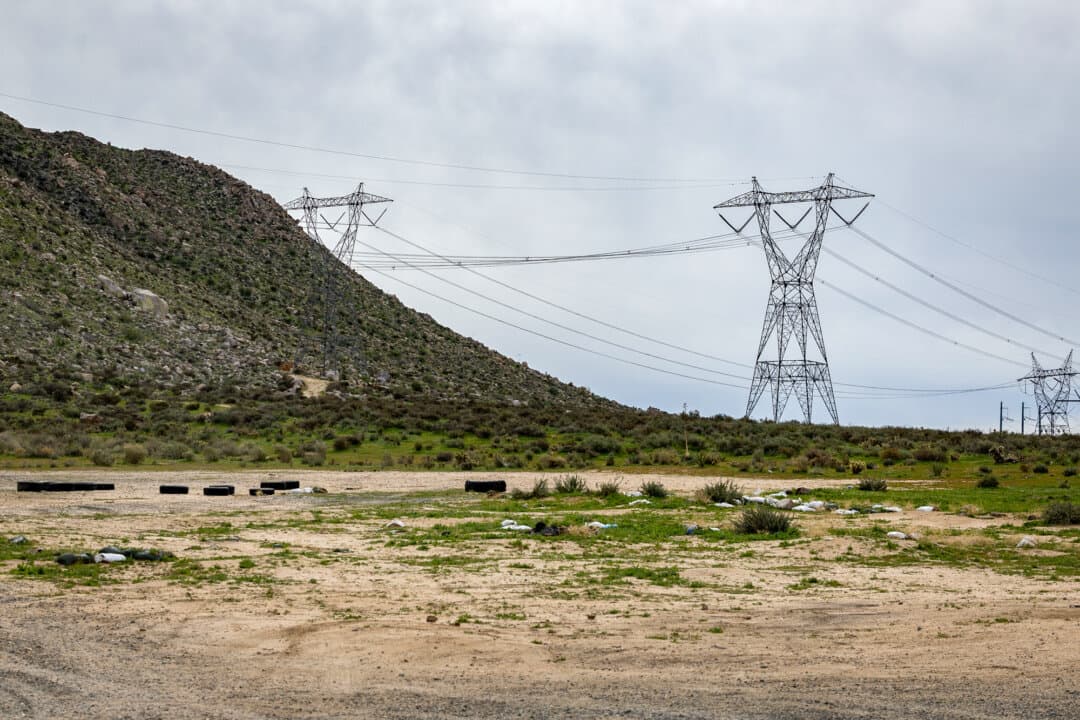
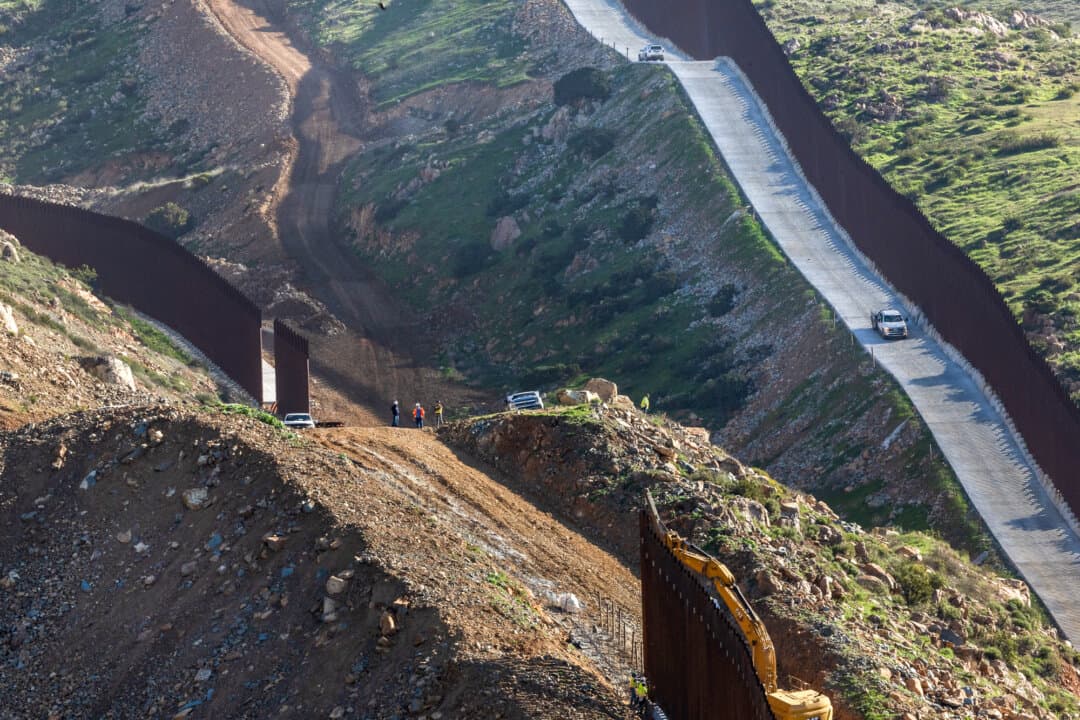
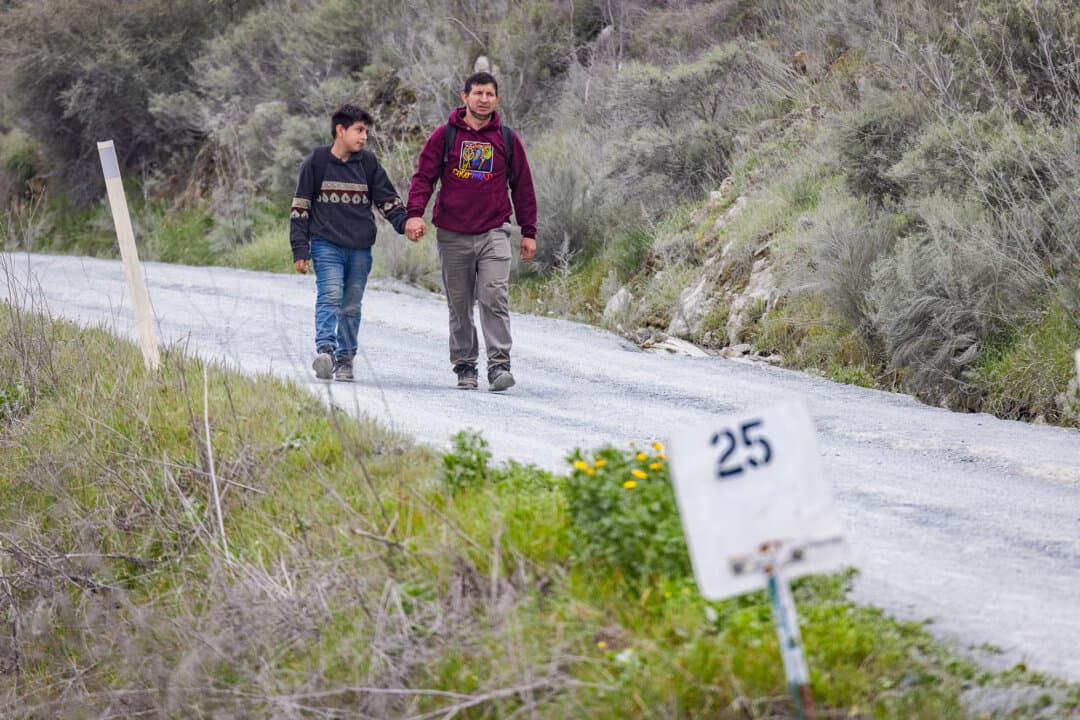
(Top) A former migrant encampment known as “Moon Camp” now sits empty of illegal immigrants in Jacumba Hot Springs, Calif., on Jan. 22, 2026. (Bottom Left) Construction on the U.S. southern border wall is seen from Otay Mesa, Calif., on Jan. 21, 2026. (Bottom Right) Illegal immigrants walk toward a Border Patrol checkpoint on Otay Mountain east of San Diego on Feb. 29, 2024. (John Fredricks/The Epoch Times)
On the Rebound
Amy Reichert, founder of citizen watchdog group Restore San Diego, said there has been a dramatic change in San Diego County since Trump’s policies took effect.
“It’s a night-and-day difference,” she said. “Our airports aren’t packed with people who just entered the country illegally, sleeping on the floor with a ticket in their hand to someplace in the United States.”
She recalled when illegal immigrants who surrendered to Border Patrol were transported—often in unmarked white “ghost buses”—and released to nongovernmental organizations that provided food and shelter and shuttled them to airports.
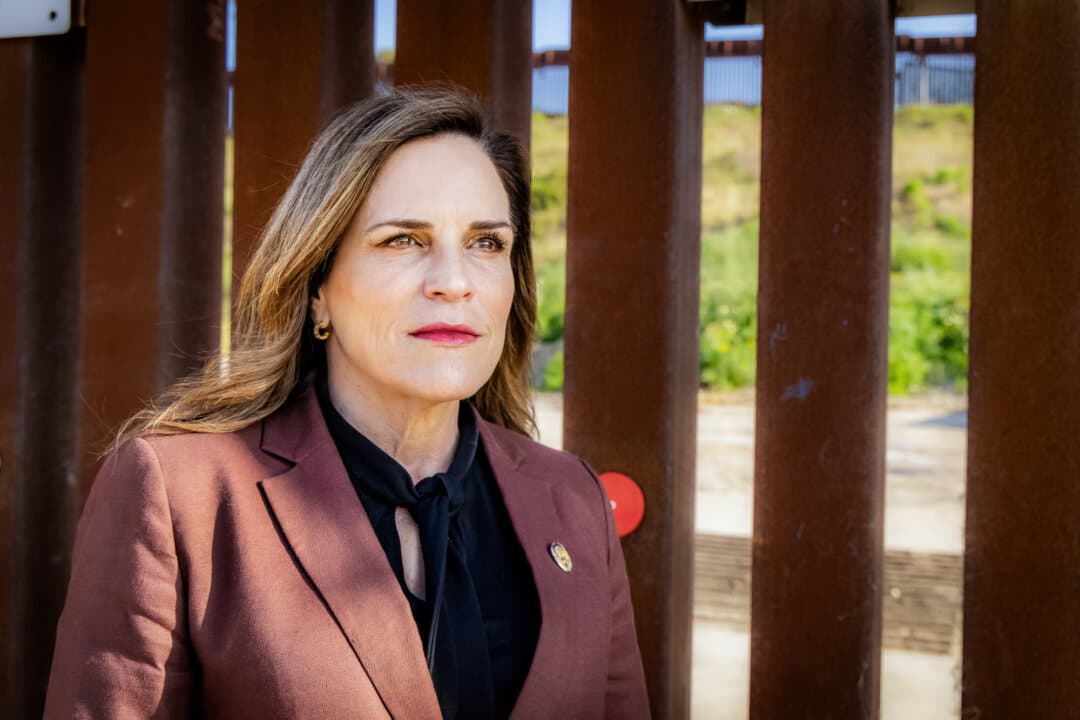
Amy Reichert, founder of Restore San Diego, stands near the U.S.–Mexico border wall in San Diego on April 11, 2024. Reichert said conditions in San Diego County have changed dramatically since Trump’s policies took effect. (John Fredricks/The Epoch Times)
San Diego was “especially impacted” because of government funding for several nongovernmental agencies to run “migrant welcome centers,” she said.
The county paid $6 million to South Bay Community Services, which ran a shelter for illegal immigrants at a closed school in San Diego’s City Heights neighborhood from Oct. 11, 2023, to Feb. 2, 2024. The organization shut down its operations when the San Diego County Board of Supervisors cut off funding, and thousands of migrants were released at various transit centers, including El Cajon, Oceanside, and Iris Avenue station in San Ysidro.
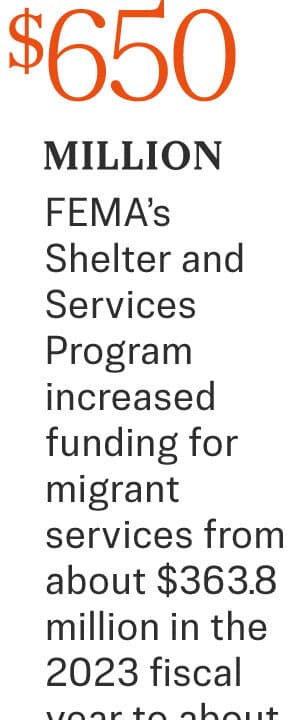
Federal Emergency Management Agency funds were also allocated to San Diego County for migrant services and to nongovernmental agencies such as the Catholic Charities Diocese of San Diego and Jewish Family Services. The agency’s Shelter and Services Program increased funding from about $363.8 million in the 2023 fiscal year to about $650 million in fiscal 2024.
Many hotels in San Diego that were closed to the public and used for migrant shelters—including the Crowne Plaza in Mission Valley, which was under contract with the state for about two years—have since reopened.
During the crisis, it was common to see discarded IDs and passports “all over the ground” near the border wall because illegal immigrants were hiding their identities to enter the country as “undocumented migrants.”
“Literally anyone” could walk through a gap in the border wall and surrender to Border Patrol agents who were “turned into greeters,” Reichert said.
Reichert said she supports an increased military presence at the border to reduce national security risks and said the additional razor wire that the U.S. Marines have installed over the past year deters would-be wall climbers, preventing fatal falls and serious injuries.

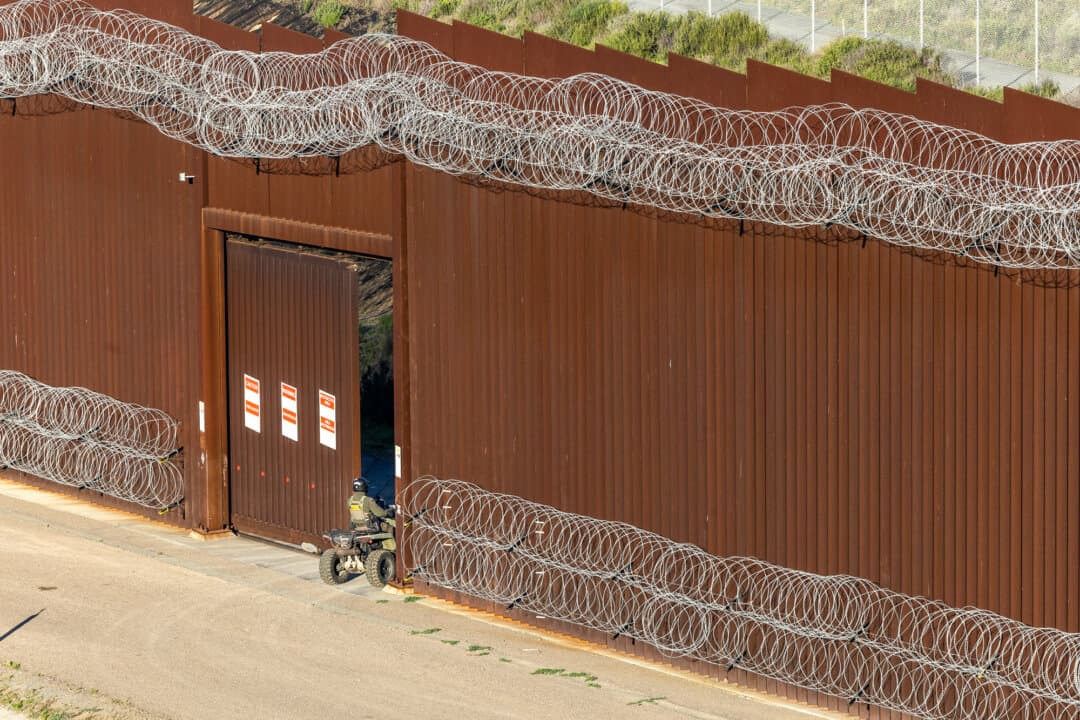

(Top) Illegal immigrants gather at a processing center run by nonprofit groups in the City Heights neighborhood of San Diego on Oct. 31, 2023. (Bottom Left) A U.S. Border Patrol agent enters through the U.S.–Mexico border wall outside of San Diego on Jan. 20, 2026. (Bottom Right) Border Patrol agents monitor the southern border using ATVs outside of Campo, Calif., on April 12, 2024. (John Fredricks/The Epoch Times)
Local Impact
El Cajon Mayor Bill Wells said that during the border crisis, busloads of illegal immigrants were dropped off in his city. Homelessness tripled, he said.
The city’s economy now seems to be picking up, with a few new housing developments in the works.
“We’ve had our tough times, but I think we’re on the mend, for sure,” Wells said.

El Cajon Mayor Bill Wells in El Cajon, Calif., on Jan. 20, 2026. Wells said that during the border crisis, busloads of illegal immigrants were dropped off in his city. (John Fredricks/The Epoch Times)
Joseph Guilin, a Calexico, Calif., resident and business owner, told The Epoch Times that Calexico schools are no longer flooded with children from Mexicali, who would walk across the border daily.
Calexico, a city of about 40,000, is directly across the border from Mexicali, Mexico, a city of nearly 1 million, so their economies are intertwined.
“It’s cheaper to live over there and do business over here,” said Guilin, who runs a postal business that rents out U.S. addresses to legal cross-border commuters who hold visas.
In July 2024, while an old fence was being replaced with a new segment of border wall, an illegal immigrant ran through the front door of Guilin’s business, jumped over a desk, and went through the back door to evade Border Patrol agents. He was caught soon after the chase.

Joseph Guilin, a Calexico, Calif., resident, stands near the U.S.–Mexico border wall in El Centro, Calif., on Jan. 19, 2026. With fewer illegal border crossings in town, Guilin said tax dollars should be directed toward economic development to revitalize the local business district rather than to house illegal immigrants. (John Fredricks/The Epoch Times)
Now, because Border Patrol agents are “actually able to do their jobs,” there are fewer injured “border jumpers” and less strain on emergency medical services, he said.
“I see there’s a big difference,” Guilin said. “It’s starting to get better. But still, it’s a border town with border-town problems.”
The shops in Calexico’s business district—many of them shuttered—have seen better days. So instead of spending tax dollars to house illegal immigrants, funds would be better spent on economic development to revitalize Calexico’s business district, Guilin said.
Tourism in Calexico is mainly “nostalgia-based,” consisting largely of visits from former residents in their golden years, but Guilin said he hopes that “maybe one day” the city can become a tourist destination offering a blend of two cultures and a taste of Mexico within the United States.

Cars drive through Calexico, Calif., on Jan. 19, 2026. The city of about 40,000 sits directly across the border with Mexicali, Mexico, making their economies closely intertwined. (John Fredricks/The Epoch Times)
Dr. Brian Tyson, a physician who runs urgent care clinics in Imperial County, told The Epoch Times that police, fire, and ambulance services aren’t overrun with 911 calls anymore, and his patient volumes have returned to normal levels since the border crisis ended.
“We haven’t had to deal with any overflow from the ICE facilities at all,” he said.

Tyson, who has extended family living in Mexico, said increased border security and construction at the Calexico Port of Entry have meant longer wait times for cross-border traffic.
Illegal immigration in Imperial County still occurs, and some “gotaways” make it into the country—usually a few every day, he said.
“We’re a border city, so that’s typically what we would see on a normal day prior to the Biden administration,” Tyson said. “It’s just business as usual.”

Dr. Brian Tyson reviews notes at his clinic near El Centro, Calif., on Jan. 19, 2026. Tyson said that since the border crisis eased, emergency services are no longer overwhelmed with 911 calls, and his patient volumes have returned to normal. (John Fredricks/The Epoch Times)
Jacumba-area resident Sam Schultz told The Epoch Times that the gap in the border wall where thousands of people entered the country illegally is being sealed, and that essentially no migrants have crossed there since early 2024.
Schultz, who managed logistics for international humanitarian relief efforts for much of his life, said he wanted to make sure that the migrants had food and water during the border crisis.
Because the Border Patrol was overwhelmed and didn’t have enough personnel, vehicles, or buildings to process that many people, migrants sometimes waited for days at makeshift camps near Jacumba, and some of the townsfolk worked together to collect resources for them, he said.
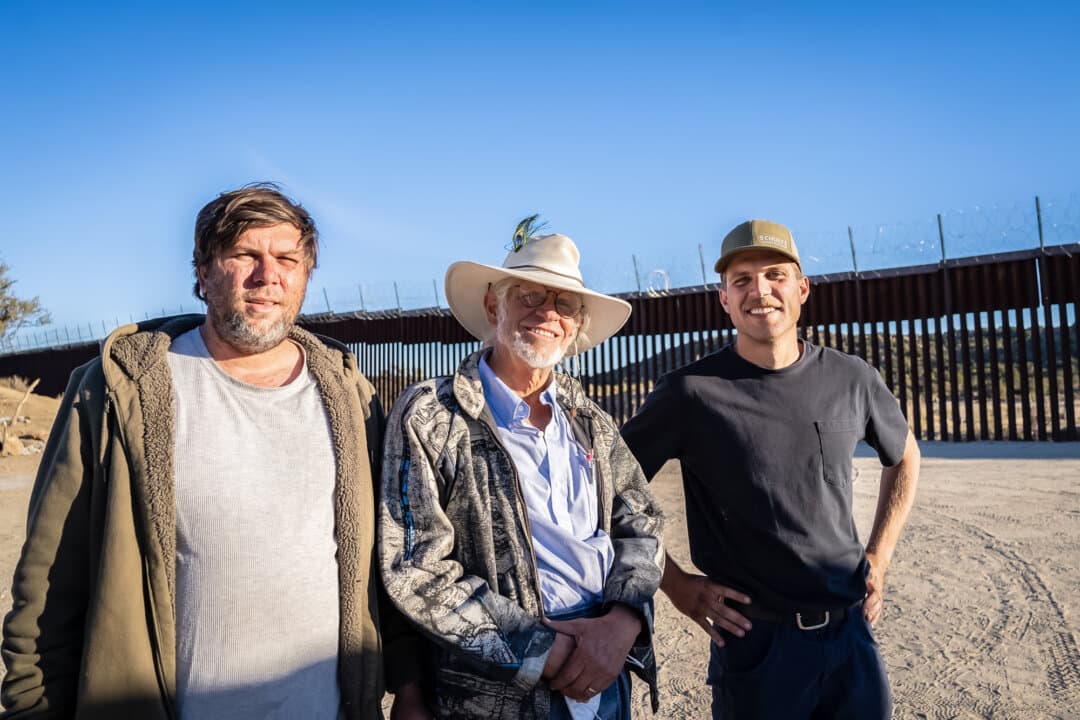
Sam Schultz (C) works with volunteers feeding migrants hot meals in Jacumba, Calif., on Oct. 31, 2023. (John Fredricks/The Epoch Times)
“We stepped in when we needed to,” he said.
Schultz said his family and friends supplied hot meals and sandwiches to illegal immigrants when hundreds per day were crossing at Jacumba.
“We made over 52,000 peanut butter and jelly sandwiches,” he said, “and they all got ate.”
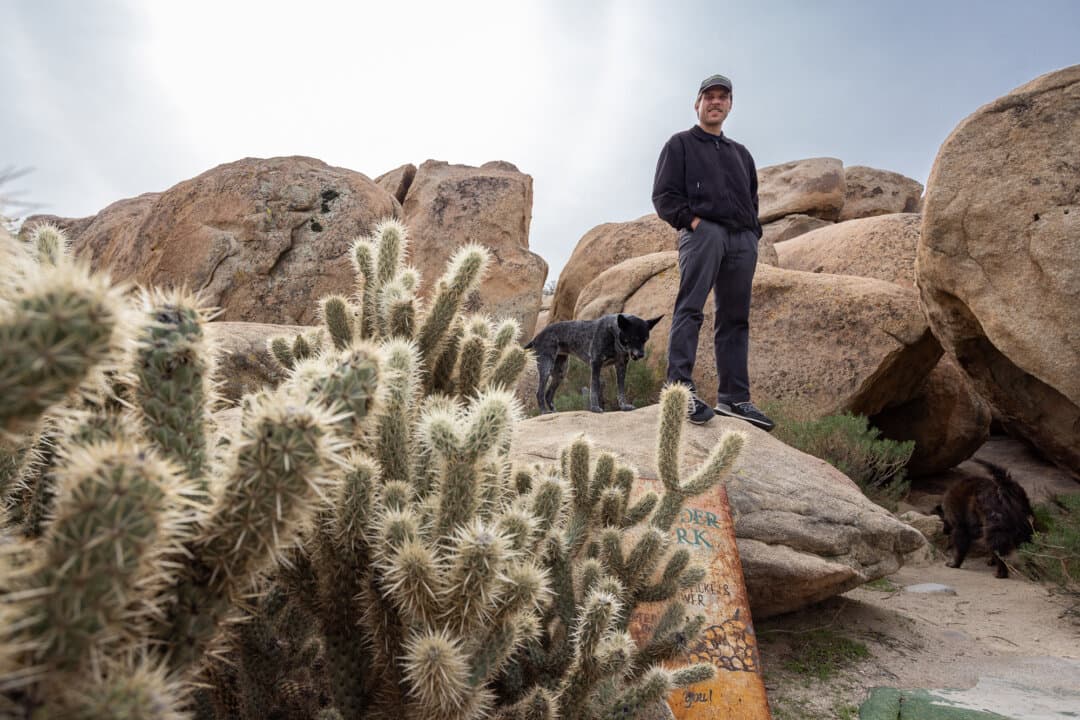
John Schultz stands with his dogs near his home in Jacumba, Calif., on Jan. 21, 2026. Shultz and his family and friends provided hot meals and sandwiches to illegal immigrants during the border crisis, when hundreds were crossing daily at Jacumba. (John Fredricks/The Epoch Times)
State Defends Illegal Immigrants
California Gov. Gavin Newsom has defended the state’s sanctuary policies despite telling world leaders and corporate executives at the World Economic Forum in January that the Democratic Party’s border policies were inadequate.
In California, law enforcement agencies don’t participate in immigration raids, and state law requires them to cooperate with ICE only in cases of people convicted of dangerous crimes, including those leaving state prisons.
“There are reports of people being deported before they can speak to an attorney or be located by their family, as the administration expands long-term detention of families and longstanding residents who have no criminal history,” Newsom’s office claimed in a Feb. 20 statement.
The state is now funding nongovernmental organizations to provide legal assistance to those fighting deportation orders, including leveraging up to $35 million in existing humanitarian funding and working with philanthropic partners to help connect families to legal support, food assistance, and other essential resources, according to the governor’s office.
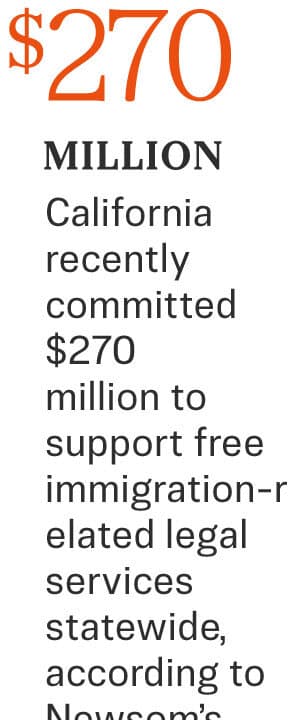
This year, the state awarded $15 million to fund 33 “removal defense organizations” over the next two years, to help those facing deportation access legal representation, and it has recently committed $270 million in funding to support free immigration-related legal services statewide, according to the statement.
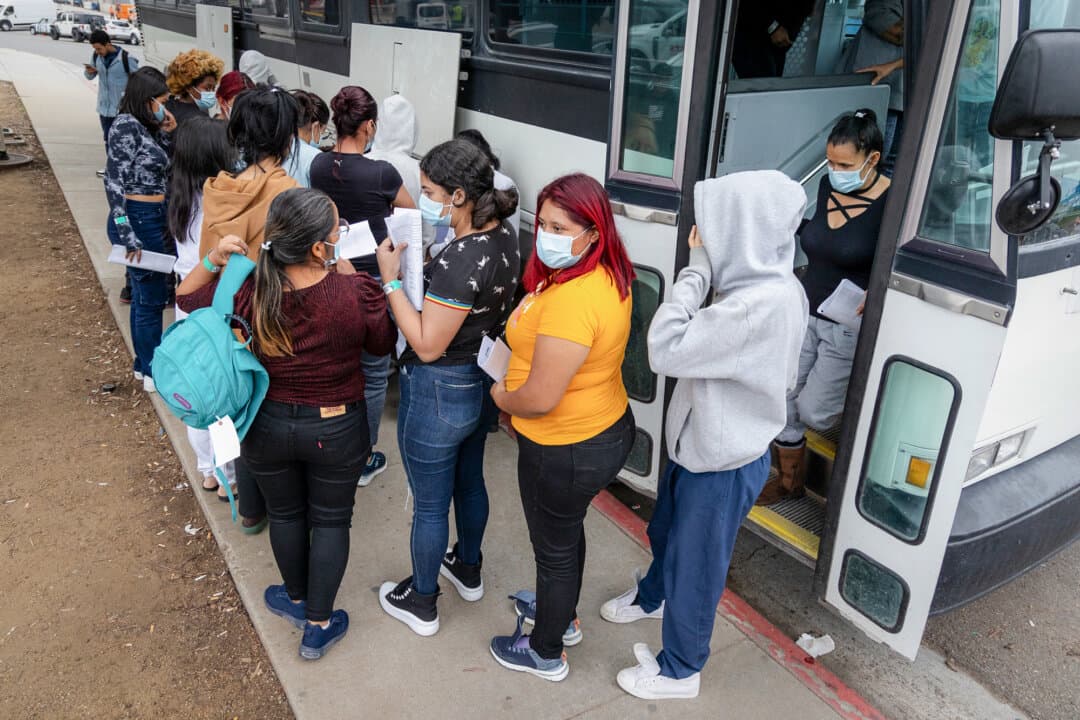
Buses drop off large groups of illegal immigrants in San Ysidro, Calif., on Feb. 29, 2024. (John Fredricks/The Epoch Times)