
Americans blessed with a good high school education in the history of their country can call to mind the famous signers of the Declaration of Independence. At a minimum, everyone remembers John Hancock for his sprawling signature, Ben Franklin for his wisdom and age, and the young Thomas Jefferson for the famous words “Life, Liberty and the pursuit of Happiness.”
Lesser known are Presbyterian minister John Witherspoon, Pennsylvania’s Thomas McKean, and New York merchant Francis Lewis. All paid for the promise they had made in the Declaration’s final sentence “we mutually pledge to each other our Lives, our Fortunes and our sacred Honor.” Lewis’s home in Queens was burned to the ground by the British, McKean along with his family “was hunted like a fox,” and Witherspoon lost both a son and his house to the war.
In this company is New Jersey’s John Hart (circa 1713–1779).
Some Basics About the Man
There’s a muddle of information about his life—conflicting dates and events—beginning with his birth and continuing right up to his death. Here, we’ll take as the principal source of our information an article prepared by one of his descendants, Grace Staller.
Born in 1713 in New Hopewell to Martha and Edward Hart, a successful farmer, Hart received a basic education and married Deborah Scudder in 1739, with whom he had 13 children. He soon became a landowner, a self-made man who was made reasonably wealthy by way of his farming and the grist mills he purchased and operated.
Around 1750, Hart entered public service, first locally and then in New Jersey’s Colonial Assembly. An early proponent of liberty, in 1774 he served on the assembly’s committee to “elect and appoint Delegates to the First Continental Congress, and to protest the Tea Act.”
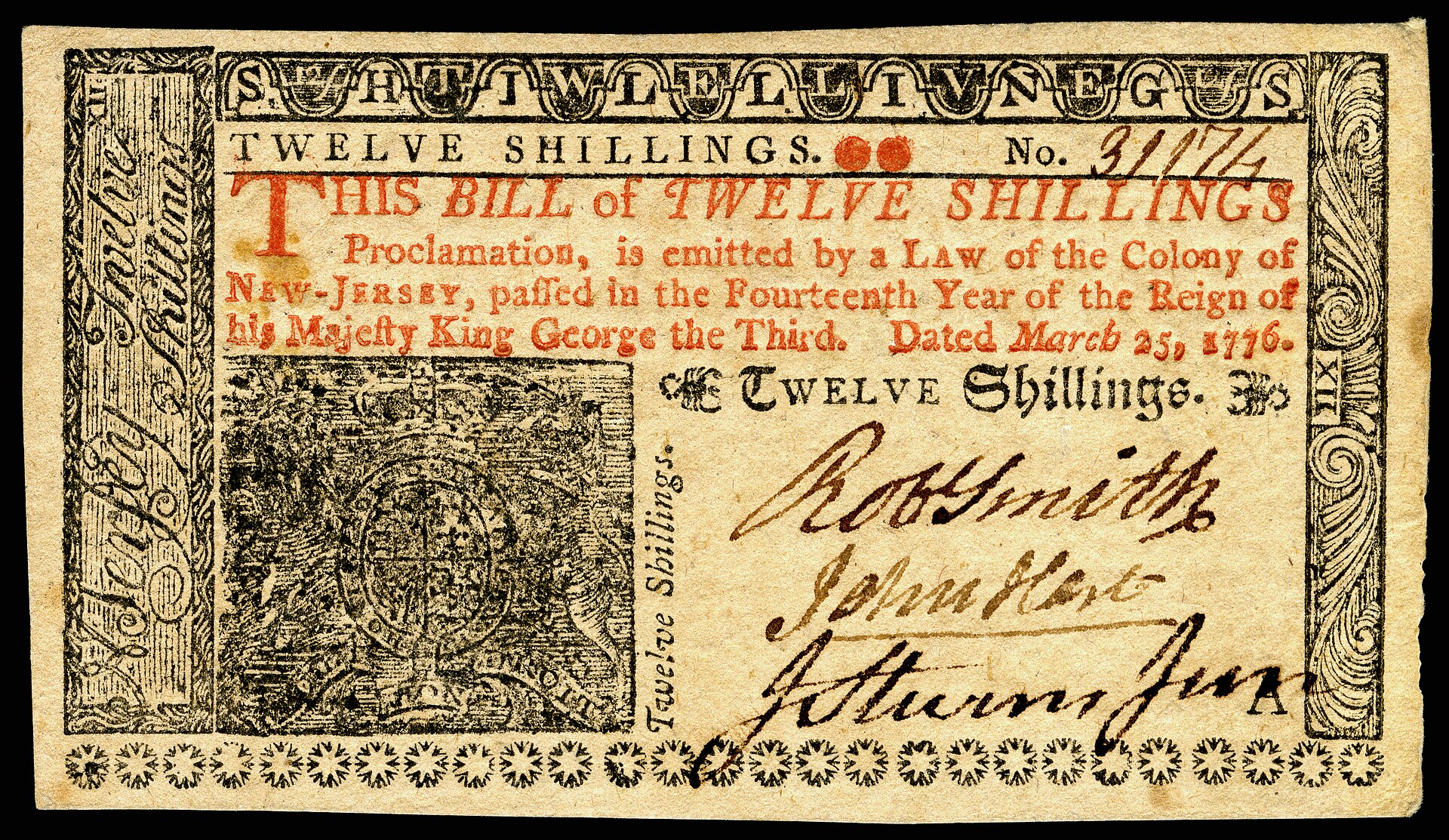
Following the outbreak of war in 1776, he was elected to the state’s provincial congress, where he signed some 25,000 bills of credit—money—issued by New Jersey. He may have previously earned the nickname “Honest John” for his business practices in Hopewell, but here, too, his deeds brought him that honorific.
Dispatched as a New Jersey delegate in the summer of 1776 to the Continental Congress in support of the Declaration, he fulfilled that charge by signing the document and then returned home. It’s at this point that life and fortune began throwing punches at him thick and fast. It’s here, too, that John Hart demonstrated character by never flagging in his support of the American cause.
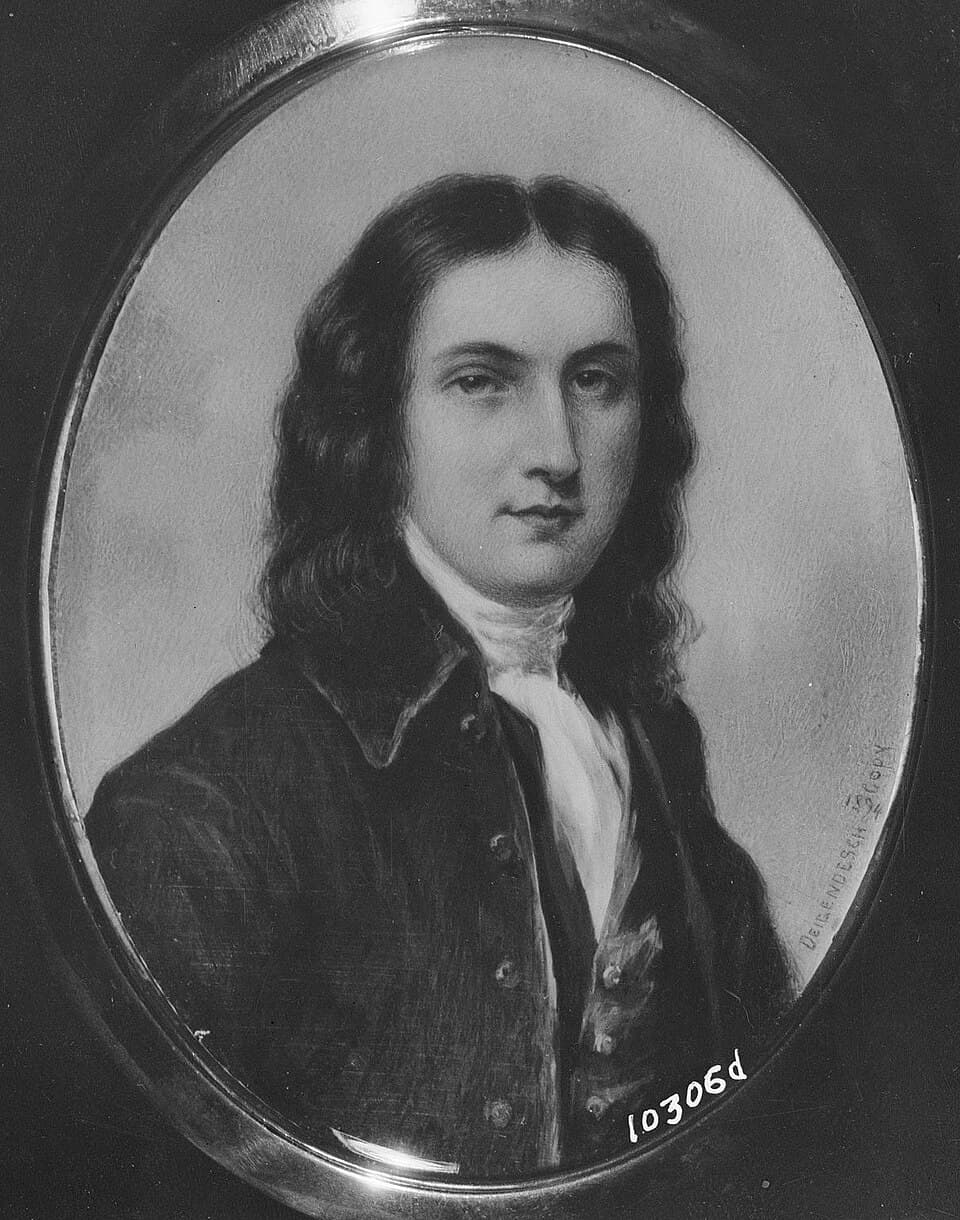
An 1894 reproduction of a miniature portrait of John Hart. (Public Domain)
In the Arena
In August, New Jersey elected a General Assembly under its new state constitution. Voters selected Hart, and on his arrival he was selected as speaker. When news reached him that his wife, Deborah, had fallen ill, he returned home and was at her side when she died on Oct. 8.
By that time, British forces were advancing into New Jersey, and Hart became a wanted man for his support of the Revolution and his position in the assembly. Having seen to the safety of his children who remained at home, he fled ahead of his pursuers into New Jersey’s Sourwood Mountains. Through the dead of winter he lived in caves or in the homes of fellow patriots. He was constantly on the move. Sources are unclear as to how long he endured this lonely trek, but it was likely a month or more.
His return home presented yet another disaster. The British had raided and ransacked the property, though they hadn’t torched the house.
While Hart absorbed these blows, he never wavered in his commitment to the American cause. He continued afterwards to serve in the New Jersey assembly, twice as speaker.
In June of 1778, he displayed quiet heroic commitment once again when he invited George Washington and 12,000 troops to encamp on his farm. It was the middle of the growing season, but Hart nevertheless took in the army and gave it the opportunity to rest and ready itself for the Battle of Monmouth. Though inconclusive in its results, the battle was a moral victory for American forces and solidified Washington’s position as leader of the army.
John Hart died after months of suffering from kidney stones on May 11, 1779, less than a year after aiding Washington’s troops. He passed away so debt-ridden and broken by his many expenses in the service of his new country that his property was sold to repay some of his debtors. Today, he and Deborah lie side by side in the cemetery of Old Hopewell Baptist Meeting House, land that Hart had donated to the church 30 years earlier.
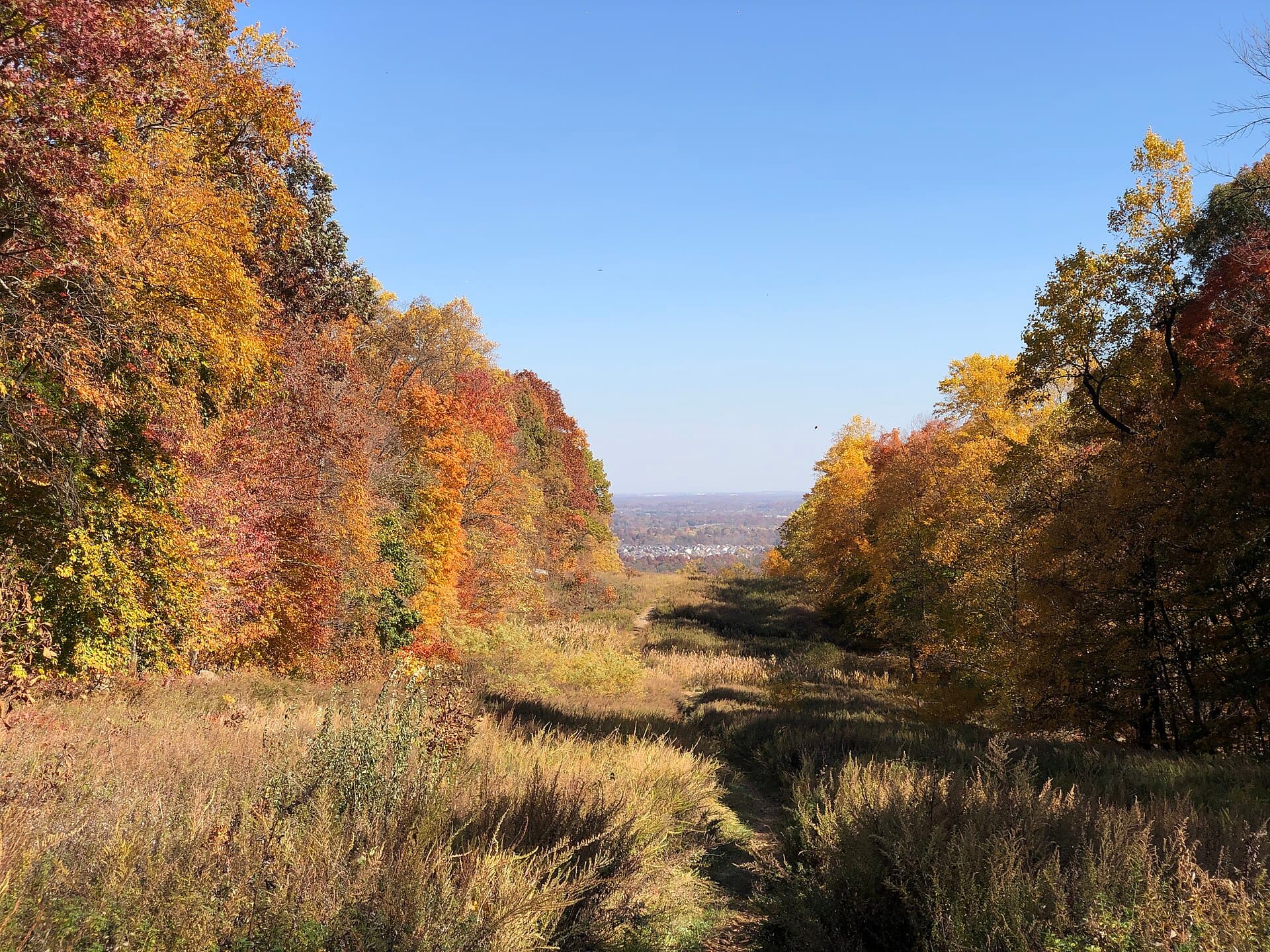
John Hart survived the winter in the Sourland Mountains thanks to its caves and the hospitality of fellow Patriots. (<a href="https://commons.wikimedia.org/wiki/User:Famartin">Famartin</a>/<a href="https://creativecommons.org/licenses/by-sa/4.0/deed.en">CC BY-SA 4.0</a>)
Some Points to Remember
For 20 years, Hart served both his state and his country in legislative bodies. Over those decades, he traveled several thousand miles by horseback and missed many days of work at home, efforts compensated by meager reimbursements at best. He stands as a premier example of the many Americans who sacrificed much for liberty.
In Hart, we see the indomitable spirit possessed by so many of his fellow patriots. He refused to turn himself over to the British or renege on the pledge he’d made in Philadelphia. Not only did he escape their manhunt, but 18 months later he opened his property to Washington and his men, a gesture of hospitality above and beyond what anyone had the right to expect.
In short, John Hart is emblematic of so many of the common men and women of that era who supported the break with Britain. On May 19, 1779, the New Jersey Gazette published a short obituary of Hart. Here is their salute to Honest John:
“He had served in the Assembly for many years under the former government, taken an early and active part in the present revolution and continued to the day he was seized with his last illness to discharge the duties of a faithful and upright patriot in the service of his country in general and the county he represented. The universal approbation of his character and conduct among all ranks of people, is the best testimony of his worth, and as it must make his death regretted and lamented, will ensure lasting respect to his memory.”
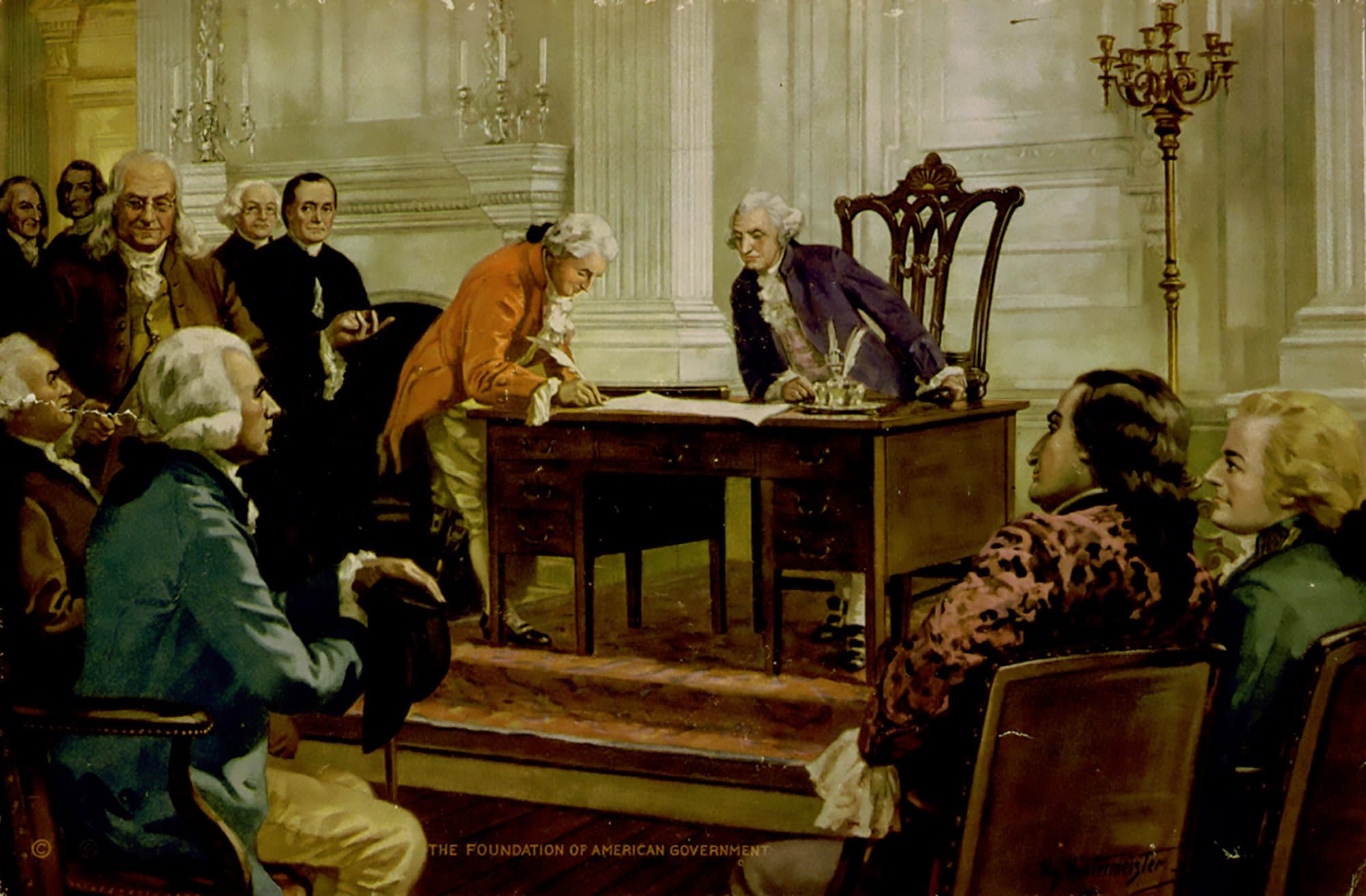
“Foundation of the American Government,” 1925, by John Henry Hintermeister. (Public Domain)
On Independence Day this year, we’ll rightly hear the names of Jefferson, Washington, John Adams, and more, but we should remember that behind them stood men and women like John Hart. Tens of thousands of them sacrificed to make the dreams of the Declaration of Independence a reality.
What arts and culture topics would you like us to cover? Please email ideas or feedback to features@epochtimes.nyc.