
The U.S. Treasury Department on April 24 sanctioned a Chinese refinery and 40 shipping firms and vessels found to be providing a lifeline to the Iranian oil economy.
The move, shared with The Epoch Times ahead of the announcement, marks the latest measure from the Trump administration to cut off a key revenue source for Iran, which authorities said has enabled Tehran’s “reckless activities throughout the Middle East” and its capacity to threaten U.S. interests.
The targeted Chinese company is Hengli Petrochemical (Dalian) Refinery Co., the second largest independent oil refinery in China and one of Iran’s largest customers for crude oil and other petroleum products. The Treasury Department stated that Hengli has purchased Iranian petroleum worth billions of dollars.
Located in the Chinese port city of Dalian, Hengli has a capacity to process 400,000 barrels per day. The plant has received oil shipments from Iran’s armed forces since 2023, bringing revenue in the hundreds of millions of dollars to the Iranian military, according to a Treasury statement.
As the largest buyer of Iran’s oil, China takes in roughly 90 percent of Iranian oil exports. Small to medium-sized refiners, also known as “teapots,” are major crude oil purchasers.
Among the shadow fleet vessels identified on April 24 are a number of oil tankers from Hong Kong. One of them, Marshall Islands-flagged but owned by a China-based shipping company, has transported millions of barrels of Iranian high-sulfur fuel oil over the past few months, according to the Treasury authorities.
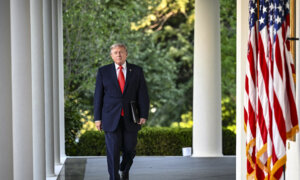
The sanctions, which took place weeks before U.S. President Donald Trump’s Beijing trip, block the targeted entities and individuals from U.S. transactions and impose penalties on anyone contributing funds, goods, or services to them. The action adds to the more than 1,000 Iran-related people and entities already on the Treasury Department’s Office of Foreign Assets Control sanction list.
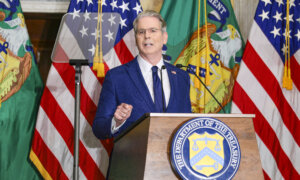
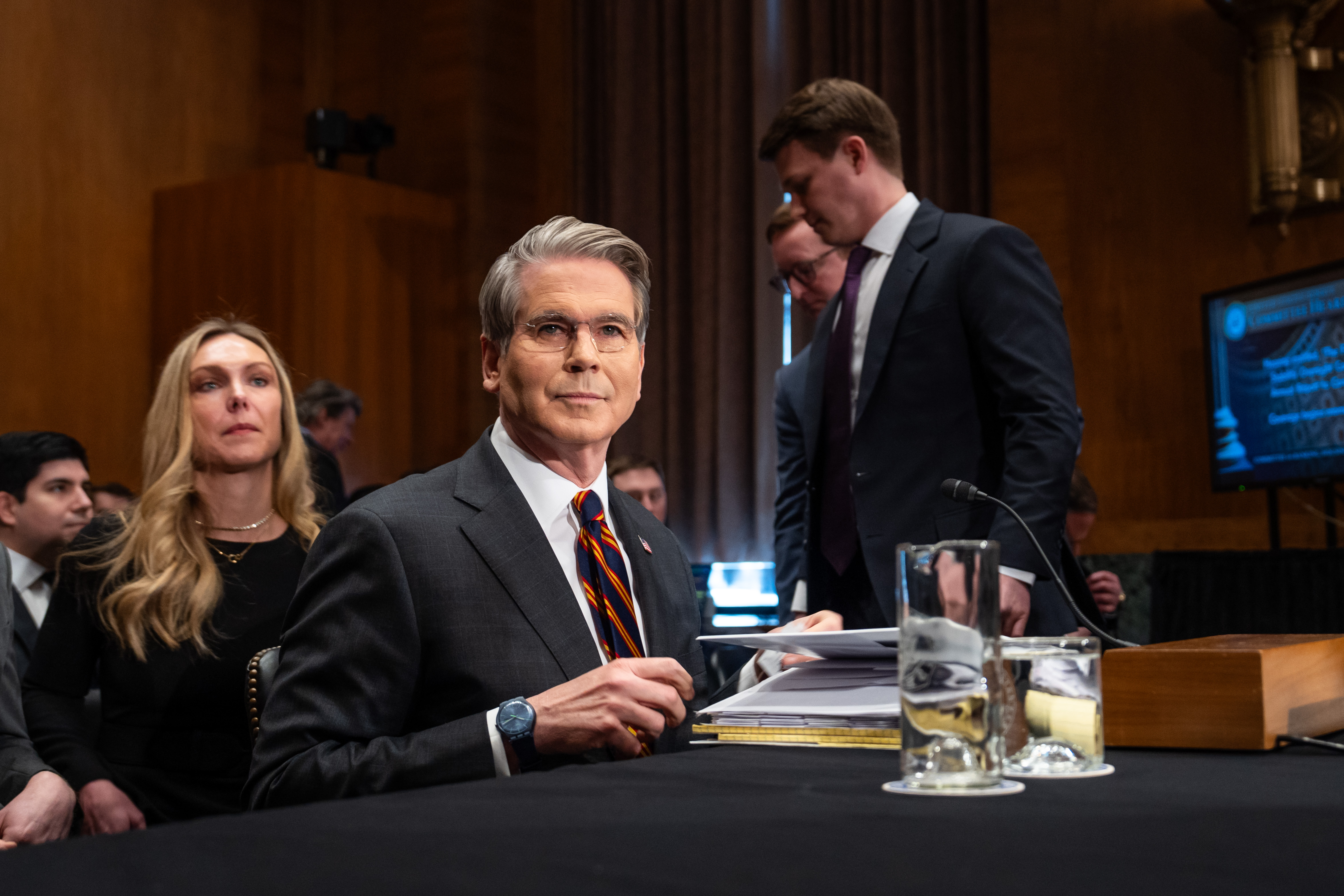
U.S. Treasury Secretary Scott Bessent said that his agency will continue to “constrict the network of vessels, intermediaries, and buyers Iran relies on to move its oil to global markets.”
“Any person or vessel facilitating these flows—through covert trade and finance—risks exposure to U.S. sanctions,” he said in a statement.
Tommy Pigott, spokesperson for the U.S. State Department, described the sanction as part of the administration’s “maximum pressure campaign” to “hold Tehran accountable for its regional aggression and threats to American interests.”
“The administration remains focused on ensuring the Iranian regime cannot use illicit oil revenues to advance its malign agenda while the Iranian people continue to suffer from economic mismanagement and repression,” he said, noting that the United States plans to intensify economic pressure on Iran and the international network sustaining its energy trade.