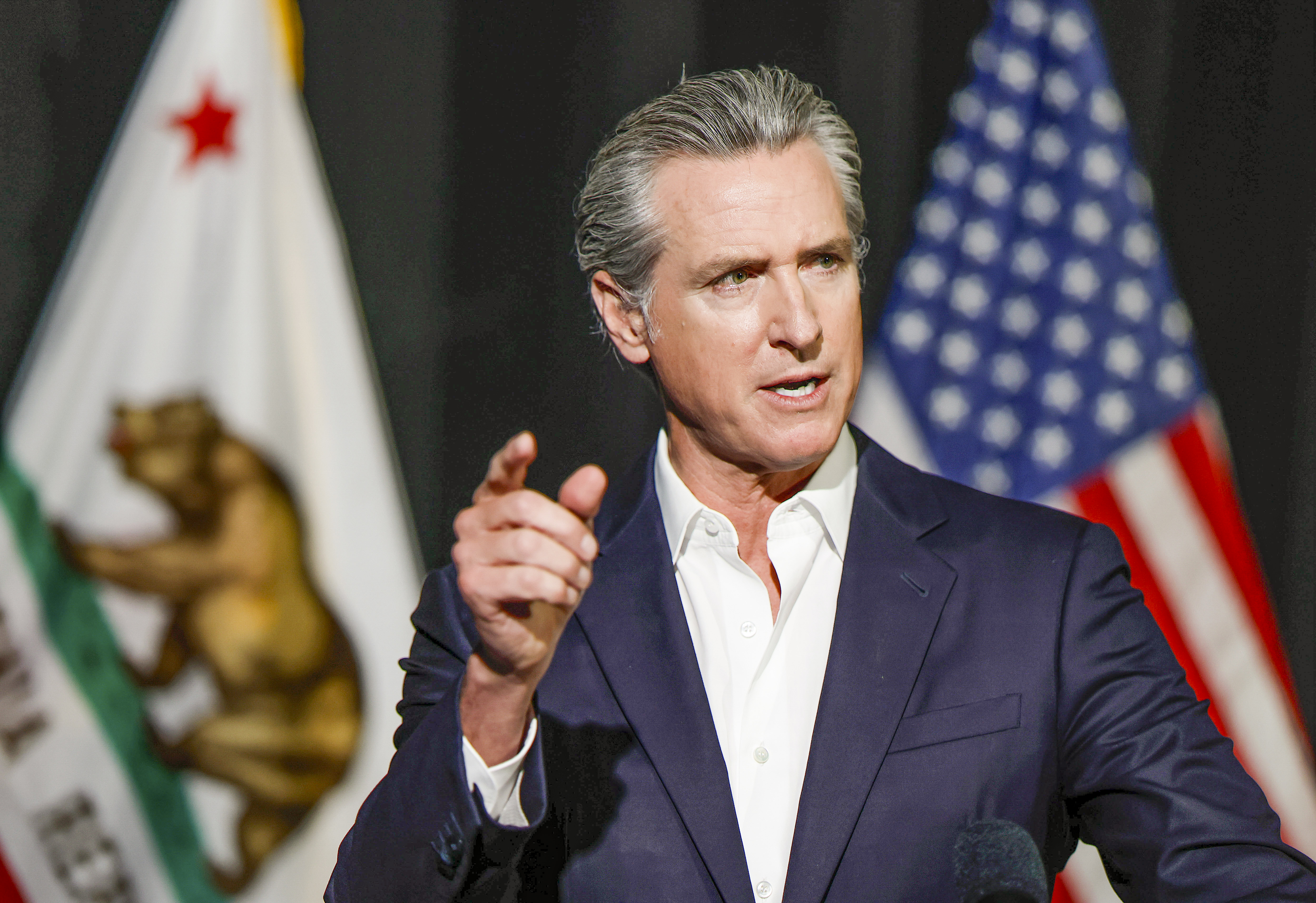

California Gov. Gavin Newsom vetoed bipartisan legislation Sept. 20 to lower the retirement age for law enforcement and firefighters and increase benefits, saying changes in the bill would be too costly for state and local governments.
The governor said the measure would reverse reforms made in the Public Employees’ Pension Reform Act (PEPRA) of 2013 and “significantly increase state and local government costs.”
Newsom also said the changes would widen a retirement benefit gap between public safety members and non-safety members, inviting future changes that would expose the retirement system to more risk.
State lawmakers passed Assembly Bill 1383 on Aug. 30 in nearly unanimous votes, with only two Assembly members opposing the measure.
The legislation passed the state Senate 33-0 and the Assembly 69-2.
The bill would have lowered the retirement age for public safety workers from 57 to 55 and allowed maximum accrual rates to increase from 2.7 percent to 3 percent per year of service.
It also lifted salary limits used to calculate pension payouts to match higher federal ceilings and allowed unions and local governments to renegotiate employee contribution requirements.
The California State Association of Counties, League of California Cities, California Special Districts Association, Rural County Representatives of California, and Urban Counties of California issued a joint statement on the veto Sept. 20 thanking the governor.
“At a time of severe fiscal uncertainty and growing demand for services, it is more important than ever for state leaders to help control costs,” the groups said in the statement.
The legislation would have added billions in new costs and liabilities statewide over the next few decades, the group added.
The San Francisco Police Officers Association was “deeply disappointed” by Newsom’s rejection of the legislation, the organization said in a statement Sept. 21.
Police officers, firefighters, labor organizations, and elected officials came together from across California to support the proposal that they said modernized public safety retirement benefits and strengthened recruitment and retention.
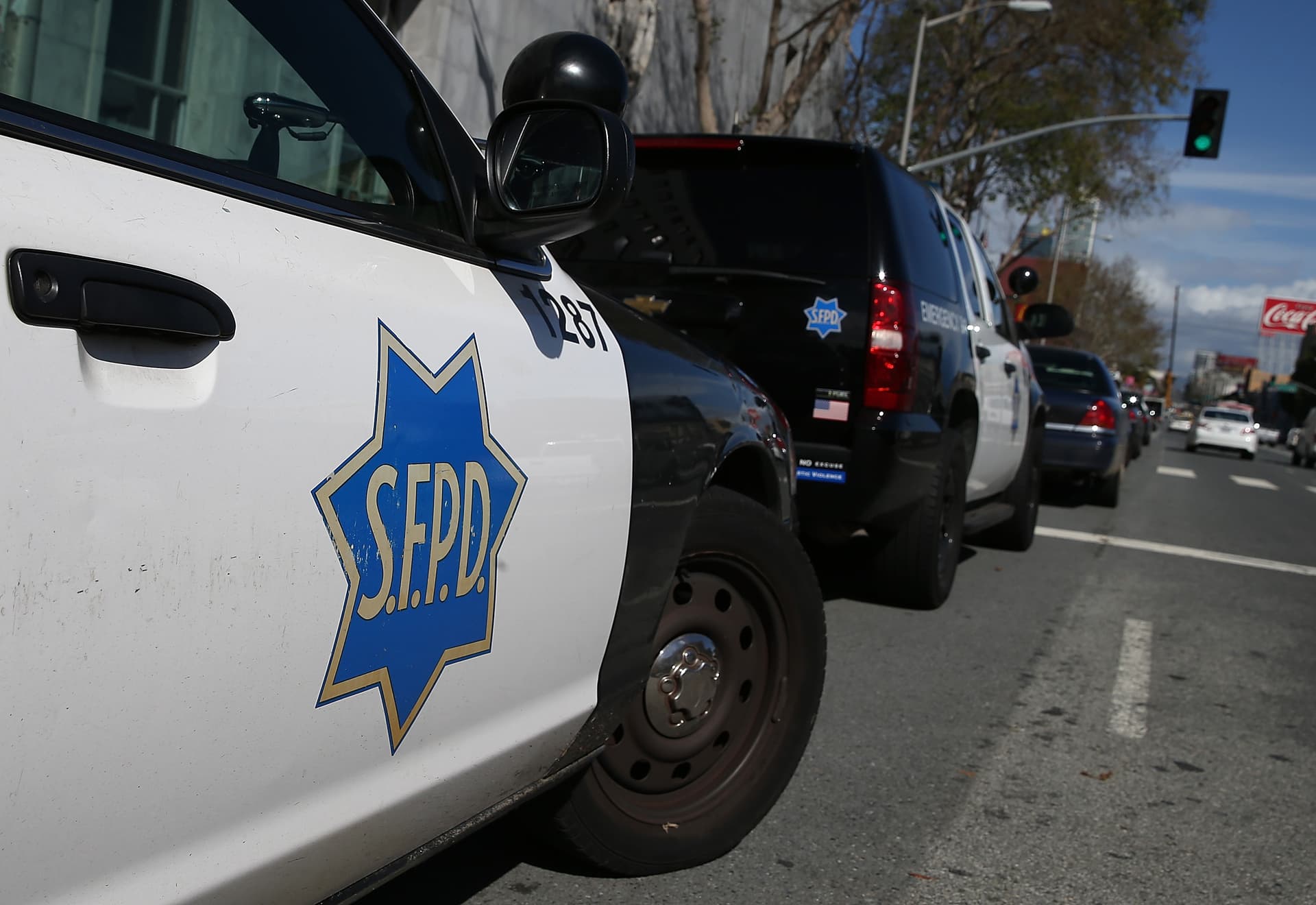
Police cars in front of the Hall of Justice in San Francisco on Feb. 27, 2014. (Justin Sullivan/Getty Images)
“Gov. Newsom had an opportunity to stand with the men and women who protect California’s communities,” the association stated. “Despite overwhelming bipartisan support, he rejected this important legislation.”
The Peace Officers Research Association of California (PORAC) also called Newsom’s rejection disappointing and vowed to keep fighting for reform.
“California’s peace officers deserve retirement policies that reflect the realities of their service,” PORAC posted on social media.
The California Policy Center, a nonprofit focused on education, estimated the bill’s changes would generate $338 million or more in new annual cost contributions for local governments and school districts and $3.6 billion or more in liability increases for the state.
Mariana Trujillo, managing director of the Reason Foundation, estimated the cost of the bill could reach as much as $15 billion in additional pension benefits.
“Public safety unions don’t want to admit outright that they want taxpayers to fund more lavish benefits for their highest-paid members, so they argue that these increases in retirement benefits are necessary to address recruitment and retention challenges,” Trujillo wrote in a statement about the bill.