Key Nutrients
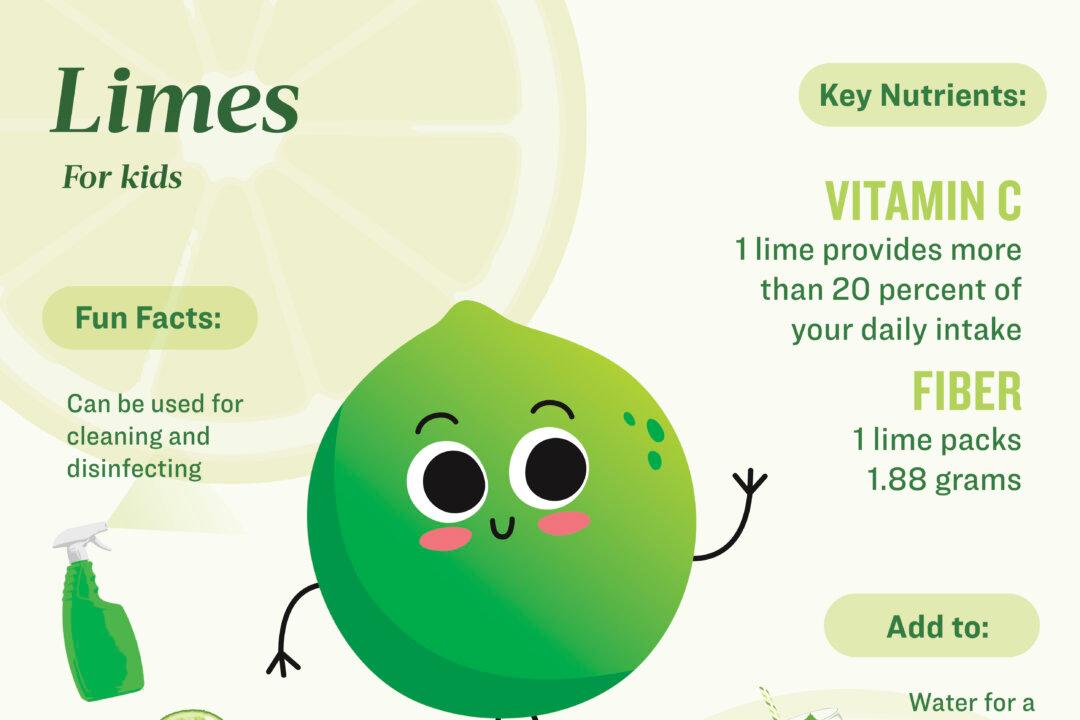
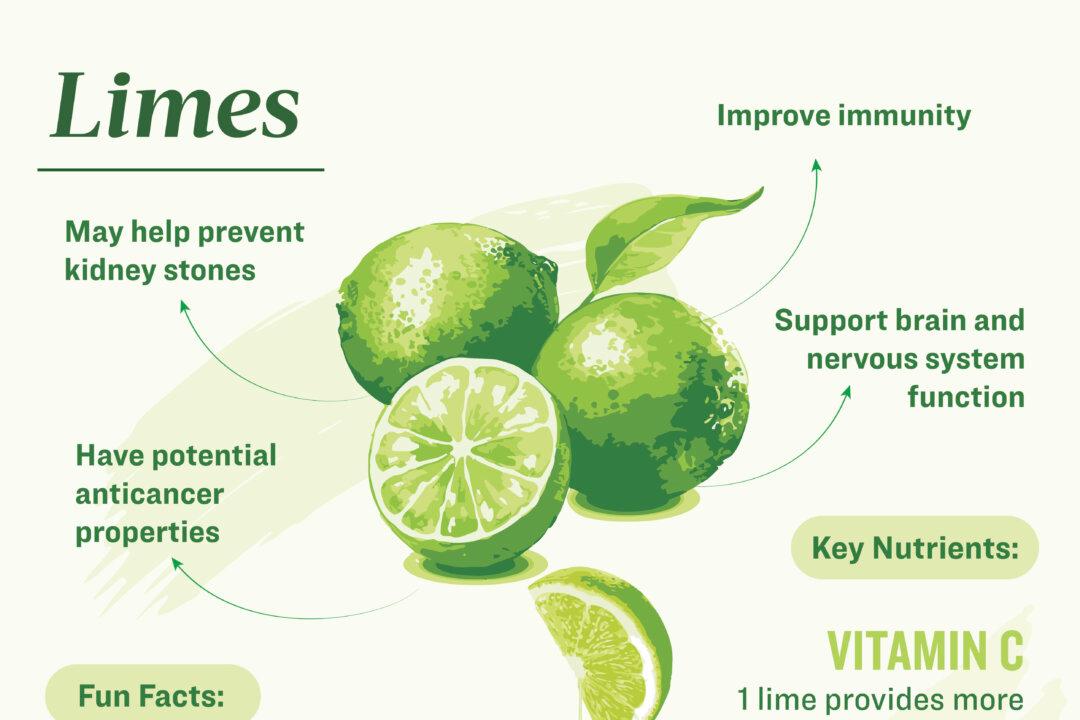
- Rich in Vitamin C: One lime provides more than 20 percent of your daily vitamin C requirement, supporting the immune system and aiding in collagen production for healthy skin, strong joints, and wound healing.
- High in Citric Acid: Citric acid helps prevent kidney stones and enhances iron absorption.
- Good Source of Fiber, Low in Calories: One lime provides 1.88 grams of fiber while containing just 20 calories.
- Packed With Essential Nutrients: Limes contain potassium, magnesium, phosphorus, calcium, folate, and choline, along with small amounts of vitamins A, E, and K.
Health Benefits
Beyond their rich nutrient content, limes have been linked to several health benefits. However, most studies have yet to be conducted on people.
May Help Prevent Kidney and Gallbladder Stones
Limes contain citric acid, which occurs naturally in citrus fruit, berries, and some vegetables. The antioxidants in citric acid make it a valuable addition to foods, medicines, and other products. It acts as a preservative and helps prevent kidney and gallbladder stones.
Supports Brain and Nervous System Health
The antioxidants in limes can cross the blood-brain barrier and protect neurons from inflammation. Additionally, limes are rich in magnesium and potassium, essential nutrients that support nerve signal transmission, regeneration, and repair.
Potential Anticancer Properties
A 2023 preclinical study published in Molecules focused on how phytochemicals in lime peel extract may help fight liver cancer, although it has not yet been tested on humans.
Other Benefits
Limes support digestion by stimulating digestive enzymes, which can improve constipation and bloating. Additionally, their antioxidants combat free radical damage, which accelerates aging. Their high vitamin C content makes them a popular ingredient in skin care products.
Fun Facts
- Christopher Columbus introduced lime seeds to the West Indies in 1493, and lime trees soon spread throughout the region, including Mexico and Florida.
- Most limes eaten in North America are Persian limes, a hybrid between key limes (Citrus aurantiifolia) and lemons (Citrus limon).
- Most limes are seedless—not because of genetic modification but because they reproduce through parthenocarpy, a process that allows fruit to develop without fertilization.
- With their high citric acid content, limes naturally kill bacteria, remove stains, and deodorize, making them excellent for cleaning and disinfecting.
- Limes come in various sizes and flavors. Persian limes are large and thick-skinned, key limes are small and tart, Kaffir and Thai limes are common in Southeast Asian cuisine, sweet limes are mild and grown in the Mediterranean, and finger limes, native to Australia, are known for their unique “lime caviar.”
Absorption Optimization: How to Increase Absorption
The vitamin C in limes and other citrus fruits helps the body absorb iron when eaten with plant-based sources of iron (nonheme iron) such as beans, lentils, leafy greens, quinoa, tofu, and molasses. Adding a fresh squeeze of lime to foods such as black beans, spinach, or quinoa can enhance iron absorption.
- Zest lime peel into foods and drinks.
- Dry lime peels, then grind them into a powder to sprinkle over meals and beverages.
- Candy lime peels to create a sweet treat.
- Make citrus sugar or finishing salt to sprinkle over dishes or desserts.
Pantry Pro Tip
Avoid heating lime to preserve its vitamin C. Since vitamin C is sensitive to heat, add lime juice to dishes after cooking to retain its nutritional benefits.
Precautions
Medication Interactions: Some compounds in limes may interact with certain medications, particularly those broken down by the liver. Lime juice can increase the effects and side effects of drugs such as lovastatin (Mevacor), ketoconazole (Nizoral), itraconazole (Sporanox), fexofenadine (Allegra), and triazolam (Halcion).
Optimal Storage
According to the University of California–Davis Postharvest Technology Center, limes should last a few days at room temperature if kept out of direct sunlight, which can degrade nutrients. Storing them in a vented plastic bowl or perforated plastic bag can help retain moisture.
Recipe: Cilantro Lime Rice
Bright, zesty, and flavorful, this cilantro lime rice is packed with vitamin C and antioxidants to support immunity and digestion while enhancing iron absorption.
- 2 cups white rice (jasmine or basmati rice work well)
- 1/2 bunch fresh cilantro, coarsely chopped
- 1 to 2 tablespoons high-quality oil (preferably olive oil)
- 2 limes, freshly juiced
- A pinch of salt, to taste
Instructions:
- Cook the rice as usual. While it cooks, wash and chop the cilantro.
- In a large bowl, combine cilantro, oil, lime juice, and salt. Mix well and set aside.
- Once the rice is cooked, slowly add it to the bowl with other ingredients, mixing thoroughly until well-coated.
- Add more oil if rice is too dry, and adjust salt to taste. Serve and enjoy.
Lime Tips for Kids
Encouraging kids to eat healthy foods can be challenging, but a squeeze of lime can help! Adding lime to these foods and beverages enhances flavor and provides health benefits, making nutritious meals more appealing to fussy kids.
- Water: Add a squeeze of lime to a glass of water to boost flavor and keep kids hydrated.
- Popsicles: Mix lime juice into homemade popsicles for a burst of citrus flavor.
- Yogurt: Stir in lime juice or zest to add a refreshing twist.
- Fruit Salad: Drizzle lime juice over fresh fruit to enhance its natural sweetness.
- Fruit Smoothie: Blend lime juice with bananas, berries, and yogurt for a delicious citrusy treat.