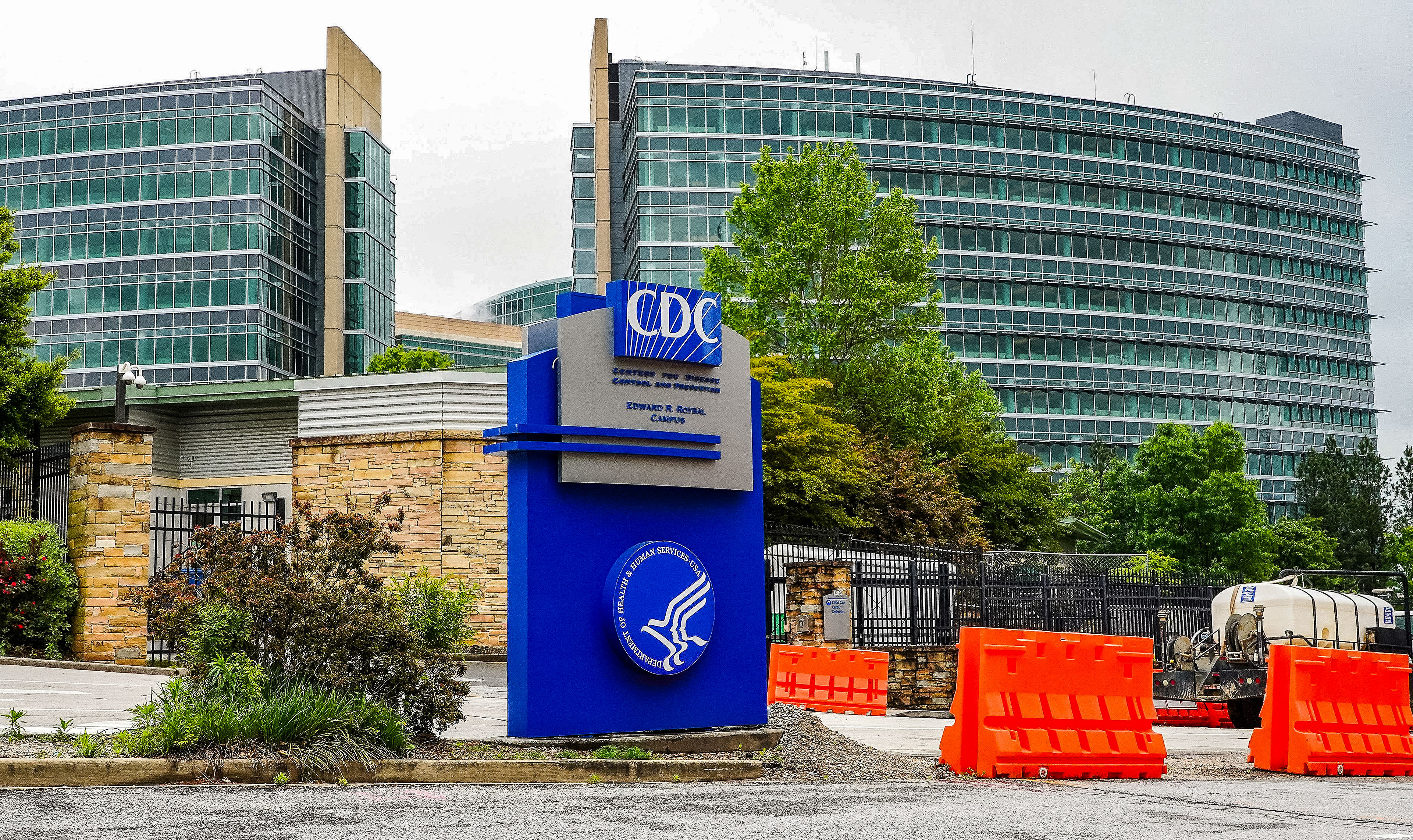

The Centers for Disease Control and Prevention released new influenza and COVID-19 data on Friday, showing that flu levels are continuing to increase.
As of Dec. 19, seasonal influenza emergency visits were listed by the agency as “moderate,” which is third out of a five-level system that ranges from “very low” to “very high.” The community viral activity for the flu, meanwhile, was listed as low.
“Seasonal influenza activity continues to increase across the country,” the CDC said.
In the agency’s Dec. 12 update, influenza emergency department visits were listed as low, according to an Epoch Times review.
Cases in New York state have increased significantly in recent weeks, according to data released by the New York State Department of Health.
There were more than 47,500 flu cases and 2,250 associated hospitalizations for the week ending Dec. 13, the state health agency data show. That is up from around 24,000 flu cases and nearly 1,400 hospitalizations for the previous week.
Health researchers this week said that a newly discovered flu variant, called subclade K or clade K, has been a factor in driving up cases this year. Recent CDC data show that among the common flu strains it tested, about 89 percent were clade K.
“We’re still in the middle of trying to figure out whether it’s producing worse illness or whether what we’re seeing is a large number of cases that are increasing, and then there’s a correspondingly similar increase in terms of the severe illness,” Andrew Pekosz, a professor and vice chair of the department of molecular microbiology and immunology at the Johns Hopkins Bloomberg School of Public Health, said in a news conference on Wednesday.
Pekosz was responding to a question about whether the flu variant is causing more severe disease.
Meanwhile, an official with the World Health Organization (WHO) said on Dec. 17 that the clade K variant is “driving infections” across Europe, accounting for up to 90 percent of confirmed influenza cases there. But WHO said there is no evidence that it is causing more severe infections in people.
A number of diseases tend to peak in the winter. The list includes not only colds, flu, and COVID-19, but also norovirus—a highly infectious cause of vomiting and diarrhea. Norovirus cases have generally been trending up in the past month.
Overall, respiratory activity for flu, COVID-19, and respiratory syncytial virus (RSV) was marked as low, with COVID-19 emergency visits listed as very low and RSV as low, according to the CDC update on Friday.
It added that “RSV activity is increasing in the Southeastern, Southern, and Mid-Atlantic areas of the country with emergency department visits and hospitalizations increasing among children 0–4 years old,” according to the website.
On its website, the CDC is recommending that people aged 6 months and older, with rare exceptions, receive a flu vaccine. It also says that getting an annual shot can reduce the risk of infection or developing serious health complications from the viral infection.
The CDC last week said that highly pathogenic avian influenza, or bird flu, cases across the United States are currently at low levels. Since 2024, there have been 71 confirmed human cases and two deaths.
The Associated Press contributed to this report.