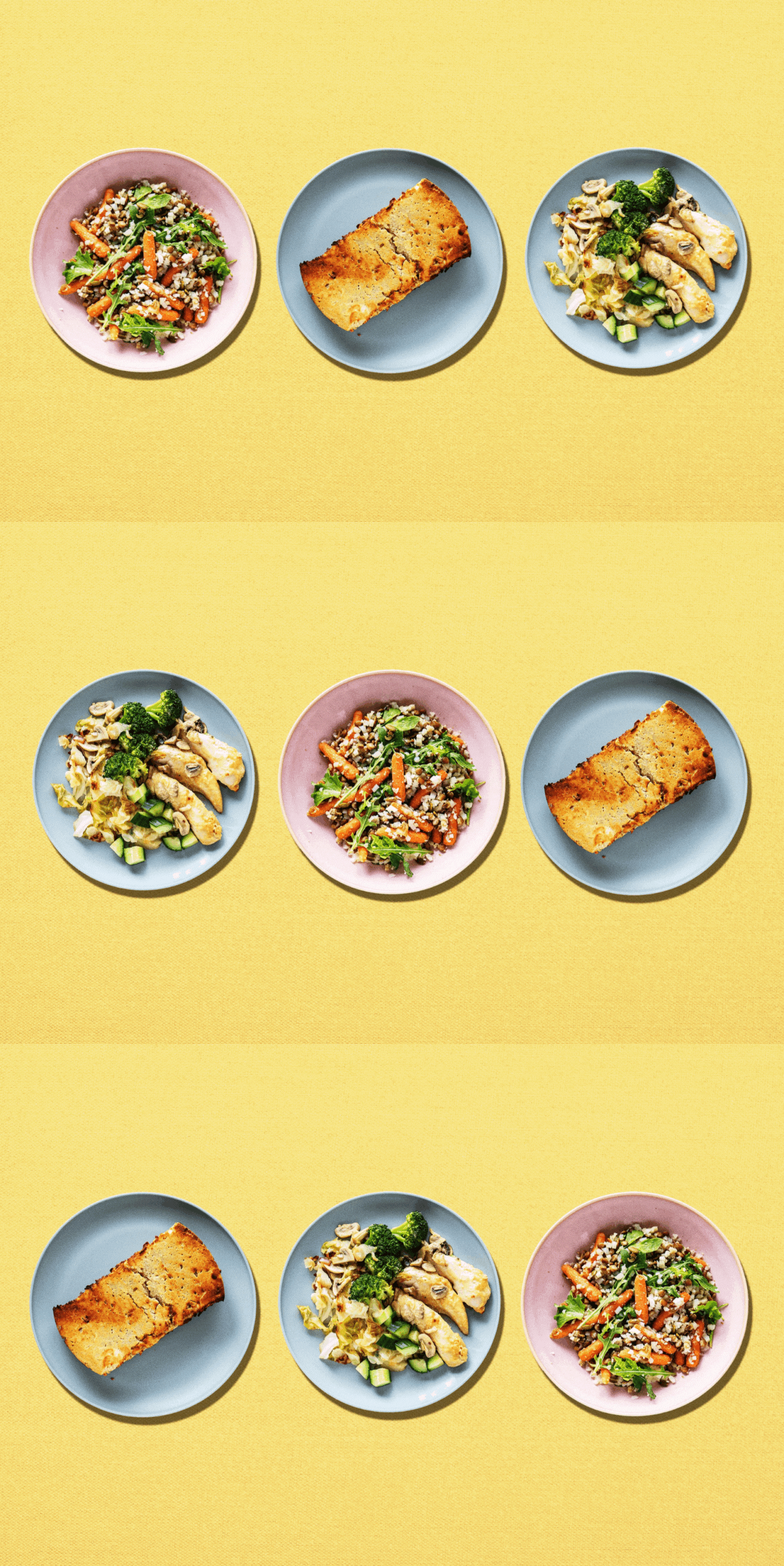

How a Meal Plan Can Support Type 2 Diabetes
A low-carbohydrate, healthy-fat, and protein meal plan emphasizes the foundations for Type 2 diabetes management: steady blood sugar, enough protein, plenty of fiber, and mostly whole, minimally processed foods.
A Sample Meal Plan for Type 2 Diabetes
This sample meal plan works best when you use fresh, mostly organic, whole foods and carefully chosen sweeteners to support steady blood sugar levels. Avoid changing key ingredients—especially flours and sweeteners—as they may alter the intended blood sugar benefits.
Breakfast: Vanilla Protein Loaf

- 2 cups organic almond meal
- 1 cup grass-fed vanilla whey protein powder (stevia sweetened)
- 3/4 cup desiccated coconut
- 1/2 cup organic butter or ghee
- 1/2 cup milk of choice
- 1/2 cup allulose sweetener (or monk fruit equivalent)
- 1 egg
- 1 tsp vanilla powder or extract
- 3/4 teaspoon baking soda
- Pinch of Himalayan salt
- Optional: 10 drops liquid stevia, or to taste
Method
- Preheat oven to 350 F, fan‑forced. Line a small slice tin with baking or parchment paper.
- In a medium saucepan, gently melt the butter or ghee over low heat. Stir in the baking soda until dissolved.
- Remove from heat. Add almond meal, whey protein powder, and desiccated coconut. Mix well to form a thick, even dough. Add liquid stevia if you prefer a sweeter cookie.
- Press the mixture firmly and evenly into the prepared tin.
- Bake for 20 to 25 minutes, until golden brown on top. The longer it bakes, the crisper the loaf becomes. One portion of the loaf is one slice. One slice per meal is the serving size.
Air Fryer Option
- Bake at 320 F for 12 to 15 minutes or until cooked through.
- Allow to cool completely in the tin, then cut into pieces. Store in an airtight container in the refrigerator.
Lunch: Lentil Cauli Rice Nourish Bowl
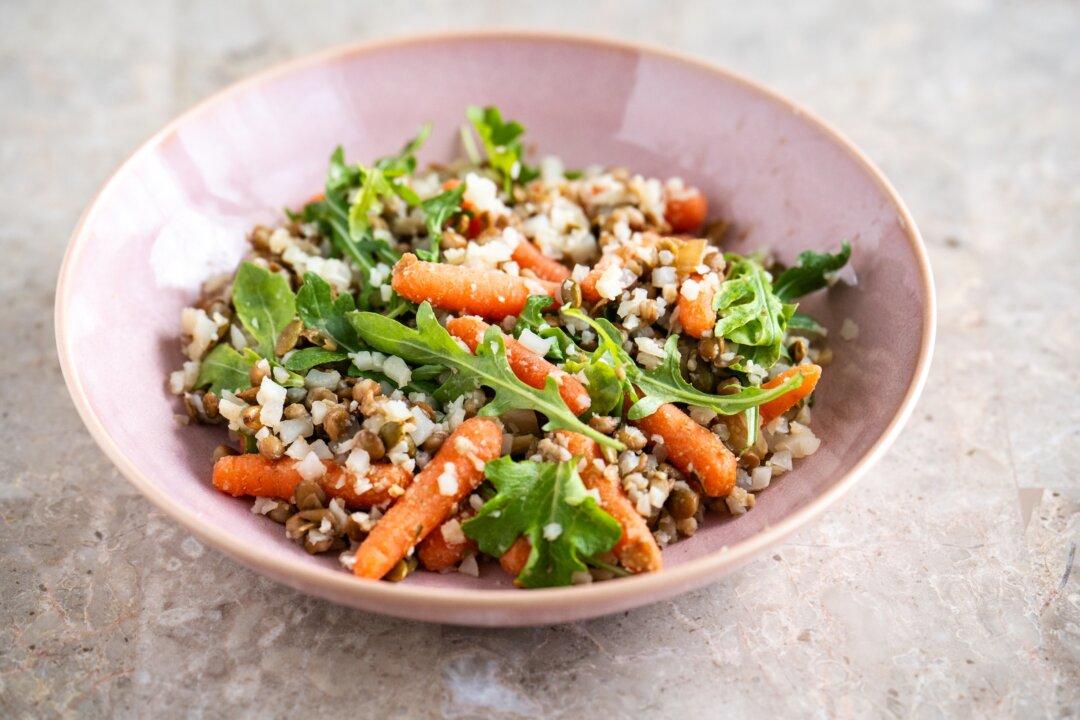
- 3/4 to 1 cup cooked organic lentils
- 2 cups mixed cooked vegetables (such as cabbage and carrots)
- 1 cup cooked cauli rice—store-bought frozen and heated is fine (or to make cauli rice, pulse cauliflower florets in a food processor or chop into small pieces, then cook lightly by sautéing, or roasting until tender-crisp)
- 1 to 2 tablespoons extra‑virgin olive oil
- 1 tablespoon lemon juice or apple cider vinegar
- 1/2 to 1 teaspoon dried herbs such as oregano or thyme
- Pinch of Himalayan or sea salt, to taste
- 2 tablespoons pumpkin seeds
Method
- Add the warm cooked lentils, mixed vegetables, and cauliflower rice to a large bowl.
- In a small bowl or jug, whisk together the olive oil, lemon juice or vinegar, dried herbs, and salt.
- Pour the dressing over the lentil and vegetable mixture and toss gently until everything is well coated.
- Sprinkle the pumpkin seeds over the top and serve warm or at room temperature.
Dinner: Miso‑Glazed Chicken With Greens and Mushrooms
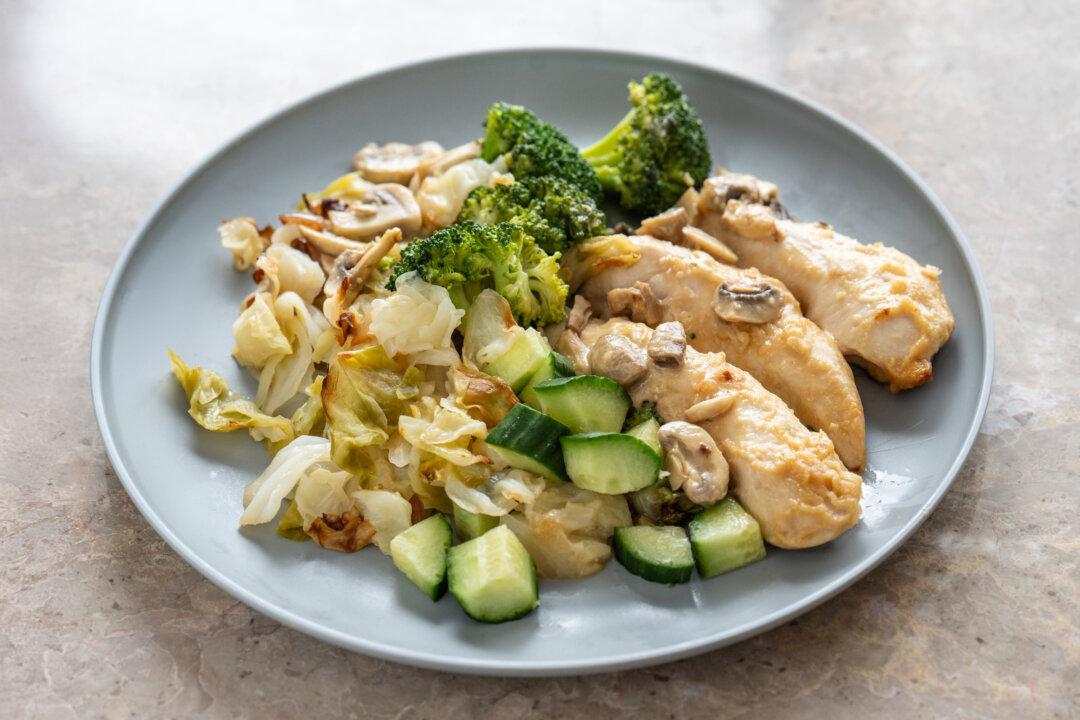
- 1.5 pounds boneless, skinless chicken thighs or breasts, trimmed
- 1 head of broccoli, quartered lengthwise
- 6 ounces button mushrooms, sliced
- 2 tablespoons extra‑virgin olive oil, divided (1 tablespoon for veggies, 1 tablespoon in glaze)
- Pinch of sea salt and black pepper
Miso Glaze
- 3 tablespoons white miso paste
- 3 tablespoons water
- 1 tablespoon extra‑virgin olive oil
- 1 teaspoon lemon juice
- 1 to 2 cloves garlic, minced (optional if tolerated)
- 1/8 teaspoon black pepper
For Serving
- Steamed then roasted chopped green cabbage (about 1 cup per person)
- 1 continental cucumber, chopped into bite-sized pieces for crunch
Method
- Preheat the oven to 400 F. Line a large baking sheet with parchment paper.
- In a small bowl, whisk together the miso paste, water, olive oil, garlic (if using), and black pepper until smooth. Set aside.
- Add the chopped broccoli and sliced mushrooms to the prepared baking sheet. Drizzle with 1 tablespoon olive oil, season lightly with salt and pepper, and toss to coat. Spread into an even layer, leaving space for the chicken.
- Pat the chicken dry with paper towels and place the pieces on the baking sheet among the vegetables.
- Brush the chicken and vegetables generously with the miso glaze, reserving a little if you’d like extra for serving.
- Bake for 15 to 20 minutes, or until the chicken is cooked through (internal temperature 165 F and the vegetables are tender and browned at the edges.
- While the tray bakes, steam cabbage until just tender. Add cabbage to oven to crisp for five minutes. Remove all trays from the oven and sprinkle chopped cucumbers throughout the dish.
- Serve the chicken and vegetables over the cabbage, drizzling with any pan juices and remaining glaze.
Pro Prep Tips: Keep some boiled eggs aside in the fridge if you feel hungry after your meals. One or two of them will help you feel full until your body adjusts to a new eating pattern. Cut the breakfast slice into individual portions, keeping some aside in the fridge and freezing for quick meals during the week. Precook 2 cups of lentils to add to meals for a week.
Lifestyle Tips to Support Type 2 Diabetes Management
Build meals around non‑starchy vegetables, lean proteins (fish, chicken, eggs, beans), and small portions of whole grains or starchy foods. This combination slows digestion, reduces blood sugar spikes, and helps keep your energy and glucose levels more stable after eating.
FAQ
Q: Why does this plan use allulose, monk fruit, and stevia instead of regular sugar?
A: These sweeteners have little to no impact on blood sugar compared with regular sugar, which helps keep the Vanilla Protein Slice more diabetes‑friendly when used in moderation. They allow sweetness without the same glucose spikes that table sugar or honey can cause.
Q: Can I swap the lentils or cauliflower rice in the lunch bowl for something else?
A: Yes, but changing these ingredients can affect blood sugar control, because lentils and cauliflower rice are higher in fiber and have a gentler effect on blood glucose than many starches. Swapping in white rice or potatoes, for example, may lead to quicker and higher blood sugar rises. If you choose to add a grain, it will change the carbohydrate content, so it is best to keep the portion small and have a higher‑fiber option like brown rice or quinoa.
Q: Can I replace the chicken with another protein?
Disclaimer
This information is for general education and is not a substitute for individual medical care, diagnosis, or treatment. Seek urgent or emergency help right away if you develop red‑flag symptoms such as severe weakness or confusion, trouble breathing, chest pain, or signs of a serious infection.