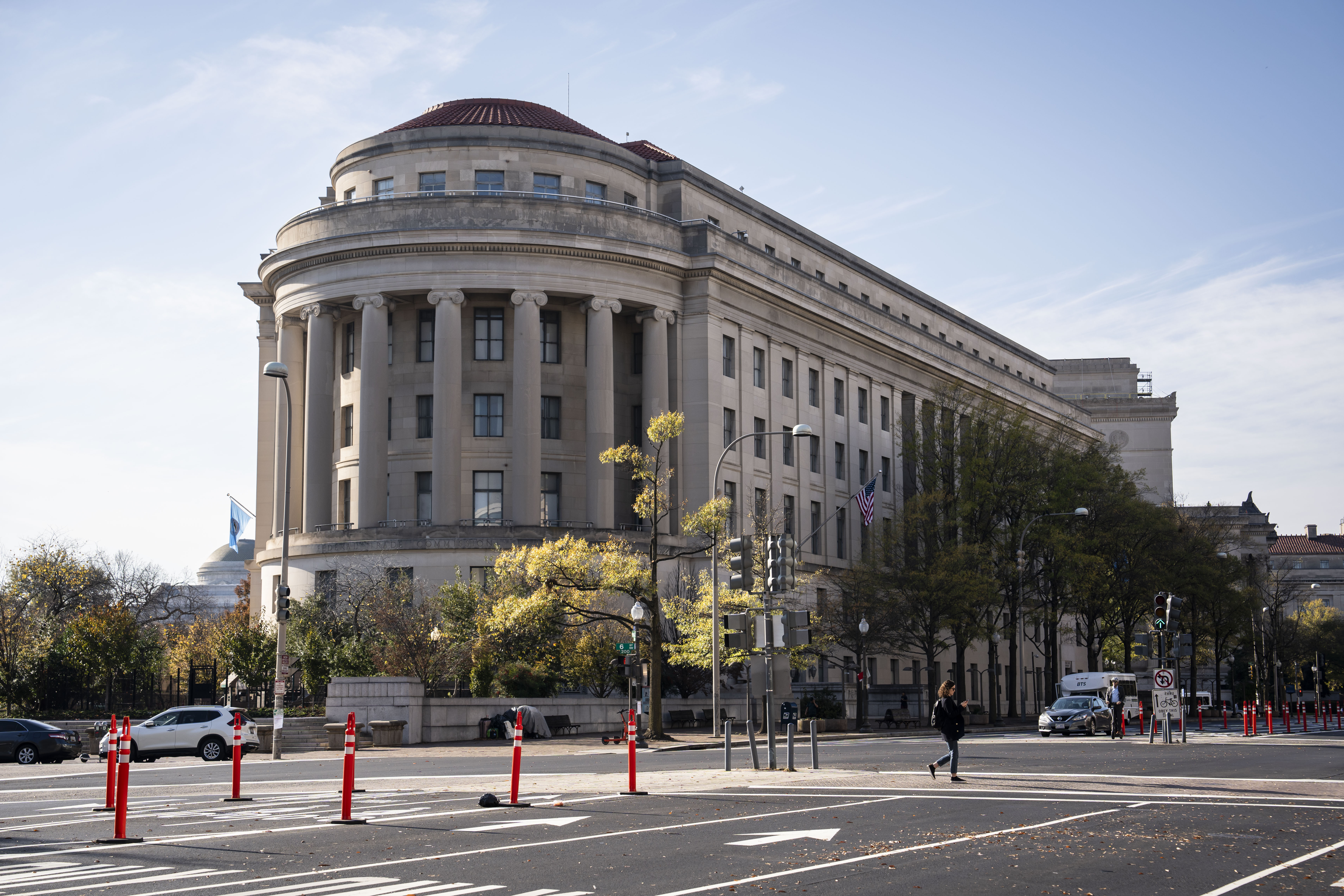

Multilevel marketing company Amway and two affiliates have agreed to pay $225 million to settle accusations of engaging in fraudulent business practices, according to the Federal Trade Commission (FTC).
The settlement resolves allegations from the FTC and Washington State that Amway, one of the largest multilevel marketing (MLM) companies in the United States, used “unfair and deceptive” tactics to recruit people, the agency said in a Sept. 17 statement.
“Amway and its affiliates misled prospective workers with false earnings claims and then pressured them to buy Amway products they were unlikely to be able to sell,” Christopher Mufarrige, director of the FTC’s Bureau of Consumer Protection, said in the statement.
“The FTC will not tolerate any company deceiving workers—whether through deceptive earnings claims or by promoting reports of false sales to make direct selling or multilevel marketing opportunities look appealing to consumers.”
According to the complaint, the FTC alleged that the defendants violated the Federal Trade Commission Act’s Section 5(a), which bans deceptive or unfair practices in commerce. The State of Washington alleged that the defendants violated its Consumer Protection Act.
The complaint, filed in the U.S. District Court for the Western District of Washington on Sept. 17, said that Amway offers a money-making opportunity to people who join the company, referred to as Independent Business Owners (IBOs), to run their own business selling consumer products, including nutritional supplements, energy drinks, and health and beauty items.
Its associates, World Wide Group (WWG) and Leadership Team Development (LTD), recruit additional members through existing affiliates. WWG and LTD told new recruits to stock up on certain amounts of Amway products. This was done to generate bonus revenues, and not necessarily to resell.
The new recruits were encouraged to recruit more members rather than sell Amway products to keep receiving bonuses. Presentations from WWG and LTD claimed that members with a team of 25 to 48 affiliates could earn around $40,000 annually.
However, most members fell short of meeting the targets. “Only about 1 percent—fewer than 1,600 IBOs out of more than 241,000 IBOs—received $40,000 or more in bonuses from Amway in 2023,” according to the complaint.
In its statement, the FTC said that most of the $225 million in settlement will go to IBOs who lost money after joining WWG and LTD.
The proposed settlement order also requires Amway, LTD, and WWG to implement certain changes to their practices, such as encouraging members to sell company products, rather than depend on bonus revenues, and offering free training to new members.
According to the agency, this is the largest monetary recovery secured from an MLM company under an FTC action.
Company Response
Commenting on the settlement, Amway said in a Sept. 17 statement that it fundamentally disagreed with the FTC and Washington state’s characterization of its business.
“Amway rejects the agencies’ assertion that the company’s sales data is not accurate. In fact, Amway and the FTC have agreed to rely on our sales data to continue tracking and substantiating IBO customer sales,” the company said.
“This settlement, like all settlements, required compromise. Resolution positions us to move forward and focus our energy where it belongs: on our customers, IBOs and employees.”
In June, the FTC announced it had sued MLM company Amare Global Holdings Inc. over allegedly misleading claims made to recruits about their potential earnings.
The company was also accused of lying to customers that its dietary supplements could cure or treat conditions such as anxiety, ADHD, and depression.
In April, the FTC announced action against two senior-level participants at the MLM company LifeWave, accusing them of deceiving people about how much money they can make from sales and member recruitment.