We know exactly how to prevent and reverse many of our deadliest diseases. The science is settled and the results are proven—Medicare will even pay for it. There’s just one problem: getting people to do it.
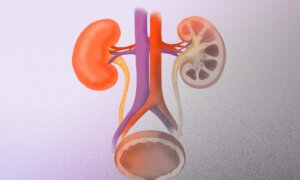
In the 1940s, Dr. Walter Kempner demonstrated that diet alone could reverse diseases previously thought to be irreversible, such as malignant hypertension and kidney and heart failure. Although many patients were critically ill with only months to live, the battle wasn’t against disease; it was against human nature.
Almost a century later, the challenge remains unchanged.
In a culture in which a pill or procedure has become the solution to most of our ills, a therapeutic diet is hard to get excited about. It’s slow, requires eating foods you may not like, and takes away many of the ones you do—but most of all, it’s a lot of work.
However, some doctors have succeeded, demonstrating that with considerable time and effort, it is possible to empower patients to take control of their health by understanding that sustainable dietary change is about more than food alone.
The Rice Diet Revolution
In 1944, at an American Medical Association meeting in Chicago, Kempner presented groundbreaking
research showing that patients with severe hypertension and kidney disease—considered untreatable at the time—improved dramatically on a strict diet composed almost entirely of rice and fruit.
Over several years, Kempner carefully tracked 150 patients, finding that the diet not only stopped the progression of their illnesses, but also, in many cases, reversed the damage. Kempner’s work was one of the first demonstrations that serious chronic diseases could be improved through diet alone.
The stakes were life and death. Kempner’s patients had been sent home by other doctors with nothing left to offer. Rice placed the least burden on the body and its failing organs, giving them a chance to heal. Once patients improved, they were allowed to eat small amounts of fruit.
However, even though death was on the line, getting patients to comply was an ongoing challenge.
To get patients to adhere to an extreme diet, Kempner used extreme measures. He demanded full compliance from his patients and was not averse to yelling and rebuking when they slipped. He later admitted to whipping several patients under his care who strayed from the diet, although a colleague who worked with him for more than 40 years said those patients had either consented or suggested it, knowing what they had to lose if they failed.
Kempner ignited a spark that subsequent doctors fanned into a flame, now known as lifestyle medicine.
“The Rice Diet certainly played an important role in getting the lifestyle medicine movement to where it is today,” Noah Praamsma, nutrition education coordinator for Physicians Committee for Responsible Medicine, told The Epoch Times.
“It focused on diet; Kempner would also often prescribe walks and naps. Today, we know that food is a huge part of health, but also that exercising and managing stress are important, too.”
The Challenges of Dietary Change
Lifestyle medicine uses changes in the way we live to prevent, treat, and often reverse chronic diseases. However, changing daily behaviors—especially what we eat—is not easy.
Food is intrinsically linked to the brain’s emotional and reward systems. Many common foods today, such as those high in fat, sugar, or salt, stimulate the brain’s dopamine pathways, providing comfort, pleasure, and emotional relief, especially when we’re feeling stressed, sick, or overwhelmed and naturally gravitate toward comfort foods. Removing or restricting these foods can feel like a significant loss, making dietary changes emotionally challenging.
Illness and increased stress also drain energy, both mentally and physically. Factors such as pain, anxiety, and fatigue draw on the brain’s limited resources, leaving less energy for learning new habits and resisting cravings.
Our sense of taste and our sensory perception also have roles to play. Our taste preferences are learned and reinforced over time and are tied to our brain’s reward system; therefore, they take time to adjust. When we add unfamiliar or healthier foods to our diet, they may seem bland or unsatisfying because our brains are calibrated to different foods—often those with stronger sensory associations, such as foods high in fat, salt, and sugar. Although our taste preferences can adapt, the process takes time and may make the new diet feel unrewarding and unsatisfying at first.
Food also has deep social and cultural ties and is fundamental to many family traditions, relationships, and even our sense of personal identity. Changing how and what we eat can disrupt these routines and create feelings of loss and isolation. Eating isn’t just about nutrients; it is more often about comfort, connections, and our sense of belonging. A major dietary change can feel like a disruption to familiar patterns in our lives, making it challenging to stick with.
Building a Support System
Despite the challenges, several pioneering doctors have developed systems that go beyond simply making dietary recommendations and that support patients through a structured process with clear rules, in which success can be measured and new habits can be formed and practiced.
Dr. Dean Ornish is a physician, researcher, and author—and one of the first doctors to scientifically prove that lifestyle changes, including diet, can reverse chronic diseases. He began with heart disease, and later demonstrated similar benefits for prostate cancer, diabetes, and Alzheimer’s disease.
Ornish first found evidence that heart disease could be reversed through lifestyle changes in 1977, when he conducted his first study as a second-year medical student. Back then, he said, no one believed it.
“At the time, people viewed heart disease the way they view Alzheimer’s today, that once you had it, the best you could hope to do was to slow down the rate at which it got worse,” Ornish told The Epoch Times.
However, after conducting multiple studies, he found that making major changes to diet and lifestyle—specifically eating well, moving more, reducing stress, and loving more—could not only slow disease, but also, in many cases, reverse it.
The Program
Ornish went on to found Ornish Lifestyle Medicine, a nine-week comprehensive program designed to prevent, treat, and, in many cases, reverse the progression of heart disease. The program is built on four pillars:
- Eat Well: The program focuses on a very low-fat, whole food, plant-based diet. The diet has clear guidelines: no animal products except nonfat milk products and egg whites; no caffeine except green tea; no more than 10 percent of total daily calories can be fats; and no more than 10 milligrams of cholesterol daily.
- Move More: 30 minutes daily of moderate exercise.
- Stress Less: The program teaches a variety of techniques to manage stress more effectively, including meditation, breathing techniques, and yoga.
- Love More/Social Support: The program includes a structured social support system with small-group sessions and ongoing support from a multidisciplinary team.
Participants in the program receive two four-hour sessions per week over nine weeks. Each session includes one hour each of exercise, stress management, nutrition, and group support.
The program costs about $9,500 and is often covered by health insurance or Medicare for those who qualify. Multiple providers offer it.
“First, we were training hospitals and clinics to offer the program, and then when [the COVID-19 pandemic] hit, people didn’t want to go to the hospitals and clinics anymore,“ Ornish said. ”So we began doing it all via Zoom, and found that it worked just as well, in some ways even better, because now we could work with people wherever they live.”
Why It Works
The program delivers frequent, structured sessions that help create and reinforce new routines and habits such as cooking, meditating, and exercising. Regular group meetings mean that patients meet people just like them who are facing the same struggles. Participants receive medical supervision from a multidisciplinary team that provides ongoing monitoring and support, as well as practical training and tools, including recipes, grocery lists, hands-on classes on meal preparation, and clear rules about nutrition and exercise plans with precise steps to help participants reach their goals.
The program also has an exceptionally high adherence rate. In a Medicare demonstration, 98 percent of participants completed the initial three-month intensive program, and in one study, 88 percent continued following the lifestyle changes even after one year.
The Power of Time and Education
Dr. Caldwell Esselstyn is a surgeon, physician, and researcher at the Cleveland Clinic who has more than 40 years of experience. He takes a slightly different approach, focusing primarily on dietary changes to treat heart disease. The majority of his patients have severe heart disease and face a grim prognosis.
His diet rules are simple, straightforward, and non-negotiable. He has famously summed them up as: eating “nothing with a mother or a face, and no oil.”
His book “Prevent and Reverse Heart Disease” outlines simple do’s and don’ts:
- No meat, poultry, or fish
- No dairy products
- No oil of any kind (including olive oil)
- In general, no nuts or avocados due to their high fat content
However, followers of Esselstyn’s diet can eat all the vegetables, legumes, whole-grain products, and fruits other than avocado that they wish.
The diet delivers results quickly, often within the first few months. Patients report dramatic changes, including significant drops in cholesterol levels, no new cardiac events, and drastically improved angiograms showing widening of coronary arteries—considered a reversal of heart disease. To make adherence easier, he urges spouses to attend educational sessions and encourages patients to involve other household members.
Why It Works
Esselstyn said he is a bit old-fashioned and personally spends a great deal of time with his patients to understand their needs, educate them, and explain what they need to do to recover.
“The only way you’re going to get a lifestyle change is—you have to show a patient respect,” he told The Epoch Times. “And the only way that I know how to show a patient respect is to give them our time.”
Esselstyn leads a seminar he conducts approximately every six weeks as a single-day, five-hour presentation.
In the presentation, Esselstyn teaches patients about mechanisms, including endothelial damage, nitric oxide pathways, and the effects of high-fat meals on vessel walls. He goes over the exact rules, cooking demonstrations, before-and-after angiograms, and stories from patients who stuck with the program and got better.
In the documentary “Forks Over Knives,” Esselstyn said: “Some people think that the plant-based whole foods diet is extreme. Half a million a year will have their chests opened up, a vein taken from their leg, and sewn onto their coronary artery. Some people would call that extreme.”
Esselstyn also achieves excellent adherence rates, with one study finding that his patients maintained 89 percent adherence to his diet after 3.7 years.
Eating for Long-Term Health
Although the programs of Ornish and Esselstyn tend to treat patients in extreme circumstances with extreme diets, other doctors are using food to tackle health conditions before they become serious. An increasing number of physicians are helping patients improve their health and providing long-term strategies to stay healthy and prevent disease through better eating habits and a different relationship with food based on recommendations spanning the entire dietary spectrum.
Dr. Christine Najjar operates a practice called Food First MD. She left primary care and the confines of that system, which has allowed her to spend more time with patients and focus on nutrition to help them get to the root problem of their health.
“I realized most people were just dealing with issues because of what they were eating or what they were not eating,” Najjar told The Epoch Times. “Like, can I give them a food prescription instead of a pharmaceutical prescription?”
Najjar, who is a board-certified physician with a master’s degree in nutrition, offers a guide to help patients understand the essential principles of healthy eating:
- Avoid Ultra-Processed Ingredients: Staying healthy means avoiding foods made with refined grains, seed oils, hydrogenated fats, and a great deal of sugar.
- Build Meals With Complete Protein: “I really emphasize meat, fish, and eggs,“ Najjar said. ”It’s not just about protein, but you want good-quality protein to send the signal to your body to build bone and muscle.”
- Eat Carbs Consciously: Carbs control the internal chemical balance in our bodies and include vegetables, fruits, mushrooms, nuts, seeds, beans, legumes, dairy, grains, and sweets, as well as many ultra-processed foods.
- Include Solid Fats: “This is the point that people have the hardest time with, but you know, most people don’t realize that fat deficiency is a very real thing,” Najjar said. High-quality fat is the most efficient, long-lasting form of energy to fuel your body and control your hunger, according to her.
- Add Salt to Water: Najjar said that adding high-quality salt to water helps keep us hydrated and that when we are not sufficiently hydrated, we can experience symptoms such as weakness, headaches, muscle cramps, and fatigue.
- Feast, Then Fast: Balance between the two is key, according to Najjar. Proper nourishment supports your body while signaling that it’s safe to heal. Fasting helps the body maintain natural rhythms and hormonal balance.
- Get All the Essentials: Protein, fat, vitamins, minerals, and water should naturally be consumed in active forms and proper human ratios, and personalized supplementation may be recommended depending on bloodwork and other metrics. Najjar also encourages movement, sleep, sunlight, grounding, hobbies, and community.
In addition to the framework above, Najjar suggested using objective data—checking blood sugar and ketones, using a glucose monitor, and stepping on a scale—so patients can track improvements over time.
She has also recently created a group in which patients can meet regularly to talk and support each other through the healing process.
“When it comes to the actual behavioral change ... people need people,” Najjar said. “People need community, and they need to know they’re not alone—and really, that’s the struggle.”
Final Thoughts
Ornish, Esselstyn, Najjar, and others have proven that the food we eat plays a critical role in healing disease. They also understand that health and healing extend well beyond willpower and are about things far deeper and infinitely more complex—ranging from brain chemistry to culture to our sense of self—which helps explain why sustainable, radical dietary changes are so difficult to achieve.
However, they also know that with the right knowledge and support, you greatly increase your chances of success, and they have built this support into their programs.
“There’s a tremendous amount of satisfaction and joy when you can see somebody who’s crippled by angina, or they’re absolutely terrified when the next heart attack is going to come—when they suddenly realize that we are empowering them as the locus of control to halt their disease and reverse it,” Esselstyn said.