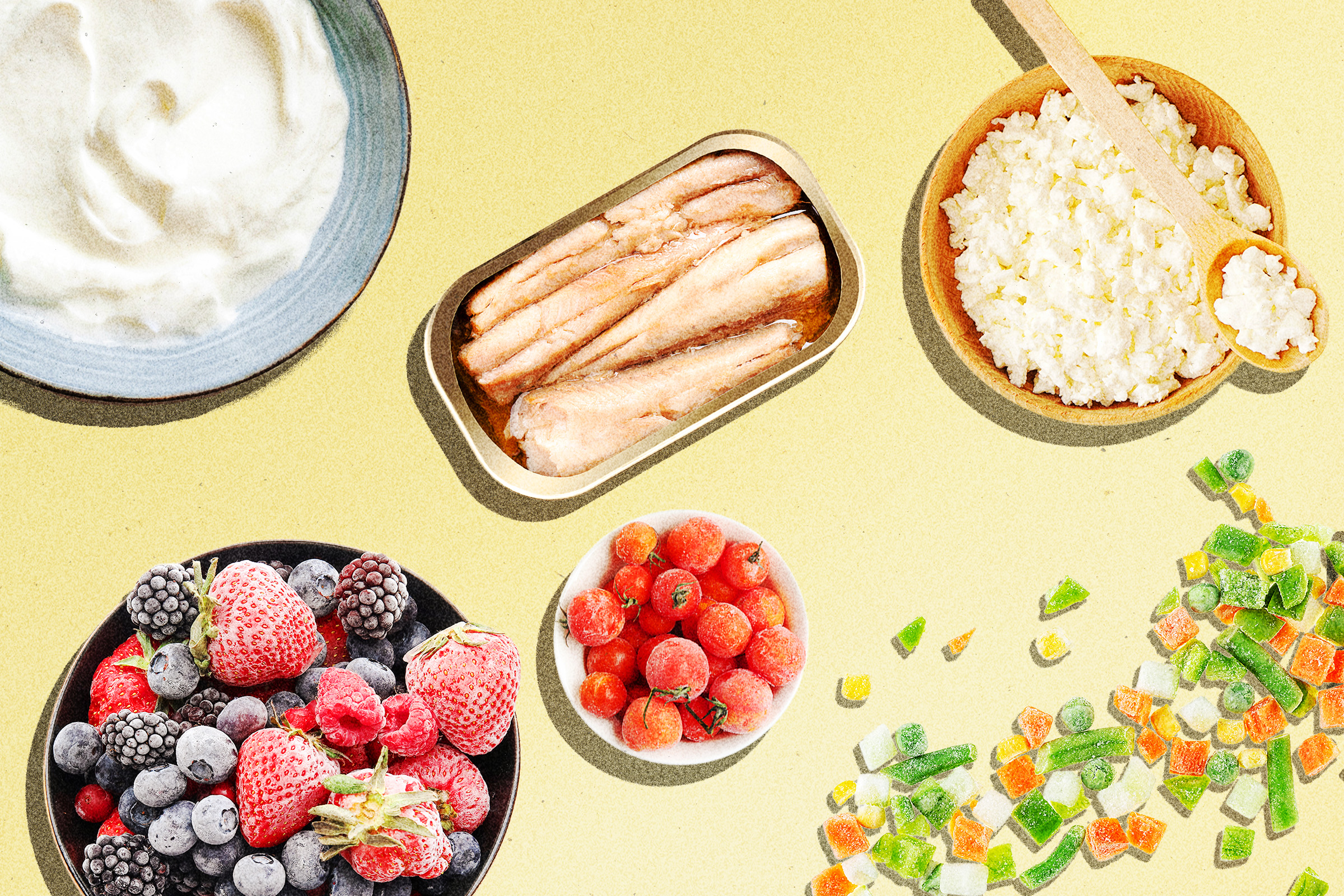

Tonight’s dinner came out of a freezer bag and a can: air-fried broccoli, a squeeze of lemon, and fish in olive oil. It is a quick, satisfying meal built around vegetables and protein. By most definitions, it was processed food—but I still recommend it.
If you’ve been told to eat “clean,” a meal like this may feel like cheating. It isn’t. As a clinical nutritionist, I see processed foods as practical tools for helping people cook and eat well consistently. A package alone does not determine whether a food supports health. What matters is what’s inside, how much you eat, and how often.
‘Processed’ Is Not One Thing
The term “processed” covers an enormous range of foods. The NOVA system, a widely used classification developed by Brazilian researchers, sorts foods by how much they have been changed from their original form and why—not simply by whether they come in a package. It has four groups.
First, there are minimally processed foods, such as frozen vegetables, plain frozen fruit, pasteurized milk, plain yogurt, and unsalted nuts that have been washed, cut, frozen, heated, or canned mainly to preserve them, make them safe, or make them easier to use.
Next are culinary ingredients, including herbs, spices, and salt, used to season food.
Then there are processed foods, such as certain brands of dips, pasta sauces, cottage cheese, or hard cheeses, typically made by combining whole or minimally processed foods with a small number of added ingredients, such as salt, lemon juice, or cultures.
There are also ultra-processed foods, which are industrial products often made with refined starches, sugars, seed oils, protein isolates, flavorings, colors, emulsifiers, or other additives to make them highly convenient, shelf-stable, and ready to eat; examples include soft drinks, most snack foods, candy, and many ready-to-heat meals.
These classifications help explain why “processed” is too broad a term to guide every food choice. Freezing, canning, pasteurizing, and fermenting can preserve food, improve safety, reduce waste, and make a nourishing meal possible when there is little time to cook.
That’s why you should evaluate every processed product on its own merits. A diet built mainly around sugary drinks, packaged desserts, salty snack foods, refined convenience meals, and processed meats is nothing like one built on frozen vegetables, canned fish, plain yogurt, hummus, pumpkin seeds, and lightly seasoned frozen beef or turkey.
What the Evidence Shows
Research supports a more nuanced view than simply treating all packaged foods as unhealthy.
A large 2024 observational study found that people who ate more ultra-processed foods had a greater risk of Type 2 diabetes overall. However, the size of that risk depended heavily on which types of food were involved. No single type of packaged food caused or prevented diabetes, and not all processed foods affect chronic disease in the same way.
Processing still matters. In a recent randomized controlled trial, researchers followed 55 adults in England on two eight-week diets, each designed to meet the UK’s healthy-eating guidelines. One was mostly minimally processed; the other was mostly ultra-processed.
Participants lost weight on both diets, but those on the minimally processed diet lost more. Ultra-processed foods can increase calorie intake because they tend to be energy-dense, hyperpalatable, and quick to eat—factors that can blunt our normal fullness cues.
The takeaway is that you don’t need to avoid all packaged foods—or replace home-prepared meals with them. Packaged foods vary widely, and knowing what to look for can help you choose nutritious, convenient options that make healthy eating easier to sustain.
Packaged Foods Worth Keeping
The most useful question isn’t “Is this packaged?” but “Does this make it easier to eat more protein, plants, and fiber?”
Frozen Vegetables and Fruit
Frozen vegetables and fruit are among the most useful foods to keep at home. Plain frozen broccoli, green beans, cauliflower rice, berries, and vegetable blended soups can be added to meals without the pressure of using fresh produce before it spoils.
Frozen produce is usually picked when ripe and frozen soon after harvest, helping it retain nutrients that can decline during storage and transport. When choosing a mix, check whether sauces or seasonings add excess sodium, sugar, or saturated fat. Many soups are also high in sodium, so it’s always a good idea to compare labels.
Protein
Canned tuna, salmon, sardines, and mackerel, along with frozen salmon, prawns, and scallops, make it easier to add protein to vegetables, salad greens, or a roasted vegetable bowl. Hard-boiled eggs, plain frozen chicken or turkey patties, and simply seasoned ground beef shorten the path from fridge to plate. Tofu is a useful plant-based option, especially for people who eat little or no animal food.
A can of salmon served with a packaged green leaf salad, lemon with hummus dip, and olives —though we should avoid most commercial dressings—can be a more nourishing lunch than skipping a meal only to overeat at the next one.
Dairy and Fermented Foods
Plain yogurt and cottage cheese can make a quick breakfast or snack when paired with fresh or stewed fruit, thawed frozen berries, and pumpkin or hemp seeds. Dairy alternatives, such as oat milk, also vary widely in quality and ingredient purity. Sweetened and flavored versions can contain several teaspoons of added sugar.
Dips, Greens, and Pantry Add-ons
Hummus and guacamole add flavor, fiber, and satisfying fats to vegetables, salads, and wraps. Choose options with ingredients you recognize, and compare labels for added oils. Extra-virgin olive oil and avocado oil are good choices. Packaged salad greens and chopped vegetable mixes are worth keeping too, especially when you have little time or energy to wash and chop.
For texture and flavor, use small amounts of coconut shreds, nut flours, single-serve olives, chia puddings, nuts, chia seeds, and pumpkin seeds. For dressing, olive oil and lemon beat most bottled versions, which tend to be higher in added sugar and sodium.
Packaged salad greens and simple vegetable mixes are also worth keeping, especially for people who have limited time or energy to wash and chop produce.
Don’t Give a Product a Health Halo
A few nutritious ingredients don’t make a product healthy. Whole-grain crackers can still be easy to overeat. A protein bar may contain more added sugar than you expect. Sweetened yogurt or chia pudding can profile more like dessert than a breakfast staple. Context and quantity still matter.
Nutritious packaged foods also do not guarantee weight loss. Someone can choose wholesome foods and still eat more energy than their body needs for a specific goal.
Food quality remains important. Choosing products that supply protein, fiber, or produce can make meals more satisfying and easier to sustain than a diet built primarily around refined snack foods. Protein and fiber slow digestion and increase fullness, which can help curb hunger between meals and make it easier to eat less overall.
Microplastics and packaging chemicals can add up over time. Still, there’s no need to avoid nutritious staples such as canned fish, beans, or frozen produce. A simple approach is to reduce plastic exposure and choose BPA-free canned foods when you can. I often transfer produce from plastic to a cloth vegetable bag in the refrigerator; glass containers work well, too.
How to Read a Label: 3 Checks
Think of yourself as a health detective when buying food. The package should prompt curiosity, not fear.
When comparing products, start with the ingredient list, then use the “nutrition facts” label. Ignore the front-of-package claims; they tell you less than the ingredient list does.
Ask What It Adds to Your Meal: Does it supply protein, fiber, vegetables, fruit, or healthy fats?
Check the Serving Size: A snack-sized package can hold two servings, and a low number on the label may apply to only a small portion. Then compare fiber, added sugar, sodium, and saturated fat. For foods you eat regularly, favor more fiber and less of the other three.
Read the Ingredients in Context: A longer list isn’t automatically bad. Ask whether you recognize the items as things you might keep in your own kitchen. Watch for added sugars, extra oils, gums, and long strings of additives.
Product Comparisons
Product A has a simpler ingredient list and no added sugar. Product B contains cane sugar and sunflower oil. Product B’s added sugar and oil add calories that add up when you drink it every day, and its minerals are added during manufacturing rather than naturally present in the ingredients. Look for unsweetened, fortified versions, which give you some benefits without the sugar and oils.
Product A has nearly twice the protein and no added sugar, though it has more sodium and slightly more saturated fat. Product B has 11 grams of added sugar per serving, which makes it closer to a dessert.
The goal isn’t to make healthy eating feel like a challenge that requires preparing every meal from scratch. A can, carton, freezer bag, or pouch can hold food that you can consistently use to support your health. Use the label to choose wisely, then let convenience help you build meals you can return to again and again. Healthy eating should be realistic enough to practice.