

For decades, heart disease has been thought to be primarily due to high blood cholesterol. The standard advice: Lower your cholesterol to protect your heart. Cholesterol certainly plays a role in heart health—but the picture is far from complete.
“The problem isn’t just how much cholesterol is in the blood,” Dr. Gerald M. Lemole, a renowned heart surgeon and former professor of surgery at Temple University and Thomas Jefferson Medical College, said. “What matters is how long cholesterol stays trapped in the tissue.”
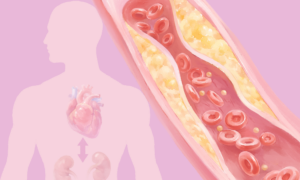
When cholesterol lingers in artery walls, it triggers inflammation, oxidizes over time, and builds plaque—gradually hardening and narrowing the arteries, and raising the risk of heart attack and stroke.
How does the body clear cholesterol once it’s lodged in the tissue? According to Lemole, the answer lies in an unexpected place: the lymphatic system.
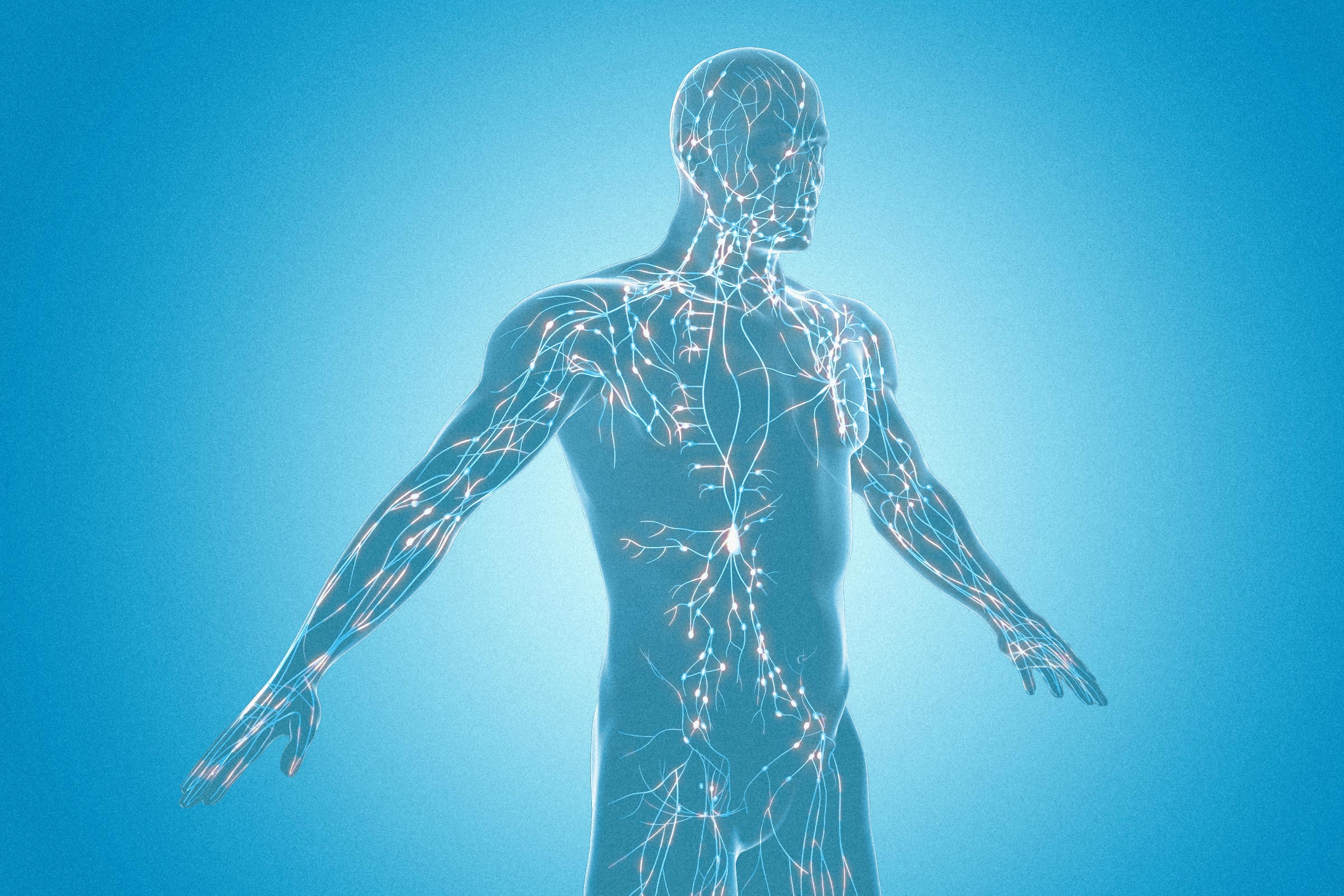
In an episode of EpochTV’s “Vital Signs” program, he explained that this often overlooked circulatory network removes waste, excess fluids, and inflammatory debris—including trapped cholesterol—from artery walls. When lymphatic flow is healthy and efficient, it helps prevent or slow atherosclerosis, providing a powerful and largely unrecognized line of defense for heart health.
When Healthy Hearts Suddenly Failed
Lemole first recognized the importance of the lymphatic system decades ago, as part of the surgical team that performed the first successful heart transplant in the United States in 1968.
Initially, the transplants seemed successful: Young, healthy donor hearts were placed into patients with advanced cardiovascular disease, and the recipients fared well—at first.
“They did well for about a year or two, and then all of them died from what they called galloping atherosclerosis,” Lemole said.
He observed that the coronary arteries of these transplanted hearts rapidly degenerated, resembling those of a 90-year-old within a few years, despite starting as perfectly healthy vessels.
Lemole eventually pinpointed the cause: During transplant surgery, the heart’s lymphatic vessels are inevitably severed. Without proper lymphatic drainage, metabolic waste, inflammatory byproducts, and cholesterol accumulate in the surrounding tissue. The resulting stagnation—called lymphostasis—triggers chronic inflammation and accelerates plaque formation, causing rapid arterial disease.
To confirm his observations, Lemole conducted experiments on rhesus monkeys. He blocked the heart’s lymphatic vessels surgically and placed the animals on a high-cholesterol diet. In a very limited series, the monkeys developed early atherosclerosis, with fatty deposits (atheromatous plaques) building up in arterial walls within three weeks.
In 2013, independent research from major institutions, including studies at Mount Sinai and Washington University, validated these insights, showing that lymphatic vessels are essential for reverse cholesterol transport—the process by which cholesterol is removed from tissues and returned to the liver for disposal.
Lemole also observed similar patterns in patients with coronary artery disease.
“We saw little white streaks in the heart muscle that weren’t present in normal hearts,” he said. “When we biopsied them, they turned out to be scarred lymphatic vessels that had been blocked by chronic inflammation.”
When lymphatic vessels become chronically inflamed or scarred, they lose the ability to efficiently clear cholesterol and inflammatory signals, allowing damage to accumulate silently over time and drive the progression of heart disease.
Why Lymphatic Flow Matters
The lymphatic system is one of the body’s most underappreciated networks.
“We don’t learn much about the lymphatics in medical school or training,” Lemole said. “Nobody really manages it.”
Every time blood circulates, roughly 10 percent to 15 percent of its fluid leaks out of capillaries, carrying proteins, fats, immune cells, and other substances. Lymphatic vessels collect the fluid and return it to the bloodstream.
“What makes lymphatic vessels remarkable is their built-in intelligence,” Lemole said.
The vessels contain smooth muscle that contracts rhythmically to move fluid and also responds to stress hormones and inflammatory signals. Chronic stress and inflammation can stiffen or constrict the vessels, slowing lymphatic flow.
When lymphatic vessels become chronically inflamed or scarred, they lose their ability to efficiently clear cholesterol and inflammatory debris from tissues.
As a result, cholesterol may remain trapped inside artery walls longer, where it can oxidize, trigger inflammation, and contribute to plaque formation.
“Blood cholesterol levels are not the direct culprit of heart disease,” Lemole said. “What matters is the cholesterol that stays in the tissue and isn’t cleared quickly.”
More Than Just a Drainage Network
Researchers increasingly believe that the lymphatic system does more than remove waste.
Lymphatic vessels also transport immune signals, proteins, fats, and signaling molecules that influence organs throughout the body, including the brain, liver, kidneys, and heart.
One example involves inflammatory signaling proteins known as cytokines, which help coordinate immune responses and tissue repair. When lymphatic flow slows, these signaling pathways may become dysregulated, contributing to chronic inflammation.
In the heart, chronic inflammation may create conditions that allow cholesterol deposits and vascular injury to persist and worsen over time.
The idea fits with a growing body of research showing that inflammation plays a central role in cardiovascular disease, not just elevated cholesterol alone.
Supporting this view, researchers have demonstrated that the lymphatic system plays a key role in reverse cholesterol transport—removing high-density lipoprotein-associated cholesterol from tissues, including the arterial wall.
Healthy, unimpeded lymphatic flow is therefore central: It clears trapped cholesterol, reduces inflammation, and provides meaningful protection against atherosclerosis and heart disease.
How to Support Lymphatic Flow
To promote lymphatic flow and reduce heart disease risk, Lemole advocates a handful of simple, natural strategies.
Movement and Breathing
Unlike the heart, the lymphatic system has no pump of its own. It relies on muscle contractions to move fluid through the body.
“The most important way to increase lymphatic flow is muscle contraction,” Lemole said. “It’s a low-pressure system. It depends on movement and deep breathing.”
Walking, cycling, light resistance training, yoga, tai chi, and deep breathing all help push lymph back toward the chest through one-way valves. Deep breathing, in particular, aids lymph flow by creating pressure changes throughout the body. As you inhale deeply, the diaphragm moves downward, helping to drive the lymph through the vessels toward the chest.
Stress works in the opposite direction.
“Stress increases cortisol, and cortisol causes contraction and sclerosis of lymphatic vessels,” Lemole said.
“Meditation and relaxation reduce that effect.”
Nutrition
Chronic inflammation impairs lymphatic flow, underscoring the importance of nutrition. Vitamins, minerals, and coenzymes help control inflammation, especially vitamins D and B, magnesium, zinc, and selenium, Lemole said.
Polyphenols, natural compounds found in plants, are particularly beneficial.
“Polyphenols block inflammatory enzymes,” Lemole said. “They are the ones that cause white blood cells to stick to vessel walls and migrate into tissue.” Foods such as fresh, minimally processed extra-virgin olive oil are rich in polyphenols and nourish gut bacteria, which convert them into additional anti-inflammatory compounds.
In Europe, a flavonoid-based medication called Daflon has long been used to treat venous and lymphatic disorders. Lemole observed that patients taking it often showed less inflammation-related organ damage, highlighting the role of polyphenols in supporting vascular and lymphatic health. Although widely used in many countries as a prescription medication, Daflon is not Food and Drug Administration-approved as a prescription drug in the United States, where similar diosmin-based products are typically available as dietary supplements or medical foods.
Hydration
Staying well-hydrated supports healthy lymphatic flow.
“You have to keep the lymphatic system healthy so cholesterol can be removed from the tissues as quickly as possible,” Lemole said. “That means keeping the lymphatic channels open, well-hydrated, and free from inflammatory signals, so these substances can circulate properly and return to the venous system.”
A Different Way to Think About Heart Disease
Heart health may depend less on fighting cholesterol and more on supporting the body’s natural cleanup systems.
“If you improve lymphatic flow, you clear toxins, oxidized cholesterol, and inflammatory signals,“ Lemole said. ”All these things come together.”
This perspective unites familiar health advice—such as recommendations for exercise, stress management, and anti-inflammatory diets—under a single biological framework.
Now in his late 80s, Lemole practices what he preaches. He credits much of his vitality to his wife, who keeps him supplied with good supplements and nutritious food. He stays active—lifting 10-pound weights, cycling, and even dribbling a basketball on the court.
“You have to keep doing things,” Lemole said. “The main thing is to be aware that you want to do the best not only for yourself, but also for everybody—and it changes your attitude.”
Daily movement, stress reduction, and anti-inflammatory nutrition all help keep lymphatic pathways open and functioning. When the body can clear what doesn’t belong, health follows.