
A global infant formula recall affecting Australia has traced its source to a biotech company in Wuhan, China.
Chinese company Cabio Biotech was identified as the producer of the arachidonic acid (ARA) oil linked to the contamination at the source of a global baby formula recall in January, according to the French agriculture ministry cited by Reuters on Feb. 2.
In January, three global dairy giants—Nestlé, Lactalis, and Danone—launched global recalls due to the potential contamination of their products with “cereulide,” a toxin produced by Bacillus cereus.
Nestlé has recalled infant formula in nearly 60 countries, one of its largest ever recalls.
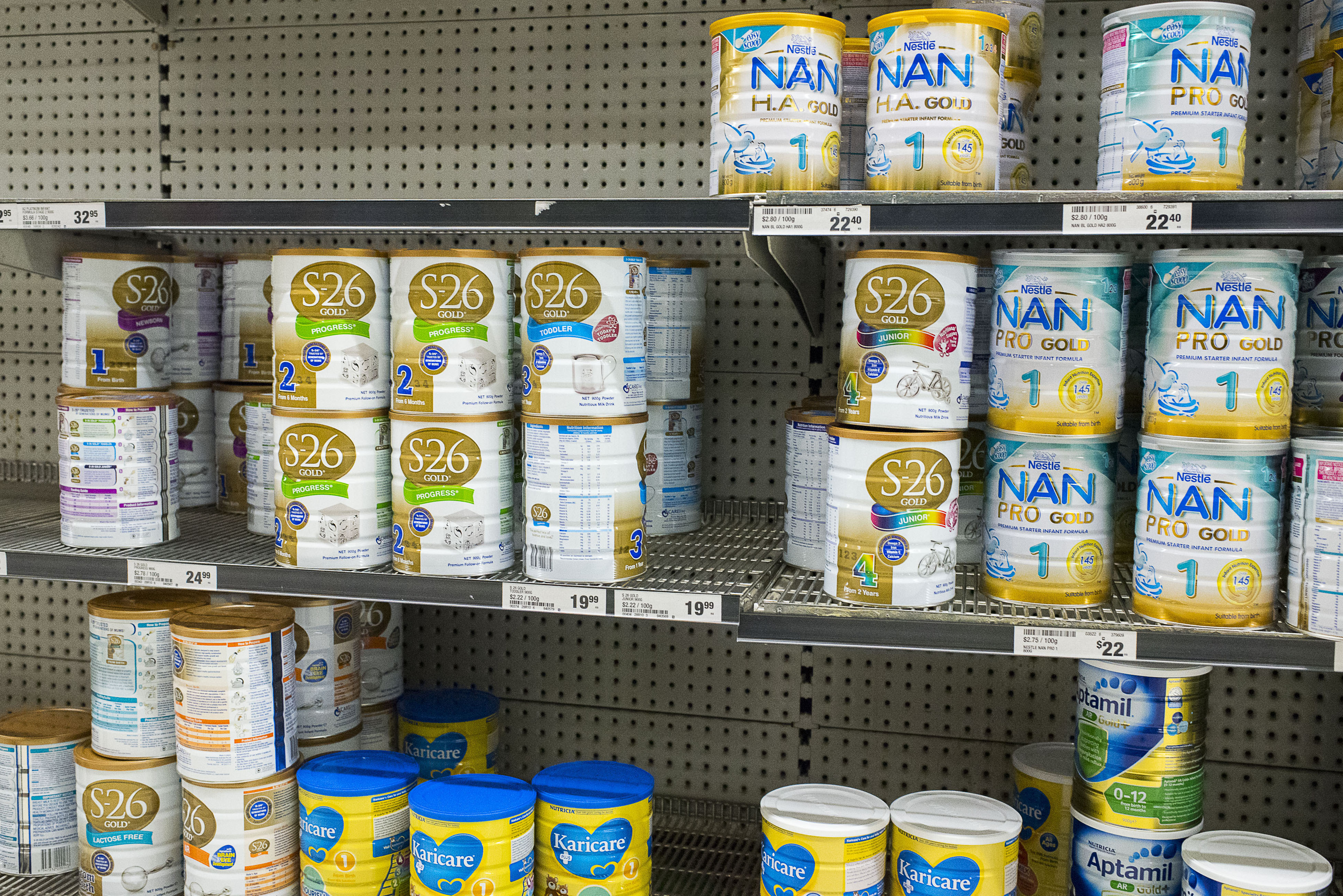
Affected milk powder brands include SMA, BEBA, NAN, and Alfamino. National recall notices were issued across Europe, Latin America, Africa, the Middle East, and Asia-Pacific.
The core of this crisis lies in a key ingredient—arachidonic acid (ARA) oil. Investigations found that ARA oil supplied by Cabio Biotech is suspected to contain Bacillus cereus (also known as cactus bacillus), a bacterium that produces a potent toxin called cereulide.
In Australia, Food Standards Australia New Zealand (FSANZ) announced in late February it would coordinate a nationwide recall of 2 batches of Alula infant formula due to the potential presence of cereulide.
The affected products, produced by Sanulac Nutritionals Australia Pty Ltd, are Alula Gold Reflux, and Alula Colic and Constipation.
The Alula products affected by the recall were sold nationwide at Coles, Woolworths, Big W, IGA, Costco, pharmacies, and on Amazon, both in stores and online.
Symptoms associated with cereulide may include vomiting, diarrhea, or unusual lethargy, typically appearing 30 minutes to 6 hours after exposure and usually resolving within 24 hours.
Who is Cabio Biotech?
Cabio Biotech is an enterprise in Wuhan’s biotechnology sector and a major Chinese company.
It supplies not only international groups like Nestlé and Danone but also major Chinese dairy companies such as Yili, Shengyuan, and Mengniu.
Based on its official website, Cabio Biotech (Wuhan) Co., Ltd., established in September 2004, is the first company in Hubei Province to be listed on the Sci-Tech Innovation Board. It is currently the largest ARA product supplier in China and a major player in the international ARA product competition.
Through cooperation with international distributors like Cargill, its products are sold in over 30 countries and regions, including China, the United States, Europe, Australia, New Zealand, Korea, and Southeast Asia.
Cabio’s 2024 revenue reached 555 million Yuan (about A$114 million), with its ARA business accounting for more than 70 percent of total revenue.
After the recall of infant formula products linked to potential toxin contamination, Cabio’s stock price plummeted. On Jan. 8, the company’s shares dropped nearly 12 percent, reaching a peak intraday loss of 14.4 percent.
Australian Authorities’ Response
In FSANZ’s Jan. 22 statement, acting CEO Christel Leemhuis said there were no reports of illnesses linked to cereulide in Australia.
“Other formula products not affected by the recall are available from retailers and parents and carers can contact their health care provider or pharmacist to discuss what’s best for their baby,” Leemhuis said.
A FSANZ spokesperson explained that all food sold in Australia and New Zealand, including imports, must comply with the Australia New Zealand Food Standards Code.
Standard 2.9.1 of the code sets the requirements for infant formula products sold in Australia, including composition and labeling.
“While we set the standards in the Code, we do not enforce them,” read the spokesperson’s reply to The Epoch Times.
“In Australia, this is the responsibility of state and territory food regulatory agencies and the Department of Agriculture, Fisheries and Forestry (DAFF) at the Australian border under the Imported Food Inspection Scheme (IFIS).”
“FSANZ provides scientific risk advice to DAFF on imported foods to assist in determining inspection priorities under the IFIS. This includes infant formula products, for which FSANZ has published an imported food risk statement.”
Infant formula is a sensitive issue in China after the 2008 Sanlu melamine milk scandal, which affected about 30 million Chinese children.
The Epoch Times contacted Cabio Biotech and the Chinese Embassy in Canberra for comment but did not receive a response.
Chen Ting contributed to this report.