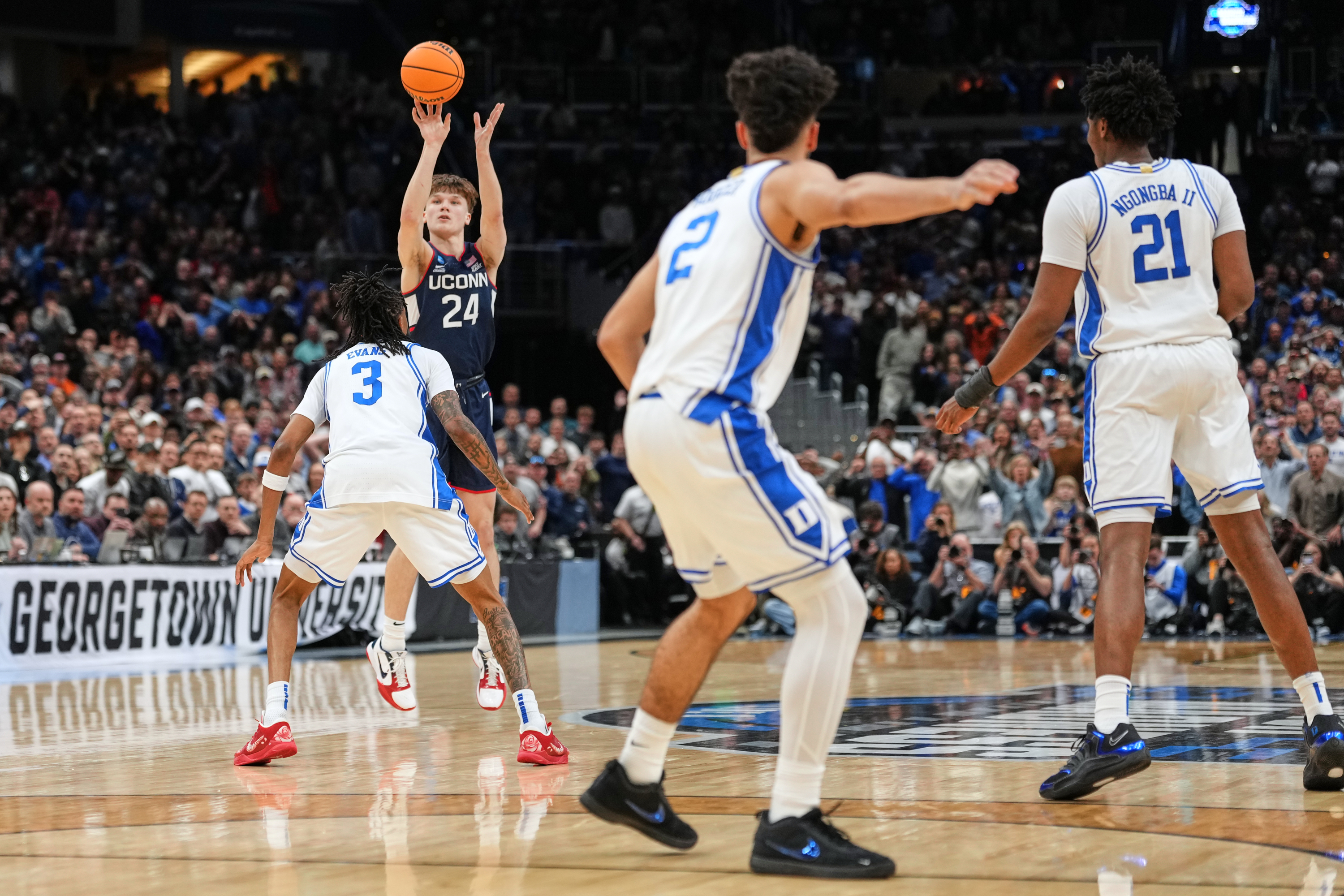

A bipartisan group of lawmakers has introduced sweeping legislation aimed at reshaping the future of college athletics and bringing stability to the rapidly changing landscape of collegiate sports.
Sens. Ted Cruz (R-Texas) and Maria Cantwell (D-Wash.) unveiled on May 27 the Protect College Sports Act of 2026, a proposal designed to address growing concerns surrounding athlete compensation, transfer rules, conference realignment, and long-term athlete protections.
Among the most significant provisions is an exemption for the NCAA from certain antitrust laws, along with a nationwide standard for name, image, and likeness (NIL) rules that would override the current patchwork of state laws.
The legislation would grant student-athletes five seasons of eligibility to be used within a five-year window and limit athletes to one transfer during their college careers. Division I schools would also be required to honor scholarships for up to 10 years after an athlete’s final season.
The proposal would revise the Sports Broadcasting Act, allowing athletic conferences to pool television rights. Supporters argue that the change could create billions in additional revenue, although the Southeastern Conference and Big Ten Conference have challenged those projections.
Player health and safety provisions are another major component of the bill. Division I schools would be required to cover out-of-pocket medical costs for sports-related injuries both during participation and for five years after an athlete’s final competition. The measure would mandate catastrophic injury coverage, second-opinion access, post-career physical examinations, and establish a $60 million medical trust fund out of the NCAA’s coffers to assist smaller schools and athletes with long-term medical conditions.
In addition, the bill would create an independent office within college athletics to provide confidential, free guidance to student-athletes and help resolve disputes involving schools, conferences, or athletic associations.
College football coaches would be prohibited from leaving midseason to take on another college football coaching job. This comes in light of Lane Kiffin leaving his role as head coach of the University of Mississippi’s football team to take on the same title at Louisiana State University.
Under the proposal, at least one-third of governing boards or rulemaking committees within athletic associations would be required to consist of current or former student-athletes.
The bill also targets what lawmakers describe as abuses within the NIL system. It would ban compensation arrangements intended to bypass revenue-sharing limits or disguise pay-for-play incentives while preserving legitimate education- and athletics-related benefits established under the House settlement framework.
As part of the House v. NCAA settlement, Division I athletes became eligible to receive a share of up to $20.5 million in school-generated revenue, with that cap expected to increase over time. The settlement also included nearly $2.8 billion in back pay for athletes who competed between 2016 and 2024.
The Protect College Sports Act would extend the revenue-sharing cap beyond the expiration of the House settlement after the 2034–35 academic year while allowing annual inflation adjustments.
The measure would create a bipartisan congressional commission to study the long-term future of college athletics, including athlete compensation, Olympic and women’s sports, spending limits, health and safety standards, agent regulations, and the overall structure of college sports.
One unresolved issue in college athletics is whether student-athletes should be classified as employees of their schools. The new legislation does not take a position. Congress has previously attempted to address the issue through measures such as the SCORE Act and SAFE Act. The House had planned to vote on the SCORE Act this past week, but the vote was canceled amid concerns about insufficient support. That proposal would prevent student-athletes from being classified as employees.
Finally, the legislation would prohibit certain large-revenue conferences, such as the Southeastern Conference and the Atlantic Coast Conference, from consolidating with or acquiring other conferences.
In a statement, Cruz said that “college sports are at a breaking point“ and that the bill ”is a bipartisan plan to restore order.”
“Fans can see their favorite teams being hollowed out by transfer chaos, fake NIL bidding wars, eligibility lawsuits, and a system that allows the richest programs to keep pulling away,” he said.
“Student athletes can profit from their name, image, and likeness, but college sports still needs real rules, competitive balance, rivalries, and a true connection to education,” Cruz added. “This bill protects athletes and fans and keeps college sports from becoming a two-conference minor league.”
Also in a statement, Cantwell called the current system in college athletics “out-of-control chaos.”
“We’re seeing thousands of men’s and women’s athletic roster slots and a hundred athletic programs being cut,“ she said. ”Collegiate athletics is a hallmark for human development.”
In a statement, NCAA President Charlie Baker told The Epoch Times the organization is reviewing the legislation.
“We appreciate the bipartisan leadership of Sens. Cruz and Cantwell in addressing the complex challenges currently facing collegiate athletics,” he said. “The NCAA remains committed to working with Congress to establish a sustainable, uniform framework to protect the student-athlete experience and ensure the long-term viability of the uniquely American tradition of college sports.”