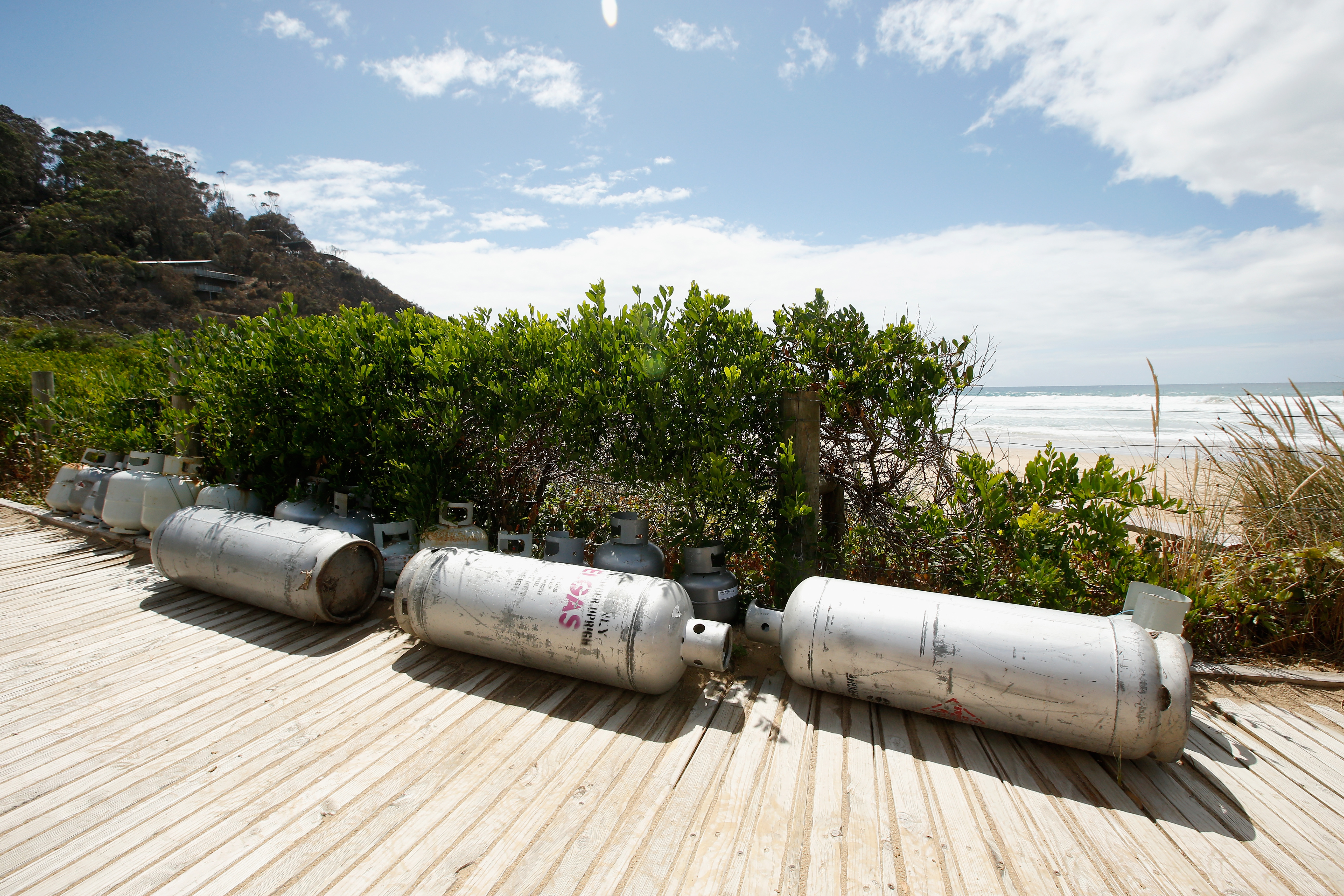

Residents in a regional town in Western Australia (WA) are protesting a private gas company’s decision to decommission the town’s gas network.
On Jan. 19, ATCO Australia announced that it would shut down the reticulated gas network in Albany, located about 400 kilometres south-east of Perth, citing the high cost of upgrading and repairing the ageing infrastructure.
The phase-out means that about 8,000 residential and business customers will need to transition to bottled gas in stages over the next three years, starting from second half of 2026.
The Albany Gas Distribution System (AGDS) spans approximately 160 kilometers of pipelines, delivering gas from a tank farm to homes and businesses in Albany.
Resident Calls the Move Regressive
Susan Mortimer, a local resident used to own a house out of town that was not connected to water, sewage, or gas.
“We had septic tanks, a rainwater tank, and gas bottles. Sometimes the gas company ran out of full bottles and we would have to wait, so that meant cold showers and salads,” she told The Epoch Times.
“We sold that property and moved into town for the convenience of modern civilisation. If we have to start using gas bottles again right in the heart of town, it will feel primitive, like civilisation is going backwards. This is regression, not progress.”
Susie noted that Albany was among Australia’s fastest‑growing regional centres.
“Albany is a city of nearly 40,000 people,” she said. “It’s embarrassing that we are looking at making everyone use gas bottles. I think people will stop coming here if we are so primitive as to not even have gas lines. How will the restaurants cope? We are a tourist town.”
The Albany resident also said replacing gas with electricity was not an effective solution, pointing to the nearby town of Bremer Bay, which had about six blackouts over 10 days during the school holiday season in 2025.
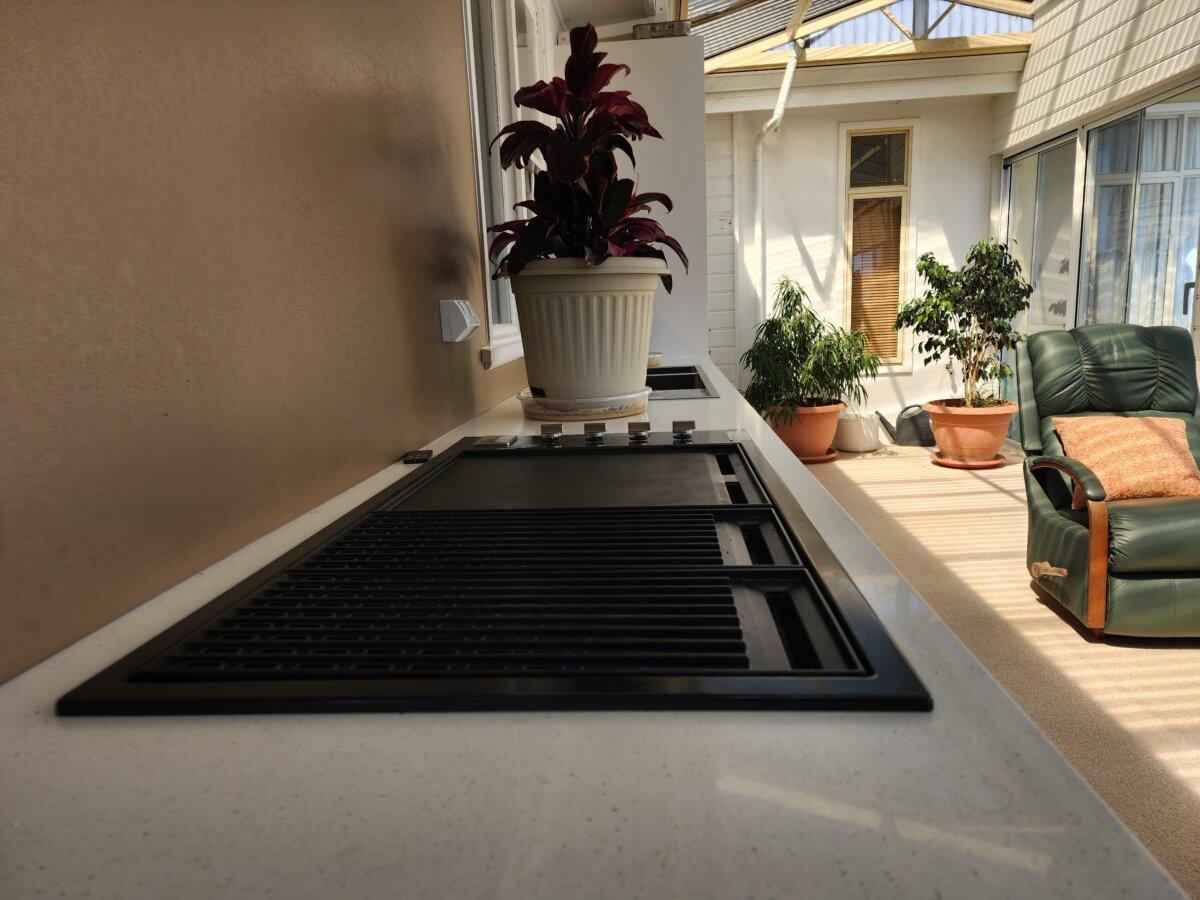
Susan's former house in Albany, Western Australia. (Courtesy of Susie)
Why ATCO Wants to Shut Down the Gas Network
ATCO Australia said the cost of upgrading the aging 160-kilometre network, which was privatised in 2000 and purchased by the company in 2012, was too high and would result in excessive costs for consumers.
The company estimated that replacing 90 percent of the gas network would require more than $80 million (US$55.3 million).
“The cost of replacing the PVC network would require a significant investment, so it was the right time to consider the future of the network, with a focus on minimising disruption for customers,” said Russell Godsall, ATCO’s executive general manager for gas operations, in a statement.
“We are committed to working closely with customers to ensure a smooth and seamless transition and our priority continues to be providing safe and reliable energy for the households and businesses in the Albany area.”
Gas Energy Australia (GEA), a peak industry body, said that its members were ready to assist the residents and businesses affected by ATCO’s decision. However, it noted that a transition to bottled LPG would be the “simplest, cheapest option” for customers.
“Customers can keep on using their existing appliances avoiding costly, time-consuming appliance replacements,” GEA CEO Jordan McCollum said.
Albany Mayor Disappointed by Lack of Consultation
Albany Mayor Greg Stocks criticised the company for allegedly failing to consult the local council and provide adequate notice to residents.
“They would have known in 2011 the age of that infrastructure and the fact that they would need to reinvest. The fact they haven’t bothered to contact the city is very, very disappointing when there are many unanswered questions,” he told the Australian Broadcasting Corporation.
“For me, it looks like corporate Australia walking away from regional Australia.”
The mayor also stated that he would meet with WA Energy Minister Amber-Jade Sanderson “as quickly as possibly.”
“Because I’ve already accepted that ATCO as a private company are not going to make that investment,” he said.
“Who is going to pay for the 8,000 residents of Albany, the 8,000 customers who are on that network?”
Minister Sanderson echoed with the mayor’s disappointment.
“The Albany gas network was privatised by a Liberal government in 2000 and has been owned by ATCO since 2012,” she told The Epoch Times in an email. “I am disappointed ATCO is decommissioning the network, affecting people who have been their customers for 13 years.”
Sanderson reassured the Albany community that there would be no immediate impact on customers.
“The Cook government will make sure that customers are supported during the transition,” he said. “We will work with ATCO and others to ensure that households and businesses affected by this decision have access to reliable and sustainable energy supplies.”
Despite the state government’s promise to work on the issue, Nationals MP for Albany Scott Leary called for details of the support plan to be made public.
“This announcement has understandably caused anxiety in the community,” he said.
“While ATCO has given assurances that customers won’t be suddenly disconnected, many people are now asking very real questions about what this transition will actually look like on the ground.
“The community needs clarity around who pays for infrastructure changes, what support will be available and how vulnerable services like aged care will be protected.”