Analysis
A $75-million Ontario commercial built around a selectively edited clip from former U.S. President Ronald Reagan’s 1987 trade speech hit American TV screens during the World Series.
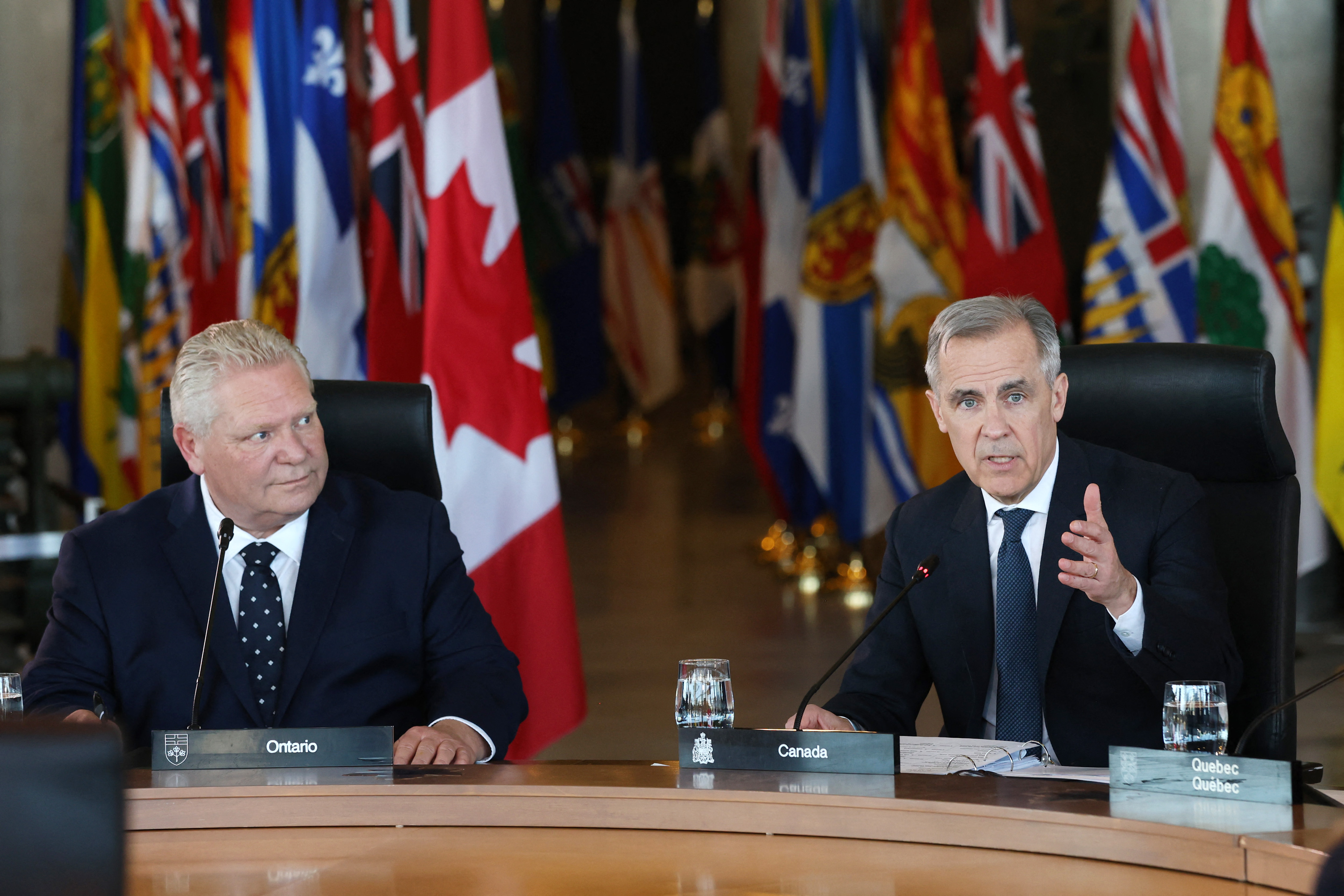
Ontario Premier Doug Ford’s government said the one-minute spot would “start a conversation” about tariffs; instead, it torpedoed already-delicate talks with Washington and triggered fresh threats of U.S. trade penalties.
The backlash has turned a flashy provincial ad buy into a full-blown diplomatic crisis—one that now jeopardizes Canadian Prime Minister Mark Carney’s signature goal of sealing a new Canada–U.S. trade deal before year-end.
With U.S. President Donald Trump suspending negotiations and threatening an extra 10 percent tariff on Canadian imports, Ottawa must decide whether to disown Ontario’s message or make a bigger concession—perhaps even relaxing Canada’s tightly guarded supply-management system—to keep talks alive and shield billions in cross-border commerce.
Ad Controversy
Ontario’s one-minute ad was built almost entirely from a selectively edited audio clip of Reagan’s address explaining his decision to impose tariffs on Japan over unfair trade practices; the former president’s cautionary language was trimmed to sound like an outright attack on U.S. import duties.
Many viewers noticed the Reagan quotes in the Ontario ad were strikingly similar to those in Beijing’s anti-tariff video released in April, prompting accusations that Ontario had spent taxpayer money on material that echoes China’s influence playbook.
Undeterred by the backlash, Ford told reporters at the province’s legislature in Toronto on Monday that the ad was “the best ad that ever ran” and framed the campaign as a conversation-starter on tariffs.
Ford also maintained that Carney’s office had vetted the commercial in advance—a claim Ottawa has neither confirmed nor denied.
Washington’s response was swift.
On Oct. 23, Trump denounced the commercial as “fraudulent” on Truth Social and canceled ongoing trade talks. A day later, he threatened to impose an additional 10 percent tariff on Canadian imports after Ontario said the ad would keep running until the World Series weekend, rather than be immediately pulled.
Trump suggested the ad campaign was meant to interfere with an upcoming U.S. Supreme Court hearing on his administration’s tariffs.
Trump added that the Ronald Reagan Presidential Foundation announced that Ontario had “misrepresented” Reagan’s remarks and could face legal action.
Escalating Tariff Pain in Canada
The flare-up occurs at a sensitive time for Carney, elected in March on a promise to handle Trump. Yet Canada is still among the few major economies without a comprehensive trade deal with the United States.
Average U.S. duties on Canadian goods have increased substantially since Carney took office.
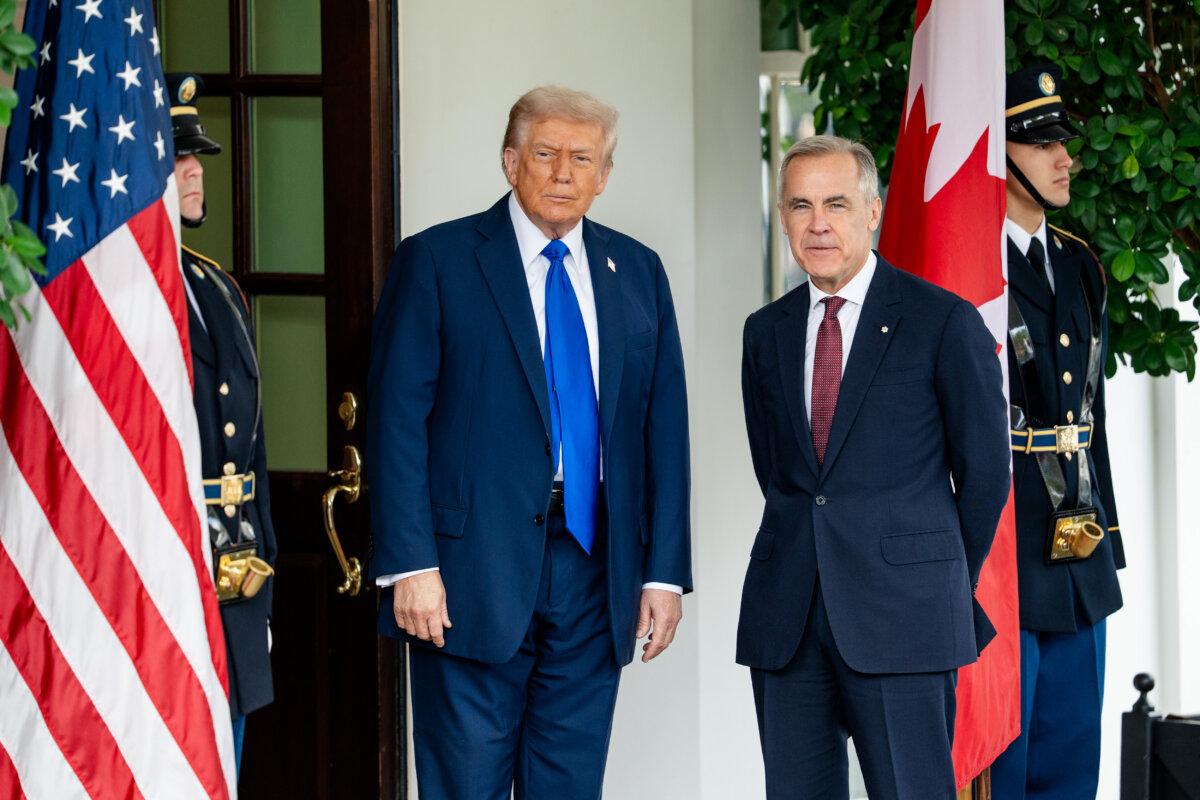
U.S. President Donald Trump greets Canadian Prime Minister Mark Carney at the White House on Oct. 7, 2025. (Madalina Kilroy/The Epoch Times)
Since August, the United States has levied a 35 percent base duty on Canadian goods outside the USMCA, doubled steel and aluminum tariffs to 50 percent, and slapped a 25 percent surcharge on autos.
Canada answered with 25 percent countertariffs in March, then began rolling them back in September to keep negotiations alive—just as Ford’s ad reignited the dispute.
Supply-chain managers warn the tariff spiral is already shaving nearly 0.4 percentage points off Canada’s projected 2025 GDP and pushing up input costs for manufacturers across Ontario and Quebec, according to a September Scotiabank report.
An Angus Reid survey conducted Oct. 9–15 found Carney’s approval has slipped six points to 51 percent, leaving his Liberals statistically tied with the Conservatives. Respondents cited the lack of a U.S. trade pact as a top concern.
Canada Pivoting to China
While ties with Washington fray, Carney began redirecting attention toward Asia, strengthening ties with ASEAN members, and pursuing a diplomatic reset with Beijing.
According to The Canadian Press, Foreign Minister Anita Anand recently referred to China as a “strategic partner,” signaling a softer tone toward Beijing.
Anand emphasized the importance of moving beyond irritants in the relationship to advance Canada’s economic and security interests.
Meanwhile, Carney said he held constructive exchanges with Chinese Premier Li Qiang at the U.N. General Assembly in September and was expected to meet with Chinese leader Xi Jinping on the sidelines of the APEC summit in South Korea.
Amid this, tensions with the United States have continued to flare.
Speaking aboard Air Force One on Oct. 27, Trump called Canada “one of the most difficult countries to deal with” on trade, expressing frustration over what he saw as slow progress and stubbornness from Canadian negotiators.
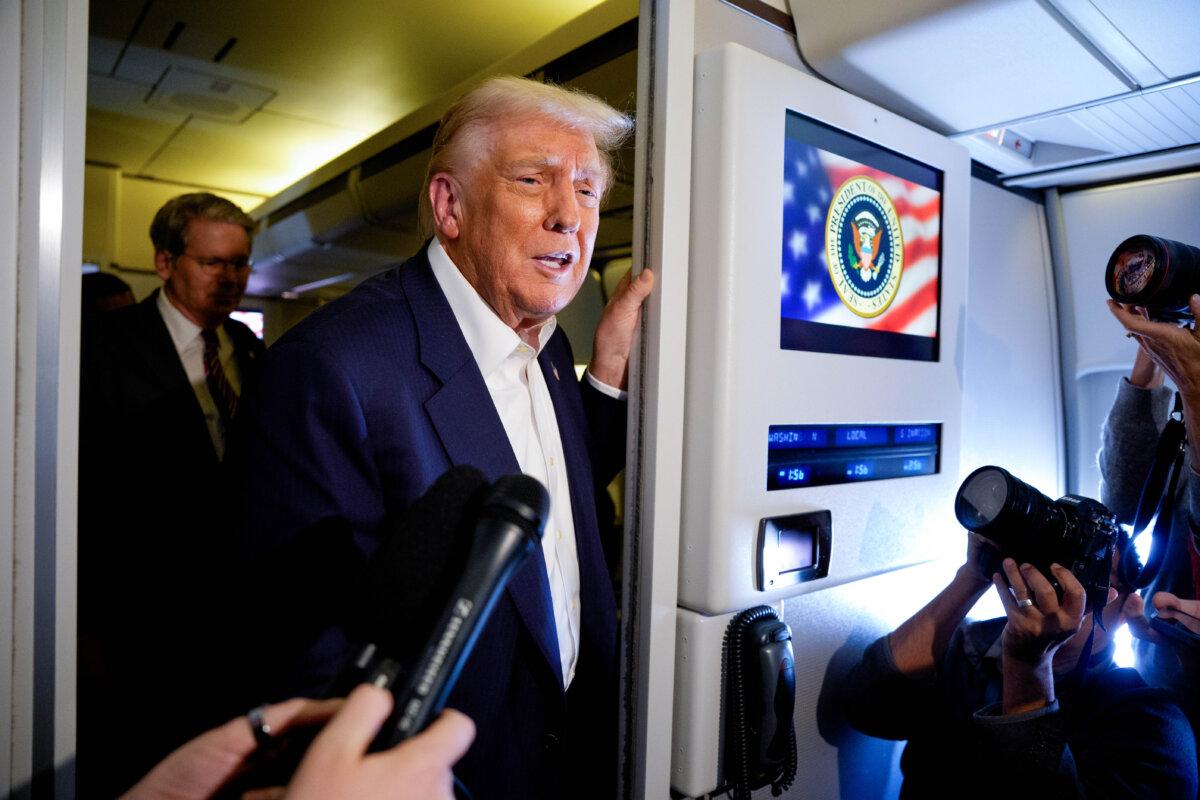
U.S. President Donald Trump speaks to members of the media aboard Air Force One on Oct. 27, 2025. (Andrew Harnik/Getty Images)
Trump’s top economic adviser, Kevin Hassett, echoed that sentiment a few days earlier, saying Canada’s trade team showed little flexibility and retained some of the lingering attitudes of the previous Trudeau government—complicating efforts to strike a new deal.
Longstanding Trade Irritant for Washington
At the heart of these disputes lies Canada’s long-standing protection of its dairy industry. The country maintains some of the highest tariffs on U.S. agricultural goods—particularly dairy—under its supply management system.
Tariffs on imports exceeding set quotas can reach roughly 240 percent to nearly 300 percent on products such as milk, butter, and cheese, a long-time irritant for Washington.
Canada’s supply management framework strictly regulates how much dairy, poultry, and eggs farmers can produce; sets the prices they receive; and limits imports with steep tariffs to keep domestic prices stable.
Under the USMCA trade agreement, the United States can export only a small quota of these products tariff-free; anything beyond that faces duties as high as 300 percent.
The system is widely criticized for functioning like a “government-sanctioned cartel”—it inflates prices and forces farmers to dump surplus milk, poultry, or eggs when production exceeds quotas.
However, it shields Canadian farmers from cheaper U.S. competition, where farm-gate milk prices—what farmers actually earn—are often one-third to half of Canadian levels.
Meanwhile, most Canadian exports to the United States remain duty-free under USMCA.
Why Supply Management Lobby Matters to Ottawa
The supply management lobby—representing Canada’s dairy, poultry, and egg producers—is one of the most powerful political forces in Canada’s agricultural sector.
Its strongest base lies in Quebec and Ontario, home to most of Canada’s dairy farms and two provinces crucial to the Liberal Party’s electoral success. Alienating farmers in these regions risks losing key rural ridings the Liberals often need to win a majority.
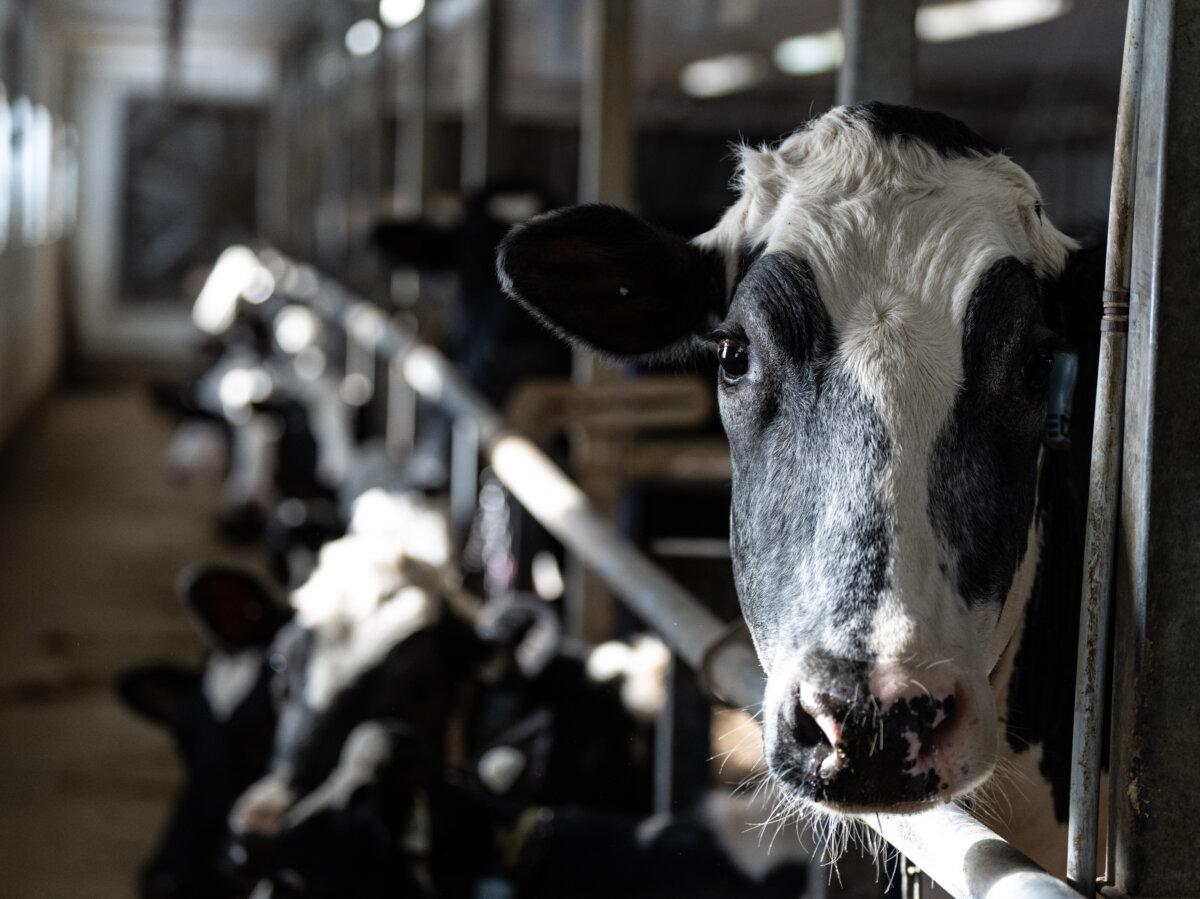
Cows in a dairy farm in Granby, Que., on Feb. 5, 2025. (Christinne Muschi/The Canadian Press)
Groups such as the Dairy Farmers of Canada are highly organized, well-funded, and deeply embedded in Ottawa’s political circles. They lobby aggressively, launch nationwide ad campaigns, and maintain close relationships with Members of Parliament across party lines.
Any move to weaken or phase out the system would provoke fierce backlash—not only from farmers, but also from provincial governments, unions, and cooperatives tied to the industry.
Dismantling it abruptly could devastate farm incomes and property values, since production quotas are worth millions of dollars each, triggering major political and financial fallout.
The system’s importance to the Liberal government was underscored in June 2025, when Bill C-202 was rushed through Parliament.
The legislation forbids the federal trade minister from agreeing, in any future deal, to raise import quotas or lower tariffs on supply-managed products. The move came just before renewed trade negotiations with the United States, effectively locking in protections for the sector.
The bill was controversial because it limits Canada’s negotiating flexibility in future trade deals with the United States.