
News
More Calcium May Not Help Build Stronger Bones
Comments
Link successfully copied
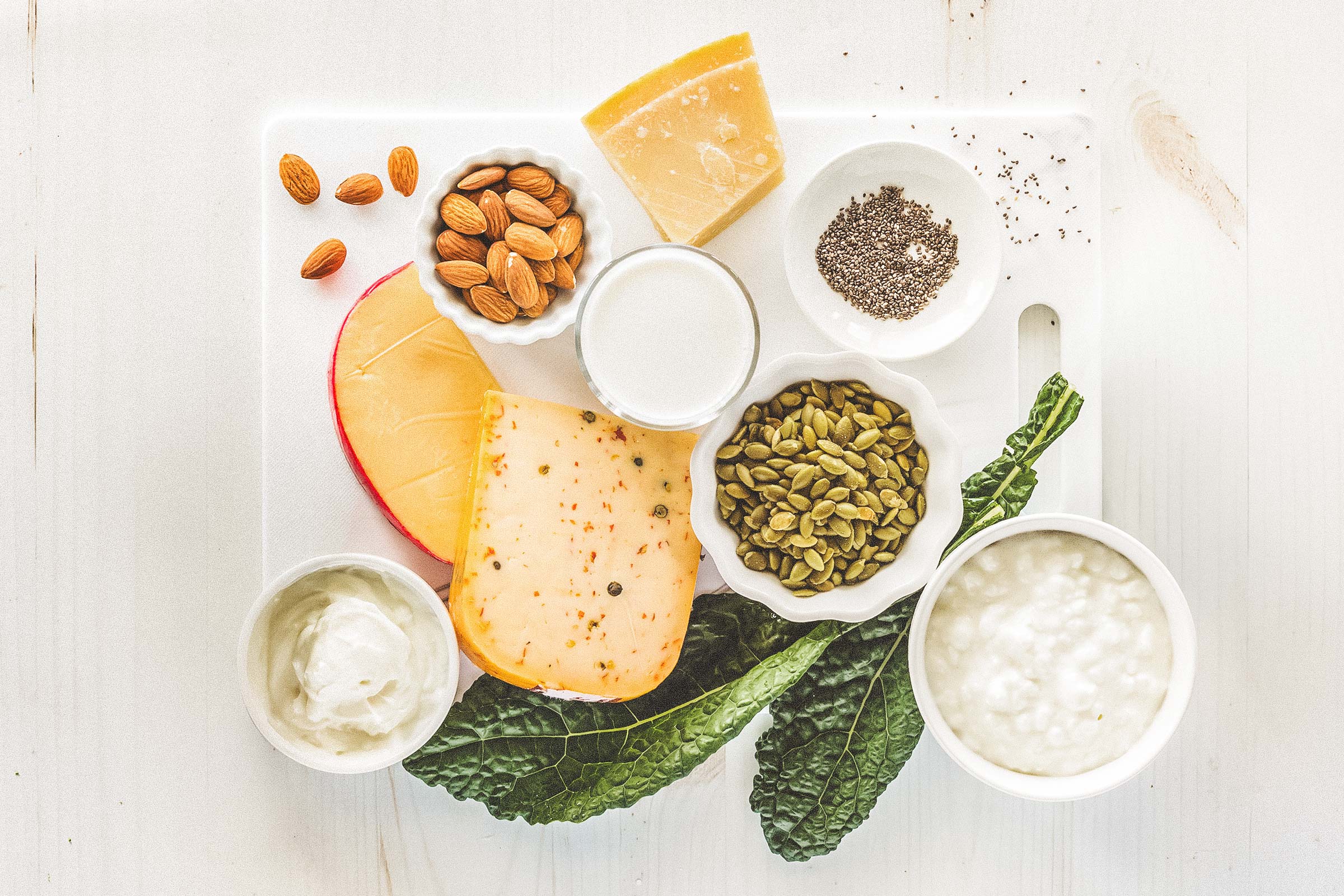
(Carey Jaman/Shutterstock)
By Ellen Wan
2/20/2026Updated: 2/20/2026

A woman suffered a left lower-leg fracture after falling off her electric scooter. Post-surgery, she diligently followed the rehabilitation regimen, drank milk daily, and consistently took calcium supplements. Despite her efforts, she was still unable to walk. Follow-up X-rays looked almost perfect—the metal plate was in place, the bones properly aligned. However, the fracture gap remained stubbornly empty—no new bone was growing.

Dr. Hsu Yu-Ting, a functional medicine physician at Cheng Ching Hospital, Chung Kang Branch in Taiwan, said in a 2022 media report that the patient was later referred from orthopedics to a functional nutrition clinic. Although she was taking large amounts of calcium, tests revealed poor blood flow, and excessive free radicals in her body prevented nutrients from reaching the fracture site.

Based on these findings, the physician recommended increasing her intake of protein, vitamins D and C, and other key nutrients. After one month, the patient’s walking stride improved noticeably. Two months later, X-rays showed that the previously dark area had turned white, indicating new bone formation and ongoing fracture healing.

How Can Daily Foods Help Strengthen Your Bones


Tsai Yi-Fang, a nutritionist and junior health supplement engineer at KOII Nutrition Consulting Center in Taiwan, told The Epoch Times that calcium absorption can be enhanced through thoughtful food pairings in everyday meals.

1. Pair High-Calcium Foods With Vitamin D–Rich Foods


For example, milk with a boiled or fried egg, or cheese with salmon. Dairy products are naturally rich in calcium, while eggs and salmon provide abundant vitamin D, which helps the body absorb calcium more effectively.

2. Pair High-Calcium Vegetables With Magnesium-Rich Foods


Many people assume that simply eating calcium-rich vegetables will boost their calcium levels. However, compounds such as oxalates and phytates in certain vegetables can inhibit calcium absorption. It’s best to choose vegetables that are high in calcium but low in oxalates, such as kale or seaweed.

Kale and seaweed provide both calcium and magnesium, and can be paired with magnesium-rich nuts to help maintain a proper calcium-to-magnesium balance. Building strong bones requires more than calcium; magnesium deficiency is also a key risk factor for osteoporosis.

3. Lower Food pH


Adding a small amount of vinegar when simmering traditional bone broth or combining tofu, milk, or cheese with tomato soup can lower the pH levels. Pairing calcium-rich foods with acidic ingredients helps release calcium and improve its absorption. An acidic environment promotes the dissolution of calcium ions, enhancing intestinal uptake—particularly helpful for those with low stomach acid.

Dietary Habits That Affect Calcium Absorption


In daily diets, certain foods and nutrients—when eaten in excess—can significantly impair calcium absorption and retention, Tsai said.

Excessive Sodium Intake


Sodium and calcium share similar excretion pathways in the kidneys. When sodium intake is too high, the kidneys excrete excess sodium in the urine, which also carries calcium. Additionally, excessive sodium may interfere with calcium absorption in the intestines.

A study analyzing the diets and bone density of nearly 900 women found that a high-salt intake was associated with lower bone density. Even after adjusting for age, hypertension, diabetes, and abnormal lipid levels, the negative effect of salt on bone density remained significant.

Excessive Protein Intake


The kidneys are responsible for excreting nitrogenous waste products from protein metabolism while also regulating calcium balance. If protein intake exceeds daily needs, the kidneys will excrete calcium along with metabolic wastes.

Excessive Caffeine Intake


Beverages such as tea, coffee, and cocoa contain high levels of caffeine, which can promote calcium loss and reduce its absorption.

Research has found that older women who drink more than five cups of coffee per day tend to have lower bone density.

Tsai recommends limiting daily caffeine intake to no more than 300 mg—roughly equivalent to 2 medium cups of Americano coffee, 3 cups of black tea, or about 300 grams of dark chocolate.

Vitamin D Deficiency


Vitamin D plays a crucial role in enhancing calcium absorption in the small intestine, regulating the calcium-phosphorus balance to support bone health, and working with parathyroid hormone to maintain blood calcium levels and renal calcium reabsorption. When vitamin D is insufficient, the processes of calcium metabolism are disrupted.

Clinical nutritionist and naturopath Sheridan Genrich, a contributor to The Epoch Times, likens calcium to the “bricks” used to build a house, while active vitamin D (1,25-dihydroxyvitamin D) serves as the essential “bricklayer.”

She also said that as we age, the intestine’s ability to absorb calcium gradually declines, and the kidneys become less efficient at converting vitamin D into its active form. As a result, even if calcium intake remains the same, fewer “calcium bricks” are ultimately deposited into the bones.

Sugary and Carbonated Beverages


Carbonated beverages often contain phosphoric acid, sugar, sodium, and caffeine. Phosphoric acid can disrupt the calcium-to-phosphorus ratio and alter the body’s acid-base balance, ultimately reducing bone density. Excessive sugar intake further accelerates calcium loss.

A meta-analysis involving more than 124,000 participants found that greater intake of sugary beverages was linked to lower bone mineral density in adults. The effect was more pronounced in people under 50 years old, indicating that long-term intake of sugary drinks may subtly compromise bone health from a relatively young age.

Long-Term Alcohol Use and Smoking


Alcohol and nicotine interfere with the activation of vitamin D, reduce the body’s ability to absorb calcium, and disrupt calcium metabolism, contributing to fragile bones and decreased bone density.

How Can Menopausal Women and Older Adults Get Sufficient Calcium?


Calcium needs and strategies should be tailored to different life stages, especially during menopause and in older age.

Genrich explained that during menopause, declining estrogen levels accelerate bone loss and reduce the body’s ability to absorb and retain calcium. For this reason, simply taking calcium is often not enough. Effective strategies should combine calcium with vitamin D, lifestyle adjustments, and, when necessary, medical interventions.

When it comes to calcium-rich foods, she recommends prioritizing those that are highly absorbable and also provide nutrients that support calcium uptake, such as sesame paste, sardines, canned wild salmon with soft bones, and dark green leafy vegetables.

For older adults, Tsai advises choosing softer foods for those with chewing difficulties, such as traditional tofu, or chopping and mashing harder foods to add to smoothies or porridge. For people with poor digestion or inadequate nutrition, calcium supplements—such as tablets, chewables, or liquid calcium—can help meet daily requirements. Those who are lactose intolerant can try small amounts of cheese or yogurt, or organic soy products, high-calcium vegetables, small dried fish, or black sesame as reliable sources of calcium.

The Risks of Too Much Calcium and How to Supplement Safely


Genrich noted that more calcium isn’t always better. For most adults, the total daily calcium intake from food and supplements should not exceed 1,000 to 1,200 mg, she said. Long-term high-dose supplementation, especially taking large amounts at once outside of meals and without sufficient support of vitamin D, raises the risk of side effects such as constipation, kidney stones, and interference with the absorption of other essential minerals

She recommends taking calcium supplements in divided doses, ideally 500 to 600 mg or less per serving with meals, and choosing products that include supportive nutrients such as vitamin D, magnesium, and vitamin K2.

For people with heart disease, a history of kidney stones, or postmenopausal women, it’s especially important to supplement calcium under a doctor’s or registered dietitian’s guidance to avoid unwanted calcium deposits in soft tissues or joints, she said.

TCM Calcium-Boosting Remedy: Pork Bone Broth


Shu Rong, director of the Doctor Rong Clinic in the UK, told The Epoch Times that drinking bone broth can strengthen bones and is suitable for all ages. The traditional Chinese medicine (TCM) principle of “taking resemblance by analogy,” which holds that similar things share comparable properties and can nourish, promote, and support one another, she said. For example, animal bones and human bones are considered of the same type, so ingesting bone broth may help support human bone development.

Bone Broth Recipe


Ingredients

  • 1 pound pork bones

  • Salt, vinegar, pepper (to taste)


Preparation

  • Rinse pork bones thoroughly. Place them in a clay pot, cover with water, bring to a boil, then immediately discard the water to remove blood and impurities.

  • Return the cleaned bones to the clay pot, add 1.5 quarts of fresh water, bring to a boil over medium heat, then reduce to low heat and simmer for 3 hours or longer.

  • Season with salt, vinegar, and pepper to taste before serving.


Shu advises using a clay pot or earthenware vessel to cook bone broth—avoid pressure cookers or metal pots. During prolonged heating, metal pots can release trace elements that degrade nutrients or even produce substances harmful to the body.


Do not add salt during simmering; season only after the broth is finished and just before drinking. Adding salt too early can prevent nutrients from fully dissolving into the soup.

She also cautions that to maximize the bone-strengthening benefits of bone broth, pay attention to how the pig was raised. If it was fed artificial feed and heavily treated with hormones or antibiotics, the bones lack nutritional value and are not suitable for making broth.

Share This Article:
Ellen Wan
Author
Ellen Wan has worked for the Japanese edition of The Epoch Times since 2007.

©2023-2026 California Insider All Rights Reserved. California Insider is a part of Epoch Media Group.