
Medicare Part B premiums are higher than they should be because the government overpays private insurance companies that run Medicare Advantage plans, according to a March report from the Congress’ Joint Economic Committee.
In an estimate released on March 10, the committee said Medicare Advantage overpayments increased Part B premiums by $212 per enrollee in 2025, totaling $13.4 billion in additional spending.
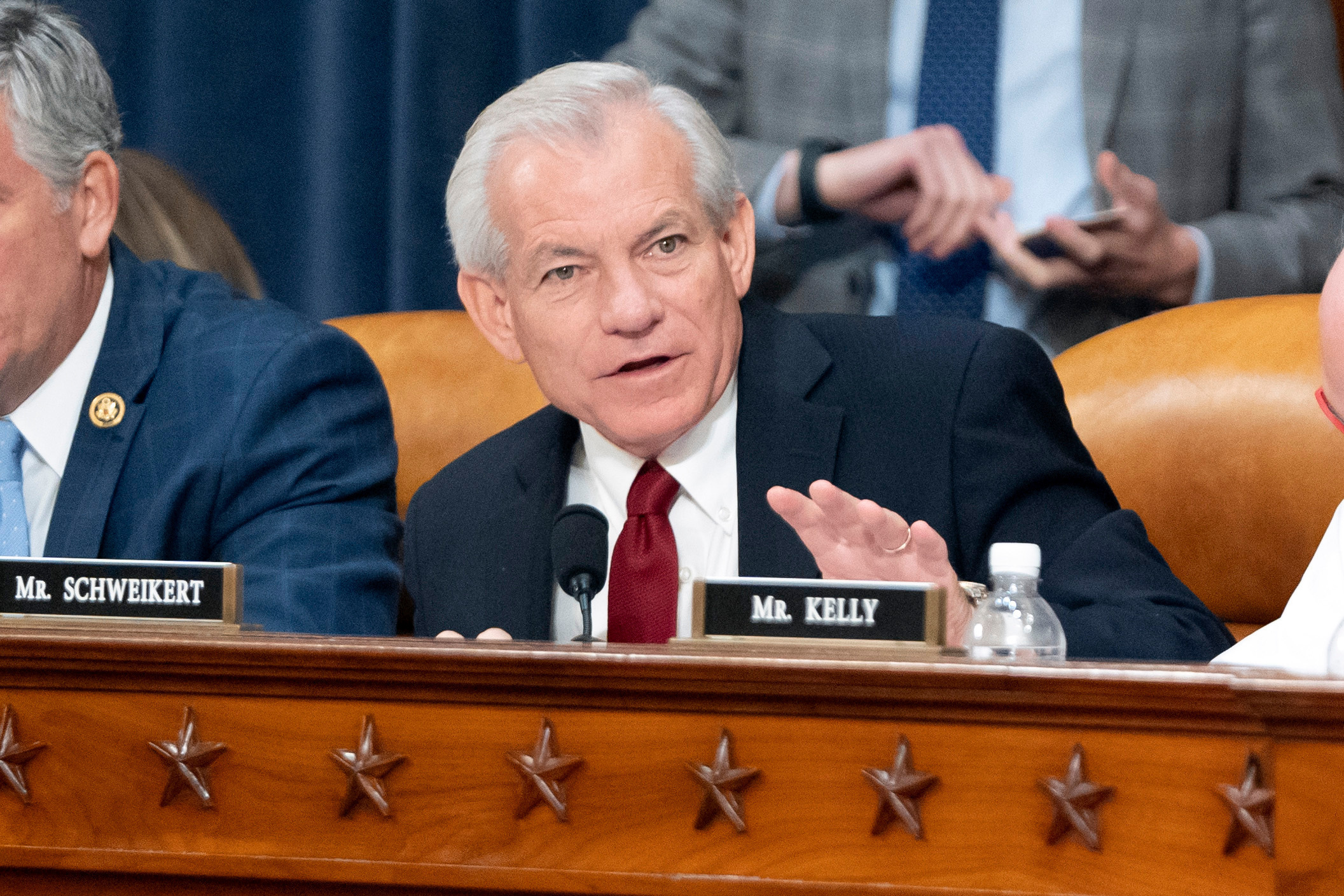
“Let’s be honest about the math, when Medicare Advantage is overpaid, that money doesn’t just disappear, it shows up in the Medicare Part B premiums seniors pay every month, including those paid by traditional Medicare beneficiaries who are not getting extra benefits,” Joint Economic Committee Chairman David Schweikert (R-Ariz.) said.
“Between aggressive upcoding, questionable quality bonuses, and structural overpayments in Medicare Advantage, seniors who stay in traditional Medicare are effectively subsidizing the system,” Schweikert said.
Medicare is federal health insurance for Americans 65 or older and some with disabilities, including Part A (hospital) and Part B (medical) coverage, Medicare Advantage—formally known as Medicare Part C, and Part D (prescription drug) coverage.
Enrollees in Medicare Part B have a choice between traditional Medicare and Medicare Advantage. Both options require a Part B premium.
People who are not even enrolled in Medicare Advantage plans bore roughly $6 billion of that $13.4 billion cost in 2025. Since 2016, advantage plan overpayments have added an estimated $82 billion to Part B premiums.
Because premiums are set to cover roughly 25 percent of expected Part B costs—including those inflated by Medicare Advantage overpayments—everyone in Part B ends up paying more.
Nearly 85 percent of the added premium burden falls on individuals, with the remainder falling on state (9 percent) and federal taxpayers (6 percent).
Medicare Part B covers doctors’ services, outpatient care, and some preventive services such as exams, lab tests, and screening shots for nearly 64 million Americans.
For roughly 70 percent of seniors—more than 40 million individuals—Part B premiums are taken directly out of their Social Security checks.
Therefore, when Medicare Advantage overpayments drive up premiums, it results in a direct reduction in the amount of money seniors actually take home each month.
By 2035, per-person premiums are projected to double from $2,440 to about $5,000, according to the report.
Of that total, about $450 will be due to overpayments if they continue at the same rate.
In states with lower Medicare Advantage enrollment, traditional Medicare beneficiaries paid more to subsidize Medicare Advantage benefits. For instance, those in Wyoming paid an added $770 for each Medicare Advantage beneficiary in their state.
Cause of Overpayments
The federal government paid Medicare Advantage insurers an estimated 20 percent more on average—translating to $84 billion—than it would have cost to cover the same beneficiaries in traditional Medicare in 2025, according to the estimation of the non-partisan Medicare Payment Advisory Commission.
These extra costs were primarily driven by “coding intensity” and “favorable selection,” according to the report.
Coding intensity refers to the financial incentive for private insurers to document as many medical diagnoses as possible for higher payments from the government.
Some large Medicare Advantage insurers, including UnitedHealth, Kaiser Permanente, and CVS Health, have been alleged to capture high amounts of federal funding by upcoding. Kaiser and CVS had agreed to pay to settle the allegation, but did not admit wrongdoing.
Favorable selection occurs when healthier seniors—who are expected to spend less on medical care—choose to join private Medicare Advantage plans. When healthy people join, the plan receives a payment based on an average person’s risk, but actually spends much less on their care.
“Medicare Payment Advisory Commission’s projections rely on assumptions and methodologies that many experts have questioned for years,” Mary Beth Donahue, president and CEO of the Better Medicare Alliance, a Medicare Advantage advocacy organization, said in a statement on March 10.
A September report from the Healthcare Leadership Council argued that the Medicare Payment Advisory Commission overstated Medicare Advantage overpayments by utilizing flawed metrics for coding intensity and favorable selection.
According to Donahue, alternative analyses indicate that the gap in diagnostic coding between Medicare Advantage and traditional Medicare is far narrower than the estimates provided by the Medicare Payment Advisory Commission.
“Claims that Medicare Advantage ‘overpayments’ significantly increase seniors’ Part B premiums stem directly from those disputed assumptions,” she said.