
Massachusetts officials have agreed to delete data from a contact tracing application that people said was installed on their phones without their permission during the COVID-19 pandemic.
Under a settlement agreement approved by a federal judge on March 31, the Massachusetts Department of Public Health “shall (a) destroy any Primary Data in the Department’s possession, custody, and control, which the Department, exercising all due diligence, has located and ... that was made available to the Department from the COVID Exposure Notification Setting on Android Devices; and (b) certify in writing to Class Counsel that such data has been destroyed and will not be provided to any third party.”
The state’s health commissioner also promised not to have data collecting applications installed on people’s phones without their permission for five years.
The settlement came in a case brought by plaintiffs who said the app in question, known as MassNotify v.3 or Exposure Notification Settings Feature-MA, was “secretly installed” on their phones without their permission.
American Institute of Economic Research senior fellow Robert Wright, who lives in Massachusetts, said the app was downloaded onto his Android phone around July 1, 2021, without his knowledge. Johnny Kula, a New Hampshire resident who travels to Massachusetts on a daily basis for work, also said he discovered the app on his phone around the same time, and that it was back on the phone later in 2021 after he uninstalled it.
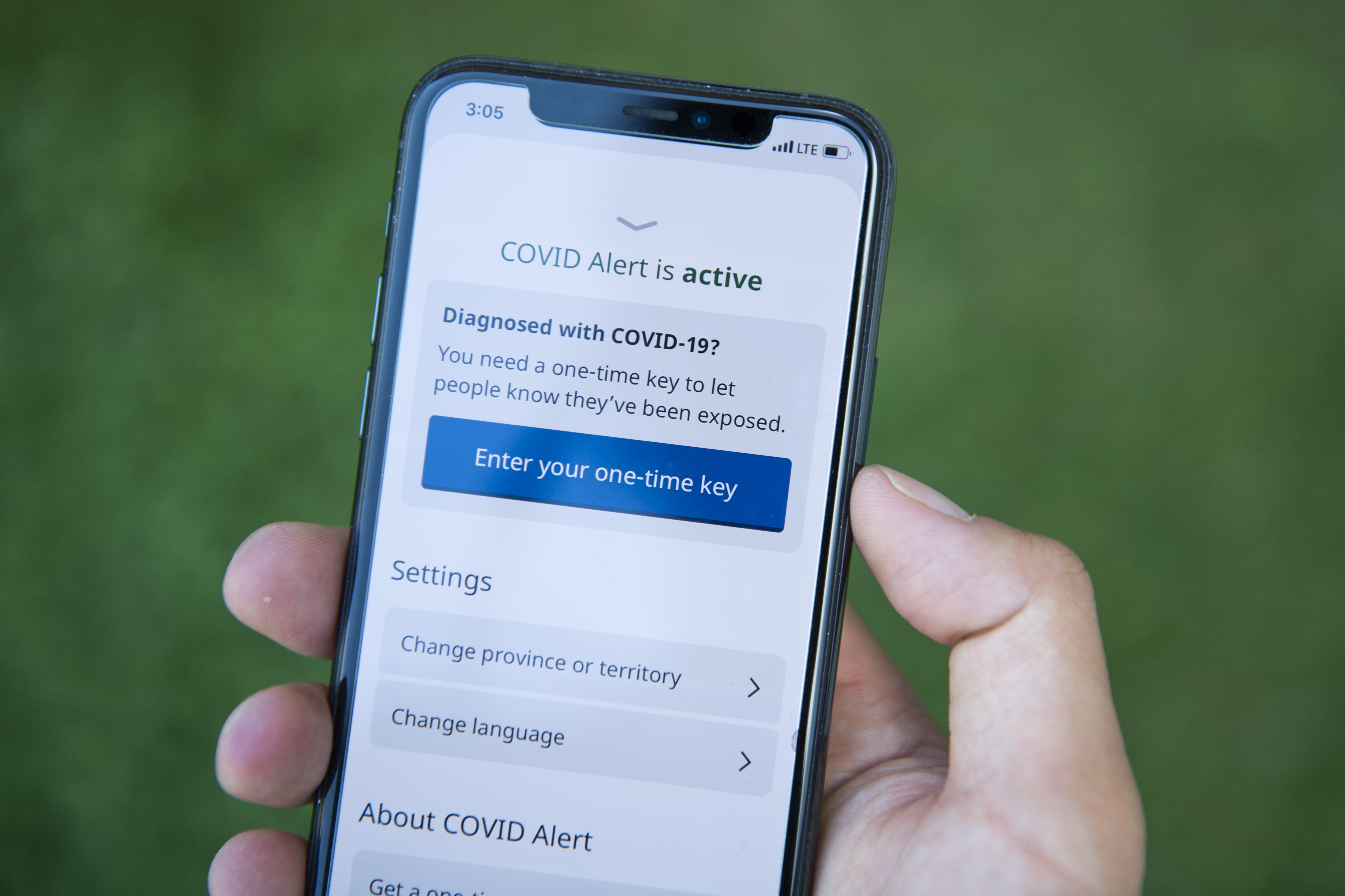
The plaintiffs’ claims echoed reviews from app store users complaining they had not downloaded the app, but it appeared on their phones. The app, which allowed people to say they had tested positive for COVID-19, and alerted others who had recently been close in location to those people, was downloaded more than one million times, according to court filings. Similar applications were developed by at least 24 other states.
Massachusetts officials said in filings that the app was not secretly placed on phones and asked the court to dismiss the lawsuit. The judge denied the motion to dismiss, finding the allegations plausibly supported violations of rights protected by the U.S. Constitution’s Fifth Amendment.
That led to discussions on a settlement.
The Massachusetts Department of Health did not admit to wrongdoing in the pact. In a joint filing, state officials and lawyers for the plaintiffs said that the settlement “goes far to accomplish Plaintiffs’ goals in this litigation,” including the requirement of deletion of records obtained through the app.
U.S. District Judge Mark Mastroianni approved the settlement, deeming it fair and reasonable.
“This settlement is not only a victory for civil liberties in Massachusetts but across the country,” Peggy Little, senior litigation counsel at the New Liberties Civil Alliance, which represented plaintiffs in the case, said in a statement.
“It is a powerful cautionary precedent that government should not adopt new intrusive technology to spy on its citizens using their own smartphones without regard for law. Our Founders were wiser than we know when they promised the enduring civil liberties that this settlement vindicates.”
The Massachusetts Department of Health did not respond to a request for comment by time of publication.