“I come with sorrow for the suffering inflicted upon the Venezuelan people following an illegitimate military aggression against our homeland,” she said.
Rodríguez previously served as Maduro’s deputy.
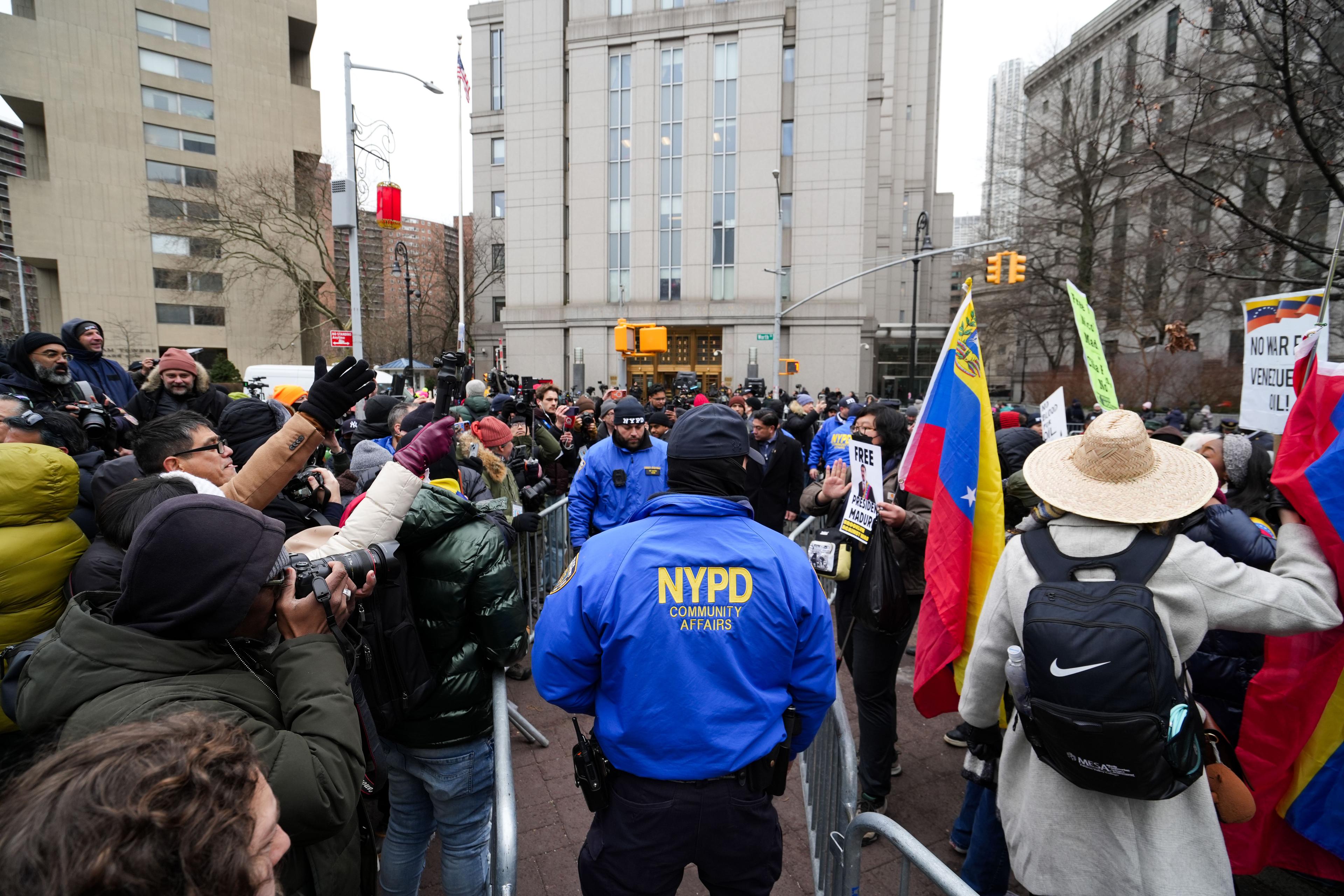
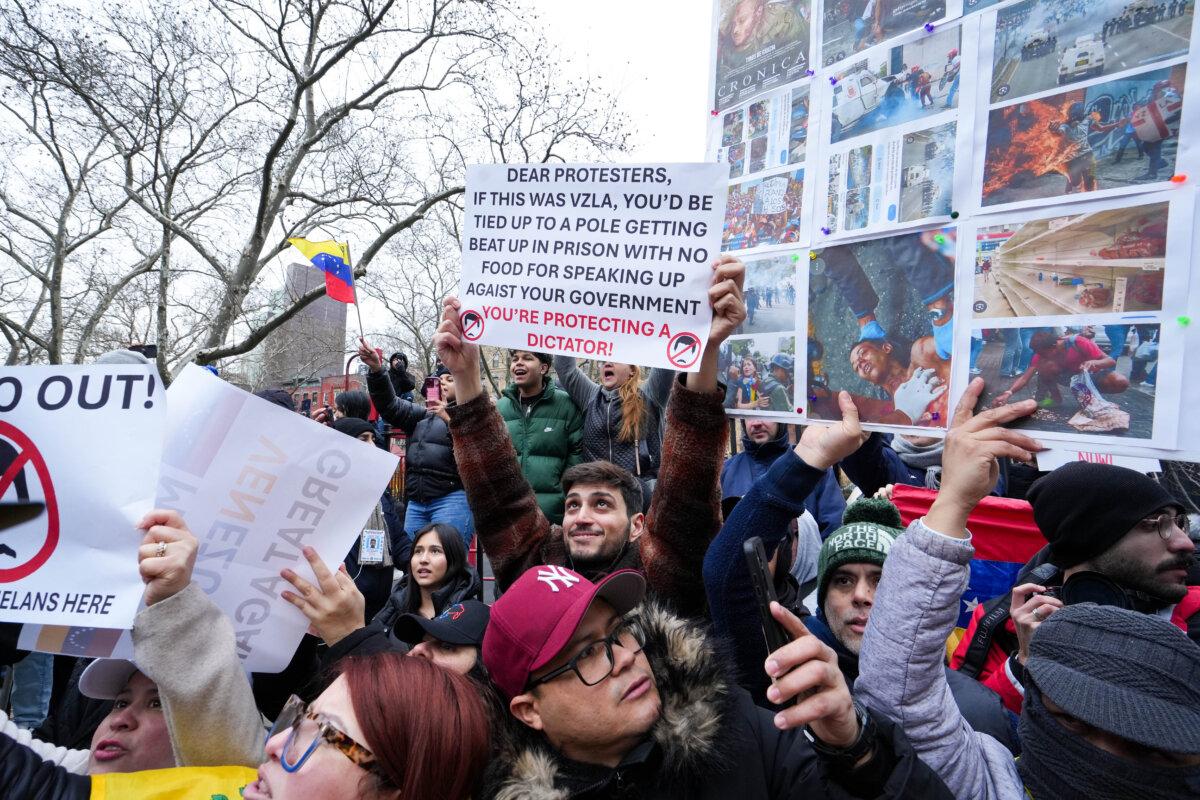
“What we want is for the full weight of the law to fall upon Maduro,” Pedro Rojas, 33, said at a press gaggle outside the courthouse after the hearing.
Rojas said he was a political prisoner in Venezuela in 2019.
“Maduro is being fed, he is requesting medical treatment, all things that political prisoners in Venezuela have never received,” he said. “There are people in Venezuelan jails facing 14, 18, 20 years in prison because of this blood-thirsty tyrant.”
Rojas apologized for his outburst.
“I apologize to the U.S. and the U.S. justice system for shouting during the proceedings,” he said.
“All I said was that Maduro will now face justice for all his violations, and he said he was innocent and a man of God,” Rojas continued.
“We too are men of God and have never beaten innocent people or persecuted cardinals of the Catholic Church or taken passports from political dissidents.”
“Denmark recalls the foundational principle of international law that forbids states from threatening or using force against another state's territorial integrity and political independence,” Lassen said.
Lassen’s comments mark a rare instance of a representative of a U.S. ally raising concerns around the U.S. military operation to capture Nicolás Maduro. Her comments come amid ongoing diplomatic tension between the United States and Denmark over Greenland.
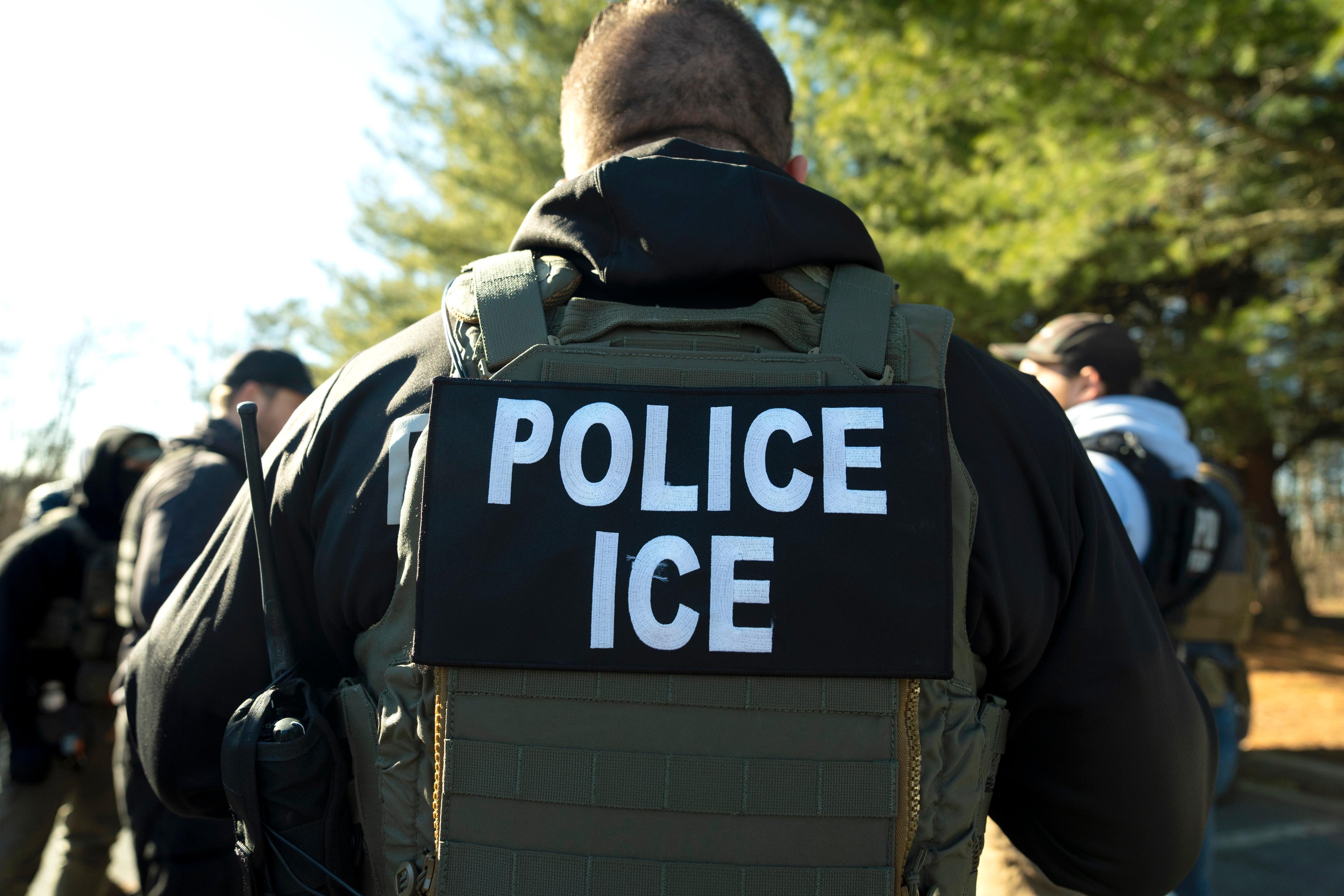

The Department of Homeland Security (DHS) clarified that deportations flights of Venezuelan nationals are ongoing and that applicants can apply for refugee status only before entering the United States.
In an interview with “Fox News Sunday,” Homeland Security Secretary Kristi Noem was asked whether Venezuelans can remain in the United States after a U.S. operation led to the capture of Venezuelan leader Nicolás Maduro. She responded by saying that they can apply for refugee status instead of relying on temporary protected status (TPS).
“Every individual that was under TPS has the opportunity to apply for refugee status, and that evaluation will go forward,” Noem said.
“We need to make sure that our programs actually mean something and that we’re following the law.”
DHS ended TPS for Venezuela in 2025, a decision later upheld by the U.S. Supreme Court. Approximately 600,000 Venezuelan nationals were or are living in the United States under the now-scrapped program, which was established under the Biden administration.
When asked about Noem’s comment, a spokesperson for DHS told The Epoch Times on Jan. 5: “Flights are not paused. Applicants are only eligible for refugee status prior to entering the country.”
The spokesperson also pointed to Noem’s decision that ended TPS for Venezuelan nationals last year, adding that they can leave the United States for their home country after Maduro’s arrest.
DHS also responded to the “Leading Report” account on X, accusing it of misquoting Noem in a Jan. 4 post that said that “Venezuelan migrants can apply to become refugees in the United States.”
The agency wrote: “This is not what Secretary Noem said. President Trump is bringing stability to Venezuela and bringing to justice an illegitimate Narco Terrorist dictator who stole from his own people. Secretary Noem ended Temporary Protected Status for more than 500,000 Venezuelans and now they can go home to a country that they love.”
Also in her interview, Noem said that Venezuela is “more free today than it was yesterday,” referring to Maduro’s capture. Multiple human rights groups and the State Department have said that Maduro’s regime frequently committed human rights violations and crimes against humanity, including extrajudicial killings, torture, arbitrary arrests, and using criminal gangs such as Tren de Aragua to carry out such repression.
President Donald Trump has also halted asylum applications from Venezuela and 18 other countries following a shooting that left a National Guard soldier dead in Washington late in 2025.
On the afternoon of Jan. 5, Maduro pleaded not guilty in a federal courthouse in New York City.
“I’m innocent. I am not guilty. I am a decent man, the president of my country,” Maduro told a judge.
Maduro was making his first appearance in a U.S. courtroom on Jan. 5 on narco-terrorism charges after U.S. forces captured him.
Maduro, his wife, his son, and several others are accused of working with drug cartels to ship thousands of tons of cocaine into the United States. They could face life in prison if convicted.
His next court date is set for March 17.
The Associated Press contributed to this report.
Pedro Rojas, 33, said he had been imprisoned in Venezuela and called Maduro an “illegitimate” president.
“I am a kidnapped president,” Maduro shot back in Spanish as he was escorted by deputy U.S. Marshals. “I am a prisoner of war. And I’m a man of God.”
Rojas responded, “And I’m a man of God.”
Maduro “is head of a sovereign state and entitled to the privilege,” said Barry Pollack toward the end of the hearing. There are “questions about the legality of his military abduction,” he said.
Pollack said his team will submit “voluminous” pretrial filings to address the issue.
Mark Donnelly said his client has “health and medical issues that will require attention.”
Flores may have a fracture or severe bruising of her ribs that could warrant an X-ray, Donnelly said.
Along with his wife, Cilia Flores, he pleaded not guilty to all the charges.
They will remain behind bars pending trial.
The next court date has been scheduled for March 17.
“I am first lady of the Republic of Venezuela,” she said.
“Not guilty,” she continued. “Completely innocent.”
When asked by Judge Alvin K. Hellerstein what his plea was, Maduro responded: “I’m innocent. I am not guilty. I am a decent man, the president of my country.”
Maduro was then asked for his plea a second time and said, “I am innocent. I am not guilty of anything that is mentioned here.”
He appeared in court with his wife, Cilia Flores, who also pleaded not guilty.
Maduro is expected to plead not guilty to charges of narco-terrorism conspiracy, cocaine importation conspiracy, possession of machine guns and destructive devices, and conspiracy to possess machine guns and destructive devices against the United States.
Guerra castigated the Trump administration, saying the operation set a dangerous precedent.
The former leader’s son spoke to Venezuela’s parliament, demanding that the captured leader and his wife be returned by U.S. authorities.
Guerra also asked for international support, saying that “If we normalize the kidnapping of a head of state, no country is safe,” and calling the action a “direct threat to global political stability.”
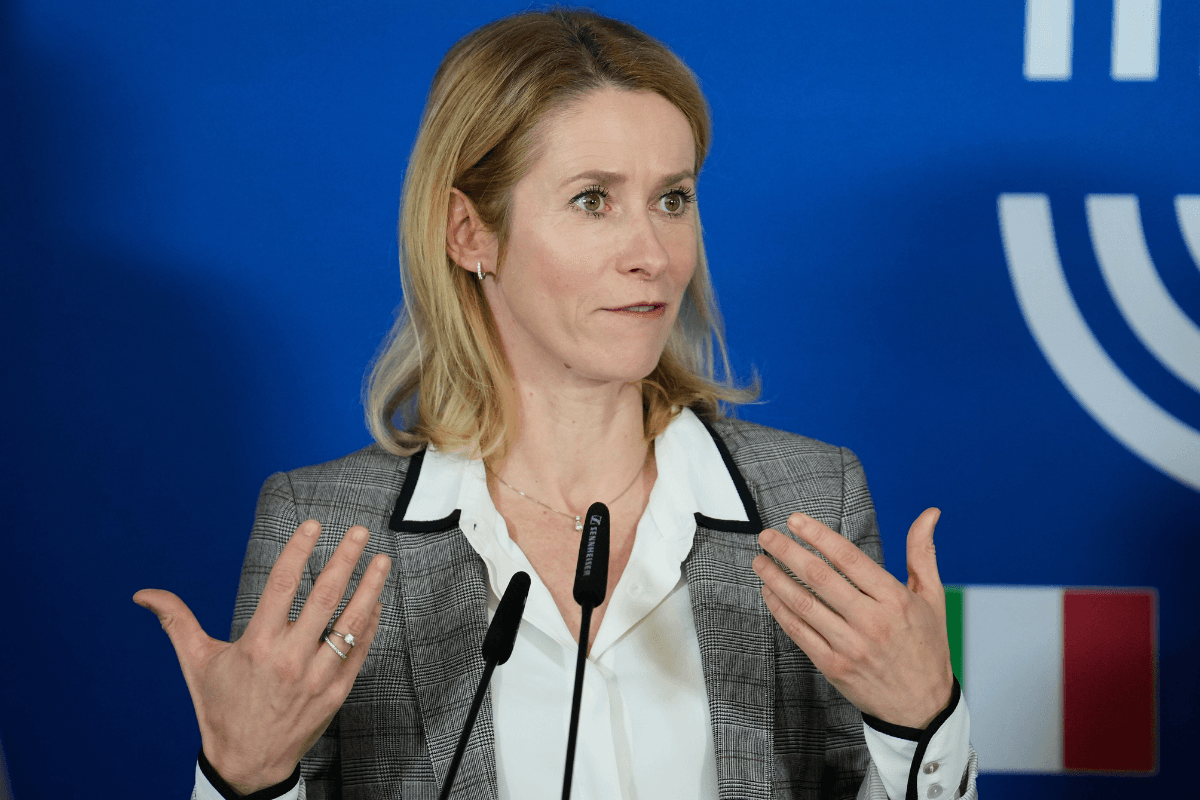
The European Union said on Jan. 4 that the right of Venezuelans to determine the future of their country “must be respected,” and called for the principles of international law to be upheld, following the U.S. raid on Caracas and capture of Venezuelan leader Nicolás Maduro.
In a statement, EU High Representative for Foreign Affairs Kaja Kallas said Brussels believes that Maduro lacks the legitimacy of a democratically elected president and that the bloc has “advocated for a Venezuelan-led peaceful transition to democracy in the country, respectful of its sovereignty.”
Kallas said that while Brussels shares the priority of tackling international drug trafficking and organized crime, “the EU stresses that these challenges must be addressed through sustained cooperation in full respect of international law and the principles of territorial integrity and sovereignty.”
“Respecting the will of the Venezuelan people remains the only way for Venezuela to restore democracy and resolve the current crisis,” she wrote.
Kallas called for “calm and restraint by all actors” in order to avoid escalation.
She added that Brussels remains in close contact with the United States and other international partners.
In the early hours of Jan. 3, U.S. special operations troops captured Maduro and his wife, Cilia Flores, after which they were put aboard the USS Iwo Jima and transported to New York.
Both were indicted in federal court, with Maduro being charged with narco-terrorism conspiracy, cocaine importation conspiracy, possession of machine guns and destructive devices, and conspiracy to possess machine guns and destructive devices against the United States.
The operation was the U.S. military’s most significant action in Latin America since the invasion of Panama in 1989, when the U.S. government seized the country’s leader, Manuel Noriega, and brought him back to the United States on drug-trafficking charges.
The U.S. capture of Maduro—whose regime has been accused of committing human rights violations—sparked widespread celebrations by the Venezuelan diaspora, including those living in the United States.
Hungary Did Not Support Statement
The EU’s statement was supported by 26 of the bloc’s 27 member states, with Hungary, led by long-time Trump ally Prime Minister Viktor Orban, the only country not to endorse it.
Janos Boka, Hungary’s minister for EU affairs, criticized Brussels for its wording in the statement, saying it has “nothing to say about the situation.”
“In the new era of great power politics, it is unable to articulate its interests in the region,” Boka wrote in a Facebook post on Jan. 4.
“And due to the lack of means, it has not been able to become a meaningful player so far, and this is unlikely to change. Kaja [Kallas’s] statement is a sign of weakness and a complete misunderstanding of the transformation of international relations.”
He added that the Hungarian government was doing its job by ensuring the safety of its citizens in Venezuela and that it was closely monitoring events.
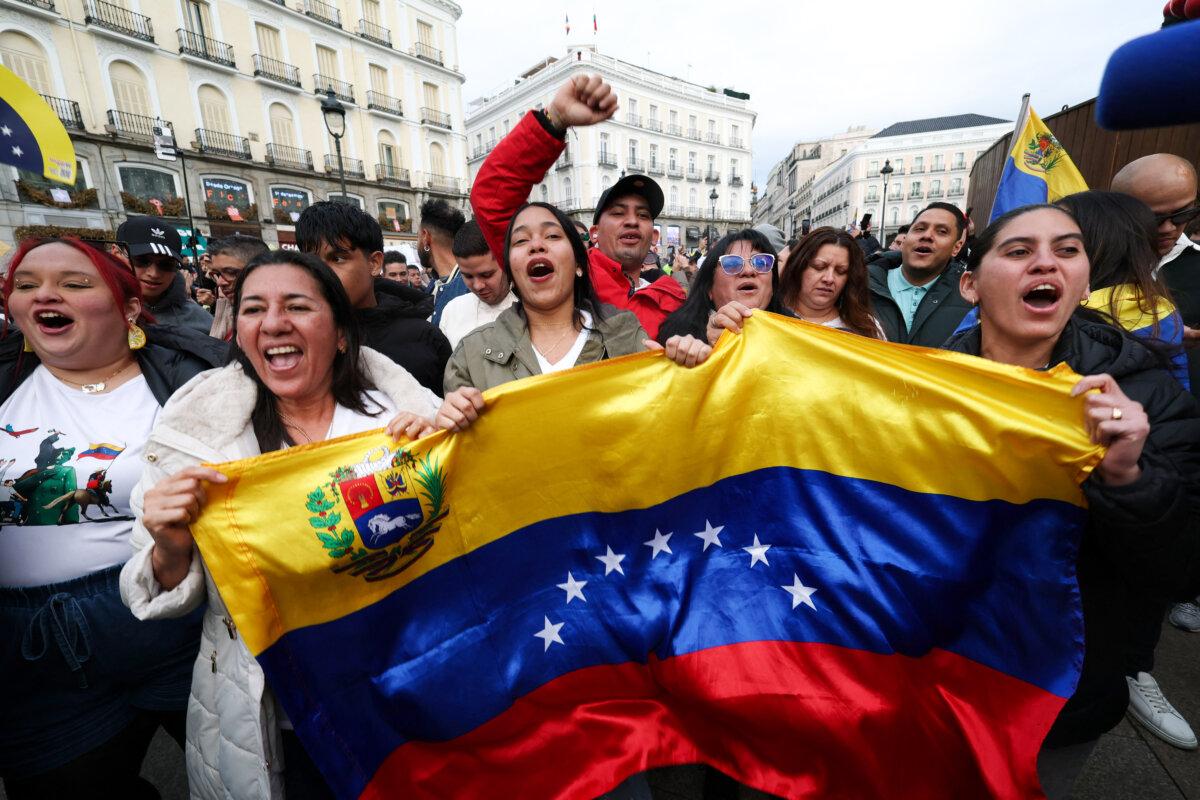
Venezuelan citizens living in Spain celebrate following U.S. forces' capture of Venezuelan leader Nicolás Maduro in Caracas, Venezuela, at Puerta del Sol square in Madrid on Jan. 3, 2026. (Pierre-Philippe Marcou/AFP via Getty Images)
On Jan. 5, Orban said the Trump administration’s decision to topple Maduro should have a positive impact on the global energy market.
During his annual news conference for international media, the Hungarian prime minister said: “What I consider important for Hungary from this is that, together with Venezuela, the United States, by my estimation, will be able to control 40 [percent to] 50 percent of the world’s oil reserves.
“This is a power already capable of significantly influencing the world market price of energy. ... I see a strong chance that as a result of bringing Venezuela under control, a more favorable global energy situation will emerge for Hungary, and that is good news.”
Hungary is particularly concerned about energy prices. In November, Trump granted Hungary a one-year waiver from sanctions on Russian energy, which Orban said was necessary because Hungary is landlocked and dependent on Russian oil.
Reuters contributed to this report.
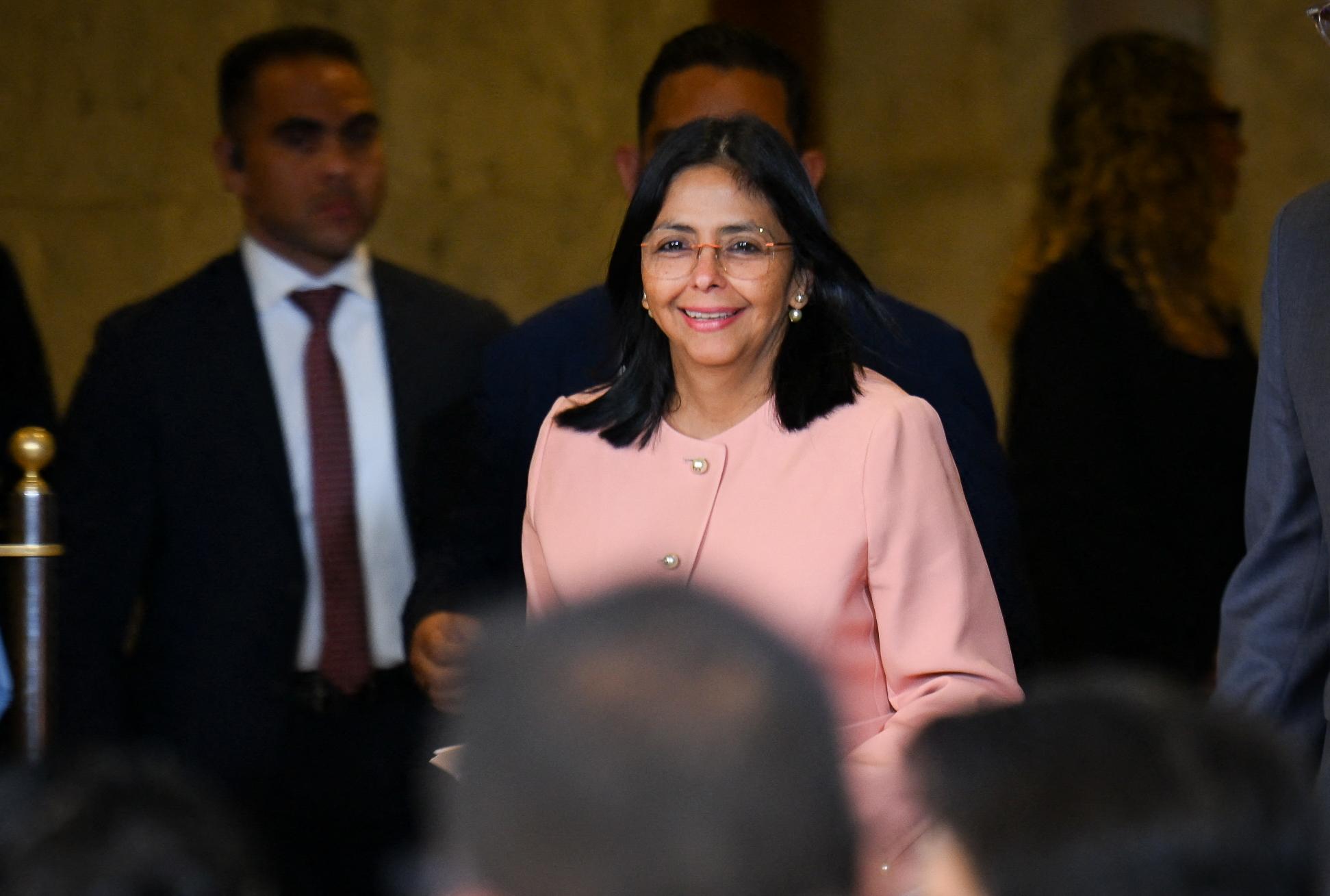
The new interim leader of Venezuela on Monday offered a conciliatory message after a U.S. military operation over the weekend captured former leader Nicolás Maduro and extradited him on narco-terrorism and other charges.
“We invite the U.S. government to collaborate with us on an agenda of cooperation oriented towards shared development within the framework of international law to strengthen lasting community coexistence,” said Venezuelan acting leader Delcy Rodriguez in a Jan. 5 statement on Instagram, which was in English.
The country is now “moving towards balanced and respectful international relations between the United States and Venezuela, and between Venezuela and other countries in the region, premised on sovereign equality and non-interference,” she said.
Rodriguez, a socialist who served under Maduro as deputy leader before his arrest, also mentioned President Donald Trump in her statement and referred to Maduro as the Venezuelan president.
“President Donald Trump, our peoples and our region deserve peace and dialogue, not war. This has always been President Nicolás Maduro’s message, and it is the message of all of Venezuela right now,” she said. “This is the Venezuela I believe in and have dedicated my life to. I dream of a Venezuela where all good Venezuelans can come together.”
The Venezuelan Supreme Court over the weekend named her as the acting leader following a dramatic operation carried out by the U.S. military targeting Maduro’s compound. He and his wife, Celia Flores, were captured and are due to appear in a federal courtroom on Monday.
Rodriguez’s first comments to the United States were of a more defiant tone as she deemed the U.S. operation to be a violation of “international law” and said that Washington needed to return Maduro to Venezuela.
On Sunday evening, Trump told The Atlantic that Rodriguez needs to act in accordance with U.S. national interests and warned her about consequences if she doesn’t.
“If she doesn’t do what’s right, she is going to pay a very big price, probably bigger than Maduro,” Trump said in the exclusive interview.
The U.S. president told the outlet that removing Maduro was needed for national security purposes, adding that “regime change—anything you want to call it—is better than what you have right now.”
“Rebuilding is not a bad thing in Venezuela’s case,” he added. “It’s a totally failed country. It’s a country that’s a disaster in every way.”
Over the weekend, Trump said in a speech that the United States would run Venezuela and was already doing so. When asked during a press conference who would be running the country until a transition of power can take place, Trump said, “the people that are standing right behind me” are going to be running it “for a period of time.”
Secretary of State Marco Rubio said on Sunday that the U.S. administration would not govern Venezuela day-to-day, other than enforcing an existing “oil quarantine” on the country.
According to an indictment filed in the U.S. District Court for the Southern District of New York, Maduro and five co-conspirators were charged with narco-terrorism conspiracy, cocaine importation conspiracy, and weapons offenses.
Before his capture, Maduro had long stressed that he was not involved in drug smuggling or any other illegal activities, saying that he wanted peace with the United States.
The Associated Press contributed to this report.
In the face of questions from group members, Waltz said the military action was justified, saying it was a “surgical law enforcement operation.”
“If the United Nations in this body confers legitimacy on an illegitimate narco-terrorist with the same treatment in this charter of a democratically elected president or head of state, what kind of organization is this?” Waltz said.
U.N. Secretary-General Antonio Guterres voiced his concern about the “grave” action by the United States, saying it could set a precedent for international relations.
Guterres said he was “deeply concerned that rules of international law have not been respected with regard to the 3 January military action.”

Switzerland said on Jan. 5 that it has frozen all assets held in the country by deposed Venezuelan leader Nicolás Maduro and his associates.
After Maduro’s arrest in Caracas by U.S. forces and his subsequent transfer to the United States, Swiss authorities imposed a precautionary measure designed to prevent the removal of any illegally acquired assets from the country.
The order is effective immediately and valid for four years. It is unclear how much the assets are worth.
The Swiss government said Venezuela’s situation was volatile, with a range of possible developments in the coming weeks.
Bern added that it was closely following events, urging moderation and de-escalation, and standing ready to provide its good offices to advance a peaceful outcome.
“Switzerland calls for de-escalation, restraint, and compliance with international law, including the prohibition on the use of force and the principle of respect for territorial integrity,” the Swiss Federal Department of Foreign Affairs said in a statement on X.
The decision is based on the Federal Act on the Freezing and the Restitution of Illicit Assets Held by Foreign Politically Exposed Persons.
It does not affect current members of the Venezuelan regime.
“Should future legal proceedings reveal that the funds were illicitly acquired, Switzerland will endeavour to ensure that they benefit the Venezuelan people,” Swiss authorities said.
This, officials say, is not an endorsement of the U.S. military operation but a recognition of the loss of power that now allows the country to pursue legal assistance proceedings to reclaim the frozen assets.
The asset freeze is in addition to sanctions imposed against Caracas since 2018 under the Embargo Act.
Previous Actions
In December, the U.S. Treasury Department sanctioned several family members and associates of the Maduro-Flores family.
As a result, all properties and assets belonging to the designated individuals that are in the United States or controlled by U.S. persons were frozen.
“Treasury sanctioned individuals who are propping up Nicolás Maduro’s rogue narco-state. We will not allow Venezuela to continue flooding our nation with deadly drugs,” Treasury Secretary Scott Bessent said in a statement.
“Maduro and his criminal accomplices threaten our hemisphere’s peace and stability. The Trump administration will continue targeting the networks that prop up his illegitimate dictatorship.”
Over the years, Washington has implemented broad sanctions on Venezuela’s central bank, the Maduro government’s access to U.S. financial markets, and state oil company PDVSA.
Others have also implemented asset freezes, sanctions, and embargoes on Venezuelan officials linked to the Maduro regime and other individuals, including the European Union, Canada, and Mexico.
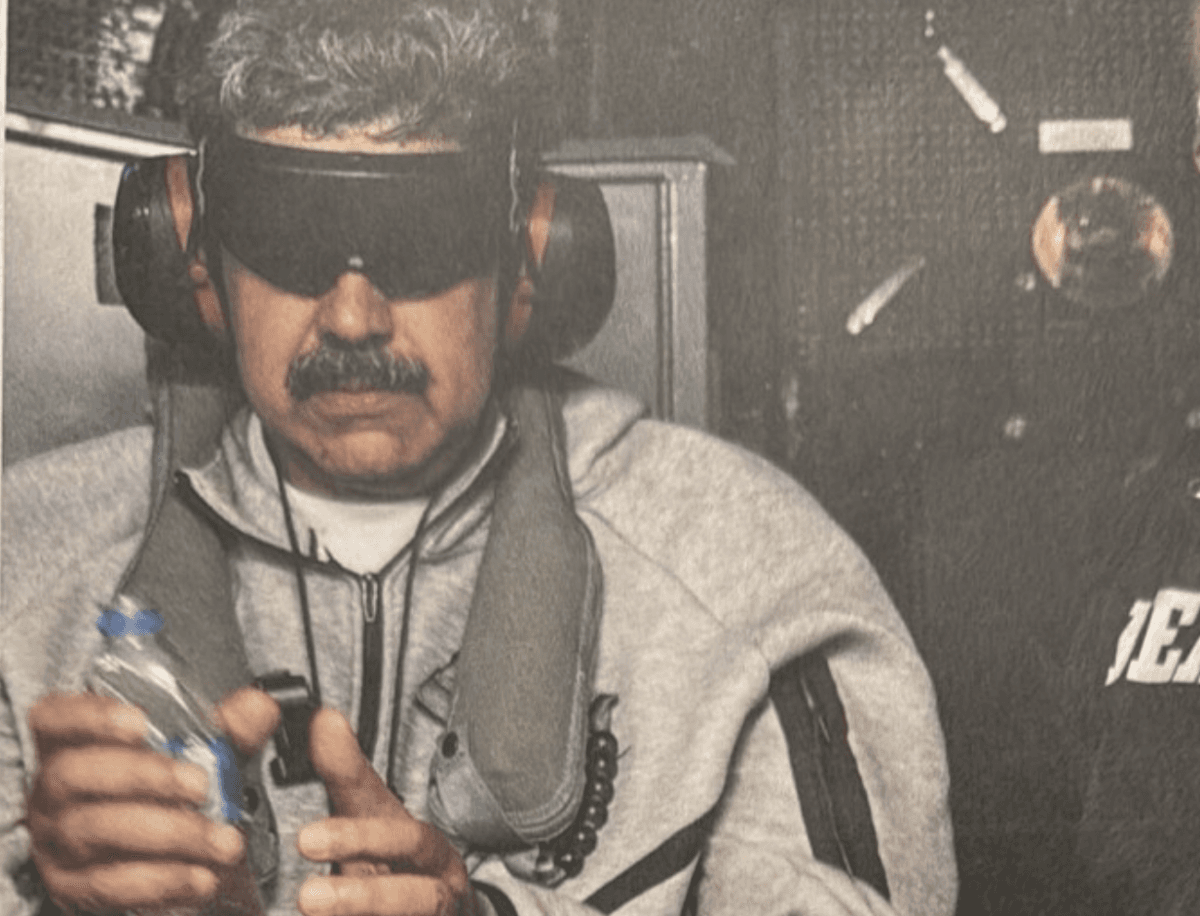
Deposed Venezuelan leader Nicolás Maduro aboard the USS Iwo Jima, on Jan. 3, 2026. (The White House)
Switzerland has already imposed sanctions on Caracas, and it is so far the only nation to announce the freezing of assets after Maduro and his wife, Cilia Flores, were detained by the United States.
For years, Switzerland’s banking sector has been a key destination for political leaders and high-risk individuals to park their wealth.
It is an attractive location because of its strong banking foundation, immense wealth-management industry, and political stability.
Bern has also appeared in watchdog reports.
In 2022, for example, leaked client data from Credit Suisse spotlighted bank accounts connected to sanctioned individuals, corrupt officials, and clients engaged in illicit activities.
Swiss financial regulator FINMA launched an inquiry into the leak and compliance failures.
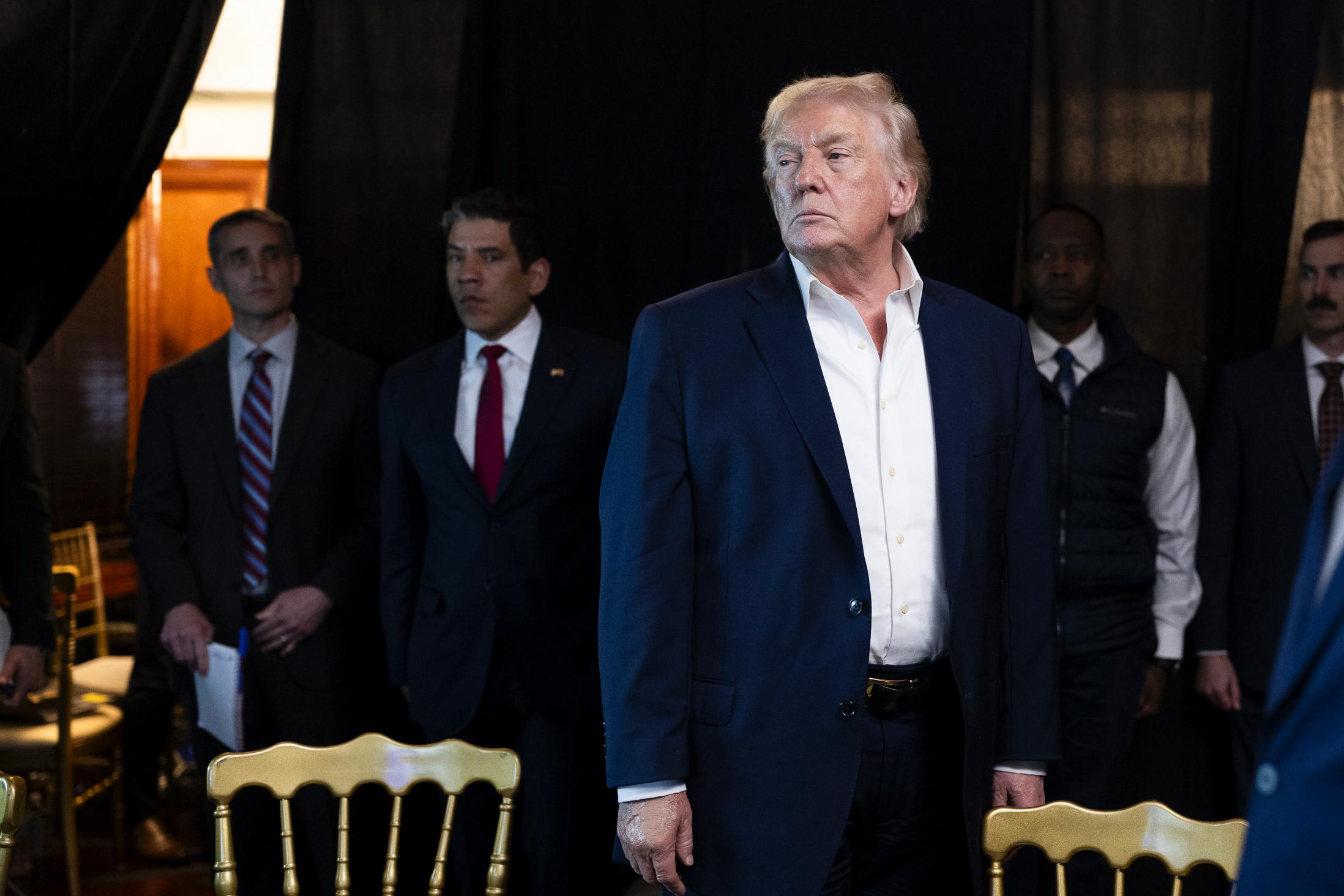
President Donald Trump gave a warning to several Latin American countries, following the U.S. strike on Venezuela over the past weekend that led to the capture of the nation’s leader, Nicolás Maduro, and his detention on narco-terrorism charges.
During his trip back to Washington from Florida on Sunday evening, Trump was asked about Colombia, Cuba, and Mexico.
The president also warned Mexico that it needs to “get its act together,” referring to drug cartels operating in the country.
“You have to do something with Mexico,” Trump told reporters. “We’re going to have to do something. We’d love Mexico to do it; they’re capable of doing it, but unfortunately, the cartels are very strong in Mexico.”
Trump then said that he had spoken to Mexican President Claudia Sheinbaum on a number of occasions, saying that the United States has offered to send troops into her country. However, he described her as “afraid” and that the “cartels are running Mexico,” not her.
As for Colombia, Trump said it “is very sick, too, run by a sick man, who likes making cocaine and selling it to the United States, and he’s not going to be doing it very long,” referring to leftist Colombian President Gustavo Petro. “He has cocaine mills ... he’s not going to be doing it for very long.
Trump was then asked about whether the United States would target Colombia.
“It sounds good to me,” he said in response.
He also predicted the demise of Cuba, noting that the communist-controlled island nation depends heavily on Venezuelan oil.
“Cuba is ready to fall. Cuba looks like it’s ready to fall. I don’t know if they’re going to hold out,” Trump also said.
“But Cuba now has no income. They got all of their income from Venezuela, from the Venezuelan oil. They’re not getting any of it.
“Cuba is literally ready to fall, and you have a lot of great Cuban Americans who are going to be happy about this.”
Over the weekend, Secretary of State Marco Rubio told reporters that Cuba is being run by “incompetent, senile men” and warned the country’s regime.
“If I lived in Havana and I was in the government, I’d be concerned at least a little bit,” he said.
After Maduro’s ouster, the new interim leader was named as Delcy Rodriguez, a Maduro deputy who was appointed by the country’s highest court over the weekend. In her first public remarks in a news conference, Rodriguez said that she believes the U.S. arrest of Maduro was illegal, that he should be returned to the country, and that he’s the rightful leader of Venezuela.
In an interview with The Atlantic on Sunday evening, Trump warned Rodriguez that she could face a fate similar to Maduro’s if she doesn’t align the government with U.S. interests.
“If she doesn’t do what’s right, she is going to pay a very big price, probably bigger than Maduro,” Trump told the paper.
On Monday, Maduro and his wife are expected to appear at noon before a judge for a brief, but required, legal proceeding that will likely kick off a prolonged legal fight over whether he can be put on trial in the United States.
Maduro, as well as his wife, son, and several others, are accused of working with drug cartels to facilitate the shipment of thousands of tons of cocaine into the United States. They could face life in prison if convicted.
The Epoch Times contacted representatives for Mexico, Cuba, and Colombia for comment.
The Associated Press contributed to this report.
Correction: A previous version of this article misstated in one instance the date Trump warned Latin American countries. The Epoch Times regrets the error.
Pollack, a partner at the law firm Harris, St. Laurent & Wechsler, secured the release of Wikileaks founder Julian Assange and represented former Enron accountant Michael Krautz, who was acquitted of federal fraud charges in 2006.
He has been charged with narco-terrorism conspiracy, cocaine importation conspiracy, possession of machine guns and destructive devices, and conspiracy to possess machine guns and destructive devices against the United States.
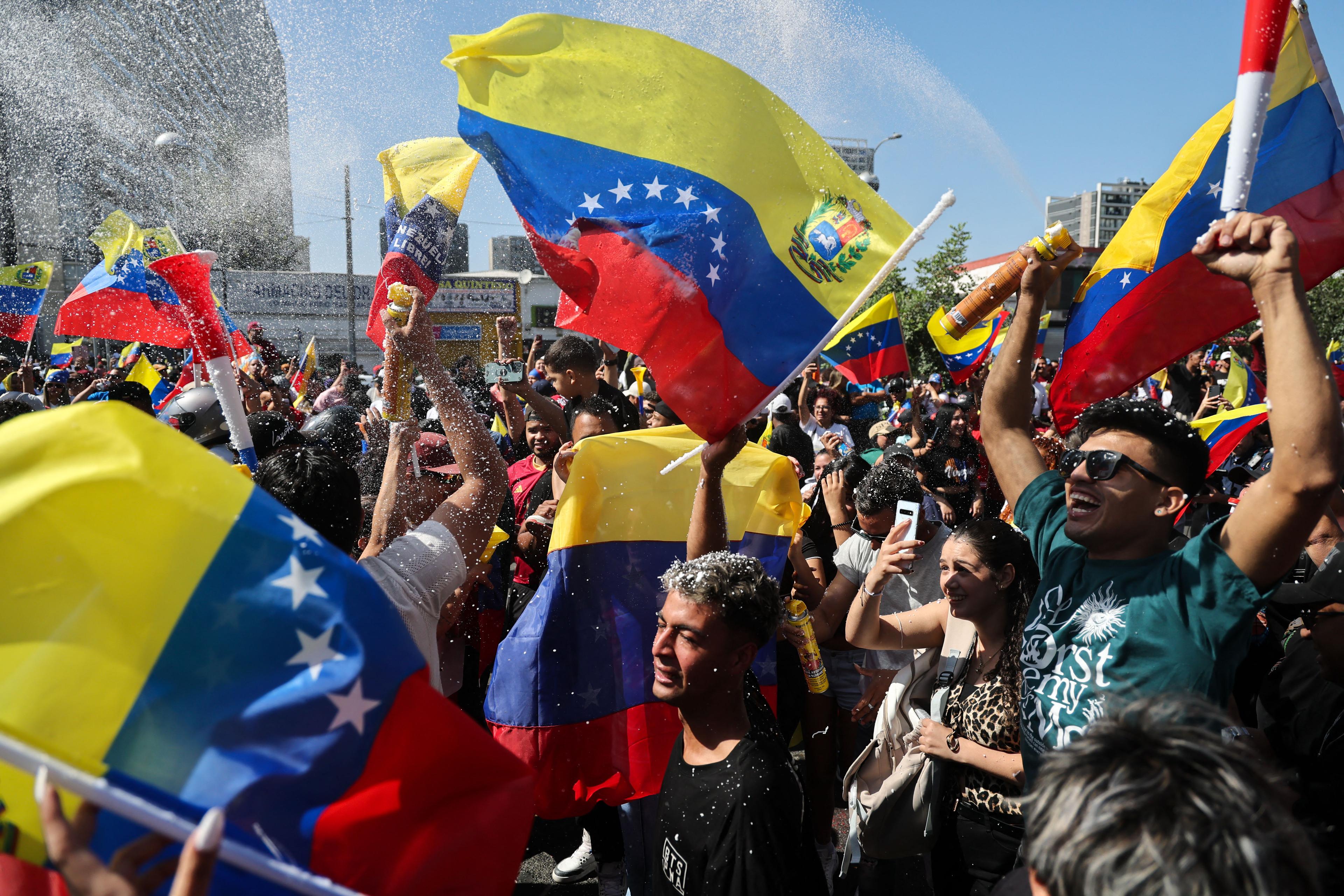

Many of the roughly 600,000 Venezuelans who have temporary protected status (TPS) in the United States can now return home because of the capture of Venezuelan leader Nicolás Maduro, according to a Jan. 4 post on X by Department of Homeland Security (DHS) Assistant Secretary for Public Affairs Tricia McLaughlin.
The post shared a media report in which McLaughlin said Venezuelans can return to a place where they can now enjoy peace, prosperity, and stability.
Under TPS, foreign citizens can remain in the United States for a period of time when returning to their home nation proves dangerous. The DHS secretary makes this determination.
The TPS designation is granted when nations undergo environmental disasters, epidemics, ongoing armed conflict, or other extraordinary, temporary conditions. Once granted, the foreign national is considered not removable from the United States and can obtain employment authorization.
In 2021, the Biden administration instituted TPS for about 250,000 Venezuelan nationals living in the United States. In 2023, an additional 350,000 Venezuelans were added, bringing the total to roughly 600,000 individuals.
In February 2025, DHS Secretary Kristi Noem terminated the 2023 TPS designation, and in September 2025, the 2021 designation was terminated.
However, as Maduro was still in power at the time, the issue of Venezuelans going back posed a challenge.
This has now been resolved with the Trump administration’s capture of the Venezuelan leader.
“President [Donald] Trump is bringing stability to Venezuela and bringing to justice an illegitimate Narco Terrorist dictator who stole from his own people,” DHS said in a Jan. 4 post on X.
“Secretary Noem ended Temporary Protected Status for more than 500,000 Venezuelans, and now they can go home to a country that they love.”
Maduro Arrest Response, Celebrations
Meanwhile, Maduro’s arrest has triggered a wave of conflicting opinions.
Sen. Tammy Duckworth (D-Ill.) criticized President Donald Trump in a Jan. 3 statement, accusing him of carrying out “reckless and unconstitutional operations” in Venezuela.
“The Constitution requires the American people, through their elected representatives in Congress, to authorize any President to engage in acts of war—because they will be the ones to live with the consequences of the decision—and it is unacceptable for this President to deny them that responsibility,” the statement reads.
The arrest, according to the statement, was “not about enforcing law and order because if [it was], [Trump] wouldn’t hide [it] from Congress.”
“Maduro was unquestionably a bad actor, but no President has the authority to unilaterally decide to use force to topple a government, thrusting us and the region into uncertainty without justification, a defined end-state or a real plan for preventing the instability that could come next,” the statement reads.
On NBC’s “Meet the Press” on Jan. 4, Secretary of State Marco Rubio clarified that the United States was not going to war with the Latin American nation.
“We are at war against drug trafficking organizations and not [in] a war against Venezuela,” he said.
In a Jan. 3 statement posted on X, Senate Minority Leader Chuck Schumer (D-N.Y.) said the prospect of the Trump administration planning to run Venezuela should “strike fear” in the hearts of Americans.
According to Schumer, the Trump administration assured him more than three times that it was not planning military action or regime change in Venezuela. He alleged that the operation was conducted by the administration to distract Americans from “skyrocketing costs” and the Jeffrey Epstein files.
U.S. officials said the military action was taken because of Maduro’s refusal to accept multiple offers to change course, especially with his approach to the United States.
“The president offered multiple off ramps, but was very clear throughout this process: the drug trafficking must stop, and the stolen oil must be returned to the United States,” Vice President JD Vance said in a Jan. 3 post on X.
Maduro and his wife were indicted in the Southern District of New York on Jan. 3. Back in 2020, Maduro and 14 other Venezuelan officers were charged with narco-terrorism, drug trafficking, corruption, and other charges in New York City, Washington, and Miami.
At the time, then-U.S. Attorney for the Southern District of New York Geoffrey S. Berman said Maduro and the defendants “expressly intended” to flood the United States with cocaine in a bid to undermine the health and well-being of the country. He accused Maduro of having “very deliberately deployed cocaine as a weapon.”
In a Jan. 3 post on X, Attorney General Pam Bondi said: “Nicolas Maduro has been charged with Narco-Terrorism Conspiracy, Cocaine Importation Conspiracy, Possession of Machineguns and Destructive Devices, and Conspiracy to Possess Machineguns and Destructive Devices against the United States. They will soon face the full wrath of American justice on American soil in American courts.”
Venezuelans across the world celebrated the capture of Maduro, from Spain and Latin America to the United States.
“We are free,“ said Khaty Yanez, a Venezuelan woman in Santiago, Chile, who has spent the past seven years in that country. ”We are all happy that the dictatorship has fallen and that we have a free country.”
Her compatriot Jose Gregorio said: “My joy is too big. After so many years, after so many struggles, after so much work, today is the day. Today is the day of freedom.”
Since 2014, 7.7 million Venezuelans, or 20 percent of the population, have left the country, unable to afford food or seeking better opportunities abroad, according to the U.N. International Organization for Migration.
Reuters contributed to this report.
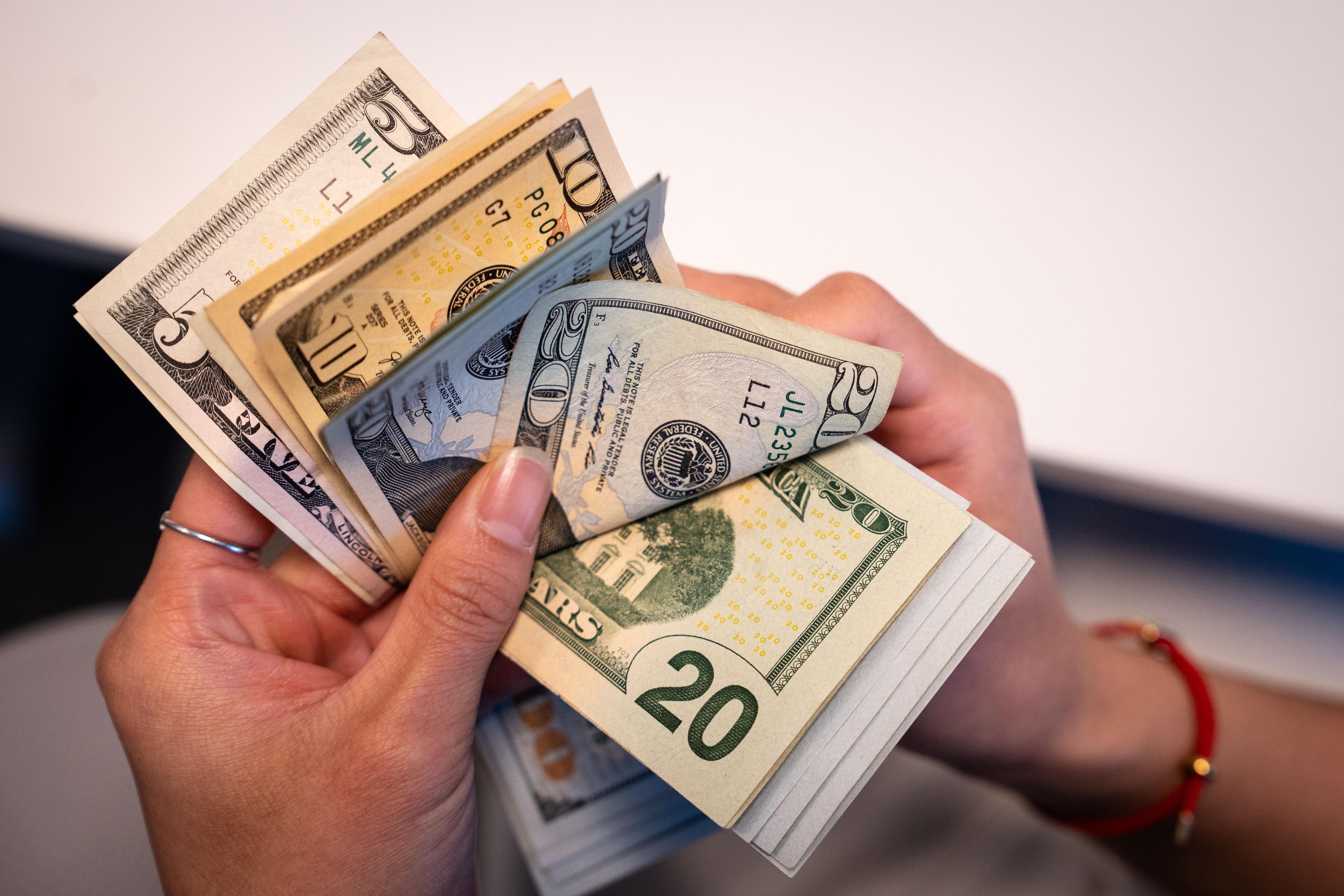
The U.S. dollar slightly strengthened in early morning trade on Jan. 5, following the United States’ arrest of Venezuelan leader Nicolás Maduro, with investors closely watching key economic data scheduled to be released this week.
The U.S. dollar index was up 0.41 percent at the 98.82 level as of 8:31 a.m. EST on Jan. 5. Since Dec. 30, the currency has registered gains every single day. The dollar strengthened against the euro but fell against the British pound and the Japanese yen earlier in the day. It later recovered to register gains against the currencies.
Investors are now waiting for the release of various economic data. Key among them is the Employment Situation report, set to be published by the Bureau of Labor Statistics on Jan. 10.
Other critical economic data include the ISM Manufacturing PMI report due on Jan. 5, the ADP employment change report on Jan. 7, and export/import data and jobless claims reports on Jan. 8.
The impact of Maduro’s arrest will add a new geopolitical angle to track for investors.
U.S. forces arrested Maduro in Venezuela early morning on Jan. 3, exiting the country’s airspace less than five hours after President Donald Trump issued an order to capture him.
Maduro has long been on the U.S. government’s wanted list. In March 2020, he was indicted in New York, together with other Venezuelan officials, for allegedly heading a narcotics trafficking organization with ties to groups designated as terrorists by the United States.
On Jan. 4, Trump said a second strike in Venezuela is possible if its leaders “do not behave.” Trump also warned that Mexico and Colombia could see U.S. military action targeting drug traffickers.
In a Jan. 5 report, ING Bank said the initial market response to the United States’ Venezuela operation has been a “modest flight to quality,” including some support for the U.S. dollar.
“In terms of the short-term market implications, investors will be wary of further U.S. military intervention in Venezuela if the new administration does not bend to policy directives coming from Washington,” ING said.
“Given the uncertainty about how the next few days will pan out, investors will probably prefer the liquidity of the dollar. Latin currencies of left-leaning governments in the Western hemisphere may also come under pressure today—especially the Colombian peso, but also the Mexican peso, given its relative liquidity and its use for proxy Latam risk.”
The U.S. dollar index, a measure of the currency against a basket of currencies, has been on a decline since roughly the beginning of 2025. On Jan. 13, 2025, the index hit a high of around 110 and is currently hovering around the 98 level.
In a Nov. 26 report, Morgan Stanley predicted that the U.S. dollar would be on a “choppy path” over the next 12 months, with continued weakening in the initial months and a recovery later on.
The U.S. dollar index is projected to “fall from its current level of around 100 to 94 in the second quarter of 2026, the lowest since 2021,” it said.
“A rebound would bring the index back to 100 by the end of next year, with potential for further gains in 2027.”
Morgan Stanley identified three factors that could boost the dollar in the second half of 2026: a resilient U.S. growth outlook, a rebound in U.S. interest rates, and increased corporate and investor confidence in the dollar that would drive down their hedges against the currency’s depreciation.
Meanwhile, the U.S. operation in Venezuela could be impactful on oil prices. Trump has announced plans to rebuild the oil industry of Venezuela, which is estimated to have roughly 303 billion barrels of proven crude reserves, the largest such reserves in the world.
“We’re going to have our very large United States oil companies, the biggest anywhere in the world, go in, spend billions of dollars, fix the badly broken infrastructure, the oil infrastructure, and start making money for the country,” the president said in a Jan. 3 news conference.
At its peak in the 1970s, Venezuela used to produce 3.5 million barrels per day of oil, which fell to an average of roughly 1.1 million barrels per day in 2025.
Brent crude oil futures were trading up by 0.51 percent in early morning trade on Monday, exceeding the $61 per barrel level.
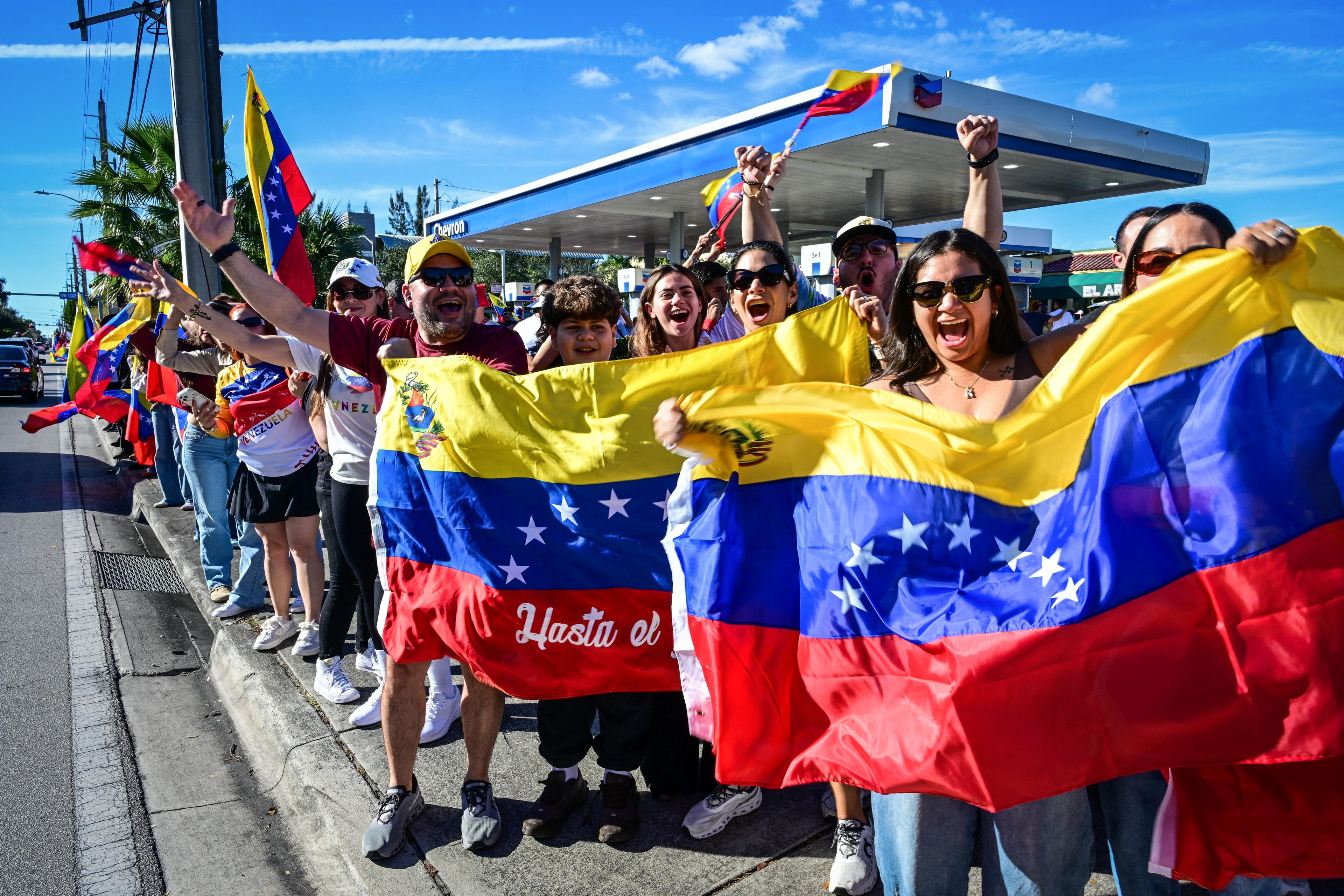
DORAL, Fla.—Music, singing, dancing, smiling, tears of joy, a savory scent of slow-cooked meats, and a faint aroma of tequila filled the afternoon and evening of Jan. 4 in Doral, Florida, where the largest community of Venezuelans in the United States resides.
At a local restaurant specializing in Venezuelan food, especially the signature dish of arepas, hundreds of expatriates gathered out front to celebrate Venezuelan leader Nicolás Maduro’s capture in the U.S. mission dubbed Operation Absolute Resolve. In the early morning hours of Jan. 3, the U.S. military launched a calculated, precise attack on Venezuela’s capital city of Caracas, where they apprehended Maduro and his wife, Cilia Flores.
At the Florida rally on Jan. 4, called Venezuela Está Pasando, attendees who spoke to The Epoch Times had harsh descriptions of their country’s former regime leader and high praise for the actions taken by U.S. President Donald Trump and the U.S. military.
Carlos Higuerey fled Venezuela and moved to Florida eight years ago after he claimed that the regime was stalking him. Now, he said, he is looking forward to more actions the Trump administration could take against the remaining regime in Venezuela.
“We are very, very happy with this action from the U.S.A. government, so now, Venezuela can feel for the first time, for maybe 25 years, freedom,” Higuerey told The Epoch Times, noting that he has faith in Trump and the U.S. government.
Trump previously said during a briefing that the United States is ready to strike again if necessary.
“We’re prepared to do a second strike if we need it,” Trump said on Air Force One on Jan. 4. “If they don’t behave, we will do a second strike.”
Higuerey said that while he was living in Venezuela under Maduro’s brutal dictatorship, it was dangerous to speak out against the regime or talk about capitalism or freedom, which could lead to jail time or torture. The U.S. military operation was necessary, he said.
When asked about Democratic U.S. lawmakers calling the attack illegal and other world leaders in China, Russia, and Mexico condemning it, the Venezuelan man shared choice words against those stances, calling them baffling.
“Those people don’t know nothing,” Higuerey said. “The majority of people from Venezuela asked for help, and for the first time, one government heard our prayers.”
He said it was easy to talk about a communist country from a country where people enjoy freedom.
“The Venezuelan people right now are very, very, very happy,” he said.
“Go to Venezuela and live in Venezuela with $2 per month,” he said, referring to the hardships of living under communism.
Answering questions through his car window as he was leaving the celebration, Robert Perez spoke over the crowd noise to express his concern that more corrupt leaders would take over after the successful removal of Maduro.
However, he said he was optimistic about the future of the U.S.–Venezuela relationship.
“The United States getting into that country, it’s really big,” Perez told The Epoch Times.
“Venezuela is the richest country,” he said, noting that it has large reserves of oil.
Trump said on Jan. 4 that the United States will need access to Venezuela’s oil to help rebuild the country.
Trump stated during a Jan. 3 briefing on Maduro’s capture that the United States would run Venezuela until a peaceful transition of power could be completed, noting that Secretary of State Marco Rubio and Secretary of War Pete Hegseth could help lead the South American country.
The interim leader of Venezuela, Delcy Rodríguez, who served as vice president to Maduro and also held positions under the previous Hugo Chávez regime, has said she is seeking collaboration and “respectful relations” with Trump.
Holding her two small, fluffy white dogs on leashes in the crowd, Jennifer Santiago, who has lived in South Florida for about five years since she left Venezuela, said she felt immeasurable joy and happiness after hearing about Maduro’s capture.
“Hope—that we will recover from this evil that has plagued us for 27 years,” she told The Epoch Times in Spanish. “We will be able to live and write the new history of Venezuela without this president, who is a cancer to our country.”
One man, Pedro Millian, was holding a Venezuelan flag at the celebration. He used several expletives and vulgarities when describing Maduro and when speaking of the Cuban leader Miguel Díaz-Canel and his regime. He explained how ecstatic he was to hear the news on Jan. 3 about the success of the U.S. military operation.
“Down with communism and the regime in Cuba and in Venezuela,” Millian told The Epoch Times.
Rubio, in the Jan. 3 briefing, issued a warning to Cuban leaders that they should be concerned about being targeted by the U.S. military next.
Oriana, a 29-year-old woman who chose not to give her last name, has lived in South Florida for almost five years. She fled Venezuela when she was 21 years old and told The Epoch Times that Maduro’s downfall was long overdue.
“When I saw it that morning, I was like, ‘This is not real,’” Oriana said.
“All this time I think about this moment, and finally it happens. It was amazing.”
Oriana and the friends she was with at the celebration said they would consider going back to visit Venezuela once they see real change being made.
“They took Maduro, but the government is still there,” Oriana said over the music at the celebration.
Maduro is set to be arraigned on Jan. 5 in the New York City borough of Manhattan on charges of narco-terrorism and several other charges, along with his wife.
When The Epoch Times asked one Venezuelan woman to describe her initial thoughts when she saw news of Maduro’s capture, she replied, “Libertad,” which means “freedom” in English.
He's set to be arraigned at noon in a Manhattan federal court before Judge Alvin Hellerstein.
An early morning operation in and around Caracas carried out at around 2 a.m. local time on Jan. 3 resulted in the capture of both Maduro and his wife, Cilia Flores.
On Jan. 3, Attorney General Pam Bondi announced that Maduro, alongside Flores, had been indicted in federal court shortly after their capture and extraction from Venezuela.
“They will soon face the full wrath of American justice on American soil in American courts.”
The indictment that serves as the basis for the Monday court appearance lists Maduro as a defendant, alongside his wife and other Venezuelan officials.
All four of the charges against Maduro come with a maximum penalty of life in prison. His wife and son stand charged with all but the narco-terrorism conspiracy charge, also facing the potential of life in prison.
The indictment refers to Maduro as a Venezuelan citizen who was previously the president but remained in power despite losing the 2024 presidential election.
The Biden administration had determined that the socialist leader lost the election but had manipulated the results through widespread fraud to overcome steep opposition.
Neama Rahmani, president of West Coast Trial Lawyers and a former Department of Justice prosecutor who has prosecuted drug and human trafficking cases, told The Epoch Times that the Trump administration was likely also seeking to avoid "sovereign immunity."
"Heads of state typically can’t be prosecuted," Rahmani said.
Several pages of the indictment track the ways in which the defendants and others in the Maduro regime allegedly “facilitated the empowerment and growth of violent narco-terrorist groups, fueling their organizations with cocaine profits” over the years.
“These narco-terrorist organizations not only worked directly with and sent profits to high-ranking Venezuelan officials, but also reaped the benefits of the increased value of that cocaine at each transshipment point along the way to the United States, where demand and thus the price of cocaine is highest,” U.S. Attorney John Clayton, who filed the indictment, wrote.
Organizations mentioned included Venezuela’s Tren de Aragua, Mexico’s Sinaloa cartel, Colombia’s Marxist-Leninist guerrilla group Fuerzas Armadas Revolucionarias de Colombia (FARC), and Marxist-Leninist guerrilla group Ejército de Liberación Nacional, which operates along the Colombia–Venezuelan border.
According to the indictment, Maduro and other defendants sold diplomatic passports to individuals known to be drug traffickers, and accepted bribes as high as $100,000 per flight to ensure safe passage of trafficking flights.
The indictment also alleges that Maduro’s son met with two FARC representatives in Medellin, Colombia, in or around 2020, when they “discussed arrangements to move large quantities of cocaine and weapons through Colombia and into the United States over the course of the next six years, until in or about 2026,” according to the indictment.
T.J. Muscaro and Ryan Morgan contributed to this report.