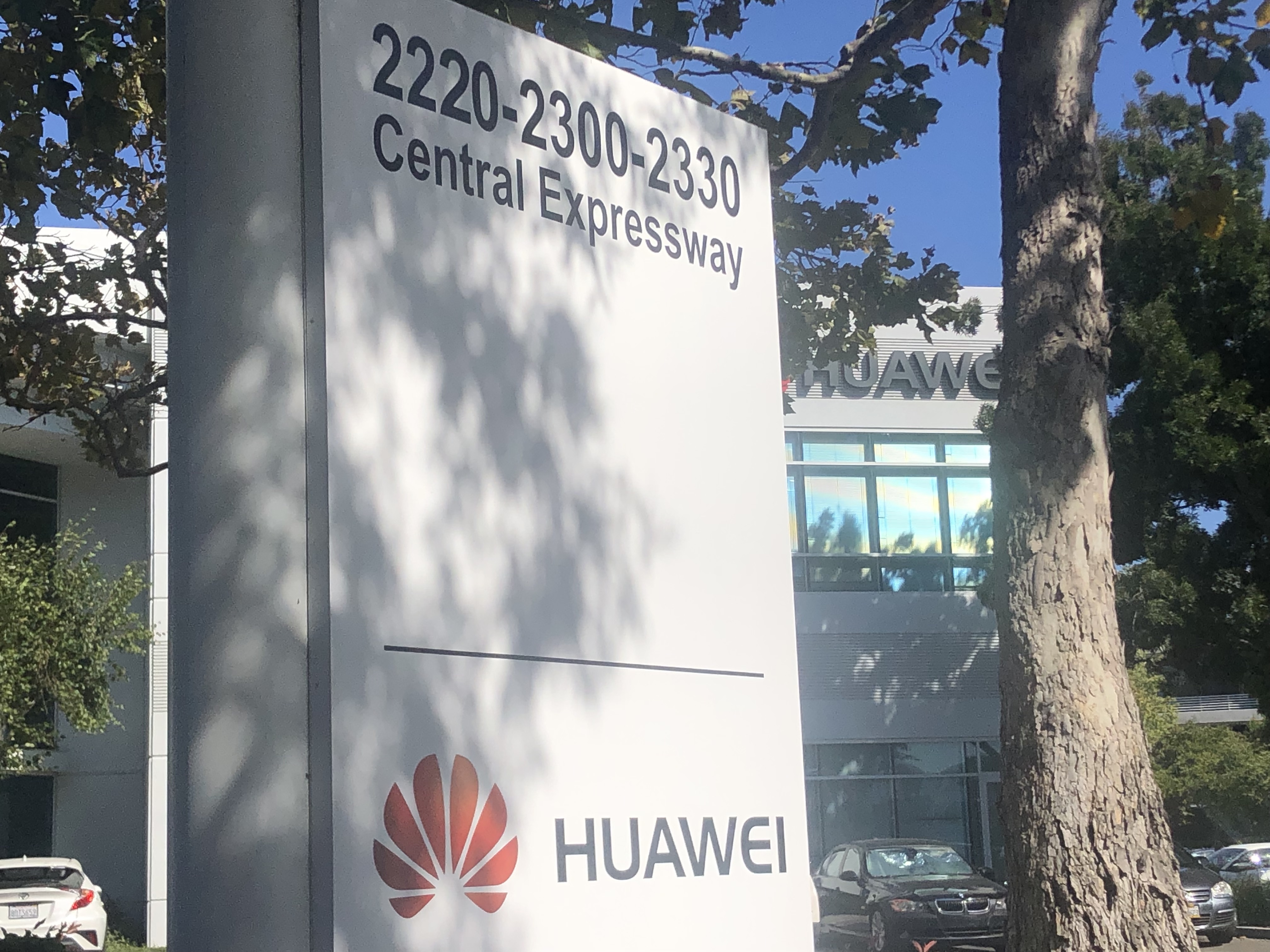
Reps. John Moolenaar (R-Mich.) and Ro Khanna (D-Calif.) are asking the Trump administration to blacklist Futurewei Technologies, treating it the same as the United States does Huawei, the Chinese tech giant blacklisted for national security reasons.
The March 5 letter follows a probe by the House Select Committee on the Chinese Communist Party into U.S.-based Futurewei in September 2025, which the lawmakers said produced documentation that Futurewei is controlled by Huawei.
Futurewei did not immediately respond to a request for comment.
“Huawei exercises ultimate ownership and control over Futurewei’s finances, operations, and personnel—allowing Huawei to maintain an active U.S. presence despite the federal actions taken against it,” the letter reads.
Huawei Blacklisting
The U.S. government’s concerns about Huawei go back at least two
decades.
In 2017, Congress passed legislation to restrict the Pentagon from using Huawei equipment in military systems.
In 2019, the Justice Department charged Huawei with fraud and sanctions evasion. Huawei was also added to the Commerce Department’s entity list for national security reasons in 2019, barring the federal government from using Huawei equipment.
Then in 2020, the Justice Department charged Huawei with sanctions evasion again and with conspiracy to sell trade secrets. These charges extended to Huawei subsidiaries, including Futurewei. The Pentagon also designated Huawei as a Chinese military company for fiscal year 2021.
In 2022, the FCC restricted Huawei equipment use in the United States, and the phasing out of this equipment continues.
However, $60 billion in transactions between U.S. companies and Huawei happened under the restrictions during the first Trump administration and the Biden administration, according to Congress.
Futurewei Services Offered to Huawei
Documents Futurewei produced to the congressional panel showed that Futurewei is 100 percent owned by a Netherlands-based Huawei subsidiary, which is 100 percent owned by Huawei. Futurewei also told the committee that it “is the U.S. R&D subsidiary of Huawei” and exists to “provide R&D services to Huawei” in areas of “fundamental research, open-source development, ecosystems development, [and] industry and standards development.”
According to the lawmakers, the documents also showed that its parent company can influence or control board decisions and appoint its board of directors and that Futurewei shared staff with Huawei, including its head of intellectual property rights, legal staff, and a patent agent.
“These disclosures show that Huawei sets Futurewei objectives and directs its activities,” the letter reads. “Futurewei functions as Huawei’s U.S. arm in both purpose and practice.”
This allows Huawei to conduct research and development that it could not otherwise do with its current restrictions, according to the letter.
“Even Futurewei acknowledges that one of its key functions is ‘prosecut[ing] certain U.S. patent applications on behalf of Huawei,’ ... allowing Huawei to direct how U.S.-based research is captured, protected, and transferred,” the lawmakers said.
They said that Futurewei’s activities are not all concerning but that Huawei’s control of the company creates a national security risk.
They asked the Commerce Department, Treasury Department, Pentagon, and Federal Communications Commission to apply the same restrictions Huawei faces to Futurewei, including export controls, Chinese military company designations, and other restrictions. The lawmakers are also seeking a meeting with the agencies later this month.