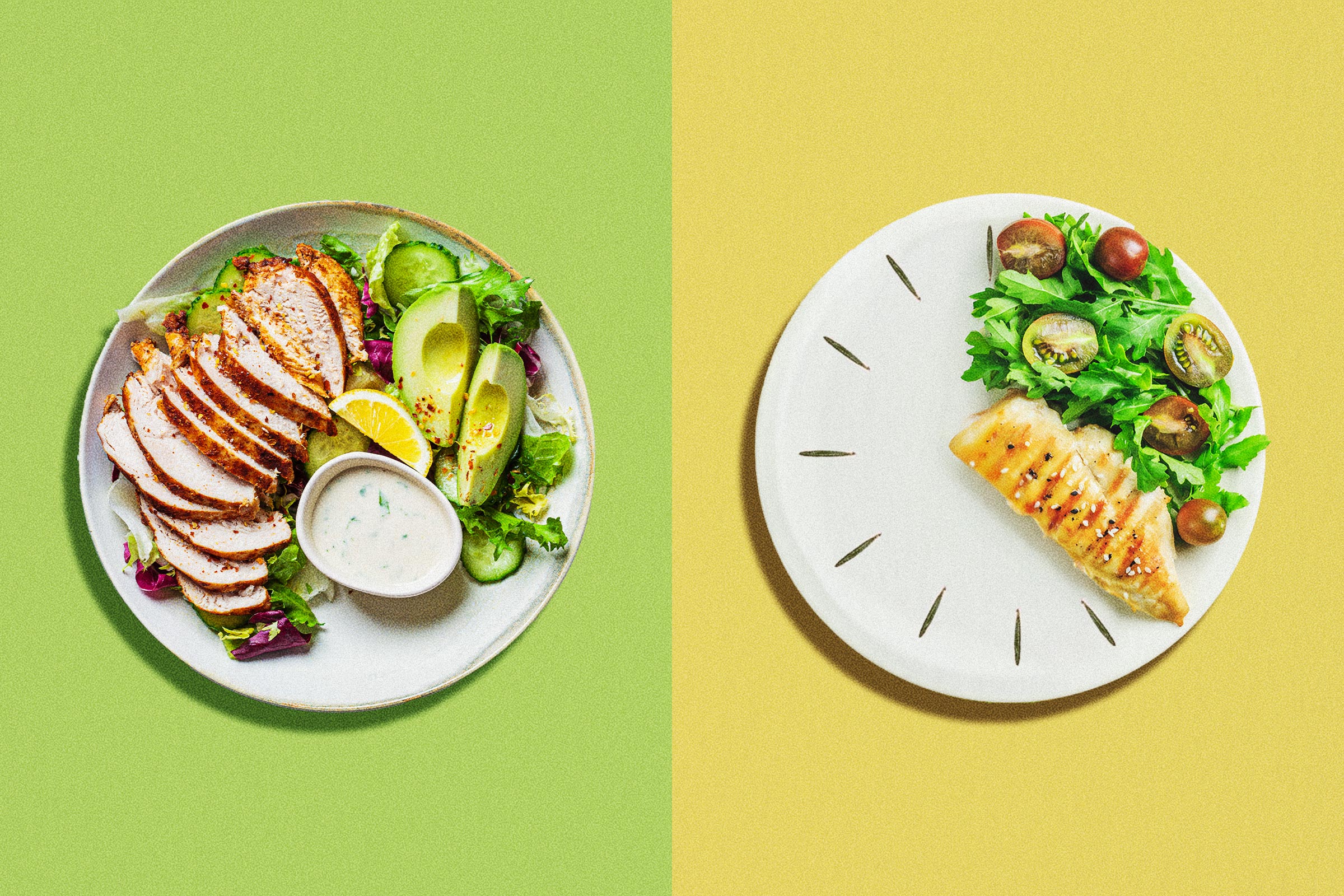
We often think of dieting as simply cutting calories or skipping meals to lose weight. However, the ketogenic diet and intermittent fasting go far beyond shedding pounds—they can fundamentally reset your metabolic system and promote overall health when implemented thoughtfully.
The secret, according to Dr. Daniel Monti, professor and founding chair of the Department of Integrative Medicine and Nutritional Sciences at Thomas Jefferson University, lies in strategic sequencing.
Speaking on Epoch TV’s “Vital Signs,” Monti explained his approach: Start with keto as a short-term metabolic reset to train your body to burn fat efficiently, then switch to intermittent fasting for sustainable weight loss and improved blood sugar, cholesterol, and metabolic health.
“It’s not just what you eat, but when and how you eat that determines lasting success,” he said.
Burn Fat, Not Sugar
The keto diet was
created in the 1920s—not for weight loss—but to treat epilepsy. Neurologists discovered that by switching the brain’s energy source from glucose to ketone bodies—produced through a high-fat, low-carbohydrate diet—epileptic seizures could be reduced.
Today, this metabolic shift is utilized to achieve effective weight loss results. When properly implemented, the keto diet produces significant outcomes in just two to three months, with some of Monti’s patients shedding up to 35 pounds.
People naturally enter ketosis during long fasts or strenuous endurance activities, such as extended hiking. When glucose is depleted, the body taps into stored fat—and any fat from food—turning it into ketones to fuel cells, maintaining steady energy levels and vital functions.
“The body prefers glucose as its fuel source,” Monti said, but keto forces it to burn fat instead. “The body is mobilizing the fat exclusively, with only the fat as the fuel source to keep your body going.”
However, given the keto diet’s strict nutritional requirements, those with existing health issues or older adults are advised to attempt it only under medical supervision.
Debunking the Protein Myth
A common misconception about the keto diet is that it requires large amounts of protein. People often load up on meat, thinking that’s the way, but it actually backfires.
“It’s not a super-high-protein diet,” Monti said. In fact, too much protein—even from one big meal—can knock you out of ketosis.
“An excess of protein causes a biochemical process called gluconeogenesis. There’s a conversion into glucose. The body is very efficient at finding ways of getting glucose as its fuel source,” he said.
Instead, keto calls for smart, low-carb protein choices. Plant-based options, such as pea protein, are popular for shakes because they mix smoothly. Green smoothies packed with spinach and kale also work well.
Keep animal protein in moderate amounts and distribute it throughout the day. A balanced ratio of plant to animal protein is ideal, as research consistently shows that eating too much animal protein can harm overall health and longevity, Monti noted.
Healthy fats are equally important. The key is to balance nutritious fats with other fat sources so you eat enough to stay satisfied. Good options include avocado oil, extra-virgin olive oil, and omega-3 or omega-9 oil blends, Monti said.
For breakfast, Monti starts with a nutrient-rich drink and eggs—simple, satisfying, and fully keto.
Personalized Keto: A Short-Term Reset
Keto plans should be carefully designed to fit individual tastes, preferences, and daily routines.
“One group of people that I’ve used the ketogenic diet on are people that are really ready to take a serious step towards weight loss—people who are overweight in an unhealthy way—they have a pattern of eating that is often very problematic when it comes to certain types of food groups,” Monti said.
In these cases, something is needed to “jumpstart their metabolism and jumpstart the system,” he added.
However, the ketogenic diet isn’t meant to be a long-term approach. Monti noted that while it has benefits—such as helping stabilize cardiovascular health and improving lipid levels—it can also have the opposite effect in some cases.
Studies have reported cases of severe hypercholesterolemia (abnormally high levels of cholesterol), with low-density lipoprotein—commonly known as “bad cholesterol”—rising above 200 milligrams per deciliter in response to keto. This increase is thought to stem from a combination of high saturated fat intake and possible genetic predispositions affecting cholesterol metabolism.
“So I like to see it as a circumscribed diet over a period of time. And then we transition into a low-carb, high-healthy fat and lean protein diet,” Monti said, adding that it is followed by intermittent fasting.
Each method has its own strengths. The ketogenic diet is highly restrictive about what you can eat, while intermittent fasting is highly restrictive about when you can eat, Monti said.
The Power of a 5-to-6-Hour Eating Window
Intermittent fasting offers a more flexible yet highly sustainable approach that Monti prescribes to many patients. The fasting interval helps normalize various blood markers, including metabolic and immune parameters.
An intriguing feature of intermittent fasting—when executed properly—is that near the conclusion of the fasting period, a mild ketosis emerges, providing a gentle ketogenic benefit for metabolic flexibility and cellular repair. Monti said that this mild state of ketosis offers therapeutic benefits of its own, making the diet a very good option for many people.
The effectiveness of intermittent fasting depends on the duration of the eating window. For those needing a more robust metabolic boost, narrowing the window can essentially enhance weight loss. The strongest evidence of effectiveness supports using a relatively narrow eating window—about five hours, Monti noted. For example: Eat your last meal by 5 p.m. and do not eat again until noon the next day. The eating window is then between noon and 5 p.m.
A five-hour eating window is suitable for most people over 50 years old. “In fact, the older we get, or the more sort of metabolically sedentary we are, the tighter that eating window needs to be so that you have a longer period of fasting,” he said.
The body carries out multiple advantageous processes during the prolonged fasting interval. Those who adhere to optimal timing often experience weight reduction, a sense of lightness, and improved overall wellness.
Younger people—those under 40—may thrive with a six-hour window, as their elevated basal metabolic rate and superior metabolic adaptability enable smoother transitions into fasting. But don’t go longer than six hours—extending the eating window beyond that timeframe usually reduces the diet’s full therapeutic benefits, Monti added.
Intermittent fasting proves highly maintainable, although the first week or two may require adaptation as the body adjusts to more extended periods of fasting. Most people find that within seven to 10 days, the pattern becomes second nature.
How to Break Your Fast Properly
During fasting periods, zero-calorie drinks are allowed, including black coffee, water, unsweetened tea, or zero-calorie sparkling water.
After 18 or 19 hours of fasting, terminate the fast correctly. Start with whole, unprocessed plant foods to optimize nutrient absorption and preserve metabolic gains.
“One rule is you break the fast with real food, plant-based food, so ... that’s a salad, or even an apple, whatever it is for you,” Monti said.
Monti said that after fasting, the body’s cells become highly efficient at absorbing nutrients, so eating heavy, processed foods at that moment can undermine all the progress made.
If you desire a burger or similar indulgence, eat it after the initial healthy, plant-based break.
It’s best to close your eating window by 8 p.m. at the latest. This schedule promotes better sleep, enhances overall efficacy, and facilitates superior weight loss.
Intermittent fasting also offers flexibility. You don’t have to follow it rigidly every single day. Some people take breaks during holidays or busy travel periods and return to their routine weeks later without any issues.
An overly restrictive menu is also unnecessary. Cultural and regional eating habits can still thrive. Monti shared an example of an Italian patient who preferred pasta—yet by mastering portion control and honoring fasting windows—maintained excellent results.
Understanding the Risks
An improper keto strategy can hinder weight loss. For example, eating bacon throughout the day can elevate blood lipids and trigger inflammation. Excessive intake of saturated fats may also increase the risk of kidney stones or nutrient deficiencies, particularly without adequate leafy greens or a multivitamin.
The risks associated with intermittent fasting are generally lower than those of the ketogenic diet. “For the intermittent fasting diet, the important thing is to stay hydrated during your fast,” Monti said. Dehydration can burden the kidneys, especially for older adults.
One potential hazard of both diets, if not properly managed, is muscle loss. When people rely heavily on starches while neglecting nutrient-rich foods or sufficient protein, it leads to breakdown, because “[if] they don’t have good protein stores, they will lose muscle mass,” he added.
Whether practicing the keto diet or intermittent fasting, always fuel the body with adequate, high-quality macronutrients and micronutrients—a key to achieving sustained energy, vibrant health, and real results.
For Monti, these dietary tools aren’t just about slimming down—they’re about re-educating the body’s energy system. “Once you learn to burn fat efficiently, food stops controlling you,” he said. “You gain not only a leaner body but a steadier mind.”
Before starting any new diet, consult a qualified health care professional, especially if you have existing metabolic, cardiovascular, or kidney conditions. Both keto and intermittent fasting can be safe and powerful tools when used properly and tailored to individual needs.