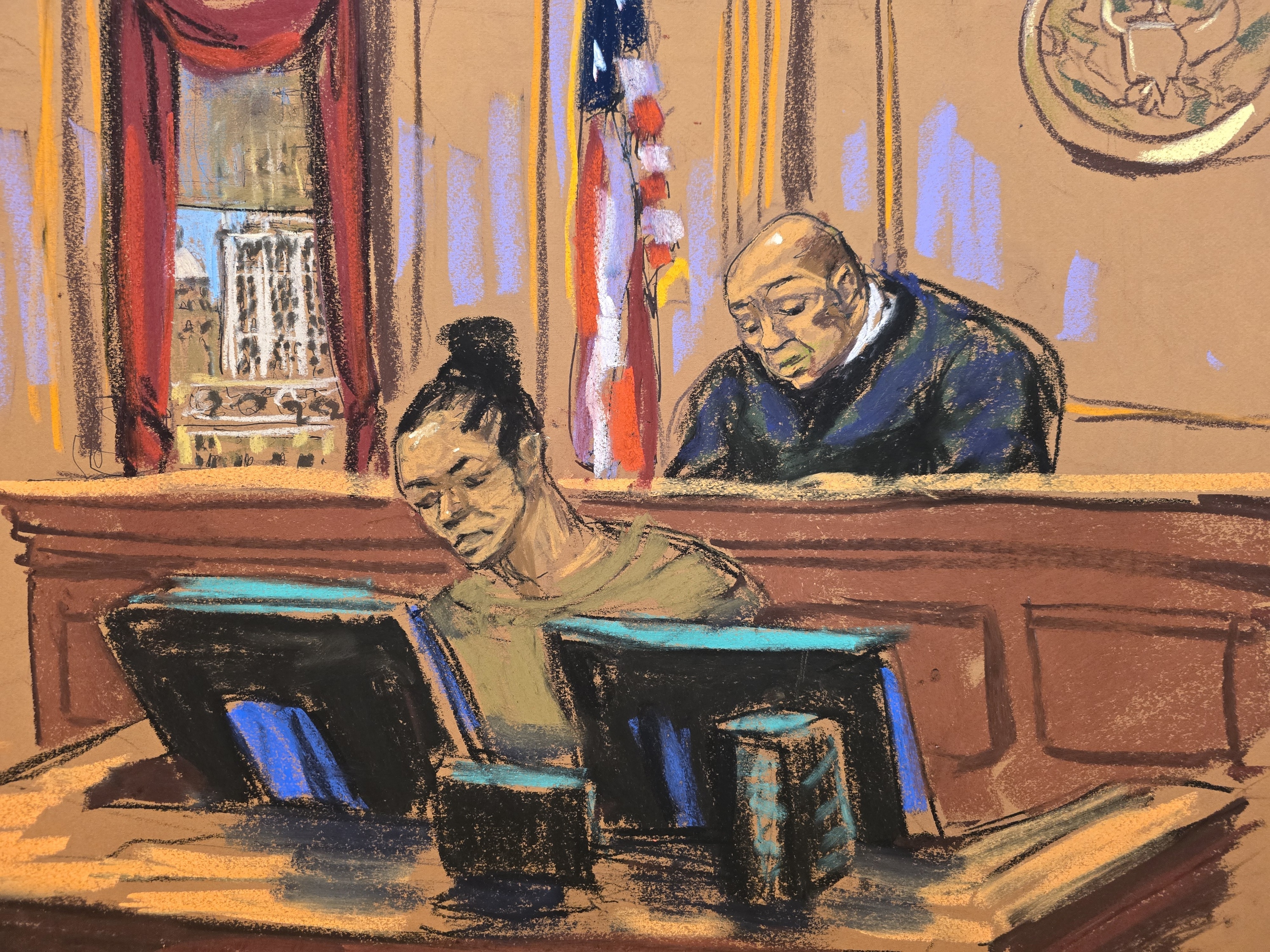
U.S. District Judge Alvin Hellerstein, a federal judge who oversaw multiple high-profile cases in New York, has died, the court told The Epoch Times on Oct. 28.
Hellerstein, 92, served in the Southern District of New York for decades and, most recently, oversaw cases involving President Donald Trump and former Venezuelan dictator Nicolás Maduro. The court said it would later release a statement.
President Bill Clinton nominated Hellerstein, who was confirmed by the Senate in 1998.
In August, Hellerstein rejected Trump’s effort to move his New York falsified business records case to federal court, where Trump sought to have his conviction overturned on presidential-immunity grounds.
Attorney and legal commentator John Shu previously told The Epoch Times that Hellerstein was widely respected in legal circles and known for his love of tennis. Shu described the judge as appearing mentally sharp at 92.
“He could retire if he wants ... but I think he feels like sitting on the bench keeps him active, keeps his brain active,” Shu said.
In 2022, Hellerstein would not dismiss charges against former Venezuelan army Gen. Cliver Alcalá, who was accused of helping Maduro traffic cocaine to the United States.
“Sovereign immunity does not protect a rogue state or rogue officials,” Hellerstein said in 2022. “We’re not dealing with ordinary criminal conduct. We’re dealing with criminal conduct at the highest levels of government.”
One of Hellerstein’s more unusual sentences involved taking away television privileges.
In 2001, he sentenced Edward Bello to five years of probation, including 10 months of home detention, for conspiring to use stolen credit cards. Hellerstein added a condition: no television during home detention.
Hellerstein initially ordered the televisions removed from Bello’s home. After a defense objection, he allowed Bello’s teenage daughters to keep televisions in their rooms, where their mother could also watch. Bello promised the judge he would not watch TV in his home.
The judge said removing television would give Bello time to reflect on his conduct and help break his pattern of repeat offenses.
The U.S. Court of Appeals for the Second Circuit disagreed. In October 2002, it vacated the sentence and ordered resentencing, saying there was insufficient connection between the restricting of viewing TV and Bello’s offense or rehabilitation.
In 2010, Hellerstein rejected a settlement that would have resolved about 10,000 cases involving post-9/11 illnesses, including cancer.
Hellerstein wrote in 2012, “I found the settlement to be unfair: it provided too little for the plaintiffs, too much for their lawyers, and it contained procedures that lent themselves to arbitrary determinations.”
He wrote that he eventually approved the deal after the settlement amounts were increased, lawyers’ fees were reduced, and procedures modified.
Chief Judge Laura Taylor Swain praised his handling of litigation in a statement released Wednesday.
“He presided over the massive tort litigation arising from the September 11 attacks with sensitivity, fairness and efficiency, as well as many other high-profile matters. His energetic and dedicated service to this Court continued until his death,” Swain said in the statement.
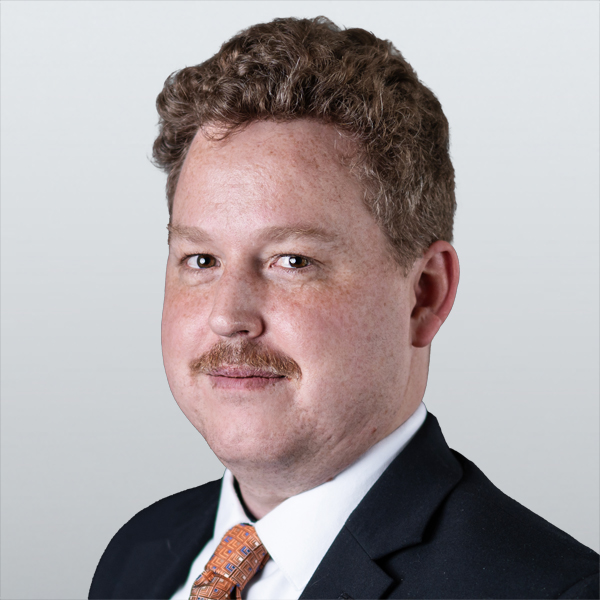
Stacy Robinson, Tom Gantert, and Matthew Vadum contributed to this report.