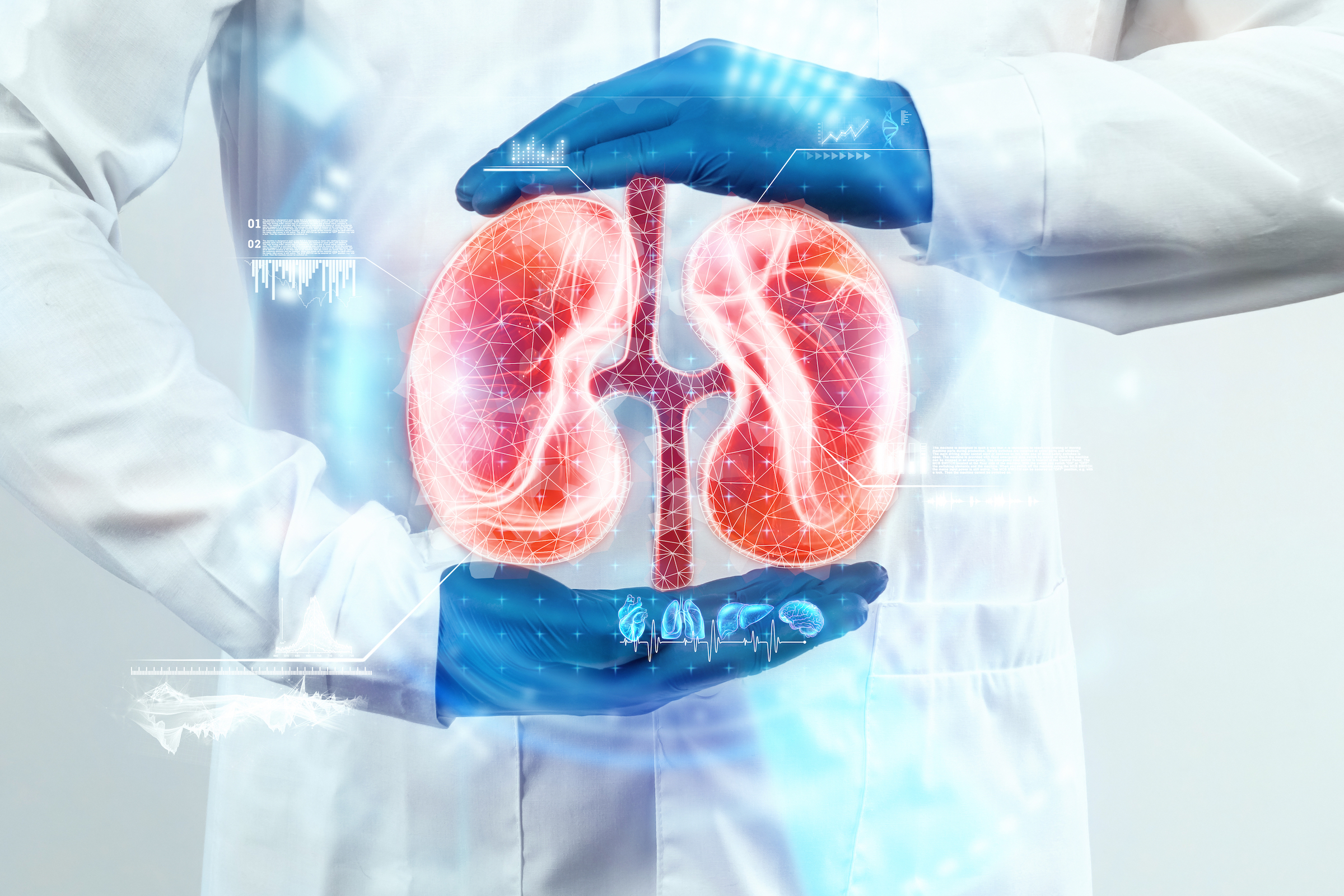

What Are Kidney Stones?
Kidney stones are hard objects that form from chemicals in urine, including calcium, cysteine, oxalate, phosphate, urate, and xanthine. Recently, new research has suggested that the mineral zinc is involved in the formation of kidney stones as well.
Location, Location, Location
When stones are in the kidney, the condition is referred to as nephrolithiasis (nephron = kidney; lithiasis = stone). Sometimes the stones get into the urinary tract, which is called urolithiasis. Stones that become lodged in the ureter is a condition called ureterolithiasis. The size of the stones don’t matter as much as where they are located, because even a tiny stone can obstruct or block urine.
Are You at Risk for Kidney Stones?
Various risk factors can contribute to the development of kidney stones, such as:
- Heredity as some people are more susceptible to kidney stone formation since a predisposition to high calcium levels in urine may be passed on from generation to generation. Some people also are more likely to accumulate oxalate.
- Not drinking enough water and/or allowing yourself to become dehydrated
- Engaging in too little or too much exercise
- Eating too much salt or sugar, especially fructose and high fructose corn syrup, which have been shown to be associated with an increased risk of kidney stones
- Having undergone weight loss surgery
- Presence of type 2 diabetes, obesity, hyperparathyroidism, or high blood pressure
Types of Kidney Stones
There are four main types of kidney stones.
- Calcium stones. These are the most common type of kidney stone and are composed of calcium oxalate and other calcium compounds, although additional minerals may be present as well. High levels of calcium or oxalate can increase the risk for calcium stones.
- Uric acid stones. Uric acid is a waste product that normally leaves the body in urine. When some of it doesn’t, kidney stones may result. Factors associated with uric acid stones include a diet high in animal protein, low urine output, presence of inflammatory bowel disease or gout, and increased alcohol consumption.
- Struvite stones. These stones typically accompany a kidney or urinary tract infection. Because struvite stones are usually large and occur with an infection, they require medical treatment, including use of antibiotics and possibly surgical removal. More women than men develop this type of kidney stones because women are at greater risk for urinary tract infections.
- Cystine stones. These are the least common type of kidney stone and are more likely to develop in individuals with a family history of cystinuria (excess cystine in the urine).
How Do I Know If I Have Kidney Stones?
Generally, the bigger the kidney stone, the more severe the pain and other symptoms. The most common symptoms of kidney stones are:
- Severe pain on either side of your lower back
- A stomachache or vague pain that won’t go away
- Cloudy and/or foul smelling urine
- Blood in the urine
- Nausea or vomiting
- Fever or chills
Diagnosing Kidney Stones
To identify whether you are indeed harboring kidney stones, your doctor may do one or more of the following tests.
- Noncontrast spiral computed tomography (CT) scan that rotates around the targeted area. This is the preferred test.
- An x-ray called an intravenous pyelogram (IVP), which involves injecting contrast and shows images of the urinary tract (bladder, ureter, urethra, kidneys)
- Urine cultures and urinalysis
- Abdominal x-ray
- Retrograde pyelogram if the CT scan and IVP are not helpful
If you are found to have kidney stones, the next question is, what type? Your doctor may ask you to strain your urine through fine gauze or strainer for several days so stones can be collected and analyzed. Other tests may include a blood chemistry screen or a 24-hour urine collection to look at levels of substances that can cause stones to form.
Treating Kidney Stones
In most cases, people can pass a kidney stone without direct treatment, which doesn’t mean you sit back and do nothing! It does mean, however, you should drink lots of water and you could take an anti-inflammatory such as ibuprofen (after consulting on your individual needs with your healthcare provider). If an over-the-counter anti-inflammatory is not sufficient to deal with the pain, your doctor may want to prescribe a narcotic pain medication. If you are experiencing a fever along with your other symptoms, you should seek medical care immediately.
How Can I Prevent Kidney Stones?
Take these steps to help prevent the formation of kidney stones or their recurrence:
- Check your pee. The darker your urine, the more concentrated it is and the more waste products are present. Your urine should be clear to very light yellow. If it isn’t, drink more water!
- Load upon fruits and vegetables. These foods help make your urine less acidic, which means kidneys stones are less likely to form.
- Limit animal protein. Meat, fish, poultry, and dairy products are more acidic and thus can contribute to the formation of kidney stones.
- Watch your juices. Cranberry juice may reduce the risk of struvite stones but increase the chances of forming oxalate and uric acid stones. Apple juice may increase the risk of oxalate stones.
- Reduce excess salt intake. Salty foods such as potato chips and pretzels are obvious salt hounds, but also be aware of the high salt content in canned, boxed, and frozen foods, as well as processed meats and cheeses.
- Stay away from high-protein diets. High-protein diets, especially those that include lots of animal protein, are a breeding ground for kidney stones.
- Limit foods high in oxalate. If you have had kidney stones composed of calcium oxalate, then you should limit your intake of foods high in oxalate, such as beer, beans, beets, berries, black tea, chocolate, coffee, cola, dark green vegetables, nuts, oranges, soybeans and tofu, sweet potatoes, and wheat bran, among others.
- Check your medications. Use of diuretics, excessive intake of calcium-containing antacids, phenytoin (Dilantin), and the antibiotics ceftriaxone and ciprofloxacin can increase the risk of forming kidney stones
- Watch vitamin use. Excessive amounts of vitamins A and D can result in higher calcium levels in the urine
If you develop a kidney stone, you have about a 50 percent chance of developing additional ones within the next five years. Become informed about kidney stones and take active steps to prevent them today.