Texas joined more than 30 states this year in adopting a school voucher program to fund private school tuition.
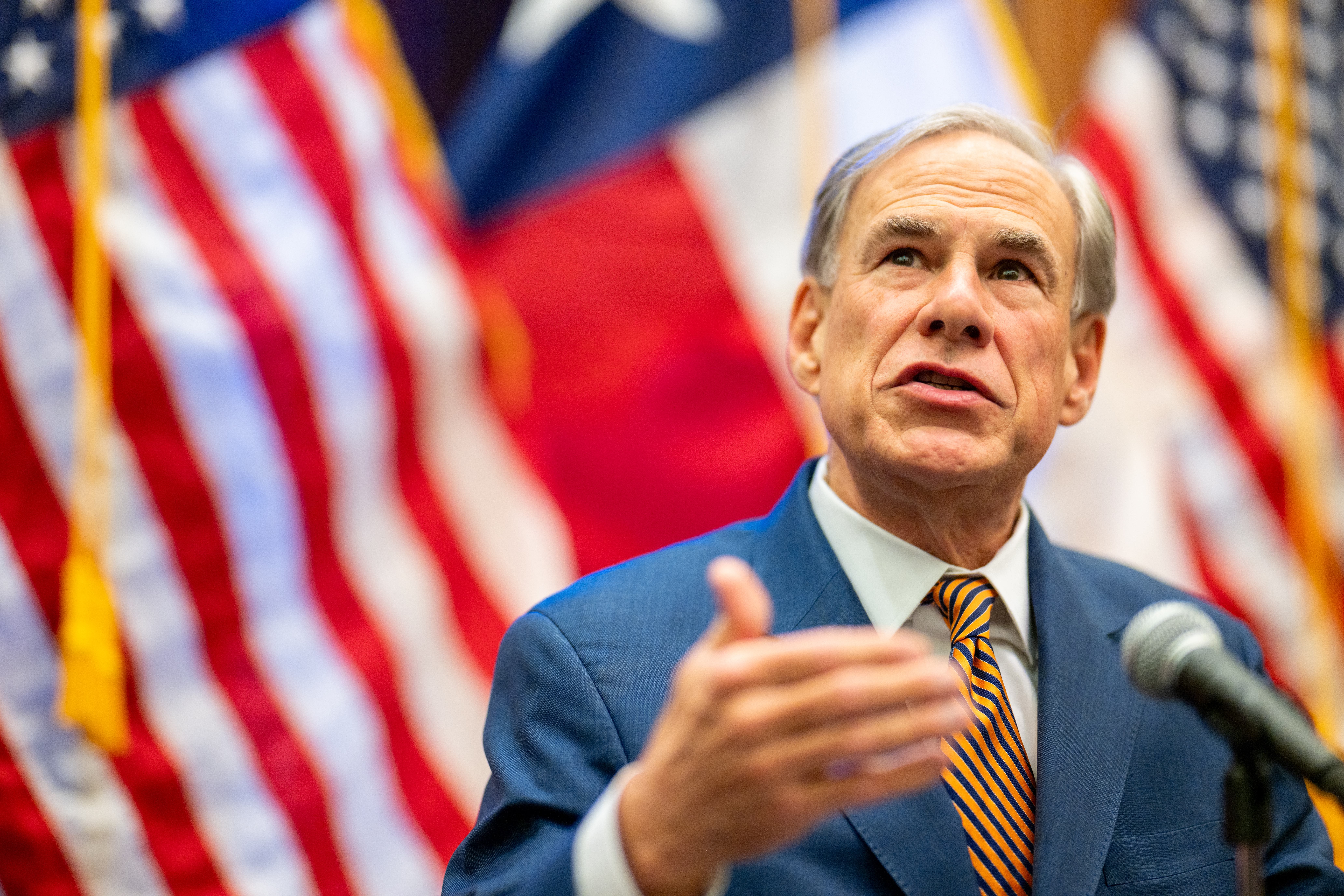
“Gone are the days [when] families [were] limited to only the schools assigned by government,” Texas Gov. Greg Abbott said before signing the bill in May this year at the governor’s mansion. “The day has arrived that empowers parents to choose the school that is best for their child.”
The $1 billion program was years in the making and will cover up to 90,000 students.
Here is what to know about the program and how to use it.
About the Program
The Texas voucher program is set up as an Education Savings Account, which can be used for a number of educational purposes.
Included in the applicable uses are private and homeschool options, as well as other education-related expenses.
Students who require special education can receive larger amounts to compensate for therapeutic or other services.
The program received $1 billion in funding, and a participating child attending a private school could receive up to $10,800.
Children with disabilities could be eligible to receive up to $30,000 with an approved individualized education program. That total is contingent on what the child’s local school district would receive to provide the same services.
Homeschooled children, or any child participating who is not being enrolled in a private school or who is in a pre-K or kindergarten program, could be eligible to receive $2,000 annually.
All totals will be finalized in January 2026 after program rules and budgeting are completed.
Enrollment for the program is expected to open on Feb. 4, 2026. Parents hoping to keep tabs on the progress can get updates from the comptroller’s office.
Student Eligibility
Eligible students include Texas residents engaged in pre-K or K–12 education who are citizens of the United States or lawfully admitted.
The program includes children eligible to attend a public school or an open-enrollment charter school. If a child is accepted into the program, he or she will be eligible to participate until high school graduation or until he or she is no longer eligible to attend a Texas public school.
According to EdChoice, participating children in third grade through 12th grade who attend a private school must take a nationally norm-referenced examination every year.
However, every child who applies will not necessarily be accepted.
For the first year, which will be the 2026–2027 school year, applicants with disabilities who are members of a household with a total annual income at or below 500 percent of the Federal Poverty Level One will receive the first chance.
Next will be children living in a household with a total annual income at or below 200 percent of the Federal Poverty Level, and third will be children whose household total yearly income is between 200 percent and 500 percent of the Federal Poverty Level.
Lastly are children who live in a household in which the annual income is at or above 500 percent of the Federal Poverty Level. Within that group, children who were enrolled in a Texas public or charter school for at least 90 percent of the previous school year will be recognized first.
Children in homes with a higher level of income will not be allowed to make up more than 20 percent of the total funds appropriated for the program.
Prioritization for years two and onward will include acceptance for siblings of children who are already involved in the program.
Approved Expenses
The Texas Comptroller of Public Accounts will oversee the program. Approved uses for the funds include private school tuition, tutoring, homeschool curriculum and supplies, and digital learning materials.
Uniforms required for academic programs are allowable costs, as is transportation to and from approved educational providers. The cost of computer hardware or software can also be covered, but it must not exceed 10 percent of the total amount allocated to the child.
Training programs for an industry-based credentialed program, if approved by the Texas Education Agency, are eligible expenses, as are meals provided by a private school.
No portion of the funds may be paid to a family member, but the funds not used at the end of a school year will roll over as long as the child remains in the program.
Families not enrolling a child in a private school who receive up to $2,000 can use those funds for homeschool endeavors. Those expenses include textbooks, exams and assessments, transportation, educational therapies and services, and certain technological devices.
Approved Institutions
Approved schools include providers that are accredited by the Texas Private School Accreditation Commission or another accreditor recognized by the Texas Education Agency.
The provider must also have successfully run its campus for at least two years and must administer nationally norm-referenced yearly assessments.
Applications from vendors opened on Dec. 9, but they are required to comply with program requirements and meet other eligibility criteria.
In some cases, the funds can be used for an online or out-of-state educational program if the program is accepted.