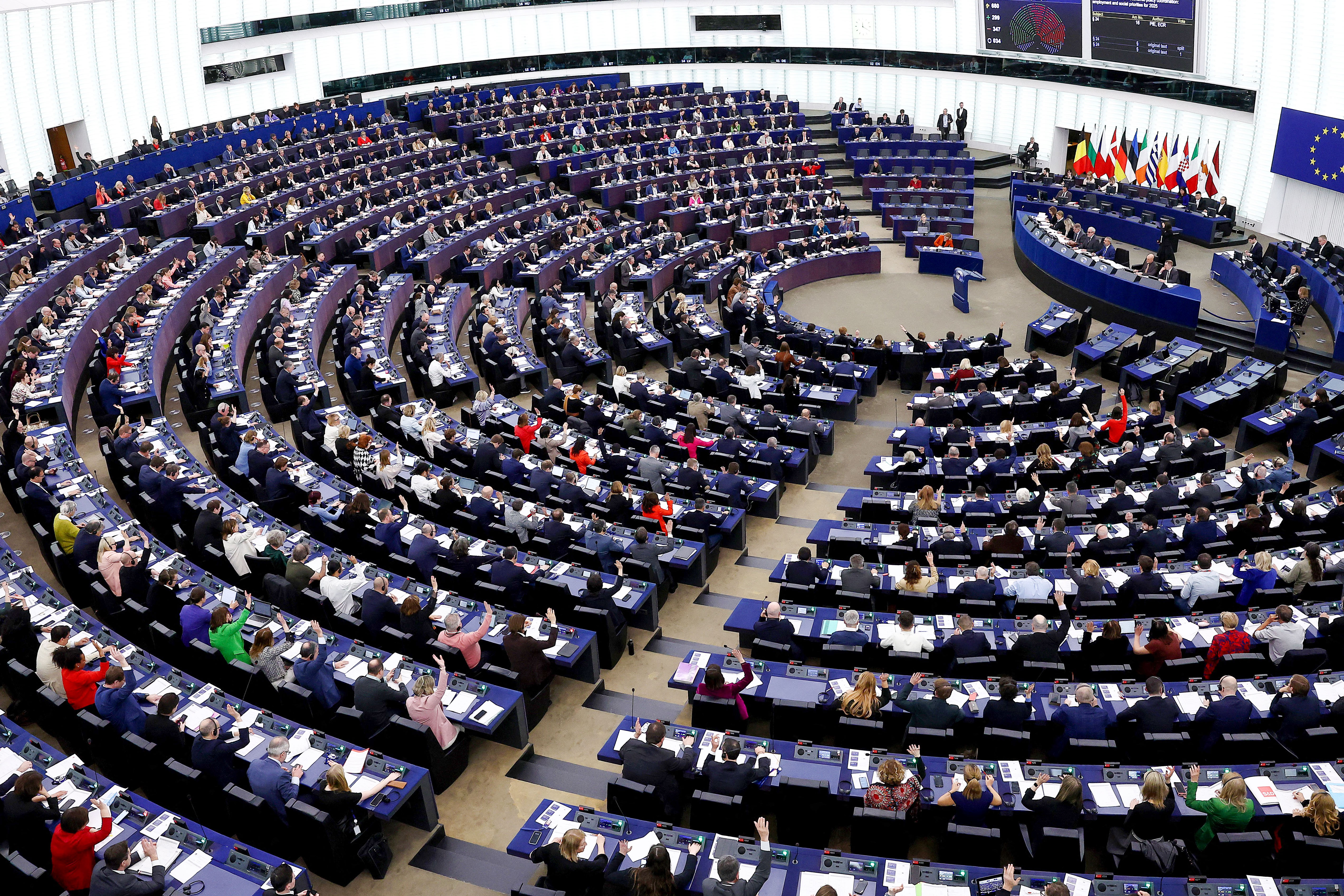

The European Union proposed deeper integration of the bloc’s defense industry with Ukraine on Nov. 25 while negotiations continue over U.S. President Donald Trump’s plan to end the war between Kyiv and Moscow.
Ukraine’s defense industry “needs us,” EU Defense Commissioner Andrius Kubilius told the European Parliament in Strasbourg, France, “but we need Ukraine’s defense innovations even more.”
He said that allowing Ukrainian access to the EU’s Defense Investment Program (EDIP) “makes it possible to procure defense equipment in, with and for Ukraine.”
Kubilius made the comments ahead of EU lawmakers voting to approve a 1.5 billion euro ($1.7 billion) program, with 300 million euros ($345 million) slated for the Ukraine Support Instrument.
The legislation was adopted 457–148, with 33 abstentions, and now must go to the member states for formal endorsement before it takes effect.
“This program represents a major step forward for the security of the European continent and the development of our defense industry,” French Member of European Parliament François-Xavier Bellamy said.
“After decades of dangerous dependencies that threatened the sovereignty of our democracies and the protection of our countries, the EDIP program will reverse the reliance on imports that prevailed in Europe.”
Defense spending in the EU is expected to total about 381 billion euros (more than $440 billion) this year, bringing the bloc’s spending to 2.1 percent of gross domestic product for the first time since data collection began, according to official EU data.
Member states are being urged to buy much of their military equipment within the bloc, working mostly with European suppliers—in some cases with EU assistance, to slash prices and speed up orders.
Under the Preserving Peace—Defense Readiness Roadmap 2030, EU nations should only purchase equipment from abroad when costs, performance, or supply delays make it preferable.
Kubilius said that EU-based defense companies can apply for tax breaks and other financial incentives to fund so-called European defense projects of common interest that “no member state can ever build alone, but that will protect the whole of Europe,” like Eastern Flank Watch, the Drone Defense Initiative, or the Space Shield.
Ukrainian companies participating in these projects “allows us to inject Ukrainian military innovation in the European defense industry,” he noted.
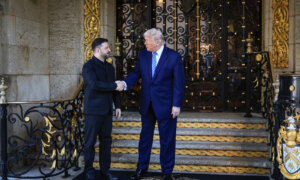
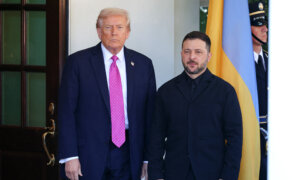
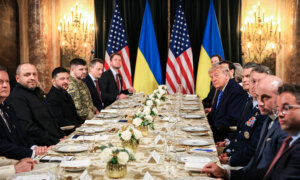
The move comes as negotiations continue over Washington’s proposed peace plan for Ukraine, which emerged this past week.
Parts of the plan sparked controversy, including the suggestion that Ukraine cede the regions of Crimea, Luhansk, and Donetsk to Russia, and that Kherson and Zaporizhzhia will be frozen along the line of contact, meaning that their de facto recognition as under Moscow’s rule.
The plan also includes the provision that Ukraine will enshrine in its constitution that it will not join NATO and that the alliance will include in its statutes a provision that Ukraine will not be admitted in the future; Kyiv, however, would still have the opportunity to join the European Union, should it meet the entry requirements.
It would also restrict the size of the Ukrainian Armed Forces to 600,000 and allow Russia to rejoin the G8.
On Nov. 23, Washington and Kyiv stated that they had “updated and refined” the peace framework to end the war during talks in Geneva, following criticism that the previous proposal was too friendly to the Kremlin. However, those changes have not yet been made public.
EU leaders met for discussions on Ukraine on Nov. 24, with European Commission President Ursula von der Leyen saying after the meeting that “while work remains to be done, there is now a solid basis for moving forward.”
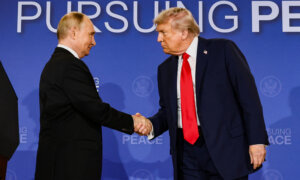
Moscow has stated that any peace plan for Ukraine must reflect the understandings reached between Russian President Vladimir Putin and Trump at their Alaska summit.
Russian Foreign Minister Sergei Lavrov said Russia welcomed the initial version of the plan, according to Russian state media outlet TASS.
“Our assessments remain valid in the sense that the key provisions of Trump’s (initial) plan are based on understandings reached in Anchorage at the Russian–American summit in August this year. And these principles are generally reflected in the plan, which we welcomed,” Lavrov said.
He later said that Moscow had received a copy of the amended plan “through unofficial channels” and was ready to discuss it with Washington “because there are a number of issues that require clarification.”