The Trump administration has negotiated 15 deals in which pharmaceutical companies voluntarily agreed to lower prices on prescription medications in the United States.
The negotiations broke the longstanding practice by manufacturers of charging up to 400 percent more for brand-name drugs in the United States than in Canada, the United Kingdom, and other developed nations.
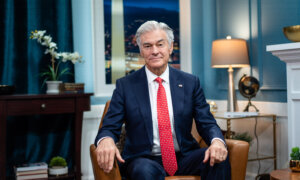
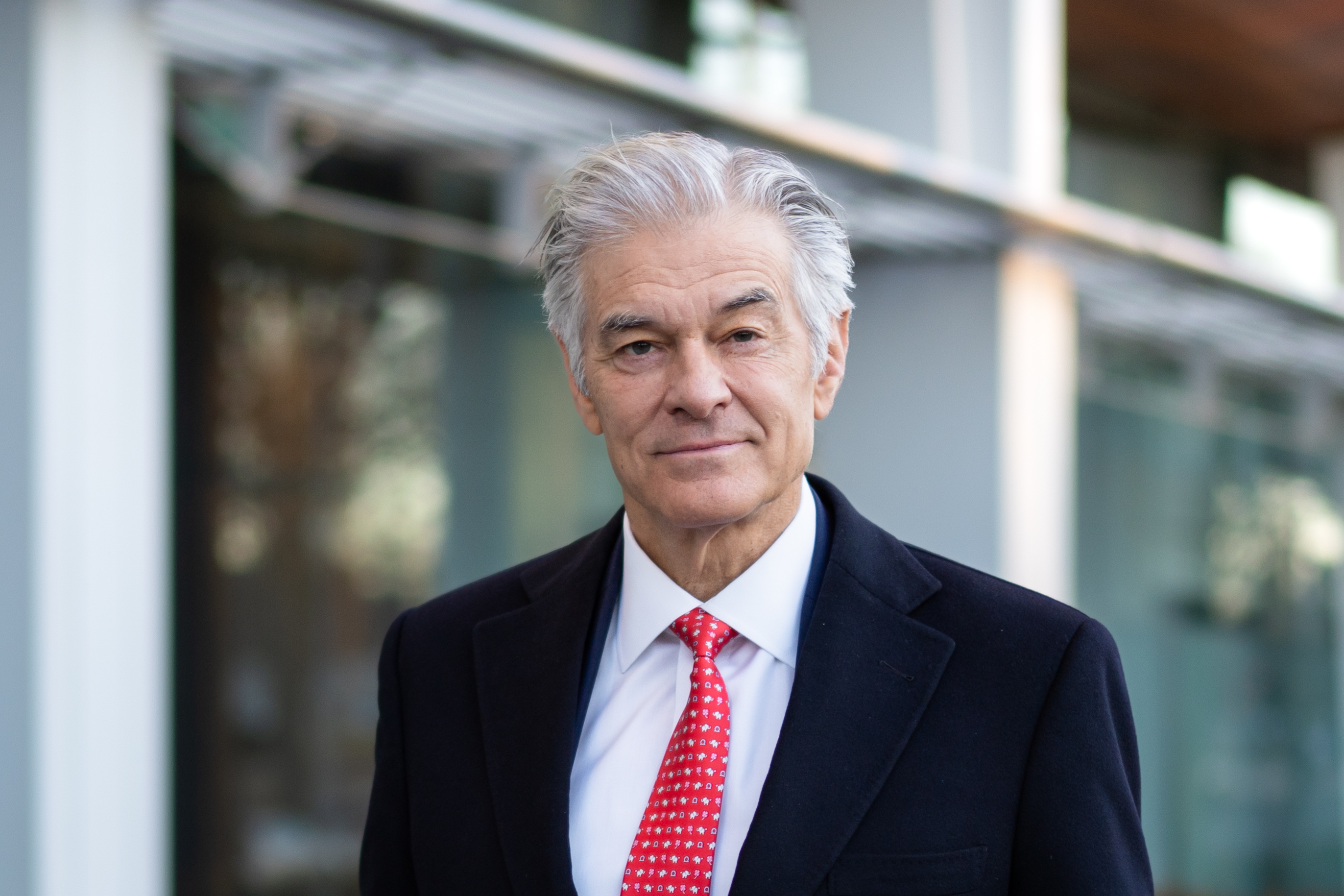
Dr. Mehmet Oz, administrator of the Centers for Medicare and Medicaid Services, revealed the key tactic in these negotiations in an exclusive interview with Jan Jekielek, senior editor of The Epoch Times, due to air at 5 p.m. ET on Jan. 17.
“One of the most consequential things we’re doing involves the power to convene, pulling together people who normally wouldn’t talk with each other, to figure out action steps,” Dr. Oz said.
Oz described two competing philosophies for gaining compliance with government initiatives: regulation and conversation.
The government can enact laws to correct a problem in the marketplace, then punish those who fail to comply—in this case drug manufacturers. Or the government can involve the participants in finding a solution.
To Dr. Oz, that means asking, “Am I trying to audit you and find you doing something wrong? Or am I trying to say, ‘Hey, listen, your industry is run amok. You’re not helping the American people anymore. We got to fix it. So what do you want to do?’”
Drug makers had long relied on the United States to provide the revenue for research and development on new medications, which can cost $1 billion or more to create.
Many other developed nations were able to keep prices low by leveraging the buying power of their national health systems, essentially dictating prices to the manufacturers.
Yet in face-to-face conversation, executives acknowledged that the system was unfair to the American people and not sustainable, Dr. Oz said. Although the negotiations were difficult, the executives agreed to gradually move to the Most-Favored Nation pricing model, starting with the most vulnerable Americans, those in the Medicaid program.
To add urgency, Trump raised the threat of tariffs on imported medicines and manufacturing ingredients. Those tariffs were waived for companies entering pricing agreements.
“By moving with industry, we get nimble solutions that can be adjusted season to season, and we do it quickly, and we do without litigation,” Dr. Oz said.
Trump is employing the same approach in other sectors of the U.S. economy and with other nations without going through “the usual bureaucratic hassles,” Dr. Oz noted. “We have those capabilities. We prefer not to use them unless we have to.”