The largest single philanthropic gift in recent U.S. history—a cool $6.25 billion—has put President Donald Trump’s new government-backed Invest America accounts for children in the spotlight.
Under the program, commonly known as “Trump Accounts,” the government will provide $1,000 in seed funding for children born within a four-year period.
Billionaires Michael and Susan Dell have now supersized the Trump administration’s offer, pledging $250 each for a further 25 million children born before the cut-off period.
For parents wondering when the whole program begins, the date is easy to remember: July 4, 2026. The 250th anniversary of American Independence.
In the meantime, here’s what you need to know about the Trump Accounts, the value they might accumulate, how other philanthropists could throw more money in the pot—and how to claim.
1. Who Qualifies?
Trump’s Invest America
program gives every child under 18 with a Social Security number access to a federally overseen savings and investment account that families can activate beginning July 4, 2026.
Trump accounts will be available at TrumpAccounts.gov. These accounts will be created for U.S. citizens only, and parents will not be required to set up the account prior to the child’s birth.
The Dells’ gift means that accounts seeded with $250 will also become available to 25 million children aged 10 and under in ZIP codes where their median income is $150,000 or less.
According to guidance released by the IRS, contributions to Trump Accounts cannot be made before July 4, 2026.
Parents who want to take advantage of the Dell family program should visit trumpaccounts.gov to ensure they complete the necessary steps to sign up eligible children aged 10 and under.
The accounts are part of the One Big Beautiful Bill Act.
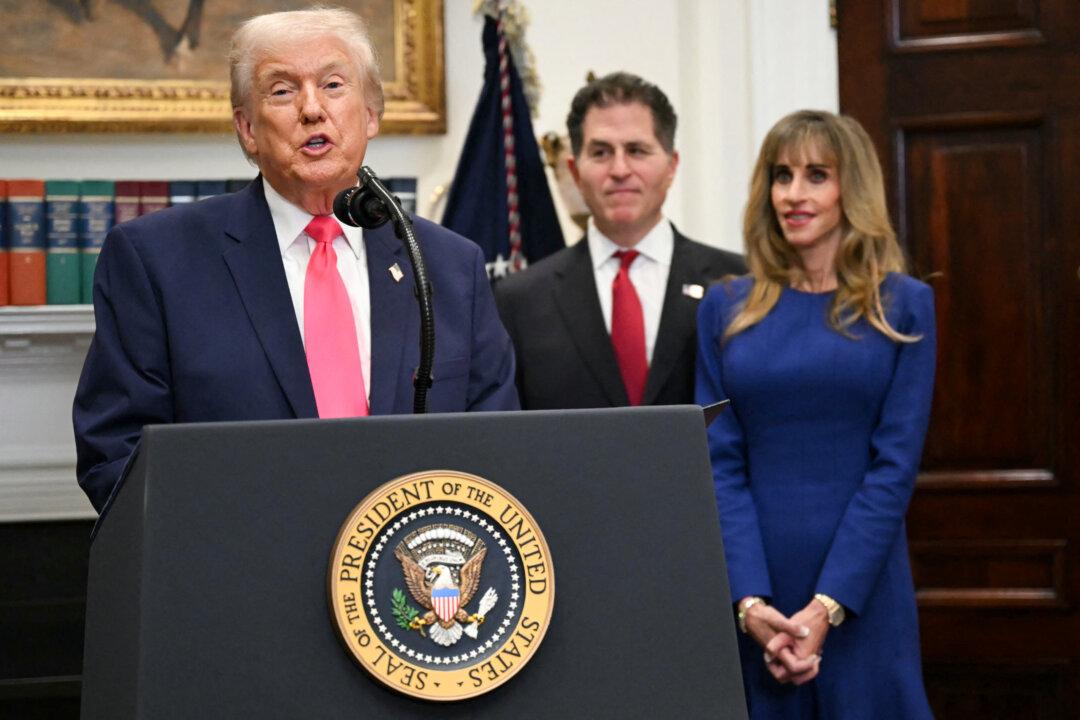
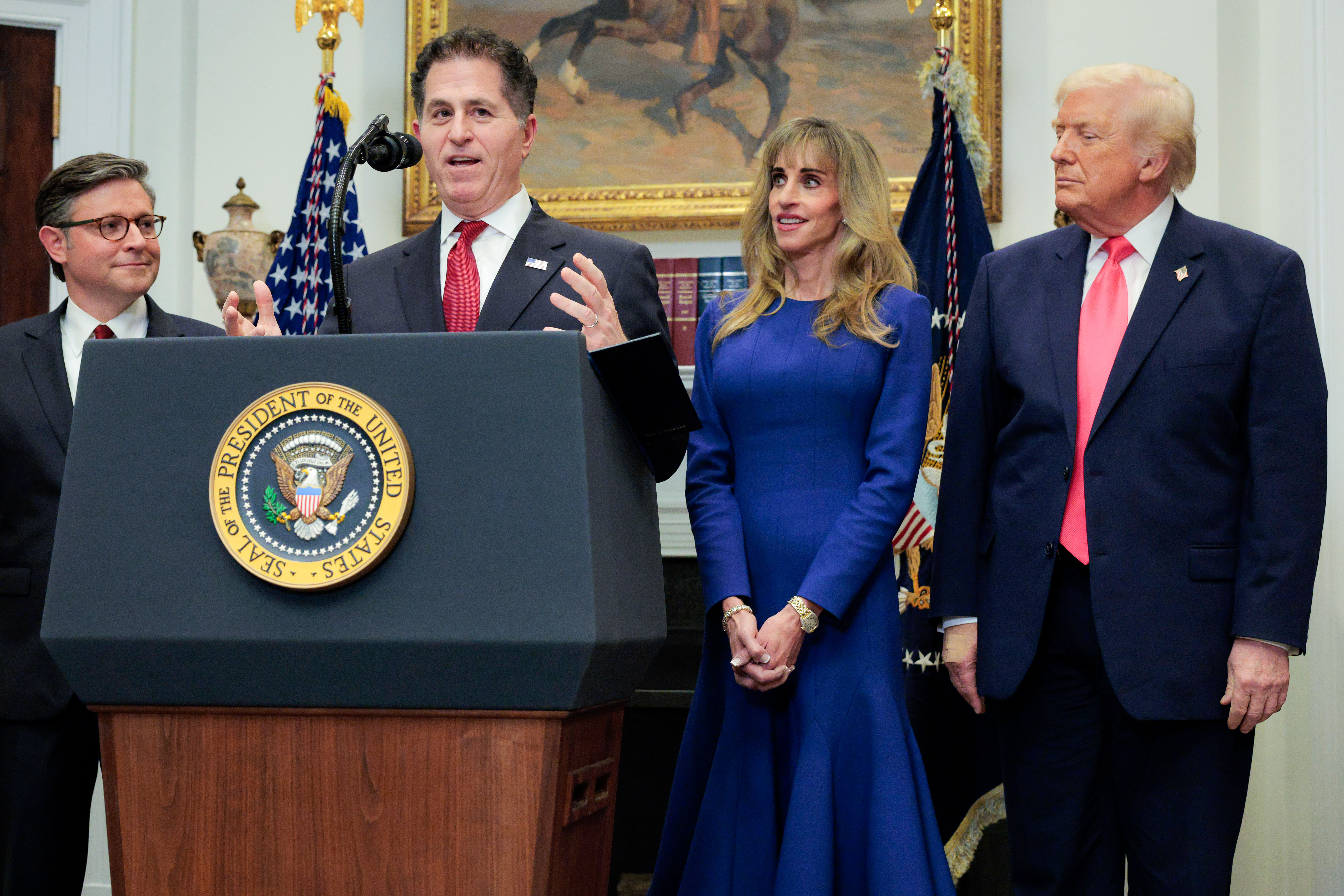
President Donald Trump announces a $6.25 billion donation from Michael Dell (C), CEO of Dell Technologies, and his wife, Susan (R), to “Trump Accounts” at the White House on Dec. 2, 2025. The donation would fund $250 deposits for investment accounts for at least 25 million children aged 10 and under who were born before Jan. 1, 2025. (Andrew Caballero-Reynolds/AFP via Getty Images)
2. How Do The Accounts Work?
Children born on or after Jan. 1, 2025, will automatically receive a $1,000 Treasury deposit at birth, while families and community members may contribute up to $5,000 total per year. Employers may contribute up to $2,500 annually to an employee’s child, and philanthropic or government contributions are uncapped.
When the children turn 18, they can withdraw the funds for “qualified purposes,” such as paying tuition, buying a home, or starting a business.
Families who sign up for the Trump Accounts will answer questions about eligibility and investments, after which the account will be available for deposits from donors and the child’s family members.
After reaching adulthood, the money will automatically convert to a traditional Individual Retirement Account (IRA), and the funds can keep growing.
Money withdrawn for non-qualifying purposes will be taxed as ordinary income. According to economists at the Milken Institute, the $1,000 newborn seed deposit could grow into more than $8,000 after 20 years, assuming historical average returns.

A child holds a U.S. flag during an event in Denver on Jan. 9, 2025. Trump’s Invest America program gives every child under 18 with a Social Security number access to a federally overseen savings and investment account that families can activate beginning July 4, 2026. (Jason Connolly/AFP via Getty Images)
3. When Can Withdrawals, Contributions Be Made?
When a child with a Trump account turns 18, they can withdraw funds for “qualified purposes,” such as paying tuition, buying a home, or starting a business.
Account holders cannot withdraw from a Trump account before Jan. 1 of the calendar year in which the child turns 18.
According to the IRS, some government entities are allowed to make qualified general contributions to Trump Accounts if they are made to a qualified class of account beneficiaries.
An employee’s Trump account, including an employee’s dependent’s account, can receive up to $2,500 per year from the employer, but this counts against the $5,000 per year cap on deposits. However, that contribution will not count toward the employee’s taxable income.
Those annual limits will start to adjust after 2027 to compensate for inflation.
The funds deposited into the Trump accounts will be invested in mutual funds or exchange-traded funds that track the S&P 500, or in a similar index fund composed primarily of American investees.
The Internal Revenue Service (IRS) in Washington on Aug. 7, 2025. (Madalina Kilroy/The Epoch Times)
4. What Is the Dells’ Seed Donation?
Plans for the accounts were finalized earlier this year, and the Dells later committed to donating $6.25 billion to the accounts.
On Dec. 2, the Dells announced they would fund $250 deposits for children aged 10 and under born before Jan. 1, 2025.
That specific demographic was chosen because those children do not qualify for the federal government’s $1,000 newborn contribution to the tax-advantaged Trump accounts.
“Susan and I are super excited to announce our $6.25 billion gift to 25 million American children 10 and under, and our gift will cover most of the children that are 10 and under that are not part of the federal program, the zero to two year olds,” Michael Dell said.
Michael and Susan Dell, who cofounded the Dell Foundation, have worked since 1999 through the organization to “accelerate opportunities for families and build pathways to change lives globally.”
Michael Dell spoke to his own history and start in investing during the announcement of the donation, saying, “When I was eight years old, I got a passbook savings account, and I had, I think about $8 in it, and you go to the savings and loan, and you give them a quarter, and they'd stamp your account.”
“I got to see the power of compound interest early in my life, and that has brought me here to this moment, and hopefully will inspire that kind of opportunity for many more young people in this country,” he added.
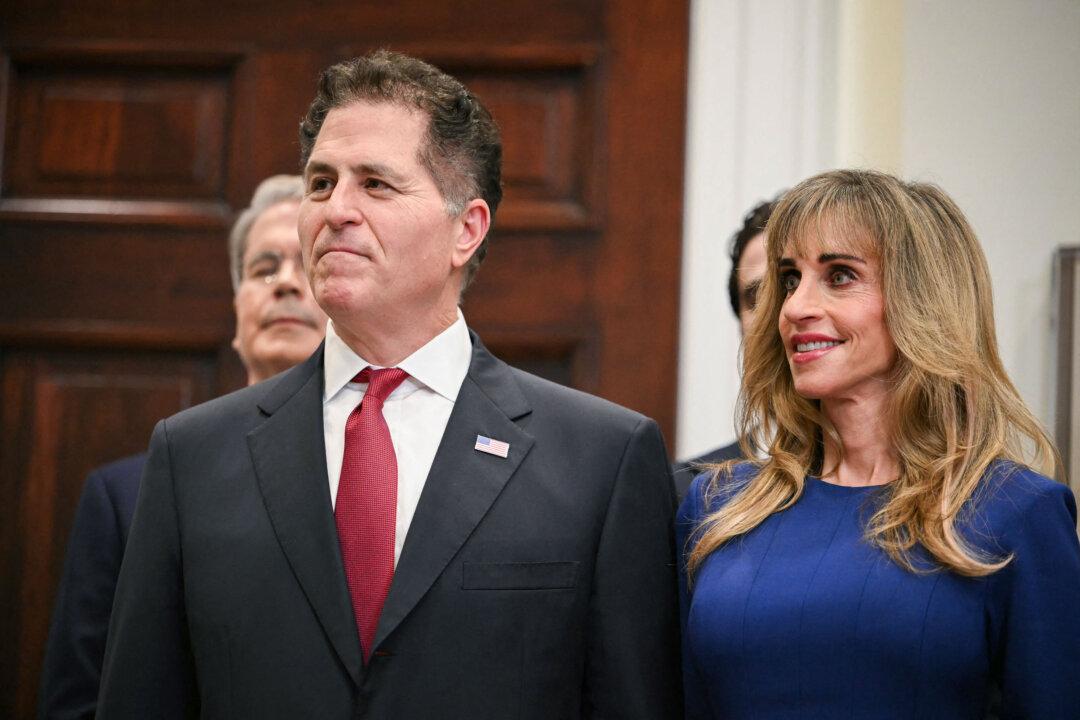
Michael Dell (L) and his wife, Susan, look on during an announcement of their $6.25 billion donation to “Trump Accounts” at the White House on Dec. 2, 2025. The donation would expand coverage to children who do not qualify for the federal $1,000 newborn contribution to the tax-advantaged accounts. (Andrew Caballero-Reynolds/AFP via Getty Images)
5. Investing in the Future
Trump called the accounts the first real trust fund for American children, saying that the donated and invested funds will grow over the course of their childhood to benefit them as adults.
“These accounts will track the overall stock market, will be 100% private property controlled by the child’s guardians,” he said.
Sen. Ted Cruz (R-Texas), who helped draft the legislation that made the accounts possible, addressed the loss of faith in capitalism among young people in recent years. He said he believes these accounts will help curb that downturn.
“Ten years from now, a little boy is going to pull out his phone, and he’s going to look at his app, and he’s going to see his Trump account, and instead of thinking of big, bad, scary corporations, that little boy is going to say, ‘I own 50 bucks of Apple. I own 100 bucks of Dell, I own 75 bucks a McDonald’s,’ and every child is an owner of the biggest employers in this country.”
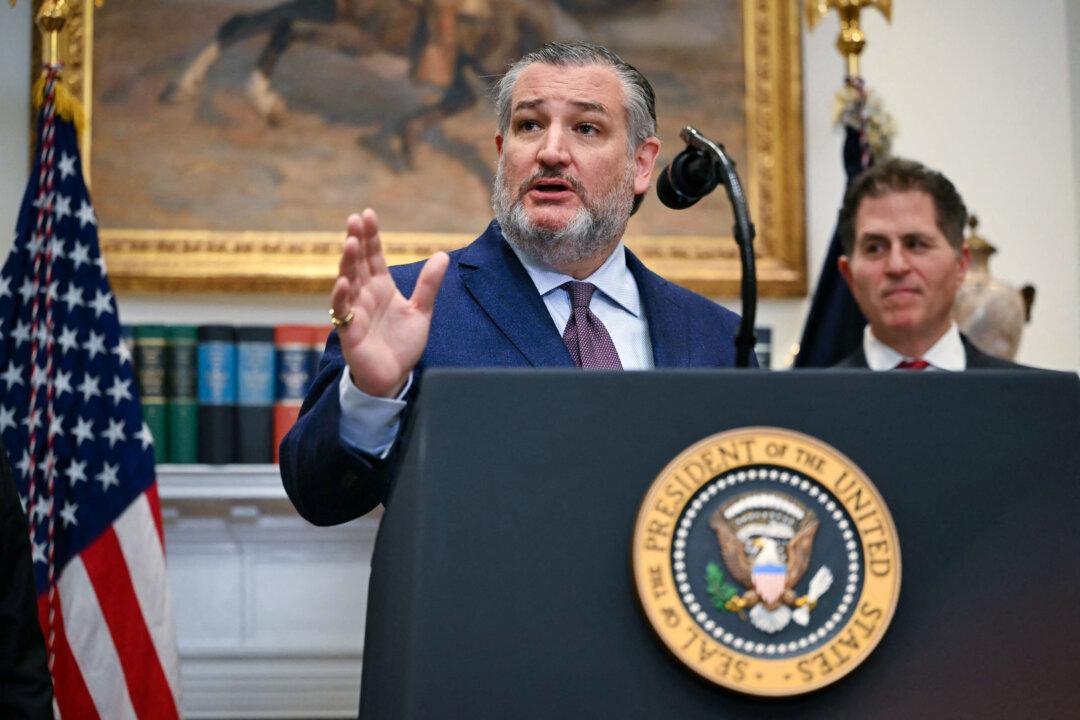
Sen. Ted Cruz (R-Texas) speaks during an announcement of a $6.25 billion donation to “Trump Accounts” at the White House on Dec. 2, 2025. Cruz, who helped draft the enabling legislation, said the accounts could help restore young people’s faith in capitalism. (Andrew Caballero-Reynolds/AFP via Getty Images)
6. Signals of Big Donors Ahead
Michael Dell and Trump both indicated that there could be more big-dollar donors in the future.
The IT mogul said he has spoken to “a number of other wealthy Americans, philanthropists,” and said he is “confident” that others will join in donating to the accounts “because we all understand the incredible impact that a gift like this can have on the lives of young Americans.”
Trump also spoke to future donors, saying he would also be contributing, though he did not specify a time or dollar amount.
“A lot of friends of mine have already told me they’re going to contribute a lot of money,” Trump said.
The president added that many wealthy people he spoke with said that they would leave money to the accounts in their will.
Trump said he is “in the process” of speaking to people with “a lot of success. … I would be shocked if anyone turns us down. We’re going to have a lot of big contributors.”