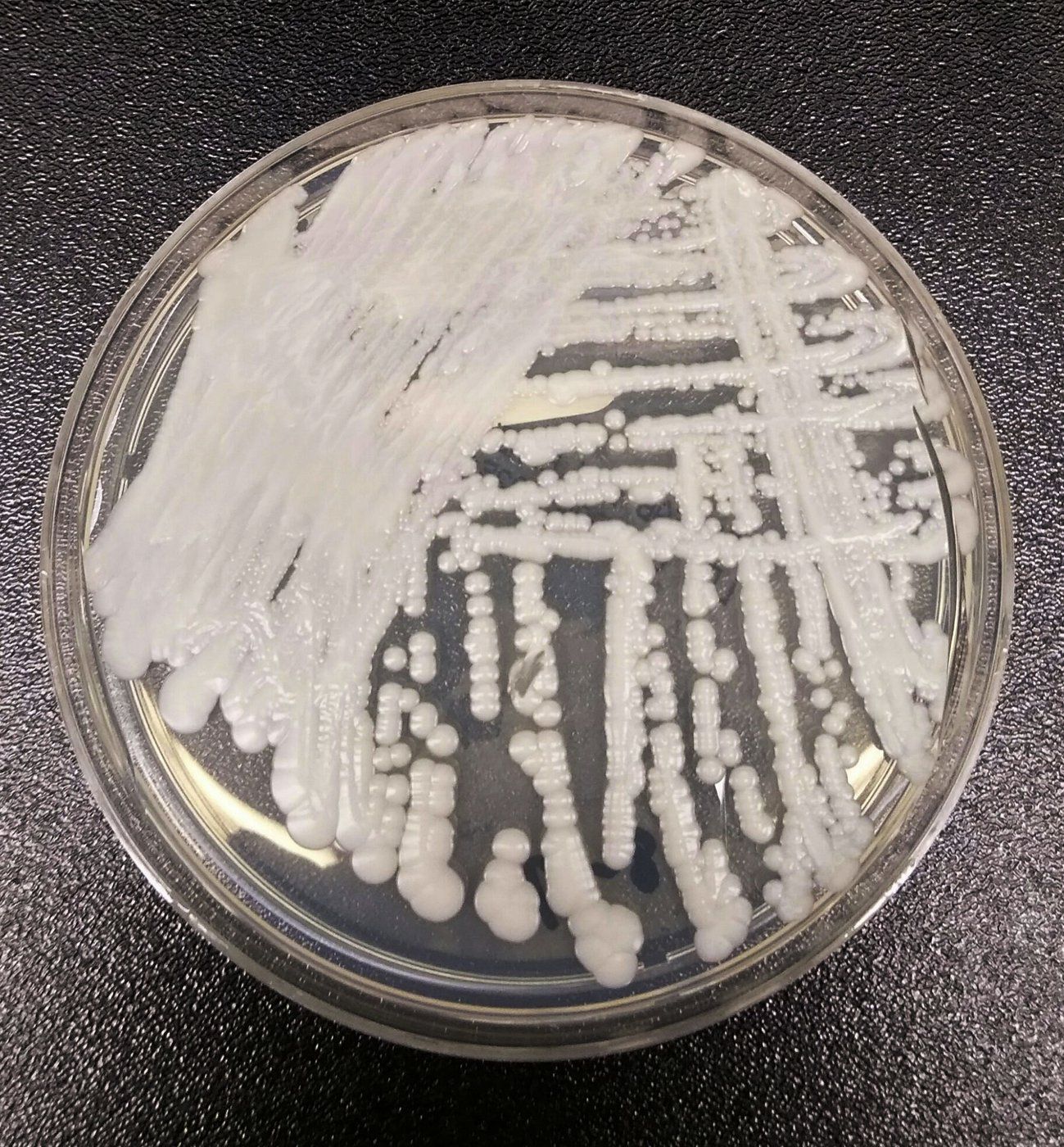
U.S. health officials confirmed that more than 7,700 cases of a deadly drug-resistant fungus were reported in the United States in 2025.
In an update posted on its website on Dec. 27, the Centers for Disease Control and Prevention (CDC) said that for all of last year, 7,702 cases of Candida auris were confirmed in 30 states.
Nevada and California reported more than 2,000 cases each, respectively, according to the CDC figures. Texas confirmed more than 800 cases, and Illinois reported 600, according to the agency.
The CDC has warned that C. auris, a type of yeast infection that was first identified in Asia in 2009 and in the United States in 2015, primarily spreads in hospitals and may cause outbreaks in some health care settings. It was also described as “multidrug-resistant,” meaning that common anti-microbial medications may not be effective.
A review from a medical center released in December 2025 found that the fungal species, frequently called a “superbug“ in media reports, is spreading worldwide and gaining in strength.
“[The fungus is] extremely successful in colonizing human skin, with the molecular evidence showing so far that the proteins of the cell wall attach like a kind of glue to mammalian cells—and even non-living surfaces,” researchers with the New Jersey-based Hackensack Meridian Center for Discovery and Innovation said in a statement on Dec. 26, 2025.
How It Spreads
The Cleveland Clinic reported that “experts don’t believe C. auris spreads through the air.”
“It’s usually carried on your skin and travels from person to person or through contaminated objects,” the clinic stated.
Symptoms of a C. auris infection can vary based on where the infection site is on the body but are commonly fever, chills, lethargy, high heart rate, low blood pressure, and low body temperature,
according to the clinic. If the fungus spreads to the blood, serious and life-threatening complications can occur, including sepsis, shock, and organ failure.
“The host develops mechanisms to battle C. auris, but the science so far indicates the germ can develop proactive ways to evade the immune response,” the Meridian Center researchers said, noting that C. auris has a cell wall that grants it “advantages in drug resistance and host interactions” compared with other fungal species.
Their article, published in the Microbiology and Molecular Biology Reviews, states that C. auris infections “are frequently associated with high mortality rates,” oftentimes exceeding 50 percent even with anti-fungal therapy drugs.
“Furthermore, C. auris-colonized patients are at risk of developing more serious systemic infections,” it reads. “The diagnosis of C. auris infections is often hampered by misidentification, leading to delays in starting appropriate antifungal therapy.”
In the paper, the researchers highlighted the need to develop immune system- and vaccine-based treatments for patients who are considered high-risk. They also said better surveillance methods are needed, namely in less developed countries.
“Taken together, these data underscore the need to develop novel antifungal agents with broad-spectrum activity against human fungal pathogens, to improve diagnostic tests, and to develop immune- and vaccine-based adjunct modalities for the treatment of high-risk patients,” the researchers said.
“Future efforts should focus on raising awareness about fungal disease through developing better surveillance mechanisms, especially in resource-poor countries.
“All these developments should help improve the outcomes and prognosis of patients afflicted by opportunistic fungal infections.”