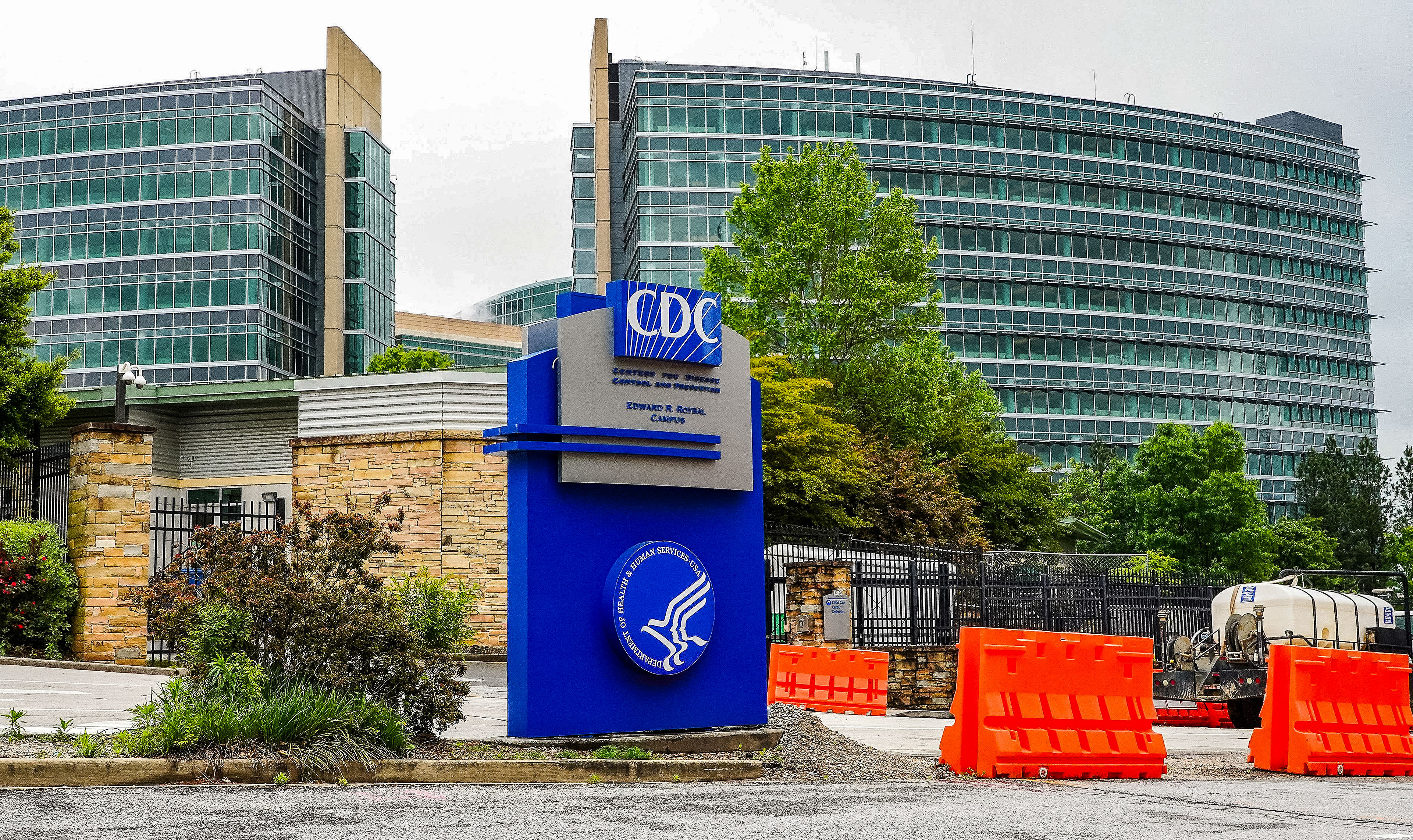

The Centers for Disease Control and Prevention on Jan. 5 estimated that more than 11 million people have been sickened with influenza so far this season as cases have started to rise.
The CDC also estimated that for the 2025–2026 flu season, there have been 120,000 hospitalizations and 5,000 deaths associated with the virus. The current season, it said, was classified as “moderately severe for the first time.”
“Seasonal influenza activity is elevated and continues to increase across the country,” the agency said, while adding that it is “expected to continue for several weeks.”
The CDC reported that one flu-associated pediatric death was reported in the past week, which brought the total to nine influenza-linked deaths among children for the season.
During the 2024–2025 season, the CDC estimated at least 5.3 million illnesses, 63,000 hospitalizations, and 2,700 deaths in the week that ended on Dec. 28, 2024.
Influenza A(H3N2) remains the dominant strain, accounting for more than 91 percent of subtyped influenza A cases, the CDC said. Among the 389 influenza A(H3N2) viruses collected since Sept. 28, 2025, around 90.5 percent belonged to subclade K, a variant of A(H3N2), according to the agency.
Hospitals admitted about 33,301 influenza patients in the week ending Dec. 27, up sharply from earlier weeks, the CDC data also revealed. Outpatient visits for respiratory illness rose to 8.2 percent of healthcare visits, above seasonal baselines, it said.
Respiratory syncytial virus, or RSV, is also elevated in many parts of the United States, according to the CDC’s data, which show a “moderate” level of RSV hospital visits in the past week. COVID-19 levels were described as “low” by the agency, while it noted that RSV and COVID-19 levels are increasing.
Other respiratory infections such as cases of illnesses caused by the Mycoplasma pneumoniae bacteria, sometimes called “walking pneumonia,” are elevated in some parts of the United States, the CDC said, citing emergency department visits and positive tests.
It noted that such infections “are generally mild but can sometimes be severe” although most people recover without taking medicine.
Reports of whooping cough, a severe respiratory infection caused by the pertussis bacteria, are considered lower than their peak in November 2025 but are elevated compared to prior to the COVID-19 pandemic, the CDC said.
“Whooping cough is very contagious and can spread easily from person to person. Babies younger than 1 year are at highest risk of severe disease and complications,” the CDC said, recommending vaccines.
The respiratory virus data was released on Jan. 5, the same day that the federal government announced it will no longer recommend flu shots and other types of vaccines for all children. Last year, the government stopped recommending COVID-19 vaccines for healthy children.
In its flu report, the CDC still recommended that people aged 6 months and older to get an annual flu vaccine if they haven’t already, noting that more than 130 million doses of the shot have been distributed across the country. CDC survey data also suggests that U.S. flu vaccination rates are around the same as last year.
Meanwhile, no new avian influenza—or bird flu—infections were reported in the past week, according to the CDC.
Reuters contributed to this report.