
U.S. Customs and Border Protection (CBP) officers at the U.S.–Mexico border prevented more than 60 pounds of cocaine allegedly smuggled by an American citizen—a “trusted traveler”—from entering the country, the agency exclusively told The Epoch Times on April 15.
At California’s San Ysidro Port of Entry, a 25-year-old man was arrested on April 7 for allegedly concealing illegal narcotics worth more than $1.1 million within his vehicle and now faces federal prosecution.
The man was not named by CBP.
He was categorized as a “trusted traveler” because he was a participant in the secure electronic network for travelers rapid inspection program, the agency said. The program allows expedited passage into the United States for pre-approved, low-risk travelers. All applicants for the program undergo an extensive background check and an in-person interview before being enrolled.
Despite having qualified for expedited treatment, the man was referred for a secondary inspection while entering the United States.
“Trust, but verify,” the agency said.
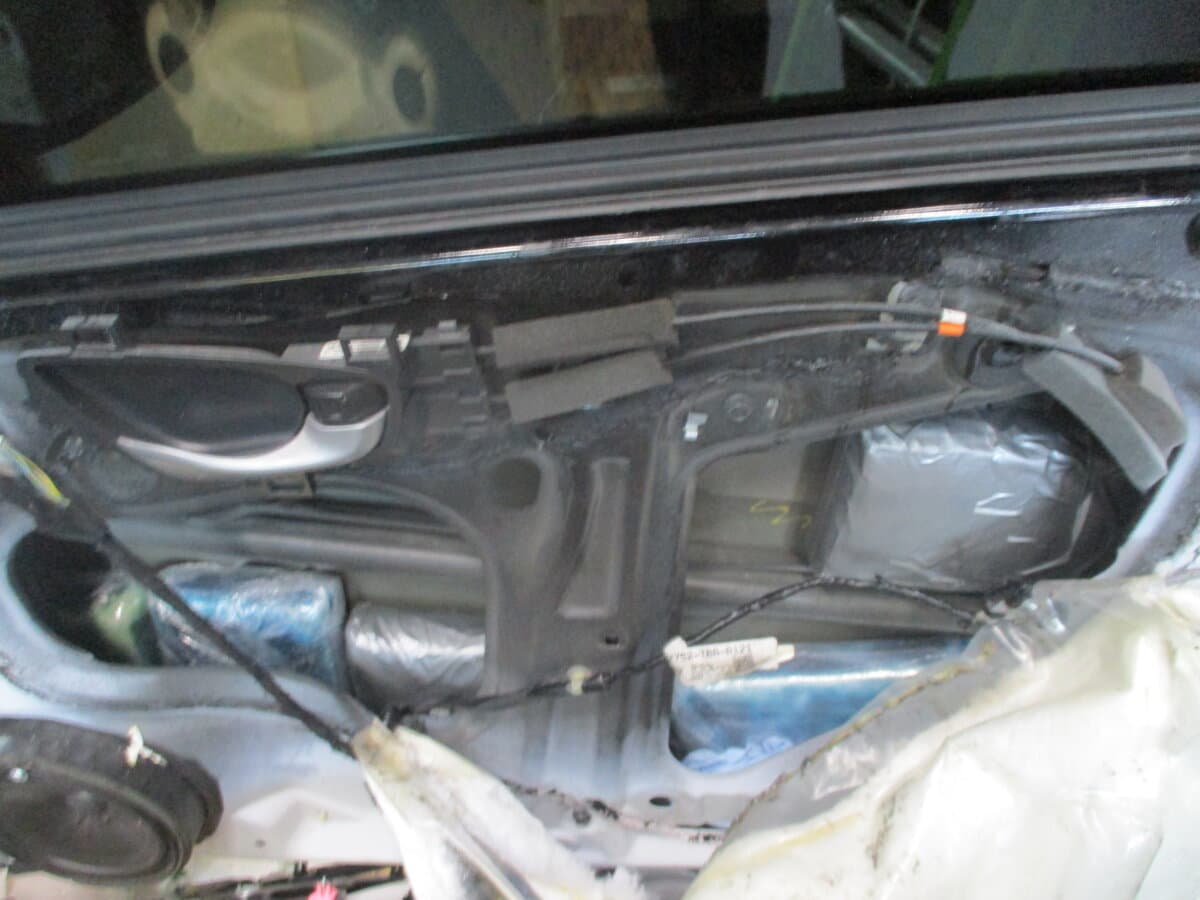
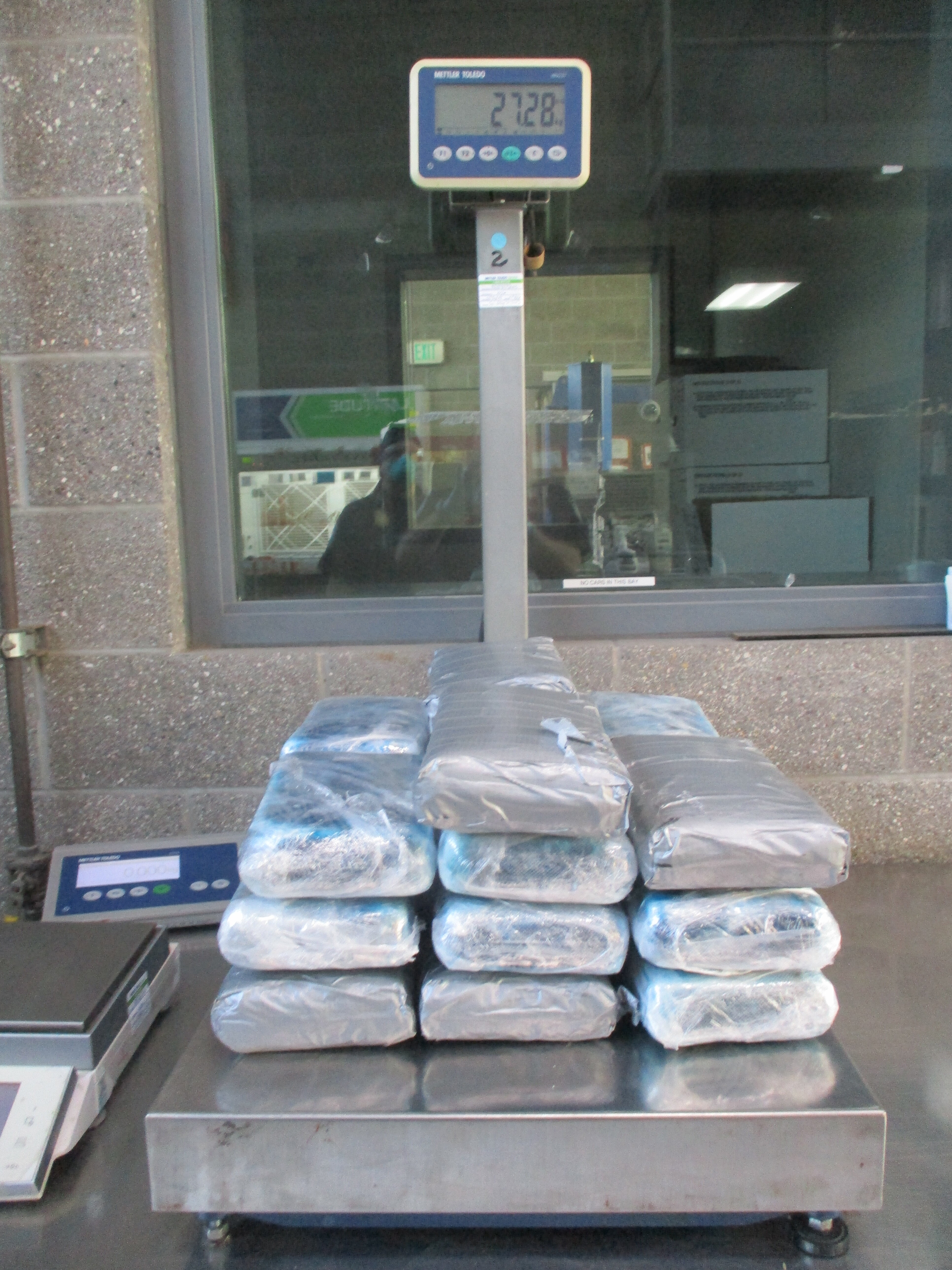
Illegal narcotics hidden in the driver's vehicle doors are shown, at the San Ysidro Port of Entry on April 7, 2026. Border Patrol agents seized more than 60 pounds of cocaine from a U.S. citizen. (U.S. Customs and Border Protection)
During the secondary inspection, CBP said it used nonintrusive imaging technology that revealed “anomalies” within the doors of the driver’s 2020 Honda Civic. A canine team additionally alerted officers to the presence of narcotics.
According to CBP, officers discovered 20 packages containing 27.28 kilograms, or 60.14 pounds, of cocaine. The drugs, vehicle, and two cellphones were seized.
The driver was arrested and faces charges of narcotics importation and smuggling, CBP said.
“This arrest is a clear message that no one is above the law,” San Ysidro Port Director Mariza Marin said. “We will hold everyone accountable for their actions, especially those who betray the trust of our traveler programs by attempting to smuggle dangerous narcotics.”
This latest encounter comes as the Trump administration delivered 11 straight months of zero releases at the southern border, while CBP is making increased illegal narcotics seizures across the country compared with a year ago.
Nationwide, CBP seized more than 65,000 pounds of drugs in March, which included 613 pounds of fentanyl. Compared with March 2024, that total amount is 27 percent higher.
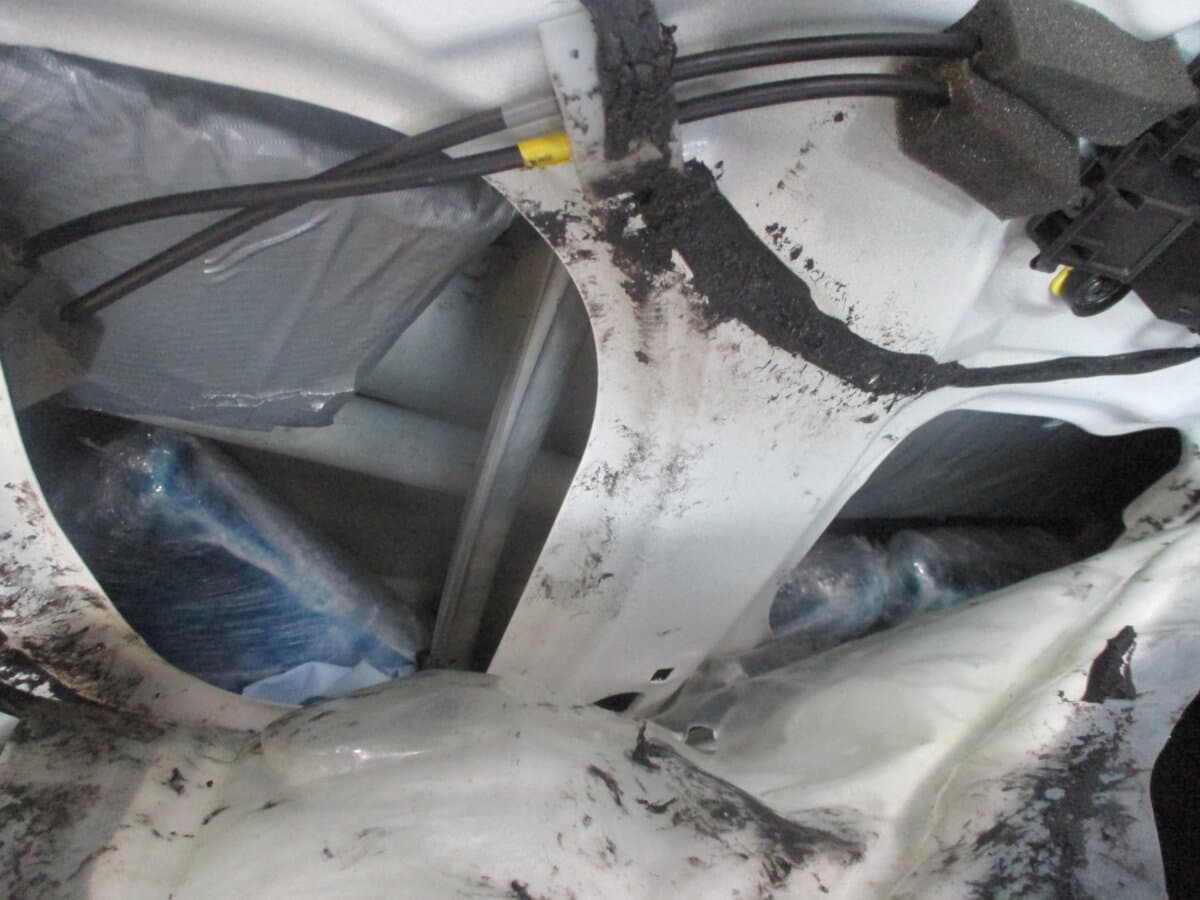
Border Patrol agents seized more than 60 pounds of cocaine from a U.S. citizen. The illegal narcotics were hidden in the driver's vehicle doors, on April 7, 2026, at the San Ysidro Port of Entry. (U.S. Customs and Border Protection)
The agency said it has seized 24 percent more drugs this fiscal year through March than it did during the same time period for fiscal year 2024.
Comparing similar figures extending into President Joe Biden’s administration, CBP seized 19 percent more illegal narcotics so far this fiscal year than it seized, on average, during the same period in each of the past four fiscal years, according to the agency.
To date in fiscal year 2026, data show that CBP has seized a total of 341,000 pounds of drugs.
The agency counts all drug types, including cocaine, ecstasy, fentanyl, heroin, ketamine, khat, LSD, marijuana, methamphetamine, and other drugs. CBP also reports drug seizures from the southern border, northern border, coastal areas, and interior.
In February, CBP exclusively shared with The Epoch Times that it had prevented more than 660 pounds of methamphetamine—worth about $6 million—from illegally entering the United States. The drug bust came from a single commercial truck at the World Trade Bridge in Laredo, Texas.
Only days before that encounter and at the same Laredo entry point, federal officers seized 36 pounds of cocaine worth about $500,000 dollars. CBP said it was enough for 190,000 lethal doses.
A CBP spokesperson noted that the drug seizure metrics on its website do not include illegal narcotics seized from joint operations in which another agency such as the U.S. Coast Guard or local law enforcement takes possession of the drugs.
“In addition to what Border Patrol and [the Office of Field Operations] has seized, which is above and beyond what has been seized in years prior, there’s also these additional activities that stop it before it even gets to the border,” the spokesperson previously told The Epoch Times.