
Orange County officials have launched an unusual effort to verify no dogs or cats are registered voters, instructing the local elections chief to compare voting lists against animal licensing records in a bid to root out any fraudulent entries.
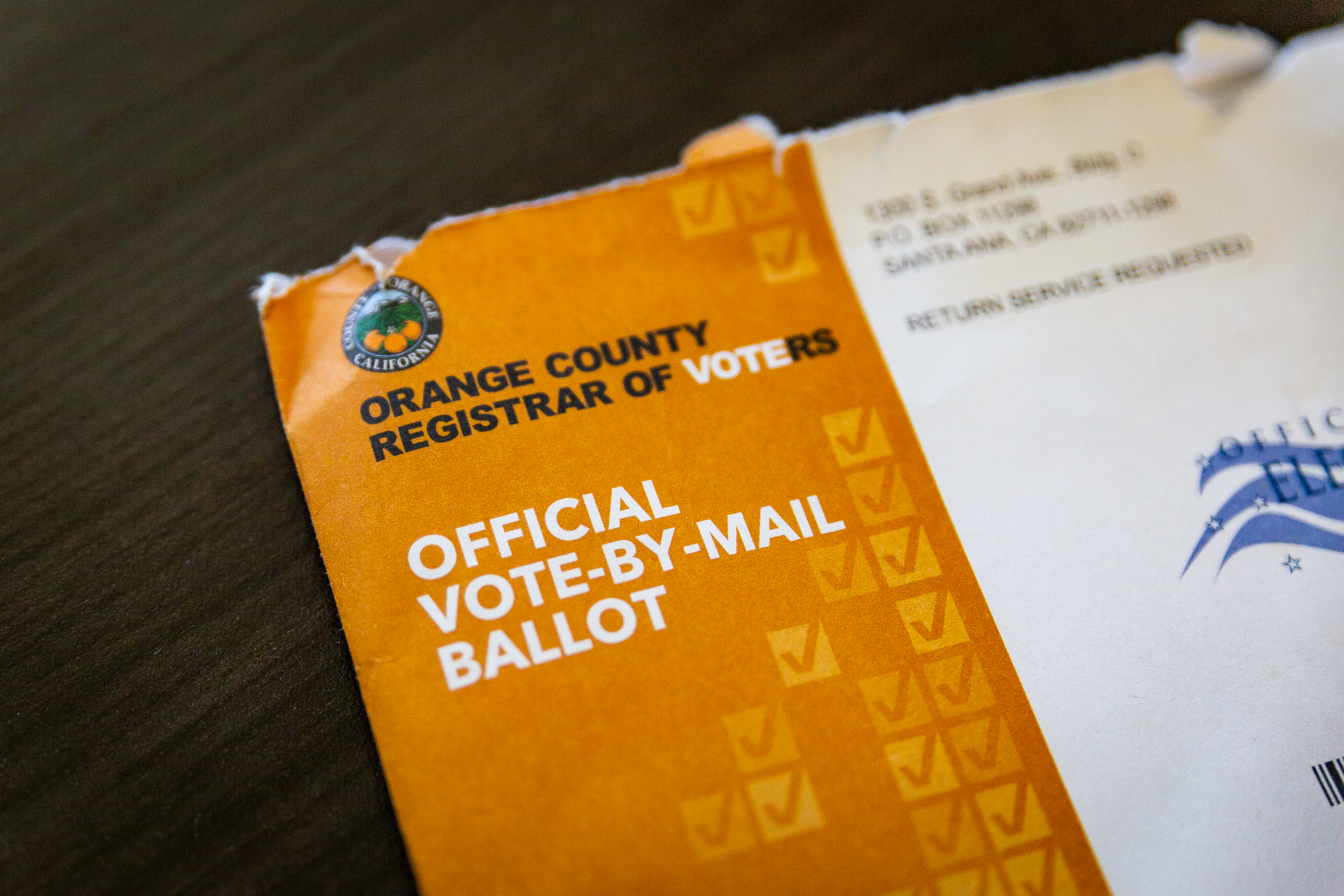
The Board of Supervisors voted on Sept. 23 to expand a review of pet registrations across the county, aiming to confirm no dogs, cats, or other pets are poised to cast ballots in the upcoming November special election.
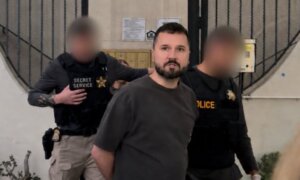
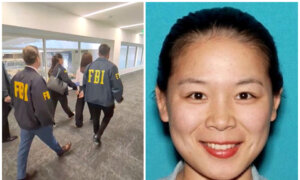
This move was made after Laura Lee Yourex, a 62-year-old resident of Costa Mesa, was charged with five felonies for allegedly registering her dog, Maya Jean Yourex, to vote.
Prosecutors claim Yourex submitted registration forms for the pet and mailed in ballots during the 2021 gubernatorial recall and the 2022 primary contest. The 2021 vote was tallied under state rules that don’t mandate ID for such matters, but the 2022 federal-related ballot was flagged and discarded due to stricter identification requirements.
Yourex turned herself in after reportedly confessing the act on social media, where she posted images of her dog alongside an “I Voted” sticker and a ballot envelope. Her attorney argued the stunt was intended to highlight perceived flaws in the voting system, though authorities view it as a serious breach, carrying up to six years behind bars if convicted.
The incident has ignited debates among county leaders, particularly Republicans on the board who see it as evidence of vulnerabilities in registration procedures. Supervisor Don Wagner, a vocal proponent of ID verification, said the case illustrates how easy it is to cast fake ballots.
“The reality that a canine was enrolled and participated in two contests right here demonstrates how exposed our setup remains and why identification mandates are essential,” Wagner said during the meeting.
Supervisor Janet Nguyen echoed those sentiments, questioning the fairness of the process if individuals could inflate results with pet proxies. She referenced her own razor-thin victory in a 2007 race, won by just three votes, to underscore that every participant counts.
“I aim to guarantee that as we approach this contest, everyone trusts the outcome,” Nguyen added.
The board’s directive, approved 3–1 with one member abstaining, requires Registrar of Voters Bob Page to collaborate with animal services and city officials to access pet data from all jurisdictions within the county. An initial scan of nearly 8,000 licenses in unincorporated zones turned up no overlaps with voter files, Page reported. Now, the effort extends to 14 municipalities that partner with county animal control, plus others handling their own services or outsourcing to nonprofits.
Page emphasized his office’s routine upkeep of records, including daily cross-checks with various databases and credit agencies to flag inconsistencies. He noted low rates of returned mail—about 1.6 percent in primaries and 1.7 percent in generals—far below the national average for standard correspondence. He added that his team forwards 100 to 400 instances of apparent duplicate attempts per cycle to the district attorney, though none have led to prosecutions since 2022 until the current matter.
Beyond pets, the supervisors ordered attention to more than 2,600 registrants—roughly 0.1 percent of the county’s total—who haven’t had their identities verified. These individuals will receive letters urging them to confirm details, with ballots set aside for scrutiny if submitted without verified ID.
Wagner criticized privacy protections invoked in the dog case, noting they shouldn’t apply to deceased animals, after Yourex claimed that her dog had still received a ballot after passing away. Page defended his adherence to state mandates, which require accepting citizenship affirmations on forms without further proof for certain elections.
The Justice Department in June filed a lawsuit against Page for allegedly refusing to provide unredacted information on possible noncitizen enrollments in voter registration lists.
The lawsuit alleges that Page has refused to provide the DOJ with records pertaining to the removal of noncitizens from its voter registration list and has failed to maintain an accurate voter list in violation of the Help America Vote Act (HAVA).
Page responded to the request but redacted information such a California driver’s licenses and identification card numbers, Social Security numbers, California secretary of state-assigned voter identification numbers, language preference, and images of registrants’ signatures, according to the complaint.
The legal complaint stated that Page cited state law as the reason for the redactions, and on June 17 the DOJ responded to him indicating the data redaction prohibits the Attorney General’s Office from making an accurate assessment of the whether the OC Registrar of Voters acted in compliance with HAVA and the National Voter Registration Act (NVRA).
The Attorney General’s Office holds that such records are not exempt from the NVRA’s public disclosure provision and is seeking declaratory and injunctive relief.
District Attorney Todd Spitzer has downplayed suggestions of rampant irregularities, stating during a board meeting last month there was no sign of extensive misconduct in the area. Yet, advocates for stricter protocols point to the dog case—and a prior Ventura County example where a man attempted to register four cartoon cats to vote—as proof that safeguards are insufficient.
Supervisor Katrina Foley acknowledged the system’s robustness based on presented figures but backed the extra pet verification, expressing relief at the lack of early discoveries.
Supervisor Vicente Sarmiento, who cast the dissenting vote, urged shifting focus toward boosting turnout and lawful engagement rather than chasing rare anomalies.
“Encouraging civic involvement while upholding security strikes me as a more valuable dialogue,” he said.
The timing intensifies the stakes, with ballots set to mail soon for the Nov. 4 special vote on Proposition 50, which would temporarily suspend California’s nonpartisan redistricting system to implement a map drawn by Gov. Gavin Newsom, potentially flipping five congressional districts toward Democrats in retaliation for Republican gains in Texas.
Page is required to deliver a progress update within a week, including plans for public disclosure of his findings.
Brad Jones contributed to this report.