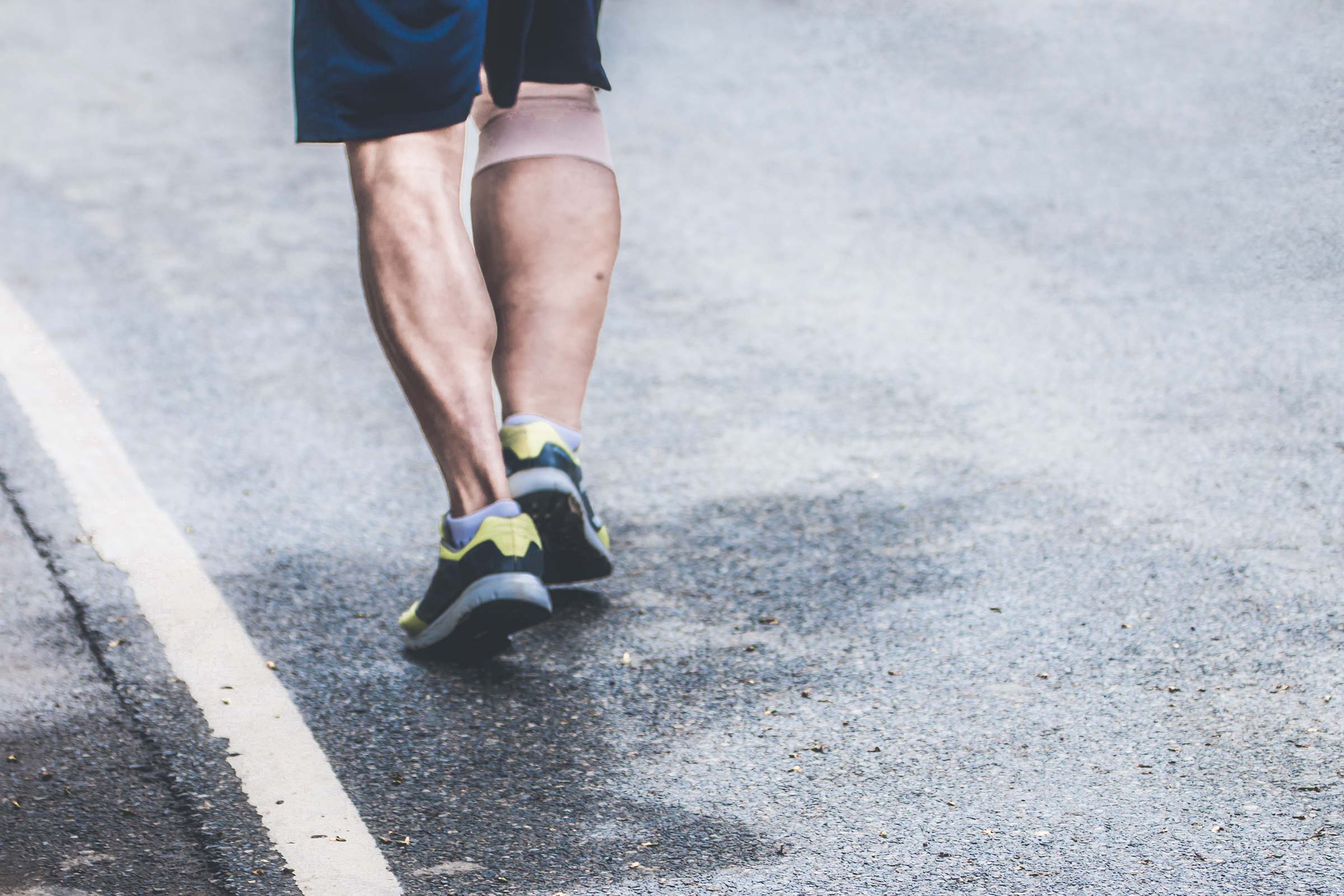
A 26-year-old Canadian man, an avid basketball player, began experiencing persistent swelling and pain in his left lower leg about a year earlier. Over time, the affected skin gradually turned purplish-black, eventually preventing him from continuing the sport he enjoyed.
He was diagnosed by his family physician with deep vein thrombosis of the lower extremity and was treated with the anticoagulant warfarin for six months. However, his symptoms showed little improvement, and ulceration developed. He then sought treatment through traditional Chinese medicine (TCM).
Following an evaluation, Jonathan Liu, director of Liu’s Wisdom Healing Centre in Ontario, Canada, prescribed a TCM herbal formula aimed at tonifying qi (vital energy) and circulating blood, concepts that in conventional medical terms relate to enhancing energy metabolism and improving blood flow.
Within less than a month, the patient’s symptoms resolved. The skin color of his leg returned to normal, the ulcers healed, and he was able to resume playing basketball.
Self-Assessment Methods for Blood Clots
Sudden onset of limb pain, swelling, or discomfort may be a warning sign of a blood clot, Liu said. The following methods can be used for preliminary self-assessment:
Check Temperature
Compare the temperature of both limbs. If one side feels noticeably warmer, it may indicate venous thrombosis. If one side feels significantly colder, the possibility of arterial thrombosis should be considered.
Any noticeable temperature difference should not be ignored.
Observe Skin Color
Pay attention to changes in skin color. Pale skin accompanied by a cold sensation may indicate arterial thrombosis, whereas dark purple or black discoloration, particularly when combined with swelling and warmth, may suggest venous thrombosis.
Compare Limb Size
Swelling caused by a blood clot typically does not affect both legs at the same time.
Compare the size of both limbs. If one limb suddenly becomes swollen and noticeably larger than the other, creating visible asymmetry, it is likely the affected side.
Perform a Walk-Rest Test
For people with intermittent claudication—aching, cramping, or fatigue in the leg muscles—a simple functional test can be performed: Walk on a flat surface at a normal pace for three to five minutes, and observe whether discomfort or aching develops in the calf, ankle, or top of the foot.
If discomfort occurs, stop and rest for one to five minutes. If symptoms do not resolve, the cause may be related to soft-tissue issues. If symptoms rapidly improve with rest, deep venous obstruction may be involved.
Differences Between Arterial and Venous Thrombosis
Arterial thrombosis is generally more severe and progresses more rapidly than venous thrombosis, making prompt treatment critical, Liu said.
He cited a case involving a 78-year-old patient who sought medical care for constipation and abdominal pain. Although bowel function improved with treatment, the abdominal pain did not resolve.
Further examination revealed a large abdominal aortic aneurysm, characterized by balloon-like dilation of the artery, which carries a high risk of massive internal bleeding if it ruptures.
Liu advised the patient to undergo surgery at a major hospital as soon as possible. However, following vascular stent placement, stent migration occurred, leading to severe arterial thrombosis in the lower limbs. The patient ultimately did not survive.
The symptoms of arterial thrombosis are primarily related to insufficient blood supply, Liu noted. Common manifestations include intermittent claudication, abnormally cold temperature in one limb, pale, purplish, or dark red skin discoloration, and severe pain.
Additionally, peripheral arterial pulses may be significantly weakened or absent. Arterial obstruction can rapidly lead to acute ischemia because arteries deliver blood to tissues. This can, in turn, result in tissue necrosis or even the need for amputation in severe cases.
By contrast, venous thrombosis mainly affects blood returning to the heart. Early symptoms are often less pronounced, and disease progression tends to be slower.
The primary risk of venous thrombosis is that a clot may dislodge and travel through the bloodstream, potentially causing pulmonary embolism if it reaches the lungs, or stroke or a heart attack if it reaches the brain or heart—conditions associated with a high risk of mortality.
Natural Approaches to Preventing Blood Clots
In TCM, the
management of blood clots focuses on enhancing the body’s vital energy and promoting blood circulation. Incorporating TCM-based health practices into daily life may help reduce the risk of blood clot formation.
Medicinal Foods and Herbal Teas
Pharmacological research on Chinese herbal medicine has shown that many traditional herbs used to “circulate blood and transform stasis” also exhibit antithrombotic effects, Liu said.
However, these effects differ from those of conventional pharmaceutical anticoagulants.
Rather than targeting a specific mechanism in the blood-clotting process, such herbs act through multiple mechanisms—including reducing inflammation, dilating blood vessels, lowering blood pressure, decreasing blood viscosity and lipid levels, inhibiting platelet aggregation, and improving microcirculation—thereby helping to reduce blood clot formation from a holistic perspective.
For daily health maintenance, Liu recommends herbs such as dan shen (Salvia miltiorrhiza) and chuan xiong (Sichuan lovage rhizome), both of which are traditionally used to circulate blood and transform stasis.
A 2022 study found that the antithrombotic effects of dan shen may be mediated by reducing reactive oxygen species accumulation and limiting mitochondrial DNA release from platelets, thereby inhibiting platelet activation without increasing the risk of bleeding.
Black Bean and Chuan Xiong Congee
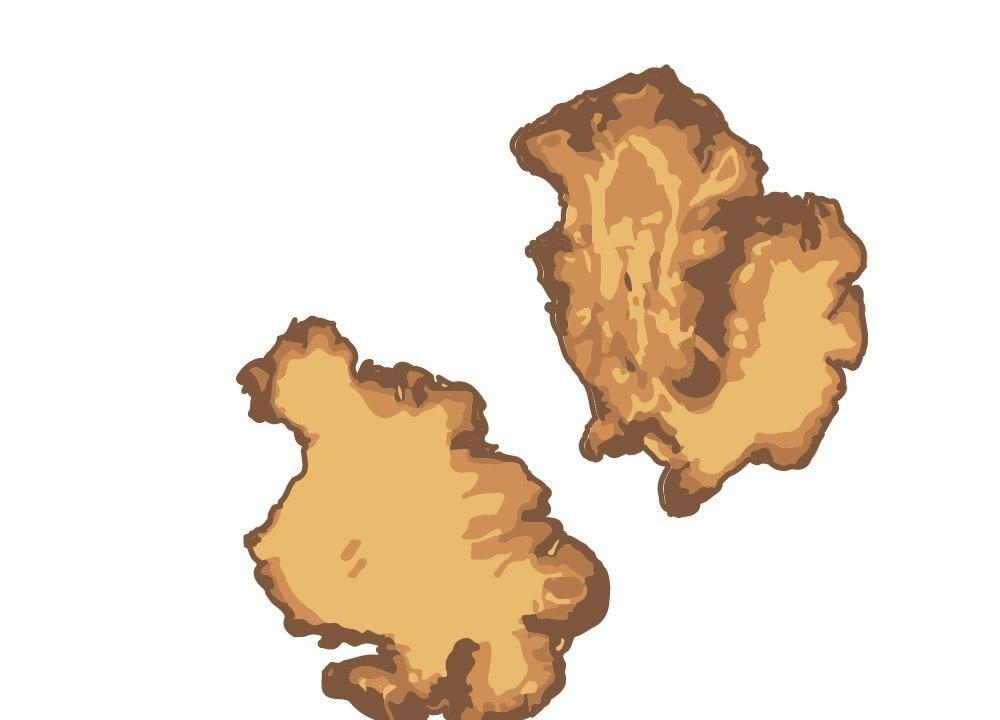
(Chuan xiong. The Epoch Times)
Ingredients
- 0.2 ounces chuan xiong
- 0.9 ounces black beans
- 1.8 ounces japonica rice
- Brown sugar, to taste
Preparation
- Rinse the black beans thoroughly and soak them in water for two hours.
- Combine the soaked black beans, rinsed chuan xiong, and japonica rice with an appropriate amount of water.
- Bring to a boil, reduce heat, and simmer until mixture thickens.
- Add brown sugar to taste before serving.
Dan Shen Tea
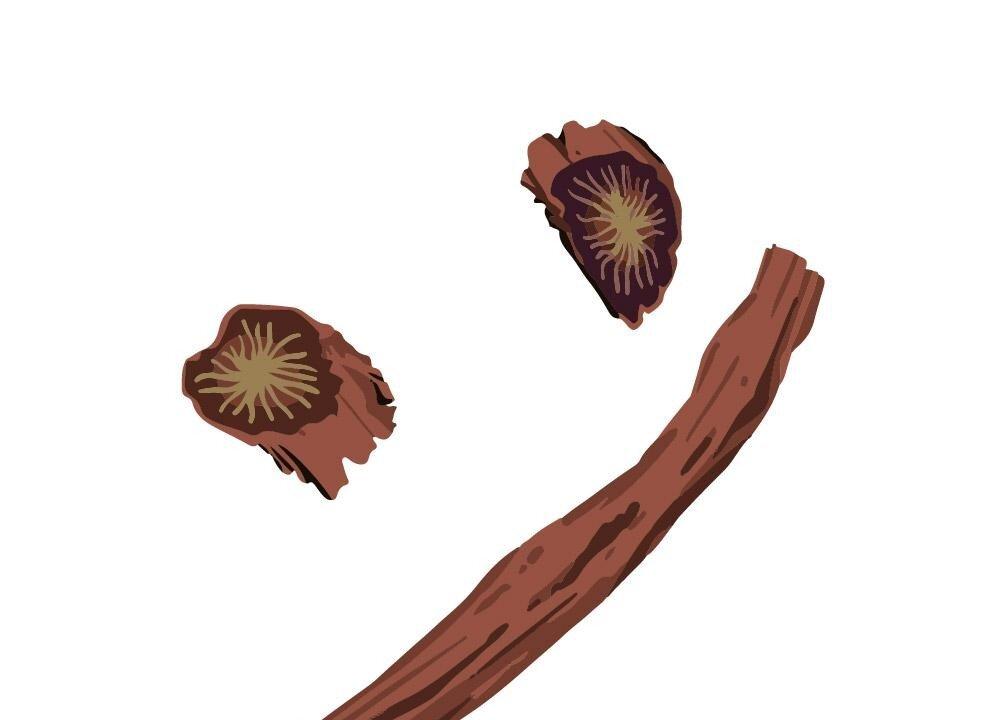
Dan shen. (The Epoch Times)
Ingredients
- 0.4 ounces dan shen
- 16 fluid ounces water
Preparation
- Rinse dan shen briefly under clean water for about 15 seconds.
- Place rinsed dan shen into an insulated flask.
- Boil the water and pour the herbs.
- Cover and steep for 15 minutes. Drink once daily.
Note: The active compounds in dan shen are primarily concentrated in the outer skin of the root. When cleaning, avoid prolonged soaking or vigorous scrubbing to prevent loss of these components.
Precautions
The medicinal foods and herbal teas described above are relatively mild and may be suitable for daily health support in people with mild or early thrombotic conditions.
However, those taking prescription anticoagulant medications should not take these herbal preparations at the same time and should allow an interval of at least two hours between doses.
Additionally, pregnant women should not use these medicinal foods or herbal teas without medical guidance.
Note: The herbs presented in this article are generally available at health food stores and Asian grocery stores.
Ritsugaku Ken, a Japanese TCM practitioner and a contributor to The Epoch Times, said that people taking prescription anticoagulants should avoid making significant changes to their diet.
He recommends consulting a physician before incorporating health supplements or functional foods, as they may interfere with the effectiveness of anticoagulant medications.
Acupressure
In addition to herbal medicine, TCM also employs acupressure and acupuncture to help improve microcirculation in the lower limbs.
Ken noted several acupoints commonly used to prevent and manage blood clots.
He recommended using gentle kneading or steady pressure for acupoint massage, applied once in the morning and once in the evening for three to five minutes each session, with no strict limit on the number of repetitions.
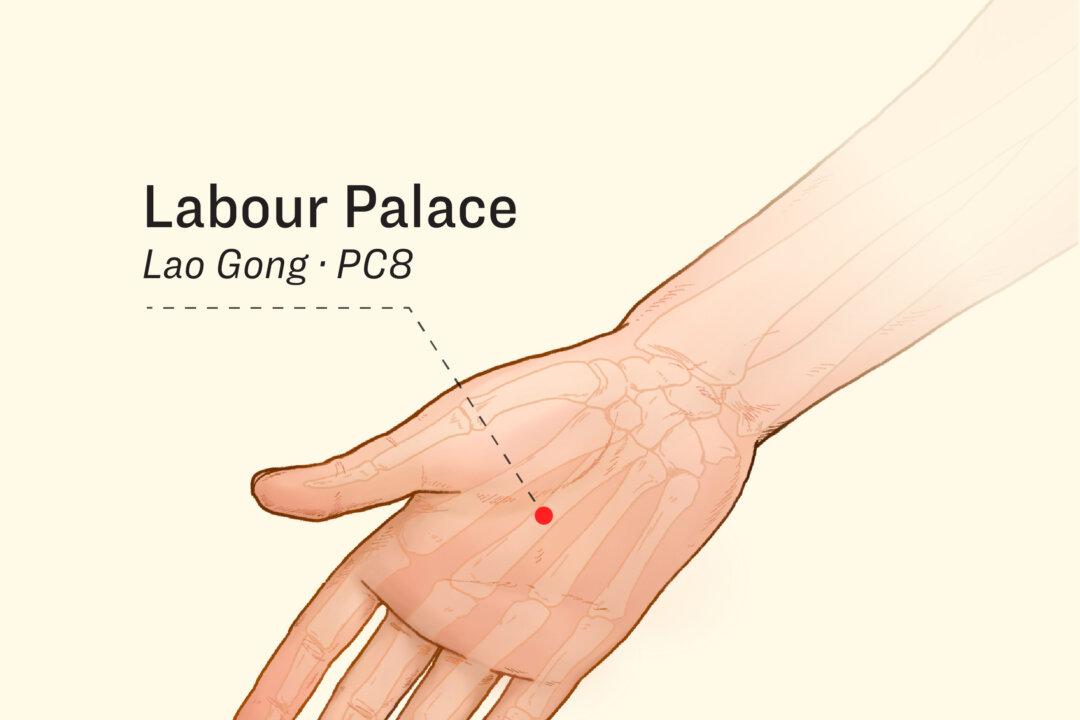
(The Epoch Times)
Lao Gong (PC8): Located at the center of the palm, at the point where the tip of the middle finger touches the palm when the hand is made into a fist.
(The Epoch Times)
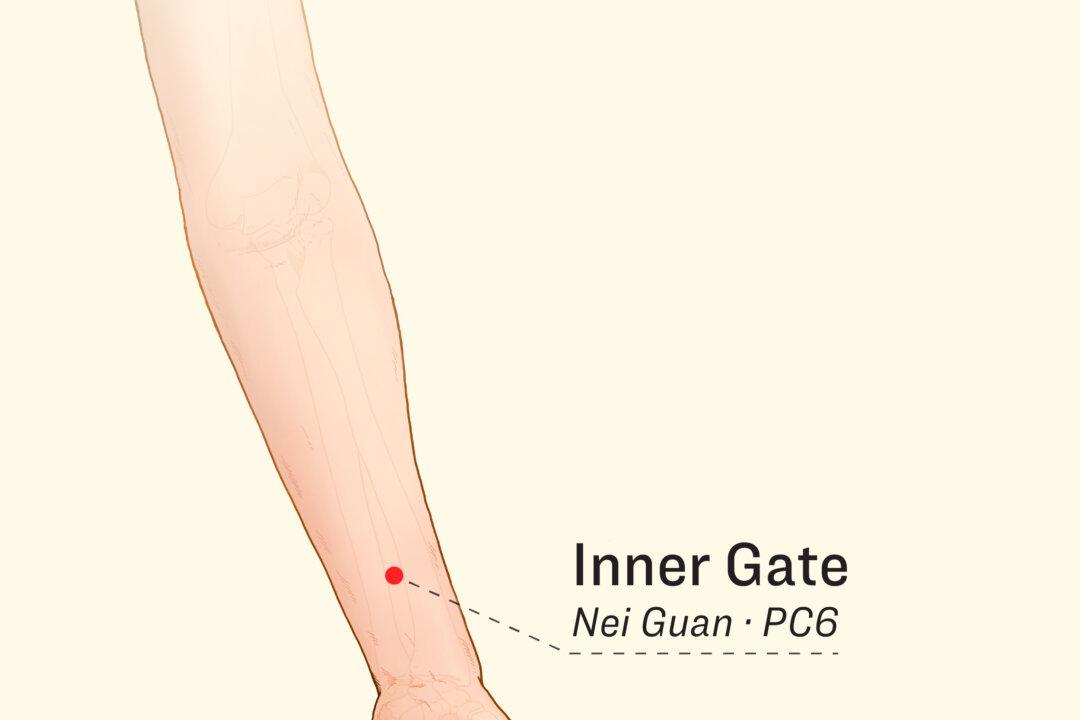
Nei Guan (PC6): Located on the inner forearm, approximately three finger-widths above the midpoint of the wrist crease.
(The Epoch Times)
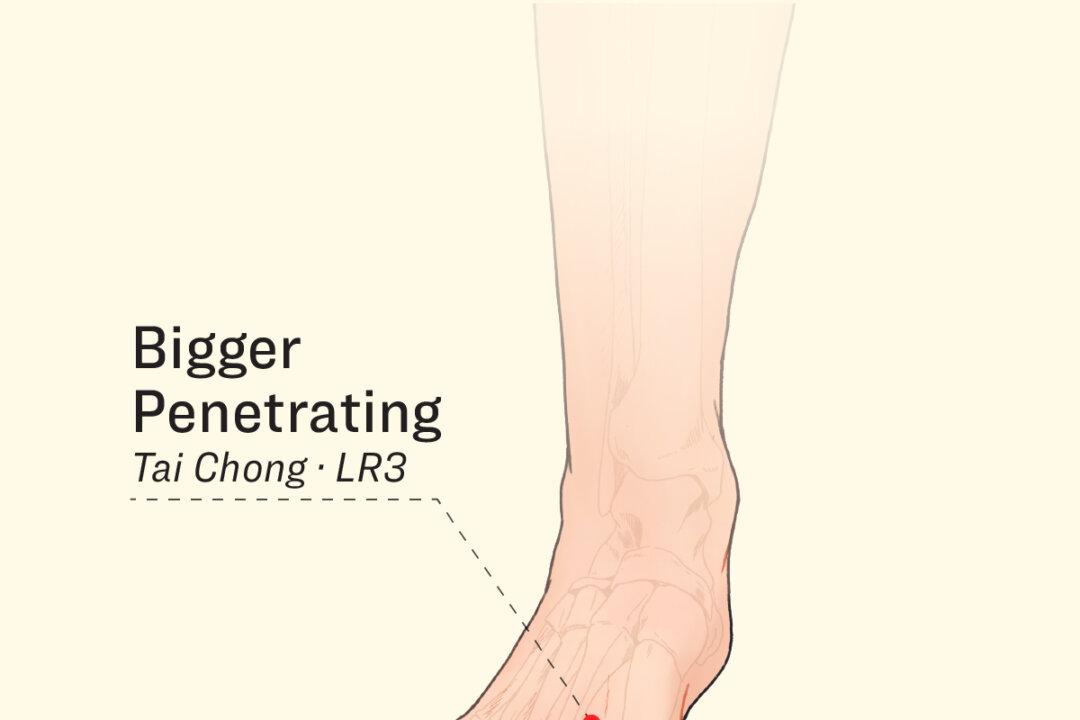
Tai Chong (LR3): Located on the dorsum of the foot, in the depression between the first and second toes, approximately one thumb-width above the web space, just proximal to the junction of the first and second metatarsal bones.
(The Epoch Times)
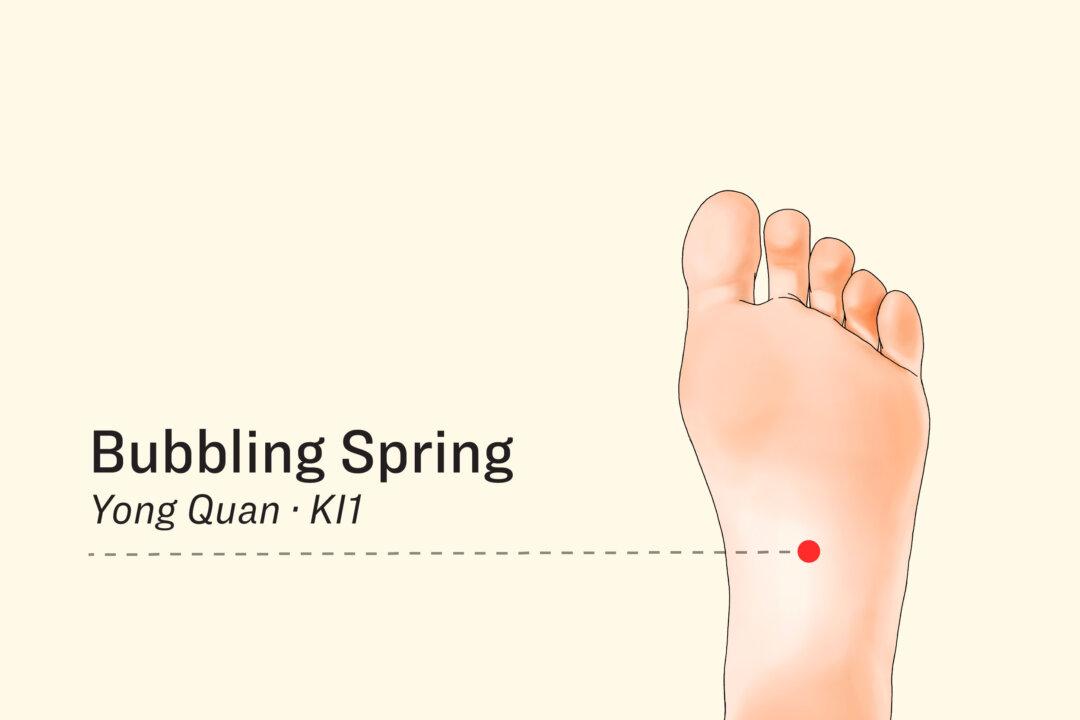
Yong Quan (KI1): Located on the sole of the foot, in the depression at the front one-third of the sole, along the midline.
Ankle Exercises
Ken also recommends simple ankle flexion and extension exercises. Repeated muscle contraction and relaxation help promote venous blood circulation in the lower limbs, thereby reducing the risk of venous thrombosis.
Steps
- Slowly pull the toes upward toward the nose, feeling tension in the muscles at the front of the lower leg. Hold for five to 10 seconds.
- Press the toes downward firmly, feeling tension in the muscles at the back of the lower leg. Hold for five to 10 seconds.
- Using the ankle as the pivot point, rotate the foot in a full 360-degree circle, moving through the largest comfortable range of motion.
Beginners may start with fewer repetitions and gradually increase as they become accustomed to the movements. Steps one through three constitute one set, and each set may be repeated 20 to 30 times. The exercises can be performed multiple times daily.
Warm Baths
During the colder winter months, taking warm baths can promote blood circulation in the lower limbs and relieve discomfort, such as leg soreness and numbness, Ken said.
However, it is important to maintain adequate hydration before and after bathing to prevent dehydration.
Additionally, medical-grade far-infrared therapy set at approximately 100 degrees Fahrenheit may be beneficial. Far-infrared therapy may enhance circulation and support the growth of new blood vessels.
People with hypertension or heart disease should pay close attention to water temperature and avoid sudden or extreme temperature changes. Drastic shifts between hot and cold can cause significant fluctuations in blood pressure, potentially increasing the risk of arterial plaque rupture and blood clot formation.
Lifestyle Habits for Preventing Arterial Thrombosis
Maintaining healthy exercise habits, dietary patterns, and routines, and emotional well-being play an important role in preventing arterial thrombosis, according to Teng Cheng-Liang, director of
Xiang He TCM Clinic in New Taipei City, Taiwan, and a contributor to The Epoch Times.
Exercise
Regular, moderate physical activity helps maintain vascular elasticity.
For those who are less physically active, it is advisable to begin with gentle activities, such as brisk walking or light jogging, and gradually increase intensity as fitness levels improve.
Diet
A light, balanced diet is recommended, with reduced intake of high-fat and high-cholesterol foods.
Increasing amounts of vegetables, seaweed, and legumes, which are rich in dietary fiber and antioxidants, may help reduce cholesterol absorption and lessen strain on blood vessels.
Daily Habits
Healthy lifestyle practices include not smoking, limiting alcohol intake, and maintaining a healthy body weight. Avoiding late nights and excessive fatigue, maintaining a regular daily schedule, and developing the habit of eating breakfast are also important.
A 2017 study published in the Journal of the American College of Cardiology, involving more than 4,000 adults, found that those who skipped breakfast had a 55 percent higher risk of developing non-coronary atherosclerosis and a 157 percent higher risk of generalized atherosclerosis.
Emotional Well-Being
Chronic stress may increase the risk of cardiovascular disease. Taking time to manage stress, relax, and adjust daily pace can help maintain both physical and emotional stability.
Populations at Higher Risk of Blood Clots
Certain populations should be particularly vigilant about blood clots, Ken said. These include individuals with vascular-related conditions such as hypertension and hyperlipidemia, people with obesity or diabetes, and those who spend long periods sitting.
Oral estrogen use can also increase the risk of blood clots. A 2025 cohort study, involving nearly 1.4 million women, found that the risk of venous thromboembolism varies among different hormonal contraceptives, with combined oral contraceptives containing third-generation progestins associated with the highest risk.
People with a history of thrombotic conditions also face a higher risk of recurrence and should pay closer attention to daily preventive measures and early warning signs, Ken said.