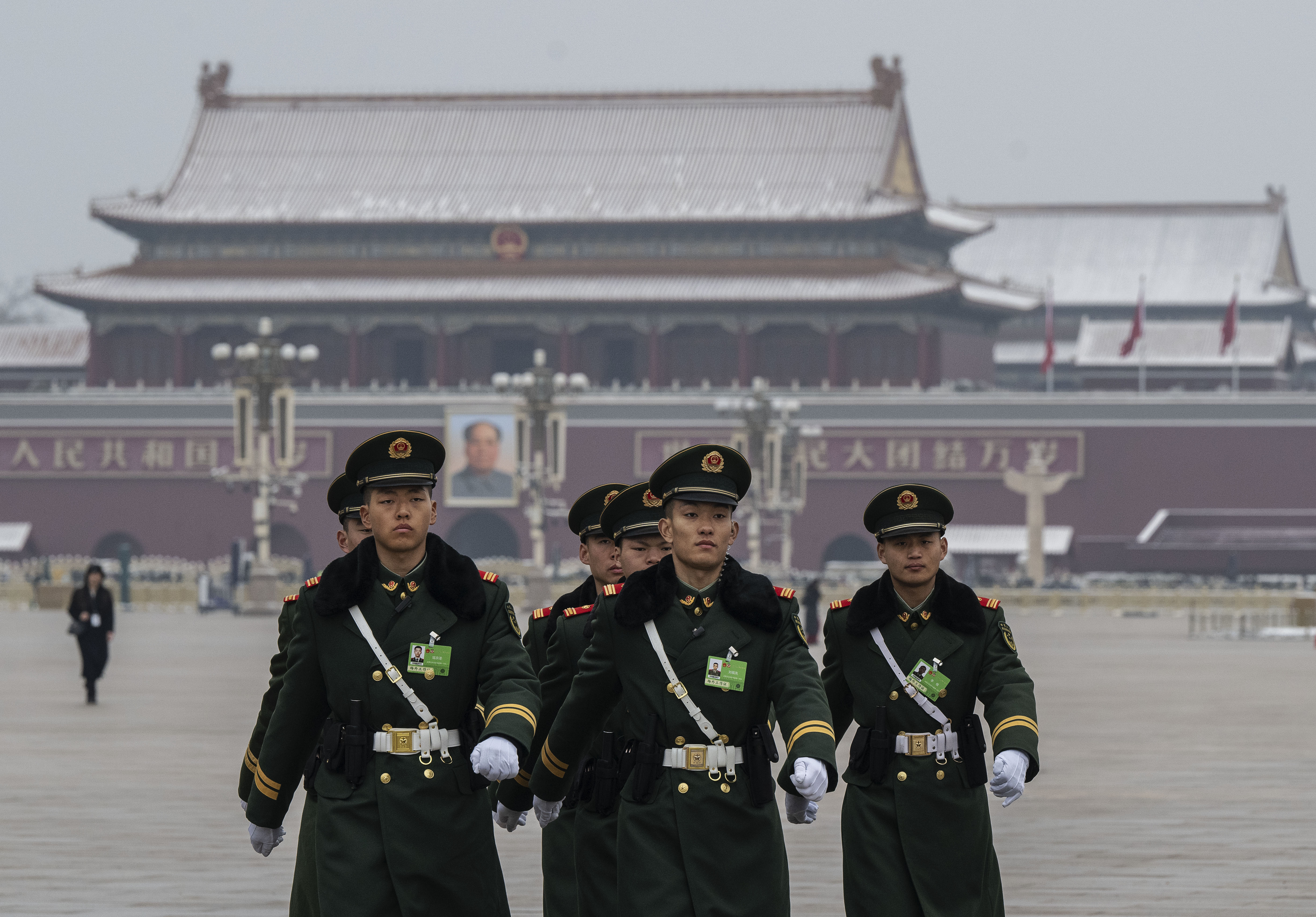

Security tightened across Beijing during the ruling regime’s Fifth Plenum from Oct. 26 to 29, with residents reporting increased street patrols, new surveillance cameras, and intensified efforts to detain people seeking to petition regime authorities over grievances.
Residents told The Epoch Times that uniformed personnel, including people identifying themselves as militia members, have been deployed alongside elderly neighborhood volunteers to monitor streets and question passersby. Petitioners have faced particularly strict controls. The residents spoke on condition of anonymity out of fear of reprisal.
Petitioning is an administrative procedure in China to seek redress of grievances. However, in practice, the ruling Chinese Communist Party (CCP) routinely harasses and persecutes petitioners for expressing dissent.
A Beijing woman surnamed Hui told The Epoch Times that security measures had become more severe since China’s National Day holiday on Oct. 1, and particularly during the plenum.
Some security personnel had changed into green uniforms and identified themselves as militia members, she said. Elderly volunteers in their 60s and 70s, wearing blue shirts and armbands, were also patrolling neighborhoods.
“They’re everywhere on the streets. It’s a nationwide mobilization; everyone has been put on duty,” Hui said.
A petitioner living in Beijing told The Epoch Times that she had seen young people in camouflage uniforms throughout the city, as well as numerous newly installed surveillance cameras in streets and alleyways.
“The atmosphere is tense,” the petitioners said.
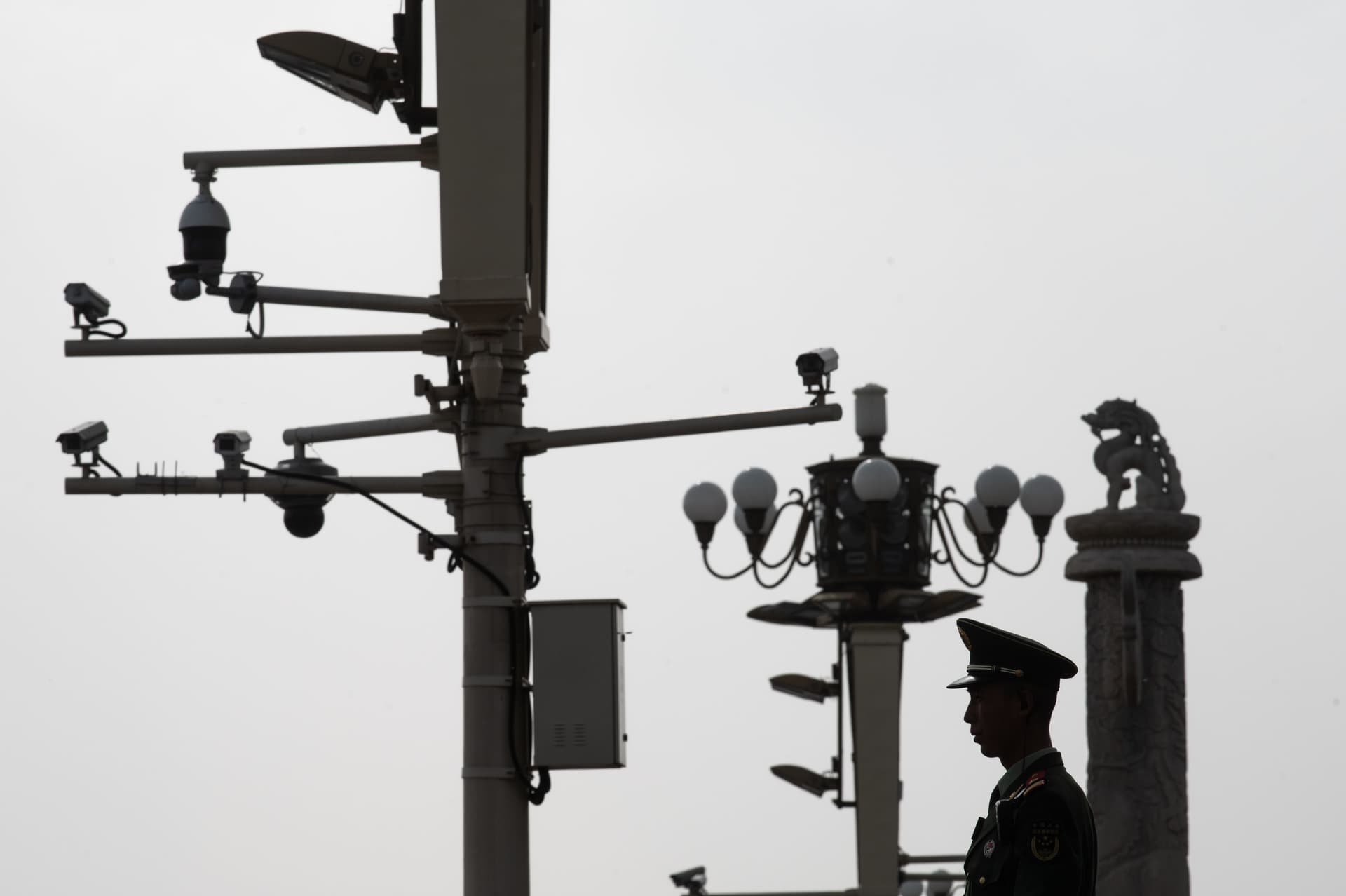
A Chinese paramilitary policeman stands guard before security cameras at Tiananmen Square in Beijing on April 8, 2019. (STR/AFP via Getty Images)
Heightened Restrictions on Petitioners
Hui said the Beijing authorities routinely detain petitioners and rights advocates in other locations during politically sensitive periods. During the current plenum, several rights advocates left their homes to avoid harassment.
Local officials responsible for monitoring dissidents have become increasingly anxious about the whereabouts of those who have left, according to Hui. She said that people face frequent identity checks across the capital, particularly those suspected of seeking to petition the government.
Hui said someone had been stationed downstairs from her home around the clock for an extended period to monitor her movements. She said authorities had barred her from entering downtown Beijing, including around the Tiananmen Square area.
Netizens have also been detained or placed under home arrest because of their online comments, she said.
“If you say something online, the authorities in your locality will crack down on you or subject you to criminal detention,” Hui said.
The petitioner said police had repeatedly searched homes and detained people this year in the village of Dadong in Beijing’s Fangshan District, where many out-of-town petitioners stay.
“They’re intercepting and blocking petitioners, looking for people everywhere, and arresting them,” she said.
In one case, Chongqing petitioner Xiao Chenglin was allegedly taken away by personnel from a local state security office at Shijiazhuang railway station and sent back to his hometown.
In July, China’s National Public Complaints and Proposals Administration introduced new rules restricting the petitioning process in Beijing. The rules have added to petitioners’ concerns about their ability to seek redress.
Petitioners also said authorities have installed strips of metal spikes around tree trunks near the reception office of Beijing’s petition bureau, apparently to prevent people from climbing trees to call attention to their grievances. Photos of the metal spikes on trees were supplied to The Epoch Times.
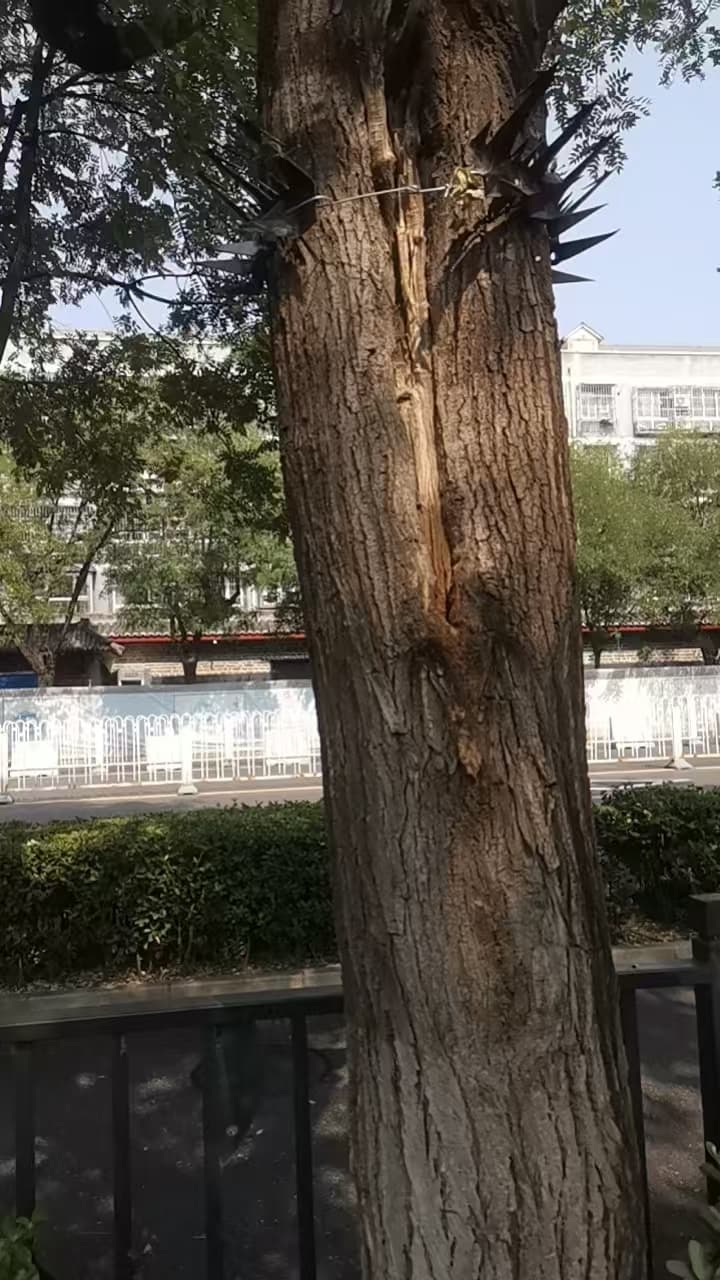
Strips of metal spikes seen installed around tree trunks near the reception office of Beijing’s petition bureau in October 2026, in a photo provided to The Epoch Times by a petitioner. (Anonymous)
Hui said she believed the increasingly restrictive security measures reflect the regime’s fear of mass public unrest.
Shanghai Petitioner Reports Harassment of Daughter
The pressure on petitioners has extended to their family members, according to Shen Yanqiu, a petitioner from Shanghai.
Shen told The Epoch Times that her daughter received a harassing phone call from a man on the morning of Oct. 27. When Shen called the number back, the man identified himself as an employee of the community office of the Liangcheng subdistrict in Shanghai’s Hongkou District and asked her to visit the office that afternoon.
Shen said she went to the office and met the man, but the office director claimed not to know him.
The office is responsible for maintaining social stability, Shen said. She believed the incident was connected to the CCP plenum, and she protested what she described as harassment of her daughter.
The accounts and allegations in this report could not be independently verified by The Epoch Times.
Zhong Yuan and Hong Ning contributed to this report.