

What Is Aluminum?
It is said that we are living in the aluminum age. Commonplace today, the light, durable, and functional qualities of aluminum are found everywhere in our daily lives, in planes, trains, and automobiles as well as in soil, food, water, and air. But this was not always so. Pure aluminum does not occur in nature. It took the advent of electricity to learn how to break down chemical compounds into their elements. Incredibly abundant, aluminum is the 13th element in the periodic table. It is the third most common chemical element on Earth after oxygen and silicon. In fact, it is the most widespread metal on our planet and 8 percent of the Earth’s core is aluminum.
What Effects Does Aluminum Have on the Body?
Assessing aluminum levels and determining how aluminum moves within the body may help us understand how aluminum affects the body and our physiology. Measuring aluminum throughout the body such as in bone, brain, and tissue, where heavy metals may accumulate, is challenging. However, aluminum is measurable in our bodily excretions, such as urine and stool. Bone marrow can be tested. More importantly, it can be measured relatively noninvasively in the blood. Serum aluminum levels at normal are 10 µg/L. Dialysis patients may have serum aluminum levels of 50 µg/L. Above 60 µg/L indicates increased absorption, 100 µg/L are potentially toxic, and levels above 200 µg/L may result in clinical symptoms and signs of toxicity.
Is Aluminum Exposure Associated with Certain Disease States?
Aluminum has neurotoxic potential and may contribute to neurodegenerative disorders. Studies have revealed aluminum deposits in the brains of Alzheimer’s disease patients. A study from 2018 entitled Aluminum in brain tissue in Autism showed that the brain tissue of donors with autism spectrum disorder, a neurodevelopmental disorder, contained extraordinarily high quantities of aluminum. Aluminum exposure may contribute to other forms of chronic illnesses including autoimmune diseases, metabolic disorders, allergies, and arthritic conditions.
How Are We Exposed to Aluminum?
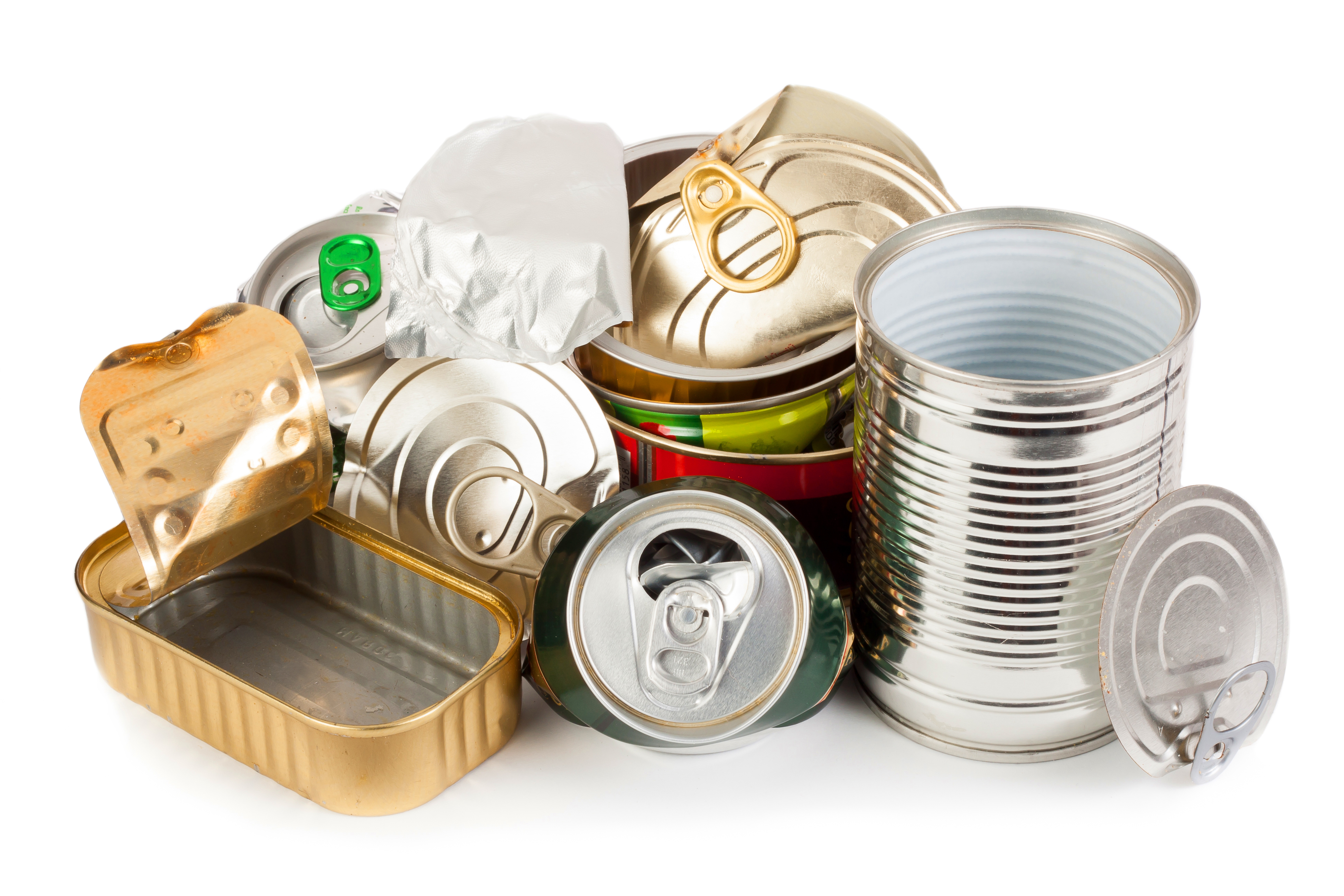
Aluminum can enter the body through inhalation, skin contact, food intake, and drinking water. As an example, the legal limit for aluminum in drinking water is 0.20 parts per million (ppm) as determined by the World Health Organization (WHO), although this varies in different jurisdictions. Foods that tend to be high in aluminum are fish, rice, baby formula, and baked goods. Processed foods that contain artificial food coloring, cheese, milk, or aluminum-containing baking powder may contribute to edible sources of aluminum. Food packaging such as foil or aluminum cans, or food contact materials made from uncoated aluminum also contribute to potential aluminum ingestion. Occupational settings that are high in aluminum dust such as aviation or auto manufacturing may impact a person’s aluminum load. Tattoos are a source of aluminum exposure. Aluminum can be absorbed through the skin from aluminum-containing products such as antiperspirants, shampoo, skin creams, sunscreen, and toothpaste.
Can We Avoid Exposure to Aluminum?
Fortunately, there are many ways to avoid exposure to aluminum. Take incremental steps to minimize the aluminum in your life. Choose products that are aluminum-free, particularly if they contact the skin such as antiperspirants and sunscreens. Read the ingredients of packaged foods and choose non-aluminum-based food packaging and cookware. Favor organic products that will limit exposure to glyphosate as it facilitates aluminum absorption in the body. Ask questions, read labels, and request information regarding aluminum in products you prefer or are exposed to. Where possible, use alternatives that reduce exposure to aluminum. Advocate for safe alternatives to current disease prevention technologies in vaccines and in medical therapeutics.
Are There Ways to Buffer Aluminum Exposure?
Along with removing and reducing aluminum, there are treatments that can buffer aluminum exposure. Aluminum is excreted from the body in multiple ways including in urine, stool, sweat, skin, hair, nails, and semen. Certain foods help to bind with aluminum which makes it easier for your body to eliminate it in feces. Simply increasing water consumption helps to support the kidneys while flushing out excess toxins. Additionally, an exercise program or sports activity can help to sweat out toxins.
How to Heal from Exposure to Aluminum
Healing is a deeply personal experience. Many things influence health. Approaches to healing may include elements of nutrition, structural, energetic, and emotional healing modalities, as well as spiritual spheres. Make time for self-reflection and introspection, and encourage self-improvement and self-respect. It may be necessary to deal appropriately with prior physical injury or emotional trauma. Food and nutrition will help balance nutrient deficiencies and metabolic imbalances.
Aluminum Detox: Best Practices
- Use dietary sources of aluminum binders to help excrete excess aluminum.
- Include aluminum binders such as fulvic and humic acids, activated charcoal, chlorella, and cilantro.
- Add extra fiber through a diet rich in organic fruits and vegetables, and ancient whole grains to help eliminate excess aluminum.
- Increase water consumption to support the kidneys through the detoxifying process and increase urine output.
- Silicon-rich mineral water over an extended period facilitates the excretion of aluminum through the kidneys.
- Ensure adequate trace minerals such as magnesium and zinc to help support metabolic activity.
- Restore gut hygiene with pre and probiotics.
- Boost lymphatic drainage through lymphatic massage and lymphatic yoga exercises.
Unfortunately, aluminum, an abundant and useful element, can be toxic to the body and affect overall health. Managing exposure to aluminum is possible though. Minimizing exposure and utilizing strategies to detoxify aluminum may help to prevent the negative health impacts of aluminum exposure.