
Some American presidents’ reputations remain so illustrious decades, and even centuries, after their time in office that they have been further immortalized in film and television.
It’s not surprising that George Washington and Abraham Lincoln have been portrayed in dozens of films over the past century or so. More recent presidents like Franklin D. Roosevelt made their way into many films with contemporary settings, either through newsreels and archival footage or in actor depictions.
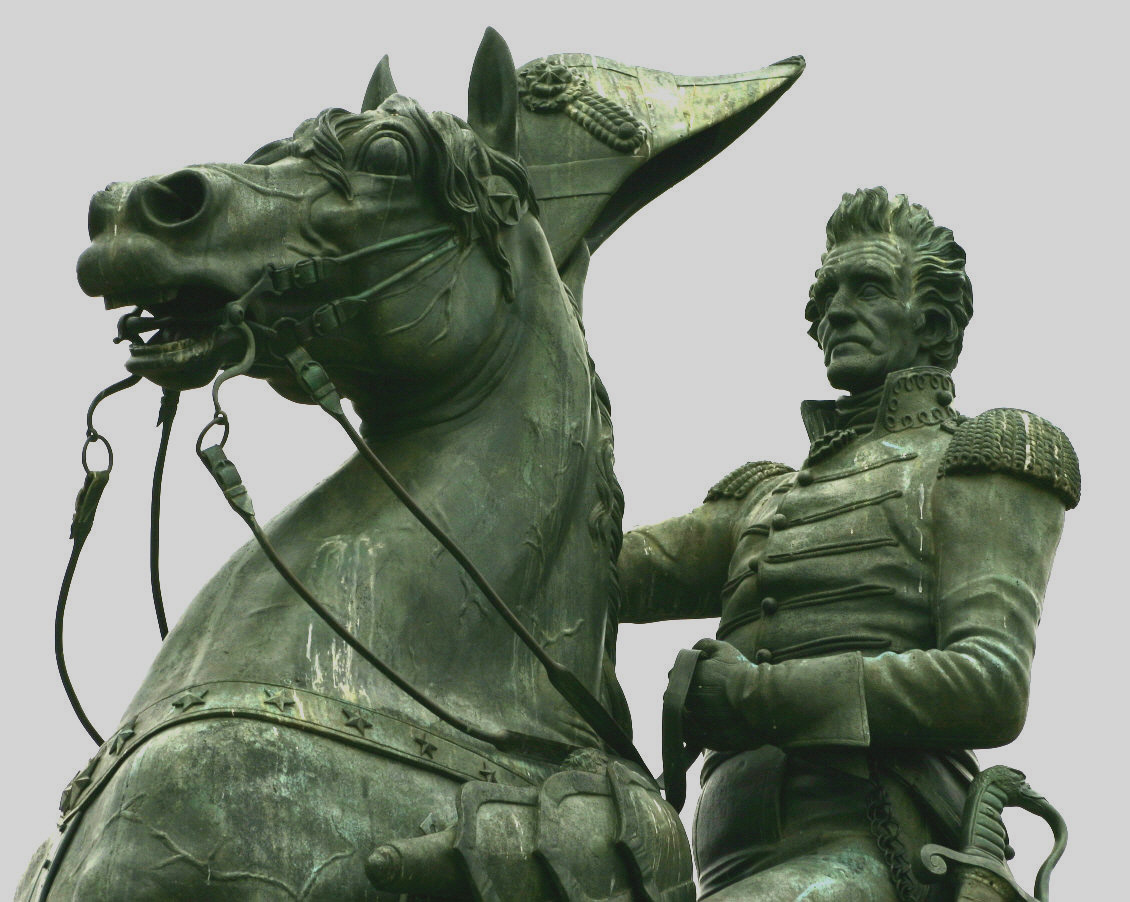
Another president who has been depicted in a surprisingly large number of films is Andrew Jackson. The seventh president of the United States is perhaps best known for being the face on the $20 bill, but Jackson has an impressive legacy of shaping the Democratic party and the emerging American political scene.
His valiant military career, powerful two-term presidency, political influence over the nation after he left office, and controversial personal life make his story perfect subject matter for the screen.
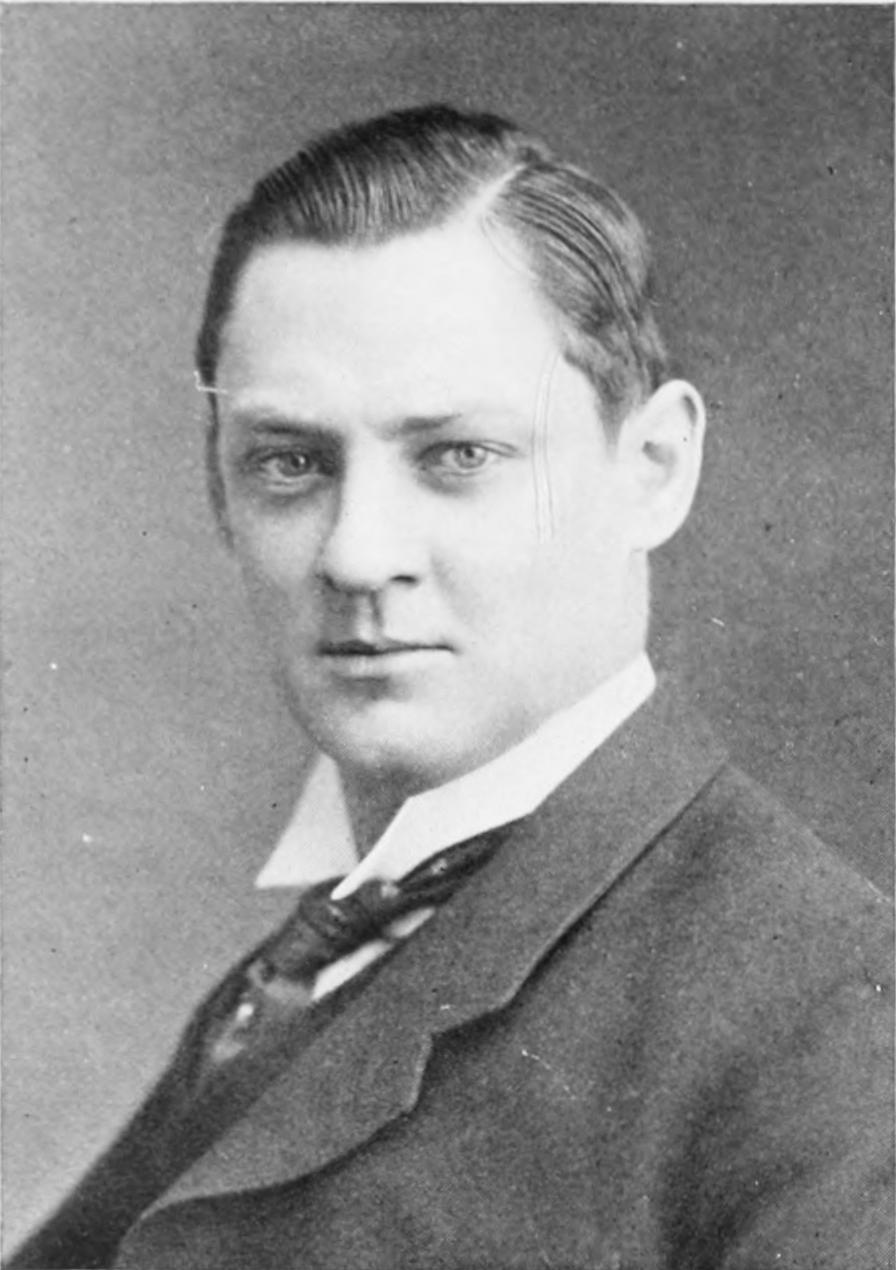
Lionel Barrymore in 1906. (Public Domain)
Acclaimed actor Lionel Barrymore, a veteran of stage and screen, played Old Hickory in two films. The first was “The Gorgeous Hussy” (1936), which dramatized the life of Peggy Eaton; the second was “Lone Star” (1952), a Western that was Barrymore’s final film. He is perhaps best remembered for playing the wheelchair-bound villain in Frank Capra’s Christmas classic “It’s a Wonderful Life.”
‘The Gorgeous Hussy’
“The Gorgeous Hussy” is a deceptively provocative title that could give viewers the wrong impression about this film. It’s a cleverly fictionalized account of the life of Peggy Eaton, a woman whose scandals disrupted Andrew Jackson’s entire Cabinet.
The title of this movie, a unique historical fiction, refers to Peggy’s unfairly tarnished reputation, rather than actual low moral character. This clever blend of fact and fiction reinvented MGM’s most eligible young leading men of the day as real historical figures.
Peggy O'Neill (Joan Crawford) is a clever young innkeeper’s daughter who touches the lives of the most influential political figures of her day. She is a surrogate daughter to senator and later U.S. President Andrew Jackson (Barrymore), whom she calls Uncle Andy. She serves as his acting First Lady after his beloved wife, Rachel (Beulah Bondi), dies.
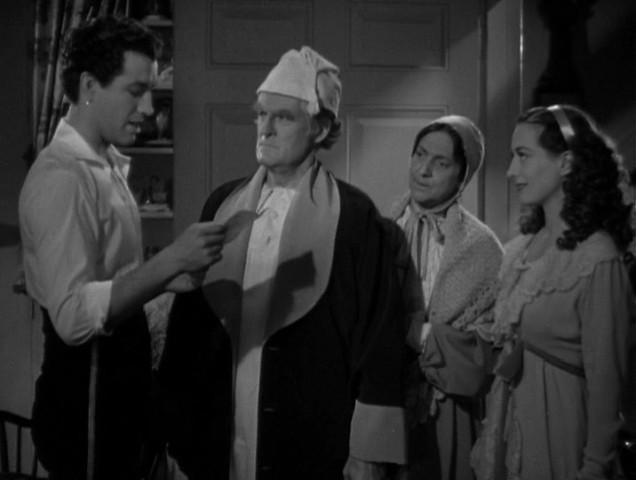
(L–R) 'Bow' Timberlake (Robert Taylor), Andrew Jackson (Lionel Barrymore), Rachel Jackson (Beulah Bondi), and Peggy O’Neill (Joan Crawford), in “The Gorgeous Hussy.” (Metro-Goldwyn-Mayer)
She has a short-lived marriage to young naval officer “Bow” Timberlake (Robert Taylor), and she later marries Secretary of War John Eaton (Franchot Tone). However, the only man she loves is the much older John Randolph (Melvyn Douglas). Randolph clashes with Jackson and Peggy over the issue of states’ sovereignty versus loyalty to the union.
Although their strong political beliefs ultimately separate them, Peggy’s undying devotion to Randolph, even after her second marriage, causes a scandal that shakes Andrew Jackson’s entire administration.
‘Lone Star’
The Western “Lone Star” depicts the events leading up to the annexation of Texas. Although it has the cowboys and Indians and shoot-‘em-up gun battles one expects from the genre, its main focus is the complex political issues surrounding annexation.
Famous Hollywood leading man Clark Gable stars as Devereaux Burke, a profiteering cattleman. His leading lady is glamorous Ava Gardner, who plays a principled Texan newspaper woman. Barrymore makes his final screen appearance as Andrew Jackson in his waning days. Interestingly, Beulah Bondi, who played his wife in the earlier film, plays his devoted caregiver, Minniver Bryan, in this film.
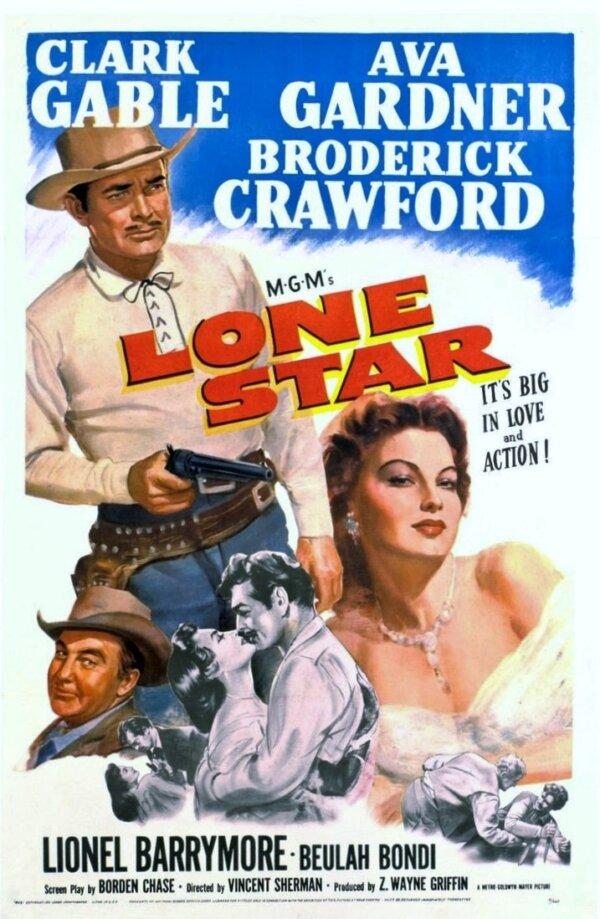
Poster for "Lone Star." (Metro-Goldwyn-Mayer)
In 1845, Burke (Gable) makes an agreement with former president Andrew Jackson to achieve the annexation of Texas into the United States. Burke is contracted to supply the beef for American troops in the event of a war with Mexico.
Burke heads to Austin in search of Sam Houston, whose influence could sway Texans for or against annexation. On the road, he and a stranger help each other during an Indian attack. Burke discovers that his new friend is the Austin rancher advocating the formation of the Republic of Texas, Thomas Craden (Broderick Crawford), not annexation into the United States.
In Austin, Craden introduces Burke to Martha Ronda (Gardner), who passionately supports Texas becoming a Republic. Although she is immediately suspicious of Burke’s motives, they are instantly attracted to each other.
Barrymore as Old Hickory
Andrew Jackson was a strong general. He was so sturdy that he was said to be as tough as an old hickory tree, hence his nickname of Old Hickory. He was also a stubborn man who was hot-tempered and quick to fight anyone who attacked his nation or his loved ones.
Barrymore was perfectly cast as this strong, passionate leader. These two films show different chapters of Jackson’s unforgettable life.
In “The Gorgeous Hussy,” prosthetics and makeup were obviously used to make Barrymore’s profile resemble the president’s chiseled visage. He also wore a curly white wig to mimic Jackson’s characteristic mane.
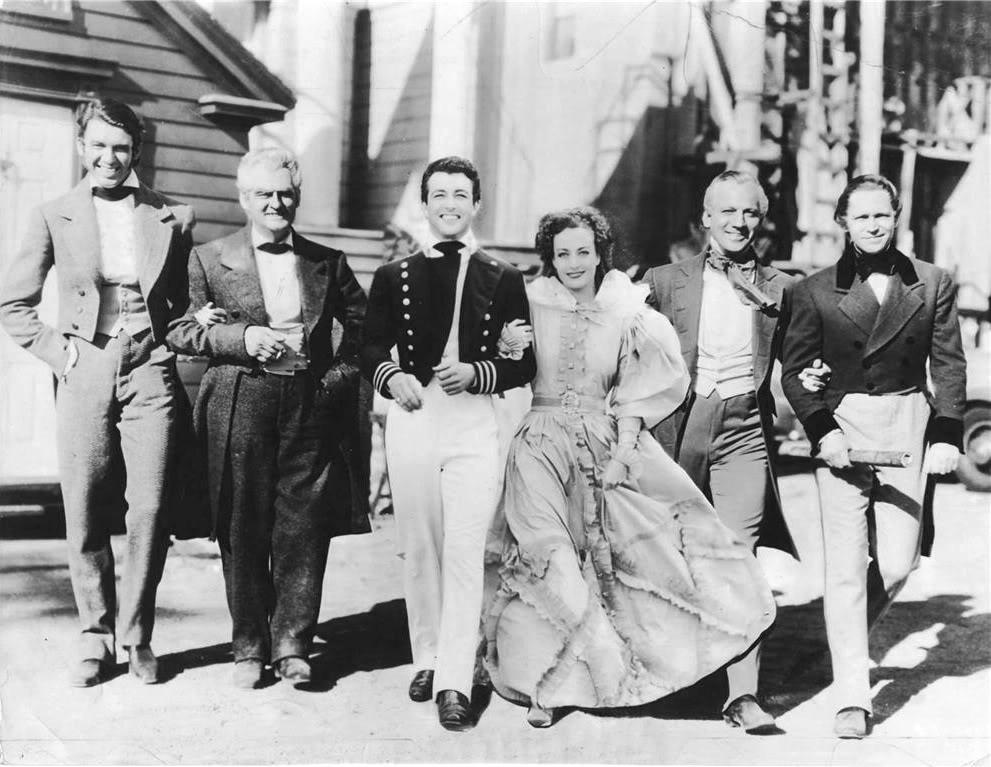
(L–R) James Stewart, Lionel Barrymore, Robert Taylor, Joan Crawford, Melvyn Douglas, and Franchot Tone on the set of “The Gorgeous Hussy.” (Metro-Goldwyn-Mayer)
Barrymore does a brilliant job of capturing the strength this man must have exemplified during his peak days in politics. Barrymore blended gentility with the rough nature cultivated by Jackson’s background.
The screenplay rearranges historical figures and facts to convey the essence of these individuals while depicting several fictitious events. Although the close bond presented between Jackson and Peggy O’Neill over many years wasn’t historically accurate, his anger and disgust at vicious gossip about his wife, Rachel, and then Peggy, were very real.
In “Lone Star,” Barrymore had a chance to reprise this impactful role. Although he only appears in the film’s opening scene, Barrymore’s portrayal of the former president has a strong influence throughout the film. He is never seen again, but Minniver keeps his ideals at the forefront of Burke’s awareness.
A wig was the only cosmetic enhancement used here to make Barrymore resemble Jackson. The then-invalid 74-year-old actor was very convincing as the war-ravaged, world-weary 78-year-old soldier in his final year of life.
His passion for political issues years after leaving office is very realistic. Jackson influenced government policy and leaders for decades.
“The Gorgeous Hussy” and “Lone Star” make an excellent American history double feature. Although neither is straight out of a history book, they both offer insightful, inspiring looks at the life and deeds of a highly influential political figure.
As portrayed by Barrymore, both these film characters reflect Andrew Jackson’s memorable quote, “I was born for a storm, and a calm does not suit me.”
What arts and culture topics would you like us to cover? Please email ideas or feedback to features@epochtimes.nyc