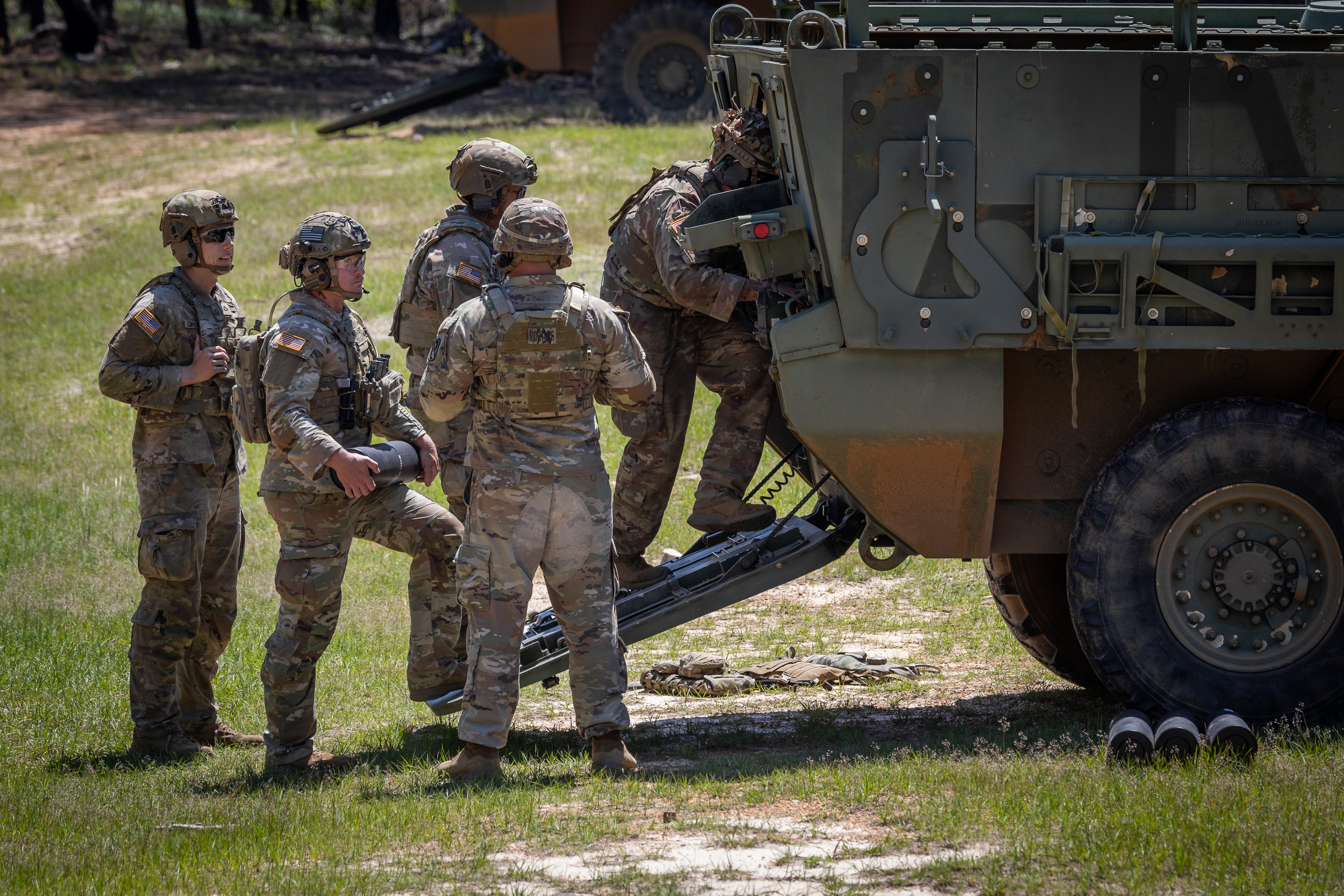

U.S. military personnel in the Middle East are at risk of being surveilled and targeted through the geolocation data on their smartphones, U.S. Central Command (CENTCOM) recently notified lawmakers.
“USCENTCOM has received multiple threat reports concerning adversary exploitation of commercial location data to target or surveil U.S. personnel in theater,” CENTCOM stated in a letter it shared with Sen. Ron Wyden (D-Ore.) on April 14, which Reuters first reported on May 28.
The disclosure to Wyden came in the days after the United States and Iran concluded 38 days of direct large-scale combat with what remains to be a fragile ceasefire. Since those hostilities with Iran began on Feb. 28, 13 U.S. military personnel have been killed, and hundreds more have been injured.
CENTCOM, in its April 14 letter, stated that its threat monitoring office has disseminated warnings about smartphone location features to various force protection components within its Middle Eastern area of responsibility.
The military command stated that its personnel are still allowed to use personal smartphones, although its guidance calls on those personnel to disable unnecessary location features, to be aware that some location features require a comprehensive process to disable, and to periodically review the location and privacy features on their devices and applications.
The Epoch Times previously reported on an incident in early March in which two U.S. military personnel were injured in an Iranian drone strike that targeted the hotel room where they had been staying in Bahrain. When reached for comment on May 28, a CENTCOM spokesperson said there was no reason to believe smartphone location data obtained by Iran informed that particular drone attack.
In its April 14 letter to Wyden, CENTCOM disclosed that it had placed troops under its command under the highest protective status, known as “Force Protection Condition Delta,” on Feb. 28, as open combat began with Iran. U.S. forces had been observed amassing in the region for weeks prior to the start of fighting.
In a May 28 response letter, Wyden and 13 other lawmakers from both the Democratic and Republican parties raised concerns that the Pentagon is not taking sufficient measures to protect against threats posed by adversaries’ collection of location data on U.S. troops.
“That foreign adversaries are still able to buy location data collected from the phones of U.S. personnel serving in military hotspots is a direct result of DoD leadership’s failure to prioritize this threat and implement common sense cyber defenses recommended by federal cybersecurity experts,” the letter from the lawmakers reads.
One measure, proposed by the lawmakers, would be for an opt-in privacy setting that allows users to disable a unique advertising ID associated with Android and Apple iOS devices.
“Unfortunately, USCENTCOM confirmed that the advertising ID is still not disabled on government-issued smartphones, but stated that the Defense Information Systems Agency is currently testing a capability to do so,” the lawmakers wrote. “USCENTCOM also revealed that it only rolled out the capability to administratively disable location sharing on smartphones in May, 2026.”
The lawmakers said they were awaiting further information from the Pentagon about security reports associated with the recent Iran hostilities.