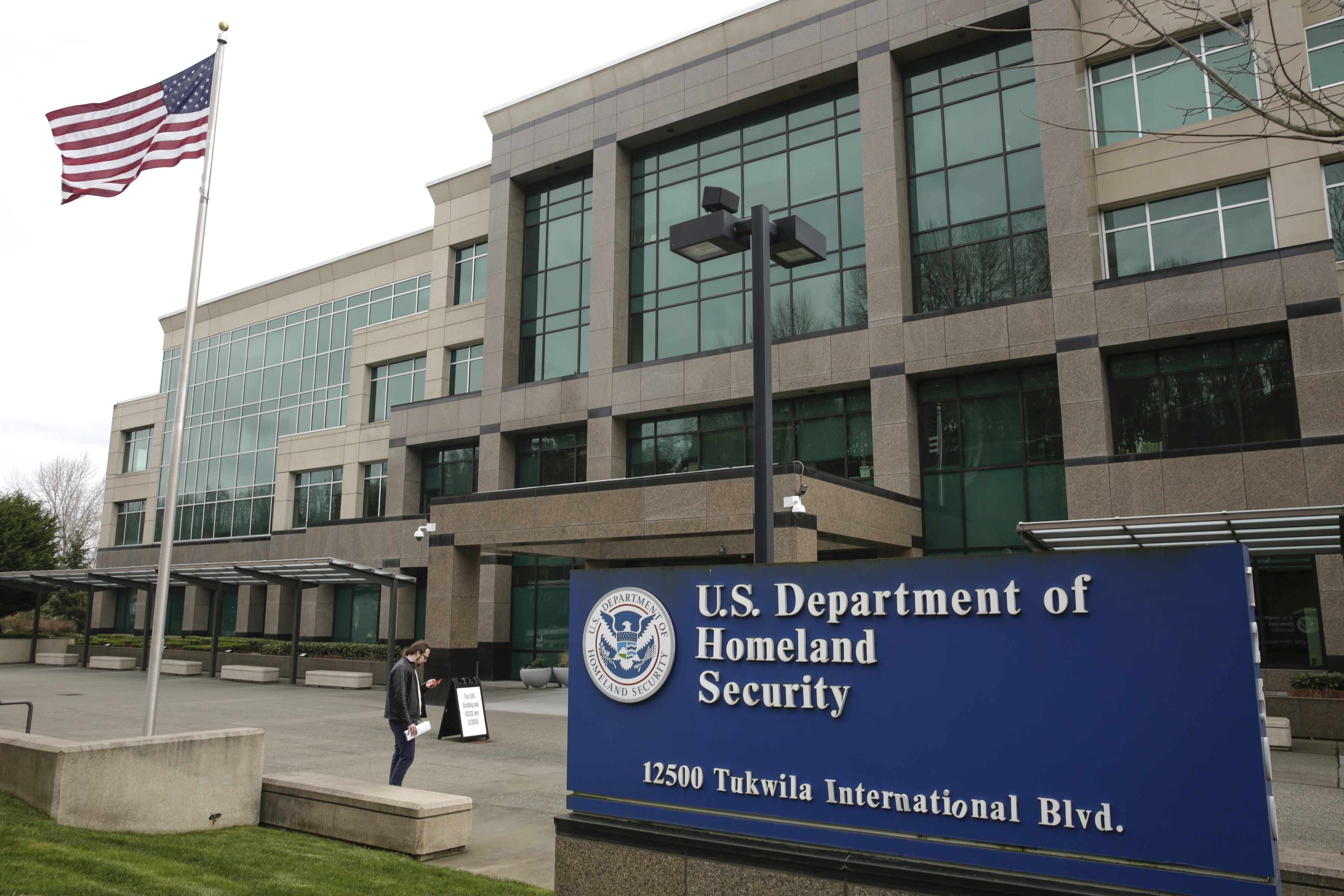

Certain categories of non-citizens working in the United States will be screened and vetted every 18 months as opposed to every five years, according to a Dec. 4 statement by U.S. Citizenship and Immigration Services (USCIS).
The federal agency’s policy change will shorten the period of time that refugees, asylees, and other non-citizens can work in the United States before they have to be screened again to renew their work permit.
“Reducing the maximum validity period for employment authorization will ensure that those seeking to work in the United States do not threaten public safety or promote harmful anti-American ideologies,” said USCIS Director Joseph Edlow in the statement.
“After the attack on National Guard service members in our nation’s capital by an alien who was admitted into this country by the previous administration, it’s even more clear that USCIS must conduct frequent vetting of aliens.”
Afghan national Rahmanullah Lakanwal, who worked with the CIA during the war in Afghanistan, was charged with killing Army Spc. Sarah Beckstrom, 20, and shooting Staff Sgt. Andrew Wolfe, 24, while they were performing “high visibility patrols” steps away from the White House on Nov. 26.
The upgraded work permit policy will have more checks aimed to “detect aliens with potentially harmful intent so they can be processed for removal from the United States,” according to a USCIS news release.
All impacted groups will be screened three times more than in the past.
Those groups include people who were admitted as refugees, granted asylum, or granted withholding of deportation or removal.
It also applies to people who have pending applications for asylum or withholding of removal, pending applications for adjustment of status under Section 245 of the Immigration and Nationality Act, pending applications for suspension of deportation, cancellation of removal, or relief under the Nicaraguan Adjustment and Central American Relief Act, according to the USCIS.
“This change affects aliens with applications for employment authorization that are pending or filed on or after Dec. 5, 2025, and based on any of the above categories,” the notice states.
A record 100,034 refugees were admitted through the U.S. Refugee Admissions Program (USRAP) from Oct. 1, 2023, through Sept. 30, 2024, according to an annual report by U.S. Refugee Admissions. That was the highest number of refugees since 1994.
The USCIS has tightened immigration requirements with a series of orders since the two National Guard troops were shot, one fatally.
The agency halted all asylum decisions and paused visa issuance for Afghan nationals on Nov. 28, citing national security concerns.
The halt will remain in place “until we can ensure that every alien is vetted and screened to the maximum degree possible,” Edlow wrote in an X post.
The USCIS also revealed plans on Thankgiving Day to launch a full-scale reexamination of every Green Card holder who came from a “country of concern.”